Should I Put Sand in the Bottom of a Planter? Exploring Benefits and Drawbacks
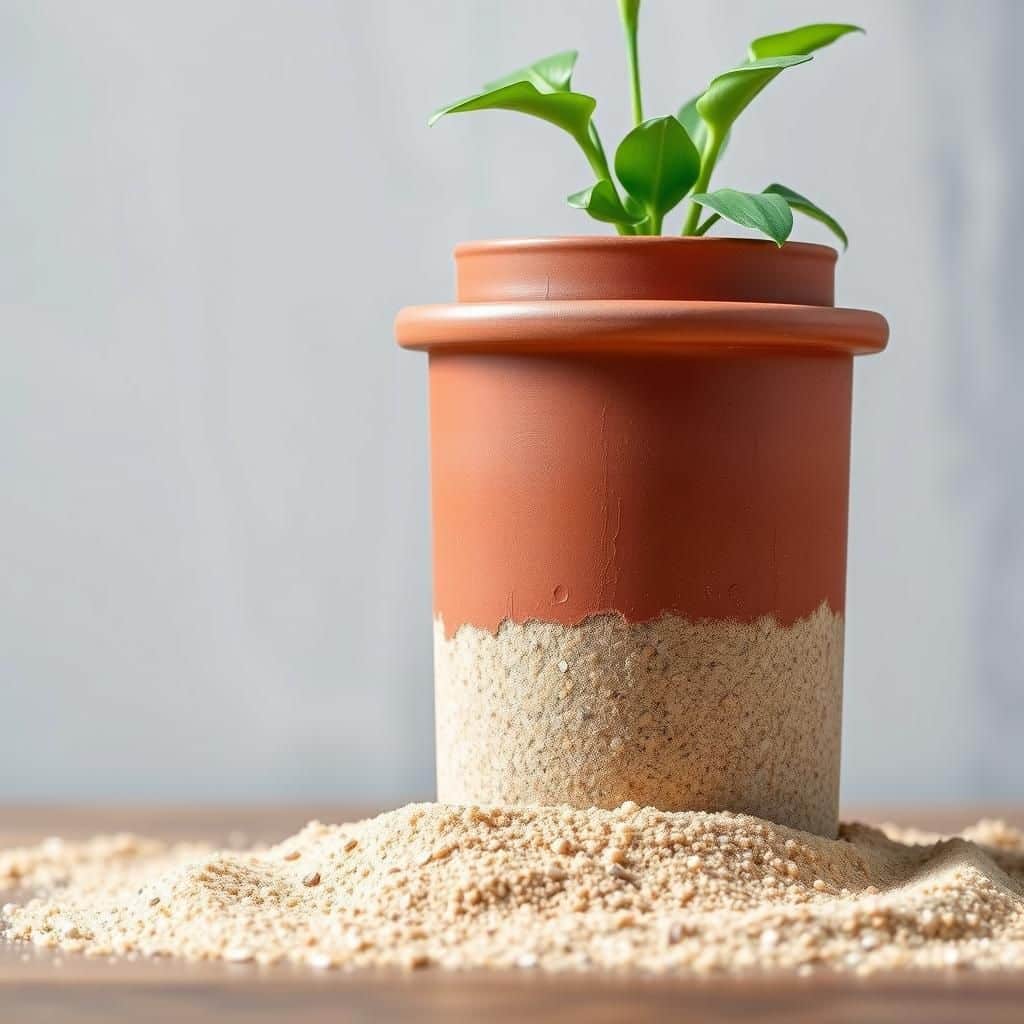
When it comes to gardening, choosing the right materials for your planter can significantly impact plant health and growth. One common question among gardeners is whether to put sand at the bottom of a planter. While sand can potentially improve drainage and prevent soil compaction, there are also drawbacks to consider, such as its ability to retain moisture and hinder root development. In this article, we will explore the benefits and drawbacks of adding sand to the bottom of your planter, helping you make an informed decision for your gardening needs.
Should I Put Sand in the Bottom of a Planter?
While many gardeners consider placing sand at the bottom of a planter to improve drainage, it isn't always the best option. Sand can create a layer that restricts water movement, preventing proper drainage from the soil above. Instead, using materials like gravel or potting mix designed for drainage may be more effective. It's essential to assess the specific needs of your plants and consider the type of soil you are using, as well as the overall planting conditions, to facilitate the best growth outcomes.
Benefits of Using Sand in Planters
Using sand in planters can offer several benefits, including improved drainage in certain types of soils. Sand can help break up compacted soil, allowing for better root penetration and access to nutrients and water. When mixed properly with other components of potting soil, sand can enhance aeration, promoting healthy plant growth, especially for plants that prefer drier conditions.
Drawbacks of Using Sand in Planters
Despite its benefits, using sand in planters can have drawbacks. Sand can create a layering effect when used alone, which may hinder the movement of water through the soil, leading to waterlogging above the sand layer. This can result in root rot or other diseases in plants. It's crucial to use the right ratio of sand to soil and consider a well-draining mix instead of relying solely on sand.
Alternatives to Sand in Planters
Instead of sand, consider using various alternatives that can effectively improve drainage. Materials such as gravel, perlite, or expanded clay pellets can provide better aeration and drainage properties, preventing compacting and allowing roots to breathe. These alternatives are often more effective in managing excess moisture and preventing common gardening issues.
See also:
Best Practices for Planter Drainage
To ensure effective drainage in planters, focus on best practices like using a mix of materials. Combine high-quality potting soil with perlite, vermiculite, or coconut coir to enhance drainage while retaining essential moisture. Ensure that planters have adequate drainage holes and avoid overwatering to promote healthy root systems and overall plant health.
When to Use Sand in Specific Situations
There are specific situations where using sand may be beneficial. For plants that thrive in sandy soils, like certain succulents or cacti, incorporating a small amount of sand into the potting mix can mimic their natural habitat. In such cases, sand aids in providing the loose structure needed to allow roots to grow freely without excess moisture retention.
| Material | Drainage Effectiveness | Recommended Usage |
|---|---|---|
| Sand | Moderate | Carefully mixed with soil |
| Gravel | High | Bottom layer or mixed in |
| Perlite | High | Mixed throughout soil |
| Coconut Coir | High | Mixed for moisture retention |
| Expanded Clay | High | Used in hydroponics or as drainage |
Understanding the Role of Sand in Planter Drainage
The debate over whether to put sand in the bottom of a planter often revolves around its potential impact on drainage and root health. While sand can improve drainage in certain scenarios, when used in combination with heavy soil, it may lead to waterlogging because of the pore space it creates. This could ultimately hinder root growth and promote root rot. It is essential to consider the type of plants being grown and the overall soil composition before deciding on using sand as a base layer in your planter.
Benefits of Using Sand for Drainage
Using sand in planters can offer several benefits, primarily related to enhancing drainage. Sand allows excess water to flow more freely through the planter, helping to prevent water accumulation at the bottom. This can be particularly advantageous for plants that prefer drier conditions, as it encourages aerated soil which promotes healthier root systems. Furthermore, sand can help to balance soil texture, especially in mixes that may be too dense or compacted.
Drawbacks of Adding Sand to Soil Mixes
One of the significant drawbacks of adding sand to planter soil mixes is the potential for creating a waterlogged environment. If the mix becomes too heavy or compacted, the pore spaces may fill in, leading to poor drainage despite the inclusion of sand. Additionally, using too much sand can lead to a loss of essential nutrients in the soil, ultimately affecting plant health and growth. It's crucial to use the correct proportions when incorporating sand into a soil mix to avoid these issues.
See also:
Types of Plants Benefiting from Sandy Soil
Certain types of plants thrive in sandy soil due to its excellent drainage properties. Succulents and cacti, for instance, require fast-draining conditions to prevent root rot and are well-suited to mixes that contain sand. Perennial flowers and certain vegetables also benefit from sandy soil, as long as it is supplemented with the appropriate nutrients. Understanding the preferences of the plants you wish to grow can guide your decision on whether to use sand in your planter.
Alternative Solutions for Improving Drainage
In addition to sand, there are several alternative solutions for improving drainage in planters. Utilizing perlite or vermiculite can enhance aeration and water permeability without the risks associated with using sand. These materials prevent compaction, allowing for better water retention in the soil without creating pockets that could retain too much moisture. Grit or gravel can also be used at the bottom of the planter for effective drainage without compromising the soil structure.
Best Practices for Layering Soil in Planters
To achieve optimal drainage and support healthy plant growth, following the best practices for layering soil in planters is important. Start with a layer of rocks or gravel at the bottom to allow water to drain away quickly. Next, incorporating a well-balanced mix of potting soil, organic matter, and optional amendments such as sand or perlite can create a suitable environment for roots. Ensure that the planting depth is appropriate for the specific plants being cultivated, and monitor moisture levels regularly to prevent overwatering.
Questions from Our Readers
Should I put sand in the bottom of a planter?
Placing sand at the bottom of a planter is often debated among gardeners. While it can help with drainage, it may also lead to a layering effect that can trap water. It's usually more effective to use other materials like gravel or stones instead of sand for optimal soil drainage.
What are the benefits of using sand in planters?
Using sand in planters may improve soil structure, particularly in heavy soils, allowing for better root growth and air circulation. However, too much sand can cause the soil to drain too quickly, which might not be beneficial for all plants that prefer a moister environment.
See also:
Can sand affect the type of plants I can grow?
Yes, the presence of sand can influence the types of plants that thrive in your planter. Plants that require well-draining soil, such as succulents and cacti, may benefit from a sandy mix, while others that prefer moisture might struggle if sand is dominant.
What alternatives can I use instead of sand in planters?
Instead of sand, consider using gravel, perlite, or vermiculite, which provide excellent drainage without the complications associated with sand. These materials help maintain a balanced environment for the plants while preventing water retention issues.

If you want to read more articles like Should I Put Sand in the Bottom of a Planter? Exploring Benefits and Drawbacks, we recommend you check out our Planter category.
Leave a Reply
Related Articles