Should I Put Anything in the Bottom of My Planter? Essential Tips for Proper Drainage and Plant Health
When it comes to container gardening, ensuring proper drainage is vital for the health of your plants. Many gardeners often wonder whether adding materials to the bottom of their planters can enhance drainage or soil performance. In this article, we will explore the best practices for filling the bottom of your planter, discuss the pros and cons of different materials, and provide essential tips to maintain optimal moisture levels. By understanding how drainage works and what your plants need, you can create a thriving environment that promotes their growth and well-being.
Should I Put Anything in the Bottom of My Planter?
When deciding whether to put anything at the bottom of your planter, it's important to consider the drainage needs of your plants. Adding a layer of materials like rocks, gravel, or potting soil can enhance drainage and prevent waterlogging, which is detrimental to root health. However, placing large items at the bottom can hinder water movement and create pockets of standing water. A better approach might be to use a drainage layer made of smaller materials, along with a landscape fabric to keep soil from mixing with the drainage layer. Ultimately, the best choice depends on the type of plants you are growing and the conditions of your environment.
Benefits of Adding Drainage Material
Adding drainage material to the bottom of your planter can significantly improve the aeration and drainage of the soil, allowing for better root growth and overall plant health. Materials like mafic rocks or even clay pellets can help ensure that excess water escapes, thereby preventing root rot. Moreover, a good drainage layer prevents soil compaction, allowing roots to breathe and nutrients to be transferred more efficiently. This practice is especially beneficial for plants that thrive in well-drained soils, fostering a healthier environment for growth.
How to Choose the Right Material
Choosing the right material for the bottom of your planter largely depends on the type of plants you intend to grow. For those sensitive to overwatering, opting for lightweight materials like perlite or vermiculite can assist with drainage without adding unnecessary weight. Conversely, heavier materials like small rocks can be advantageous in bigger containers where stability is needed. Furthermore, consider using landscaping fabric to prevent soil from filtering into the drainage layer, ensuring it remains effective over time.
Common Mistakes to Avoid
One common mistake when placing materials at the bottom of a planter is using items that do not allow for proper water flow, such as large stones or plastic pieces. These can create barriers that trap water and lead to root rot. Another error is underestimating the importance of a drainage hole; if your planter has no hole, adding materials to the bottom won't alleviate the drainage issues that arise. Make sure the chosen medium allows for water movement to avoid these pitfalls.
Alternative Strategies for Drainage
If you prefer not to add any material to the bottom of your planter, consider using a self-watering planter that has a built-in reservoir. This design allows for bottom-up watering, which can naturally keep soil moisture at optimal levels while preventing overwatering. Additionally, consider using a soil mix that is designed for drainage and aeration, incorporating components like coconut coir or perlite that promote healthy root systems. These alternatives can effectively manage moisture without bulky additions.
Table of Popular Drainage Materials
| Material | Properties | Best For |
|---|---|---|
| Gravel | Excellent drainage and airflow | Plants that require good drainage |
| Perlite | Lightweight, retains moisture | Almost all potting situations |
| Coconut Coir | Holds water while draining well | Mixing with other soil types |
| Clay Pellets | Retains moisture, good aeration | Hydroponics and container gardens |
| Landscape Fabric | Prevents soil from clogging drainage | When layering materials |
How to fill the bottom of a raised planter?
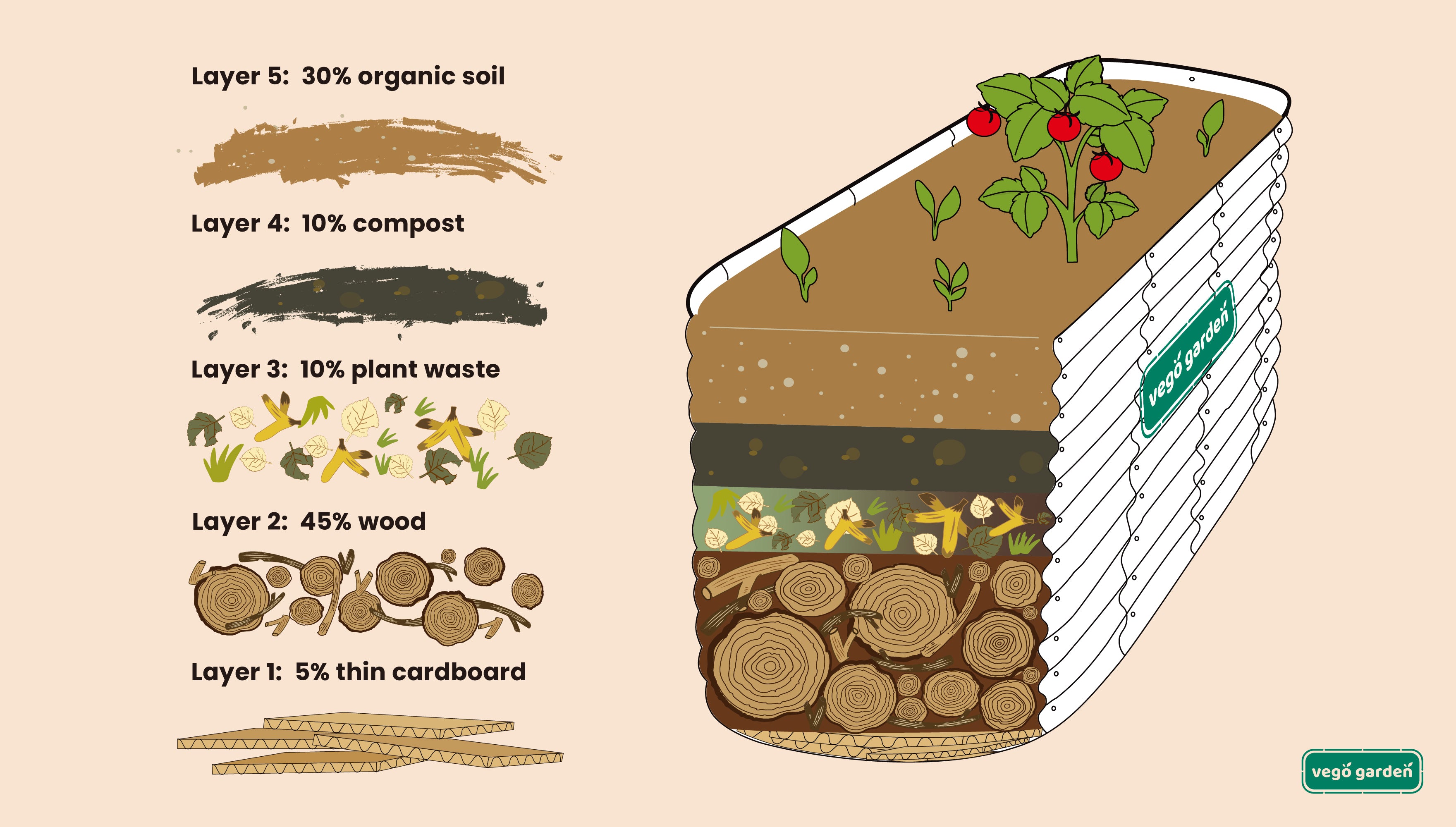
To fill the bottom of a raised planter effectively, it is important to layer materials properly to ensure good drainage and create a healthy environment for plants. Raised planters often experience water retention problems if not filled correctly, which can lead to root rot and other plant diseases. Here’s a detailed approach to filling the bottom of your raised planter.
See also:
Understanding Drainage Needs
The first step in filling the bottom of a raised planter is to understand the drainage needs of your plants. Proper drainage is crucial for preventing water accumulation.
- Soil Type: Different plants require various soil types, so it's essential to ensure that the mixture allows for adequate drainage.
- Drainage Holes: Make sure that your planter has sufficient drainage holes at the bottom to allow excess water to escape.
- Water-retaining Materials: Some plants may benefit from materials that retain moisture without becoming soggy. Understand the requirements of your specific plants.
Layering with Different Materials
A common technique for filling the bottom of a raised planter is to use a layered approach. This involves combining various materials to optimize both drainage and soil health.
- Gravel or Rocks: Start with a layer of gravel or small rocks. This layer will help excess water to exit freely, preventing waterlogging.
- Landscape Fabric: Adding a piece of landscape fabric on top of the gravel can help prevent soil from washing away while still allowing water to drain.
- Organic Matter: Consider layering materials like broken pottery or wood chips, which will eventually decompose and enrich the soil.
Using a Soil Mixture
Once you have established your drainage layer, it is time to fill your planter with an appropriate soil mixture tailored to your plants’ needs.
- Compost: Mixing compost into your soil will provide essential nutrients and improve the overall soil structure.
- Aeration Materials: Incorporate materials like perlite or vermiculite to improve aeration, which helps roots grow and thrive.
- Topsoil: Use high-quality topsoil as a base for your plantings, ensuring that it is well-draining.
Adding Amendments for Plant Health
To further enhance the growing conditions within your raised planter, consider adding various amendments that can aid plant health.
- Fertilizers: Use organic fertilizers to provide additional nutrients for your plants as they grow.
- pH Adjusters: Depending on your plant choice, you may need to adjust the soil pH with lime or sulfur to suit specific plant requirements.
- Humic Substances: Adding humic acid or other organic amendments can boost soil fertility and improve moisture retention.
Monitoring and Maintenance
Lastly, monitoring and maintenance is key to ensuring your raised planter remains in good condition over time.
- Water Management: Regularly check the moisture level of the soil to avoid overwatering or underwatering your plants.
- Soil Health: Periodically refresh the soil by adding new compost and organic matter to maintain nutrient levels.
- Pest Control: Keep an eye out for pests that may affect your plants and take appropriate measures to control any infestations.
What is the best drainage for outdoor planters?

The best drainage for outdoor planters is crucial for maintaining healthy plants. Proper drainage prevents water accumulation, which can lead to root rot and other issues. Here are several options and methods to ensure optimal drainage in outdoor planters.
Importance of Drainage in Outdoor Planters
Good drainage in outdoor planters is essential for the following reasons:
See also:
- Root Health: Adequate drainage allows roots to breathe and access oxygen, promoting healthy growth.
- Water Management: It helps in managing water levels, preventing overwatering and enabling proper moisture retention.
- Prevention of Disease: Reduces the risk of fungal infections and diseases associated with stagnant water.
Types of Drainage Materials
Various materials can be used to facilitate effective drainage in outdoor planters:
- Gravel: A common choice, gravel allows water to flow freely and prevents soil from clogging the drainage holes.
- Perlite: This lightweight volcanic glass enhances soil aeration and improves drainage without adding much weight.
- Sand: Coarse sand can be mixed with potting soil to improve drainage and reduce soil compaction.
Design Features for Drainage
Incorporating specific design features can enhance drainage efficiency:
- Drainage Holes: Ensure your planters have sufficient drainage holes at the bottom to allow excess water to escape.
- Elevated Bases: Elevating the planter slightly can allow water to drain away more effectively from the soil.
- Geotextile Fabric: Lining the planter with geotextile fabric helps keep the soil in while allowing water to escape.
Watering Techniques for Better Drainage
The way you water your plants can impact drainage significantly:
- Slow Watering: Water slowly to prevent overwhelming the soil, ensuring it absorbs water evenly.
- Frequency: Adjust watering frequency based on weather conditions; avoid watering too frequently.
- Use a Moisture Meter: A moisture meter can help you determine when to water, preventing overwatering.
Seasons and Drainage Needs
Different seasons may require adjustments in drainage management:
- Spring Growth: As plants wake up in spring, ensure drainage systems are clear to facilitate water flow.
- Summer Heat: Monitor for increased evaporation; consider adding mulch to retain moisture while ensuring drainage.
- Winter Preparation: For areas with cold climates, proper drainage is essential to prevent freezing and thawing cycles that can damage roots.
Questions from Our Readers
Should I put rocks in the bottom of my planter?
Yes, adding rocks or gravel at the bottom of your planter can help with drainage, preventing water from accumulating and potentially causing root rot. However, be cautious not to create a layer that is too thick, as this can hinder proper moisture movement and may not be beneficial for plant health.
Is it necessary to use a landscaping fabric in planters?
Using landscaping fabric can be beneficial as it allows for water drainage while preventing soil from escaping through the holes in the bottom of the planter. This can help retain the soil nutrients and provide a better growing environment for your plants.
Can I use charcoal in my planter for better drainage?
Yes, incorporating charcoal into your planter can be a great idea as it helps to absorb excess moisture and odors. However, it is essential to ensure that it is activated charcoal, as this form is specifically processed to offer these benefits, making it an effective addition to your planting mix.
What about using Styrofoam at the bottom of my planter?
Using Styrofoam can be an effective way to reduce the weight of larger planters while providing good drainage. Just be sure to avoid using too much, as this can limit the soil depth available for roots and negatively impact your plant's growth potential.
See also:

If you want to read more articles like Should I Put Anything in the Bottom of My Planter? Essential Tips for Proper Drainage and Plant Health, we recommend you check out our Planter category.
Leave a Reply
Related Articles