Should I Mix the Compost with Soil or Leave on Top? Discover the Best Gardening Practices
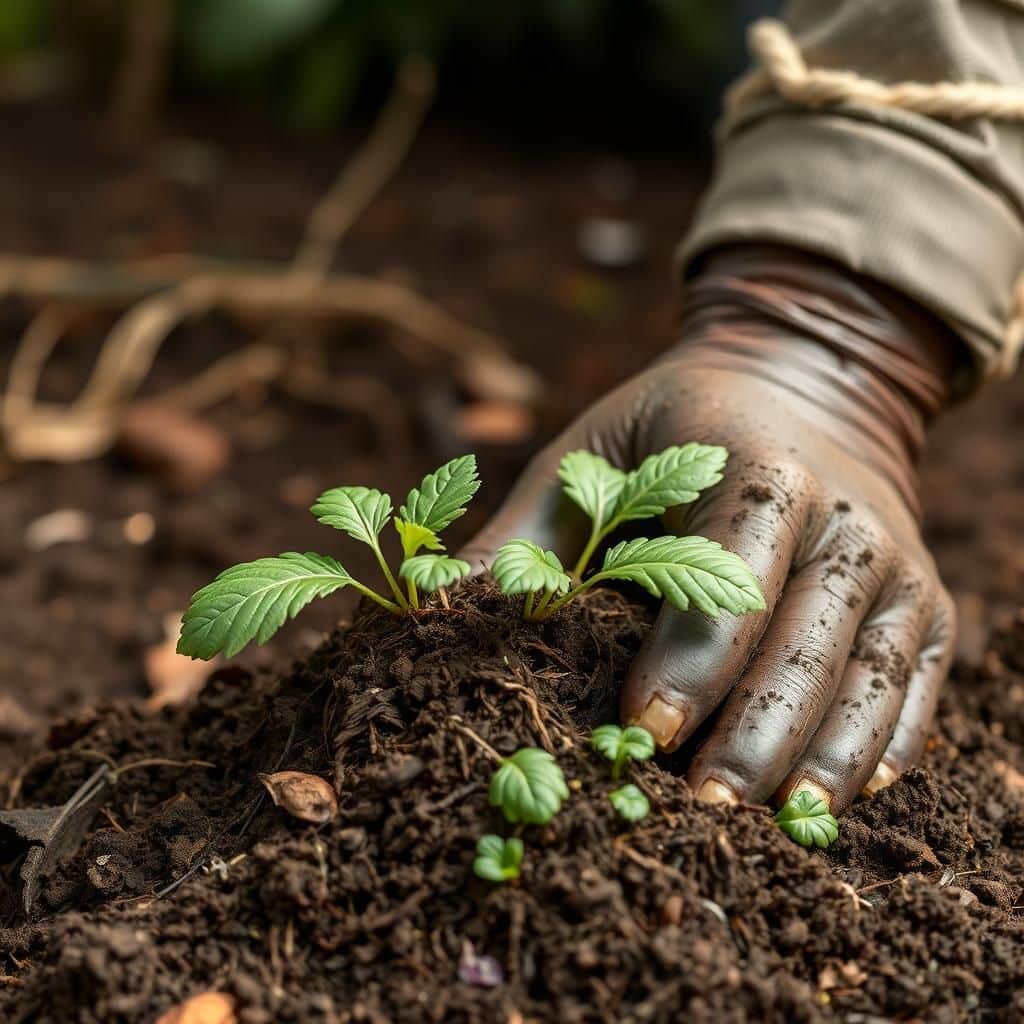
Composting is a vital practice for gardeners aiming to enrich their soil and promote healthy plant growth. However, a common dilemma arises: should compost be mixed into the soil or applied as a top dressing? This decision can significantly impact soil health, nutrient availability, and overall garden performance. In this article, we will explore the pros and cons of each approach, examining best gardening practices to help you determine the most effective method for your gardening needs. By understanding how to properly incorporate compost, you can maximize its benefits and create a thriving garden ecosystem.
Should You Mix Compost with Soil or Leave It on Top?
When it comes to using compost in your garden, the decision to mix compost with soil or to leave it on top depends on various factors, including the type of plants you are growing, soil health, and specific gardening practices. Mixing compost into the soil can enhance nutrient availability and promote better aeration, leading to a more fertile environment for root development. Conversely, leaving compost on top creates a protective layer that helps to conserve moisture, suppress weeds, and gradually enrich the soil as it breaks down. Ultimately, both methods have their advantages, and the choice may vary depending on your gardening approach and objectives.
Advantages of Mixing Compost with Soil
Mixing compost with soil can provide immediate benefits to your garden. By incorporating compost into the soil, you ensure that essential nutrients are mixed throughout the root zone where plants can access them right away. This improves soil structure, enhances water retention, and increases microbial activity, all of which contribute to healthy plant growth. Additionally, mixing compost can reduce the risk of nutrient runoff and leaching, optimizing the effectiveness of your soil amendments.
Benefits of Leaving Compost on Top
Leaving compost on top acts as a natural mulch, offering several beneficial functions for your garden. It helps to maintain soil moisture by reducing evaporation, which can be particularly advantageous during dry periods. The compost layer gradually breaks down over time, slowly enriching the soil below and promoting microbial life. Moreover, a top layer of compost can suppress weed growth, minimizing competition for resources among your plants.
When to Mix Compost
Mixing compost is particularly beneficial during the soil preparation phase before planting. By combining compost with existing soil, you can create a fertile environment ideal for seed germination and root establishment. This method can be particularly useful in poor soil conditions, where increasing organic matter content is necessary for plant health. It is also advantageous for perennial plants, as it helps to build a nutrient-rich layer that supports their growth year after year.
When to Leave Compost on Top
Leaving compost on top is a great strategy for established gardens or when planting perennials. This method allows for a gradual release of nutrients as the compost breaks down, which is beneficial for long-term plant health. It is also effective in maintaining soil temperature, keeping roots cool during hot weather. Finally, leaving compost on top can prevent soil erosion, protecting the soil structure from heavy rain and wind.
Combining Both Methods
Many gardeners successfully use a combination of both methods, mixing compost into the soil at planting time and then applying a layer of compost on top as a mulch. This approach capitalizes on the benefits of both techniques, ensuring that plants receive immediate nutrient access while also benefiting from the moisture-retaining properties of a compost mulch. This balance helps maintain soil health, promotes robust growth, and minimizes the need for synthetic fertilizers in the long run.
| Method | Benefits | Ideal Use |
|---|---|---|
| Mixing Compost | Improves nutrients, aeration, and water retention | Soil preparation and poor soils |
| Leaving Compost on Top | Conserves moisture, suppresses weeds, improves soil over time | Established gardens and perennial plants |
| Combining Both | Maximizes nutrient accessibility and moisture retention | General gardening practice |
Does compost go under or over soil?
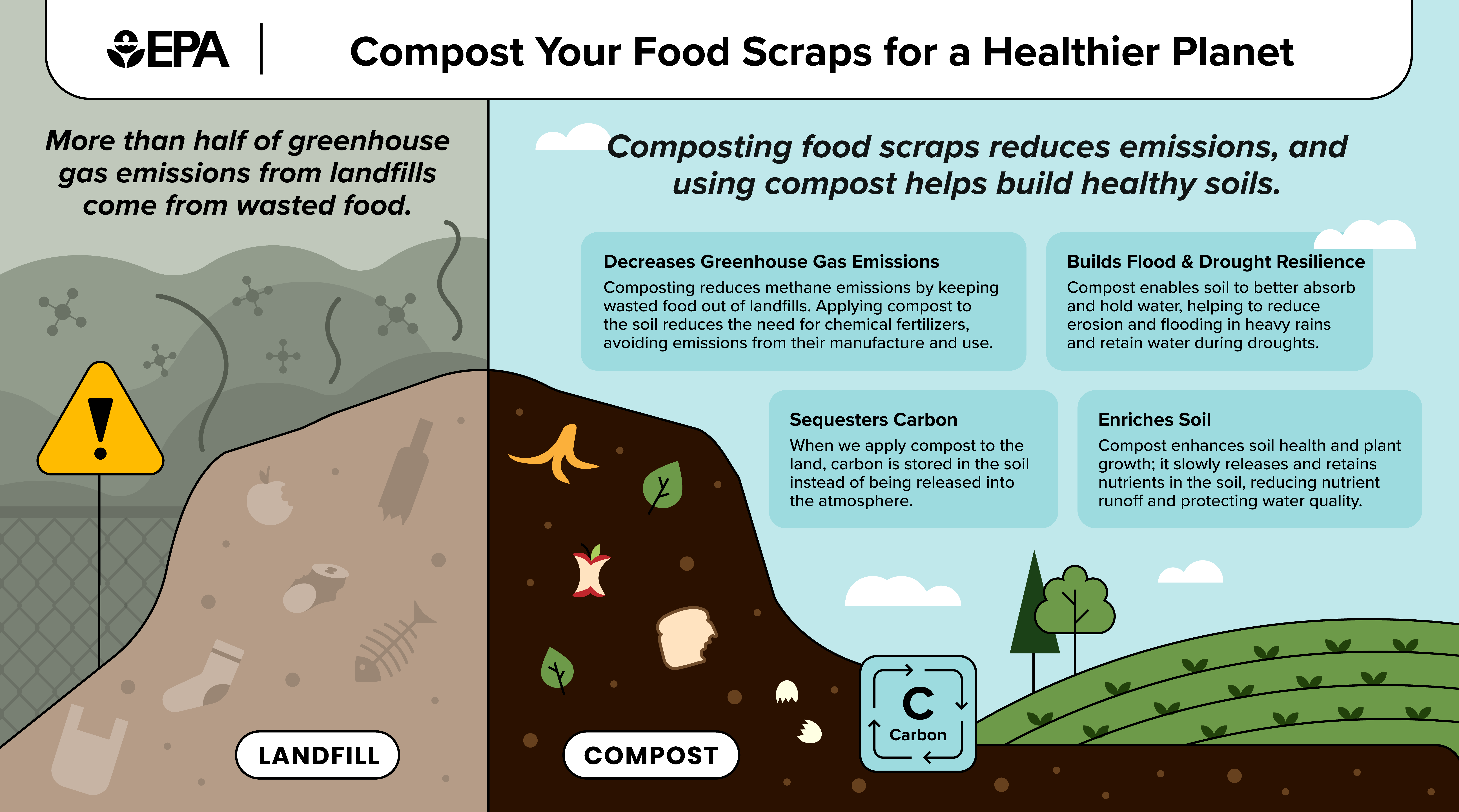
Compost can be either placed on top of the soil or mixed into the soil, depending on the intended use and the gardening practices being followed. Here are a few options for how to use compost effectively:
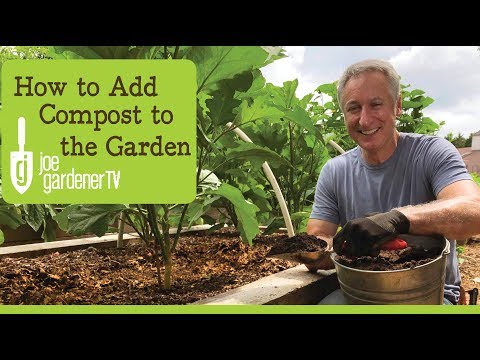
1. Top Dressing: Compost can serve as a top dressing that is spread over the surface of the soil. This method provides numerous benefits without disturbing the existing soil structure.
2. Soil Amendment: When compost is mixed into the soil, it enriches the existing soil and improves its texture, drainage, and nutrient content. This is particularly beneficial for garden beds and planting holes.
See also:
Benefits of Using Compost as a Top Dressing
Using compost as a top dressing offers various advantages for garden maintenance and plant health:
- Nutrient Boost: Provides essential nutrients to plants as it breaks down.
- Moisture Retention: Helps in retaining soil moisture, reducing the need for frequent watering.
- Weed Suppression: Acts as a barrier to prevent weed growth, minimizing competition for resources.
How to Incorporate Compost into Soil
Incorporating compost into the soil is a straightforward process that can significantly enhance soil quality:
- Digging In: Mix compost into the soil using a shovel or tiller to ensure even distribution.
- Ideal Depth: Aim for a depth of about 2-4 inches of compost mixed into the top layer of soil.
- Timing: Incorporate compost before planting to maximize its benefits to new plants.
The Role of Compost in Soil Health
Compost plays a crucial role in maintaining overall soil health and fertility:
- Microbial Activity: Increases the population of beneficial microorganisms that enhance soil fertility.
- Soil Structure: Improves soil aggregation, which boosts aeration and drainage.
- Nutrient Cycling: Facilitates the natural recycling of nutrients, making them more available to plants.
Compost Layering Techniques
When using compost, layering can also be an effective technique to maximize its benefits:
- Lasagna Gardening: Alternate layers of compost with brown and green materials to create a nutrient-rich bed.
- Sheet Composting: Spread compost directly on garden beds and let natural processes integrate it into the soil over time.
- In-Ground Composting: Bury compost in trenches within the garden to directly enrich the surrounding soil as it decomposes.
Common Mistakes in Compost Application
It's easy to make mistakes while applying compost that can hinder its benefits:
- Too Much at Once: Adding an excessive amount of compost can lead to nutrient imbalances.
- Neglecting the Soil: Failing to assess existing soil conditions before compost application can limit its effectiveness.
- Not Allowing Time to Decompose: Applying undecomposed compost can harm plants due to high nitrogen content and lack of nutrients.
Should you stir your compost?
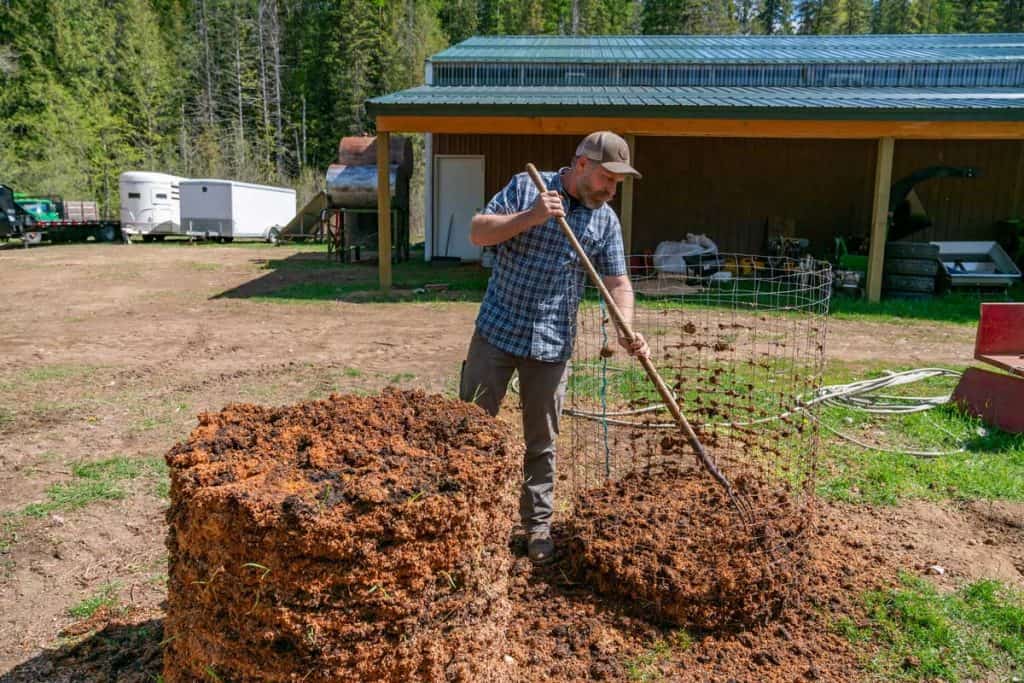
The answer is yes, but with some considerations. Stirring, or turning, your compost pile is essential for several reasons. It aerates the compost, allowing oxygen to reach the inside, which is crucial for the aerobic bacteria that break down the organic materials. These microorganisms help to speed up the decomposition process, resulting in rich compost more quickly. However, it’s important not to overdo it, as excessive stirring can disrupt the balance of materials in your pile and hinder the natural composting process.
Benefits of Stirring Your Compost
Stirring your compost has numerous benefits that contribute to a successful composting process:
- Aeration: Increasing oxygen levels supports aerobic bacteria, which break down materials faster.
- Speeding Up Decomposition: Regular turning can significantly reduce the time it takes for organic materials to break down.
- Even Mixing: Stirring helps to mix wet and dry materials, ensuring uniform decomposition.
When to Stir Your Compost
Knowing when to stir your compost is key to maximizing its effectiveness:
- Every Few Weeks: Turning your compost every 2-4 weeks typically yields the best results.
- When It Smells: If your compost emits a foul odor, it may need to be aerated to alleviate excess moisture and improve airflow.
- When It's Wet: If the pile is too wet, stirring it can redistribute moisture and help to promote proper breakdown.
How to Properly Stir Compost
Stirring compost should be done using the right techniques to ensure efficiency:
- Use a Pitchfork or Shovel: These tools help to turn and aerate the compost without damage.
- Turn From the Bottom: Start from the bottom and turn the pile to avoid compacting the top layers.
- Mix Thoroughly: Aim to evenly distribute materials to ensure uniform breakdown and mitigate hot spots.
Pitfalls of Over-Stirring Compost
While stirring is beneficial, over-stirring can lead to several issues:
See also:
- Compacting Bacteria: Excessive stirring may compact the materials, restricting oxygen flow.
- Disrupting Temperature: Frequent disturbance can lower the internal temperature necessary for effective composting.
- Separating Layers: It can disturb the balance of carbon-rich and nitrogen-rich materials, resulting in an inefficient composting process.
Alternative Methods to Improve Compost Aeration
If stirring isn't possible or convenient, there are other methods to improve aeration:
- Use Aeration Tools: Products like aeration pipes or compost aerators can help introduce oxygen without stirring.
- Chop Compost Materials: Smaller pieces break down faster and can allow for better airflow naturally.
- Add Bulky Materials: Incorporating dry twigs or straw can create air pockets, improving overall aeration.
Do I add top soil to a compost pile?
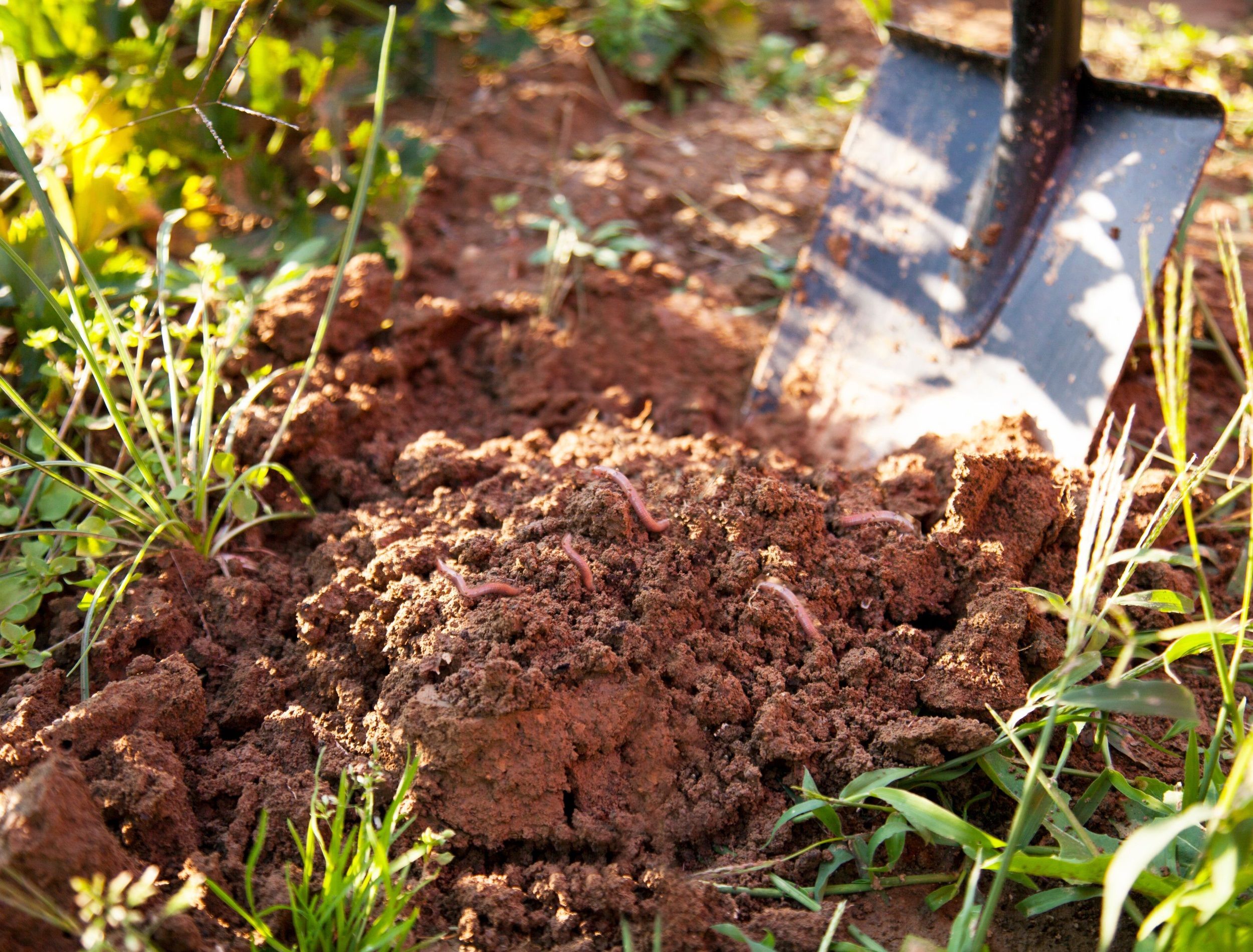
When considering whether to add topsoil to a compost pile, it is important to understand the role of topsoil versus compost in the gardening ecosystem. While it might be tempting to mix topsoil into your compost pile, it is generally not necessary or beneficial. Here’s a detailed examination of this topic.
Understanding Compost Components
Composting is a natural process that turns organic waste into valuable fertilizer rich in nutrients. The typical components of a compost pile include:
- Browns (carbon-rich materials like dry leaves, straw, and cardboard)
- Greens (nitrogen-rich materials such as food scraps, grass clippings, and manure)
- Moisture (water is necessary to facilitate decomposition)
Adding topsoil does not significantly enhance these components and can actually disrupt the balance needed for efficient composting.
Benefits of Not Adding Topsoil
Leaving topsoil out of your compost pile has several advantages:
- Prevents Contamination: Topsoil may contain weed seeds, pests, or diseases that can affect the quality of your compost.
- Mantains Aeration: Compost needs to retain good aeration to encourage microbial activity, which can be hindered by adding dense topsoil.
- Facilitates Decomposition: The microorganisms from food scraps and yard waste are more effective in breaking down materials without the interference from topsoil.
Ideal Use of Topsoil
While topsoil is not recommended for compost, it can be used effectively elsewhere:
- Garden Bed Preparation: Topsoil can be mixed into garden beds to improve soil structure and drainage.
- Planting: When planting new flowers or shrubs, adding topsoil can provide a nutrient-rich environment for roots.
- Topdressing: Applying a thin layer of topsoil on established gardens can support healthy plant growth without disrupting existing ecosystems.
Alternative Additives for Compost
If you're looking to enhance your compost pile, consider these alternatives:
- Compost Activators: Materials like aged manure or commercial compost starters can help speed up decomposition.
- Minerals: Adding ingredients like crushed eggshells or rock phosphate can provide essential minerals.
- Kitchen Scraps: Incorporating a variety of food scraps provides nutrients and helps maintain microbial diversity.
Best Practices for Composting
To ensure that your compost pile works effectively without topsoil, follow these best practices:
- Maintain Balance: Keep a good mix of browns and greens for optimal decomposition.
- Turn Regularly: Aerate your pile by turning it every few weeks to speed up the breakdown process.
- Monitor Moisture: Keep the pile moist but not soggy to help microorganisms thrive.
Questions from Our Readers
Should I mix the compost with soil or leave it on top?
It generally depends on your gardening goals. Mixing compost with soil can help to improve soil structure and increase nutrient availability, while leaving it on top can allow for a slow release of nutrients and help suppress weeds. Each method has its advantages and can be effective depending on your specific situation.
What are the benefits of mixing compost with soil?
Mixing compost with soil can lead to improved drainage, enhanced nutrient content, and better microbial activity in the soil. This method allows the compost to break down further and integrate with the soil, providing a solid foundation for plants to thrive.
See also:
What are the advantages of leaving compost on top of the soil?
Leaving compost on top of the soil acts as a natural mulch that helps retain moisture, regulate soil temperature, and suppress weeds. Additionally, as it breaks down over time, it will gradually nourish the plants and improve the soil structure.
Can I do both mixing and leaving compost on top?
Yes, you can combine both methods for the best results. Initially, you might mix compost into the soil to enrich it, and afterward, you can apply a layer of compost on top as a mulch. This approach allows for benefits from both methods, promoting healthy plant growth.
If you want to read more articles like Should I Mix the Compost with Soil or Leave on Top? Discover the Best Gardening Practices, we recommend you check out our Compost category.
Leave a Reply
Related Articles