Should I Loosen Plant Roots When Repotting? Essential Tips for Healthy Plants
Repotting plants can be a daunting task for many gardeners, especially when it comes to dealing with root systems. One common question that arises is whether to loosen plant roots during the repotting process. Proper root care is crucial for the overall health and growth of your plants. In this article, we will explore the reasons why you might want to loosen roots, the potential risks involved, and essential tips to ensure a successful repotting experience. By understanding the importance of root management, you can help your plants thrive in their new containers.
Should I Loosen Plant Roots When Repotting?
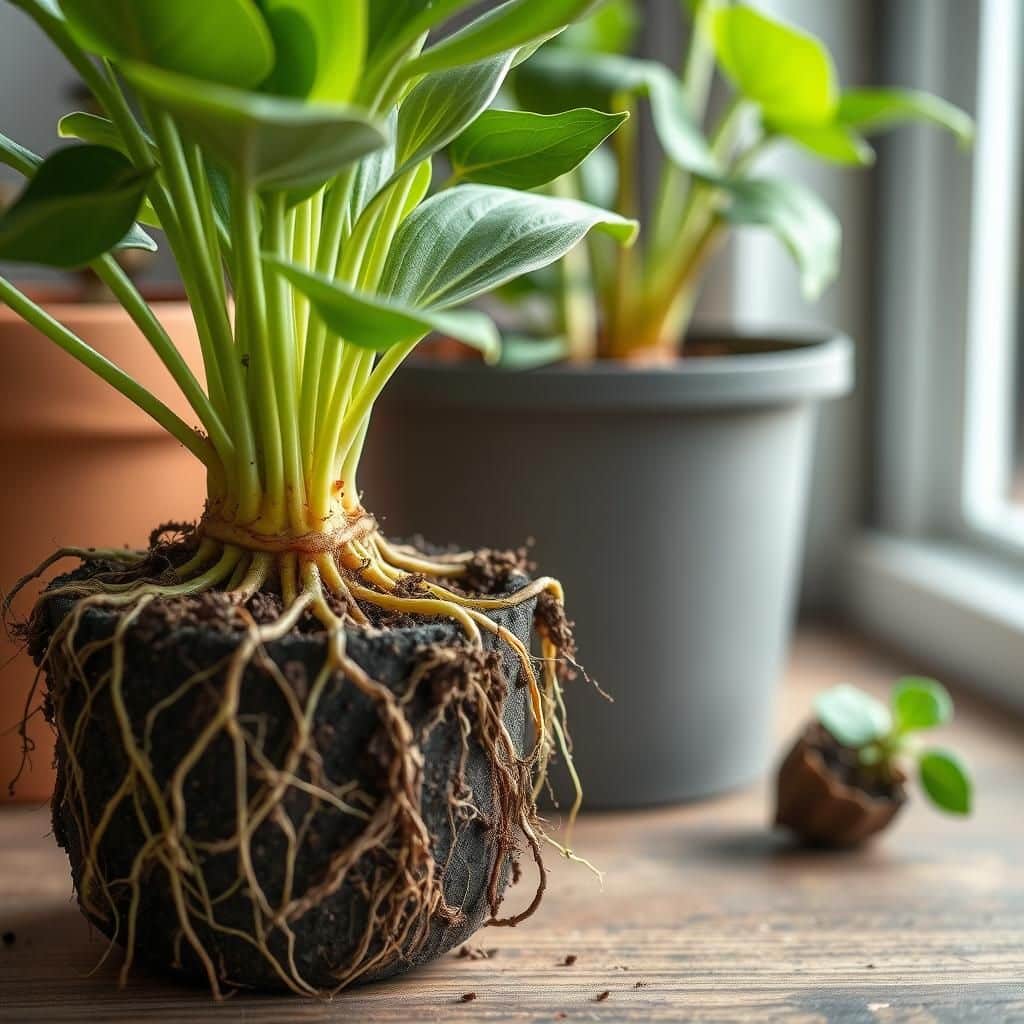
When repotting a plant, it is generally advisable to loosen the plant's roots to promote better growth and prevent root binding. This process allows the roots to spread out into the new potting mix, ensuring that the plant can access nutrients, water, and air more effectively. If the roots are tightly packed or circling the bottom of the root ball, gently teasing them apart can help them acclimate to their new environment. It is essential to approach this task with care to avoid damaging delicate root fibers; using your fingers or a soft tool can help facilitate this process without causing harm. Additionally, loosening the roots can aid in avoiding future problems, such as restricted growth or increased susceptibility to diseases.
Understanding Plant Root Systems
Plant root systems are diverse and vary significantly among species. Some plants develop a fibrous root system with numerous thin roots, while others produce a taproot that grows deep into the soil. Understanding the type of root system a plant has is crucial when repotting, as it influences how looseness should be approached. For example, plants with fibrous roots might require less aggressive loosening than those with established taproots. The distribution and depth of the roots also play a role in determining the plant's overall health and stability.
Signs Your Plant Needs Repotting
Recognizing when a plant needs repotting is key to its continued health. Common signs include stunted growth, visible root masses at the soil surface, or roots growing out of the drainage holes. If a plant is overgrown in its pot, this often indicates that the roots are congested and may need to be loosened during repotting. Additionally, if the soil dries out extremely quickly after watering, it may be a sign that the roots have outgrown the pot and are absorbing water excessively, necessitating a larger pot for ample room.
How to Loosen Roots Safely
When it comes to loosening roots, there are gentle techniques that can be employed to minimize damage. First, carefully remove the plant from its pot and inspect the roots. Use your fingers to gently tease apart any circling roots. For more stubborn root clusters, a clean, sharp knife or scissors can be used to make vertical cuts into the root ball. It's vital to avoid excessive force, as this can cause unnecessary harm. Always prioritize the health of the plant while making sure the roots have sufficient space to expand within the new container.
See also:
Benefits of Loosening Roots During Repotting
Loosening roots provides numerous benefits for the plant's health and development. First, it encourages new growth, as roots that are not constricted can spread into the new soil, which is often rich in nutrients. Additionally, loosening roots helps to alleviate compaction, allowing for improved air circulation and moisture retention in the soil. This healthy environment can also reduce the risk of root rot and other diseases associated with poor drainage. Overall, properly managing the root system during repotting aids in the long-term vitality of the plant.
Post-Repotting Care for Your Plant
After repotting and loosening the roots, proper care is essential to help the plant adjust to its new environment. Position the plant in a suitable location with indirect sunlight, and avoid fertilizing immediately, allowing the plant to recover. Water thoroughly to promote soil settlement and ensure that the roots establish contact with new soil. Monitoring for signs of stress, such as drooping leaves, will also be important in the weeks following repotting. With adequate care, the plant should thrive in its new pot.
| Aspect | Importance |
|---|---|
| Root Loosening | Promotes better nutrient uptake |
| Signs of Crowding | Indicates need for more space |
| Safe Techniques | Reduces risk of damage |
| Post-Care | Ensures plant acclimates well |
| Root Type | Affects repotting approach |
Understanding the Importance of Loosening Roots During Repotting
Loosening plant roots during repotting is crucial for promoting healthy growth and preventing root-bound conditions. When roots grow tightly in their original pot, they can restrict nutrient absorption and hinder overall plant development. By gently loosening the roots, you encourage them to spread out into the new soil, enhancing their access to water, air, and nutrients. This process not only fosters better growth after repotting but also helps mitigate shock and encourages a more robust root system.
Signs Your Plant Needs Repotting
Recognizing the signs that your plant is ready for repotting is essential for its health. Common indicators include visible root growth emerging from the drainage holes, soil that dries out too quickly, and stunted growth despite proper care. Additionally, yellowing leaves and a general decline in vitality can signal that the plant is root-bound, restricting its ability to thrive. Addressing these signs promptly can lead to a more successful and flourishing plant.
Techniques for Loosening Plant Roots
When it comes to loosening plant roots, various techniques can be employed. Start by gently removing the plant from its current pot, taking care not to damage the roots. You may use your fingers to untangle any tightly wound roots, or a clean, sharp tool to trim away overly long or damaged sections. It's important to be patient and gentle during this process to minimize stress on the plant while encouraging a healthy transition to the new pot.
See also:
The Benefits of Proper Soil Choice
Choosing the right type of soil for your repotted plant plays a significant role in root development. Proper soil should have good drainage capabilities while still retaining adequate moisture. A high-quality potting mix, often enriched with organic material or additional aerating agents, can provide the best environment for newly loosened roots to thrive. This balance helps prevent overwatering and promotes healthy, robust growth patterns in your plant.
Post-Repotting Care for Healthy Roots
After repotting and loosening the roots, it’s essential to provide proper post-repotting care. Keep the plant in a location with indirect sunlight to minimize stress and allow it to acclimate to its new environment. Regularly check the soil moisture, avoiding overwatering while ensuring the roots remain hydrated. Fertilizing too soon can also stress the plant, so it's often best to wait a few weeks before resuming a normal feeding schedule to give the roots time to recover from the transition.
Common Mistakes to Avoid When Repotting
Avoiding common mistakes during the repotting process can make a significant difference in the outcome. One frequent error is repotting too frequently, which can cause stress and disturb the roots excessively. Another common issue is using a pot that is too large, which can lead to overwatering and potential root rot. Additionally, neglecting to loosen the roots can result in them continuing to grow in circles, leading to future complications. Being aware of these pitfalls can lead to a much healthier plant in the long run.
Questions from Our Readers
Should I loosen plant roots when repotting?
Yes, it is generally advisable to loosen plant roots when repotting. This helps to stimulate new root growth and allows the plant to better absorb nutrients and water in its new environment. Gently untangling any circling roots can prevent future problems and promote a healthier plant.
What tools should I use to loosen the roots?
To loosen the roots effectively, you can use your hands or a pair of sharp scissors or a root pruner. If the roots are very dense or tangled, a stiff fork or knife can also be helpful in gently prying them apart without damaging them.
See also:
How much should I loosen the roots?
You should loosen the roots just enough to separate them without causing excessive stress or damage. Aim to break up any tightly bound roots and remove any dead or rotting portions, but avoid excessive handling that could harm the healthy roots.
Can loosening roots harm the plant?
Loosening roots can be stressful for the plant, but if done carefully, the benefits often outweigh the risks. Ensure you are gentle and minimal in your approach, as significant damage to the roots can lead to transplant shock or hinder the plant's recovery process.
If you want to read more articles like Should I Loosen Plant Roots When Repotting? Essential Tips for Healthy Plants, we recommend you check out our Pots category.
Leave a Reply
Related Articles