Should I Line My Raised Garden Bed With Plastic? Pros, Cons, and Best Practices
When setting up a raised garden bed, one question that often arises is whether to line it with plastic. This decision can have significant implications for the health of your plants and the longevity of your garden structure. In this article, we will explore the pros and cons of using plastic liners in raised garden beds. We will discuss how plastic can affect drainage, soil health, and pests, as well as alternative methods and best practices for creating a thriving garden. Whether you're a seasoned gardener or a beginner, understanding these factors will help you make an informed choice.
Should I Line My Raised Garden Bed with Plastic?
Lining a raised garden bed with plastic can be a controversial topic among gardeners. On one hand, it can help to retain moisture and protect the soil from pests, while on the other hand, it may lead to drainage issues and root rot due to poor water flow. Using a plastic liner can also create a barrier that prevents beneficial microbes from interacting with the soil. Therefore, it is important to consider the specific conditions of your garden, the types of plants you are growing, and the overall goals of your garden before deciding whether or not to use plastic in your raised garden bed.
Benefits of Lining with Plastic
One of the primary benefits of lining a raised garden bed with plastic is the ability to retain moisture, which can be particularly advantageous in primarily dry regions or during hot weather. This moisture retention can reduce the frequency of watering, allowing for a more sustainable gardening practice. Additionally, a plastic liner can act as a barrier against weeds and some pests, helping to keep your plants healthy and allowing them to thrive without the pressure of competition for nutrients and space.
Potential Drawbacks
While lining with plastic has its benefits, it also comes with potential drawbacks. One significant issue is the risk of poor drainage, which can lead to an accumulation of water and ultimately drown plant roots. Furthermore, plastic can create a sterile environment, hindering essential microorganisms and earthworms that contribute to soil health. If the plastic is not properly ventilated or if it degrades over time, it may pose additional problems by releasing harmful chemicals into the soil.
Alternative Materials
Instead of using plastic, gardeners might consider alternative materials such as landscape fabric or cardboard, which allow water to drain while suppressing weeds. These materials can break down over time, enriching the soil rather than leaching chemicals. Moreover, natural materials can ensure a balanced ecosystem, helping to promote biodiversity by providing habitats for beneficial insects and microorganisms.
Types of Plants Affected
The decision to line a raised garden bed with plastic can significantly affect the types of plants you choose to grow. Root vegetables like carrots and potatoes may struggle in overly moist conditions if drainage is compromised. Conversely, water-loving plants like squash and cucumbers might benefit from the moisture retention capabilities of a lined bed. Understanding the specific needs of each plant type can help you make an informed decision about whether to use a liner.
Gardening in Different Climates
The climate in which you are gardening can greatly influence whether lining your raised bed with plastic is a wise choice. In arid regions, the moisture retention benefit becomes more important, while in humid climates, the risk of excess moisture and root rot may outweigh the benefits. Conducting a soil moisture test and paying attention to the local climate patterns can provide valuable insights as you weigh your options regarding garden bed lining.
| Factor | Plastic Liner | No Liner |
|---|---|---|
| Moisture Retention | High | Medium |
| Weed Suppression | Medium | Low |
| Drainage | Poor | Good |
| Soil Health | Poor | Good |
| Cost | Moderate | Low |
Do you have to line raised beds with plastic?

Whether or not to line raised beds with plastic is a topic of debate among gardeners. In general, lining raised beds with plastic is not strictly necessary, but there are several considerations that may influence your decision. Here are some factors to think about:
Benefits of Lining Raised Beds with Plastic
Lining raised beds with plastic offers several advantages that can aid in gardening.
See also:
- Weed Control: A plastic liner can help block weeds from beneath the bed, reducing competition for nutrients.
- Moisture Retention: It can help retain moisture in the soil, preventing evaporation and maintaining consistent watering.
- Soil Separation: It provides a barrier that prevents soil from mixing with the ground below, which can be helpful in preserving soil quality.
Drawbacks of Using Plastic in Raised Beds
While there are benefits, there are also notable disadvantages to consider when using plastic liners.
- Drainage Issues: Plastic can hinder proper drainage, which might lead to waterlogged soil and root rot.
- Soil Health: It may impede beneficial organisms like earthworms from entering the bed and enriching the soil.
- Temperature Fluctuations: Plastic can retain heat excessively, which might negatively affect plant growth, especially in hot seasons.
Alternatives to Plastic Liners
If you decide against using plastic, there are several alternative materials that can still provide benefits without the downsides of plastic.
- Landscape Fabric: This breathable material allows water and air to pass through while blocking weeds.
- Cardboard or Newspaper: Layering these materials at the bottom can help suppress weeds and decompose, enriching the soil over time.
- Natural Mulches: Using organic mulches can offer weed control while retaining moisture without the use of synthetic materials.
When it is Recommended to Use Plastic
There are certain circumstances in which lining with plastic may be beneficial for specific types of raised beds.
- When Growing Perennials: If planning to grow perennial plants that need consistent conditions, plastic can help maintain soil integrity.
- In Areas with High Weed Pressure: In regions where weeds are particularly aggressive, plastic can serve as a strong barrier.
- For Certain Vegetables: For crops that need more moisture retention, such as tomatoes and cucumbers, using plastic may be helpful.
Best Practices for Lining Raised Beds with Plastic
If you choose to use plastic, following some best practices can enhance its effectiveness while minimizing drawbacks.
- Choose Perforated Plastic: Using a perforated plastic can allow for drainage while keeping some benefits of a liner.
- Leave Sufficient Space: Ensure there’s enough space between the soil and the plastic to prevent water accumulation and root suffocation.
- Monitor Soil Moisture: Regularly check the moisture level to avoid excessive watering that could lead to root issues.
Is plastic good for raised garden beds?
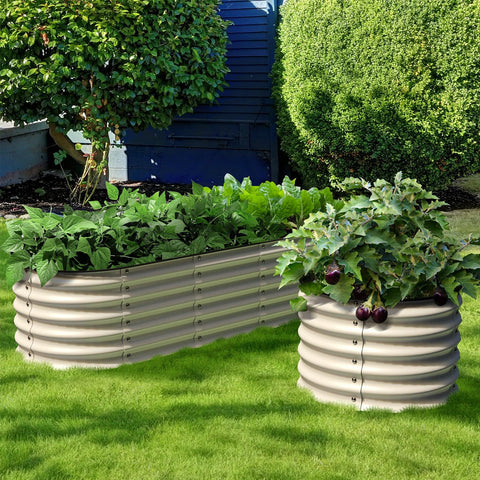
Plastic is a material that has both advantages and disadvantages when used for raised garden beds. One of the primary benefits of using plastic is its durability. Unlike wood, plastic does not rot, warp, or succumb to pests, making it a long-lasting option. Additionally, plastic can be easier to clean and maintain, providing a less labor-intensive gardening experience. However, there are also some environmental concerns associated with plastic use, such as its production process and its inability to degrade naturally. Ultimately, the choice of plastic for raised garden beds will depend on individual preferences and gardening goals.
Benefits of Using Plastic in Raised Garden Beds
Using plastic for raised garden beds offers several significant benefits, including:
- Longevity: Plastic materials are resistant to weather conditions, ensuring that your garden beds won't deteriorate over time.
- Resistance to Pests: Since plastic does not decompose, it is less likely to attract pests like termites or ants.
- Lightweight: Plastic raised beds are easier to move around than those made of heavier materials like wood or metal.
Types of Plastic Suitable for Raised Garden Beds
Not all types of plastic are suitable for gardening applications. It's essential to consider:
- HDPE (High-Density Polyethylene): This type is often used for food containers and is known for its chemical resistance and durability.
- Recycled Plastics: Many garden suppliers offer raised beds made from recycled plastic, which can be an eco-friendly option.
- Low-Density Polyethylene: Commonly used for garden pathways and liners but may not be as durable as HDPE.
Environmental Considerations
While plastic offers many advantages, there are important environmental considerations to keep in mind:
- Production Impact: The production of plastic involves fossil fuels, leading to greenhouse gas emissions.
- Non-Biodegradable: Plastics can take hundreds of years to decompose, contributing to landfill waste.
- Recycling Challenges: Not all plastics are recyclable, and those that are may not be processed efficiently.
Alternatives to Plastic Raised Garden Beds
If you are concerned about using plastic, there are several alternatives to consider:
See also:
- Wood: Untreated wood can be a natural option, but it may require replacement over time.
- Metal: Galvanized steel provides durability and a modern look but may conduct heat.
- Stone or Brick: These materials offer longevity and aesthetics but can be labor-intensive to install.
Maintenance Tips for Plastic Raised Garden Beds
To keep plastic raised beds in optimal condition, consider the following maintenance tips:
- Regular Cleaning: Clean the beds with mild soap and water to prevent soil buildup and algae growth.
- Check for Cracks: Inspect regularly for damage and address any cracks or weaknesses immediately.
- Manage Temperature: Plastic can heat up quickly in the sun, affecting soil temperature; consider shading options.
What is the best liner for a raised bed?

The best liner for a raised bed can significantly influence the growth and health of your plants. It serves multiple purposes, such as preventing soil erosion, protecting plant roots from pests, and aiding in moisture retention. One of the commonly recommended materials for raised bed liners is landscape fabric or geotextile fabric. This material allows water to drain while keeping soil in place and preventing weed growth.
Benefits of Using a Raised Bed Liner
Using a raised bed liner has several advantages that contribute to better plant growth and lower maintenance.
- Improved Drainage: A liner facilitates effective water drainage, preventing root rot and promoting healthy growth.
- Weed Suppression: It acts as a barrier to weeds, reducing competition for nutrients and resources.
- Pest Protection: A liner can deter certain pests from reaching plant roots.
Types of Liner Materials
There are various materials available for raised bed liners, each with its unique properties and benefits.
- Landscape Fabric: Durable and permeable, it allows water and nutrients to pass through while blocking weeds.
- Old Carpet: An eco-friendly option, it can effectively suppress weeds, although it may break down over time.
- Plastic Liners: While they may seem appealing, these can cause drainage issues if not carefully installed.
Installation Tips for Raised Bed Liners
Proper installation is crucial for the performance and longevity of your raised bed liner.
- Measure Accurately: Ensure that the liner fits well within the frame to prevent soil spillage.
- Overlap Edges: If using multiple pieces, make sure to overlap the edges to minimize gaps where weeds can grow.
- Secure the Liner: Use landscape staples or wooden stakes to secure the liner in place, preventing movement and shifting.
How to Choose the Right Liner
Choosing the right liner involves considering the specific needs of your plants and the condition of your soil.
- Soil Type: Sandy soils may require different liners compared to clay soils for optimal moisture retention.
- Plant Types: Some plants have specific root requirements which may dictate the choice of liner material.
- Budget Considerations: Evaluate the cost of materials vs. their lifespan and effectiveness.
Maintenance of Raised Bed Liners
Once you have installed your raised bed liner, ongoing maintenance is essential for it to serve its purpose effectively.
- Inspection: Regularly check for wear and tear, replacing any damaged sections as needed.
- Soil Replacement: Over time, the soil may need replenishing, so be cautious when removing soil to avoid damaging the liner.
- Weed Control: Inspect the liner and surrounding areas for any signs of weed growth that need to be addressed promptly.
Questions from Our Readers
Should I line my raised garden bed with plastic?
It's generally not recommended to line your raised garden bed with plastic, as it can prevent drainage and lead to waterlogged soil. Instead, consider using materials that allow for proper water flow while still providing some protection from pests.
What materials can be used to line a raised garden bed?
Instead of plastic, you can use landscape fabric, cardboard, or even straw to line the bottom of your raised garden bed. These materials help with weed prevention and allow for adequate drainage while promoting healthy soil development.
See also:
Will using plastic affect my plants?
Yes, using plastic can negatively affect your plants by creating a water barrier that restricts their access to necessary moisture and oxygen. This can result in stunted growth and even plant death if the roots don't receive adequate air circulation.
Can I use plastic for certain types of plants?
While it is possible to use plastic in some specific scenarios, such as for annuals that require a controlled environment, it is still best to avoid it for most garden beds. Most plants prefer a natural soil environment that allows for water movement and nutrient absorption without restriction.

If you want to read more articles like Should I Line My Raised Garden Bed With Plastic? Pros, Cons, and Best Practices, we recommend you check out our Planter category.
Leave a Reply
Related Articles