Should I Drill Holes in the Bottom of a Planter? Understanding Drainage for Healthy Plants
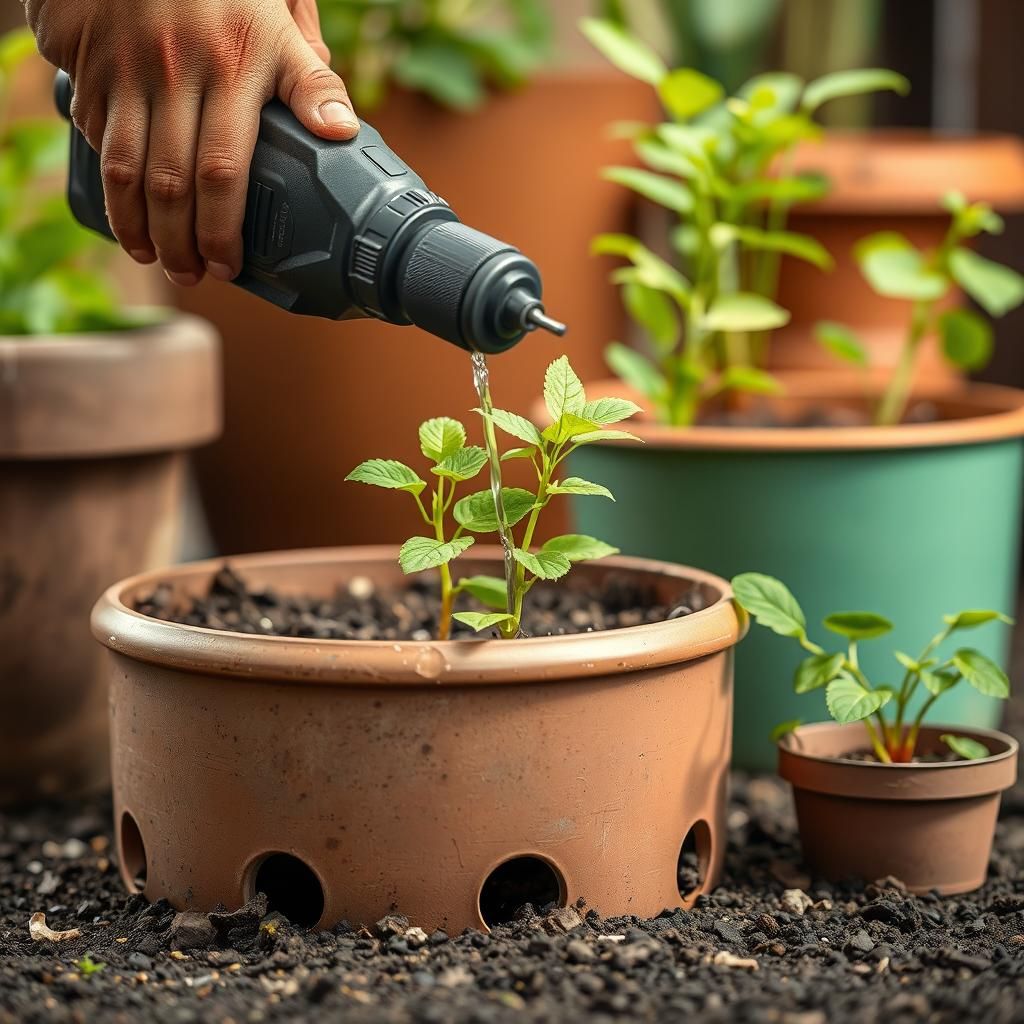
When it comes to gardening, proper drainage is a crucial factor in ensuring the health of your plants. Many novice gardeners wonder if drilling holes in the bottom of their planters is necessary for optimal growth. Understanding the role of drainage can help you make informed decisions about your planting strategy. This article delves into the importance of drainage in container gardening, the potential risks of waterlogged soil, and practical tips for creating the ideal environment for your plants. By exploring these aspects, you can enhance your gardening techniques and foster thriving greenery in your home or garden.
Should You Drill Holes in the Bottom of a Planter?
Drilling holes in the bottom of a planter is crucial for ensuring proper drainage and preventing root rot, which can occur when excess water accumulates in the soil. Without these holes, the roots of the plants can suffocate and die due to a lack of oxygen and the presence of stagnant water, leading to poor plant health. Ideally, every container should have drainage holes to maintain a healthy environment for the plants by allowing excess moisture to escape. If you're concerned about soil loss while drilling holes, consider placing a piece of landscape fabric over the holes to prevent soil from washing out while still permitting water to drain freely.
Benefits of Drilling Drainage Holes
One of the primary benefits of drilling drainage holes in your planter is to promote healthy root systems. When water can escape, it prevents the soil from becoming overly saturated, which can lead to fungus and disease in the plants. Additionally, adequate drainage helps maintain a balance of air and moisture that is essential for the overall vitality of your plants. This simple action can significantly enhance plant growth and longevity.
What Happens if You Don’t Drill Holes?
If you fail to drill holes in your planter, the consequences can be dire for your plants. The absence of drainage leads to waterlogging, which can suffocate the roots and create an ideal environment for pathogen growth. Over time, this mismanagement can result in yellowing leaves, wilting, and eventually the death of the plant. Therefore, ensuring proper drainage is essential for the survival and health of any indoor or outdoor garden.
How to Properly Drill Holes
Drilling holes in planters can be done with relative ease, but it’s important to do it right to avoid damage. Using a power drill with the correct bit size is essential; typically, 1/4 inch to 1/2 inch holes are sufficient for effective drainage. Start by marking the spots on the bottom of the planter where you want to drill, and then carefully create holes, ensuring you do not compromise the structural integrity of the material, whether it’s ceramic, plastic, or wood.
See also:
Alternatives to Drilling Holes
For those who are reluctant to drill holes due to aesthetic concerns or the type of material, there are viable alternatives. Using self-watering planters, which feature a reservoir system, can be beneficial. Additionally, placing a layer of gravel or rock at the bottom of the planter can facilitate drainage without the need for holes. These methods can provide a buffer for excess water while still helping to maintain moisture levels for the plants.
Maintenance Tips for Planters with Drainage Holes
Once you’ve drilled holes in your planter, proper maintenance is key to keeping your plants healthy. Regularly check the holes to ensure they’re not blocked by soil or debris. During watering, pay attention to how quickly the water drains—if it’s too slow, you may need to repot the plants or adjust the soil. Additionally, consider using a well-draining potting mix to further improve drainage and reduce the risk of water retention.
| Aspect | Importance |
|---|---|
| Drainage Holes | Prevent root rot |
| Water Levels | Maintain plant health |
| Soil Type | Enhance drainage |
| Maintenance | Ensure proper function |
| Alternative Methods | Offer aesthetic options |
The Importance of Proper Drainage in Planters
Proper drainage is crucial for the health of your plants, as it allows excess water to escape and prevents the roots from sitting in saturated soil, which can lead to root rot and other issues. When considering whether to drill holes in the bottom of a planter, it’s essential to understand that most plants thrive in well-drained environments. Adequate drainage not only helps avoid overwatering but also promotes healthy aeration of the soil, allowing roots to absorb nutrients efficiently.
Signs That Your Planter May Need Drainage Holes
If you notice waterlogged soil or an unpleasant smell coming from your planter, these are clear signs that your container is not providing adequate drainage. Additionally, if your plants are showing signs of stress, such as yellowing leaves or wilting despite regular watering, it may indicate that they are sitting in too much moisture. Ensuring that your planter has proper drainage holes can help alleviate these problems, promoting a healthier growing environment for your plants.
How to Drill Holes in Different Types of Planters
Drilling holes in planters can vary based on the material they are made from. For plastic and wood planters, a standard drill with a suitable drill bit will work effectively. When it comes to ceramic or terracotta pots, it’s crucial to use a glass or masonry bit to prevent cracking. Always ensure that you're taking safety precautions, such as wearing goggles, to protect your eyes from debris while drilling.
See also:
Choosing the Right Planter for Optimal Drainage
Selecting the right planter is essential for ensuring optimal drainage. Terracotta and ceramic pots are often preferred for their natural breathability, which allows moisture to evaporate more easily. On the other hand, plastic containers may not provide the same evaporation benefits, so it's crucial to assess the specific plant's needs before making a decision. Opting for planters with built-in drainage systems can also mitigate potential moisture-related issues.
Common Myths About Plant Drainage
There are several myths surrounding plant drainage that can lead to confusion for gardeners. One common misconception is that adding materials like rocks or gravel at the bottom of a pot improves drainage when, in fact, it can cause a phenomenon known as perched water that leads to root rot. Understanding the science behind how water behaves in soil can help debunk these myths and guide you towards making better decisions for your plants.
Managing Watering Practices with Drainage in Mind
Even with perfectly drilled holes, it's vital to manage your watering practices effectively. Overwatering can still occur if you're not attentive to each plant's individual needs, based on their species and growing conditions. When planning your watering schedule, consider factors like humidity, temperature, and the size of the planter, ensuring that your plants receive the right amount of moisture while relying on proper drainage to keep their roots healthy and thriving.
Questions from Our Readers
Should I drill holes in the bottom of a planter?
Yes, it is generally advisable to drill holes in the bottom of a planter to ensure proper drainage. Without drainage holes, excess water can accumulate, leading to root rot and other issues that can harm your plants.
What size should the drainage holes be?
The size of the drainage holes can vary, but they should typically be around 1/4 inch to 1/2 inch in diameter. This size allows for adequate drainage while preventing soil from washing out of the planter.
See also:
Can I use a planter without drainage holes?
While it's possible to use a planter without drainage holes, it increases the risk of overwatering and can lead to poor plant health. If you choose this option, be cautious with your watering practices and consider using a soil mix designed for low moisture retention.
How do I drill holes in a planter?
To drill holes in a planter, use a power drill with a suitable drill bit, typically a masonry bit for ceramic or plastic planters. Make sure to secure the planter and drill slowly to prevent cracking or damaging the material.

If you want to read more articles like Should I Drill Holes in the Bottom of a Planter? Understanding Drainage for Healthy Plants, we recommend you check out our Planter category.
Leave a Reply
Related Articles