Should I Cut Off Hydrangea Flowers After Dead? Expert Tips for Pruning Hydrangeas
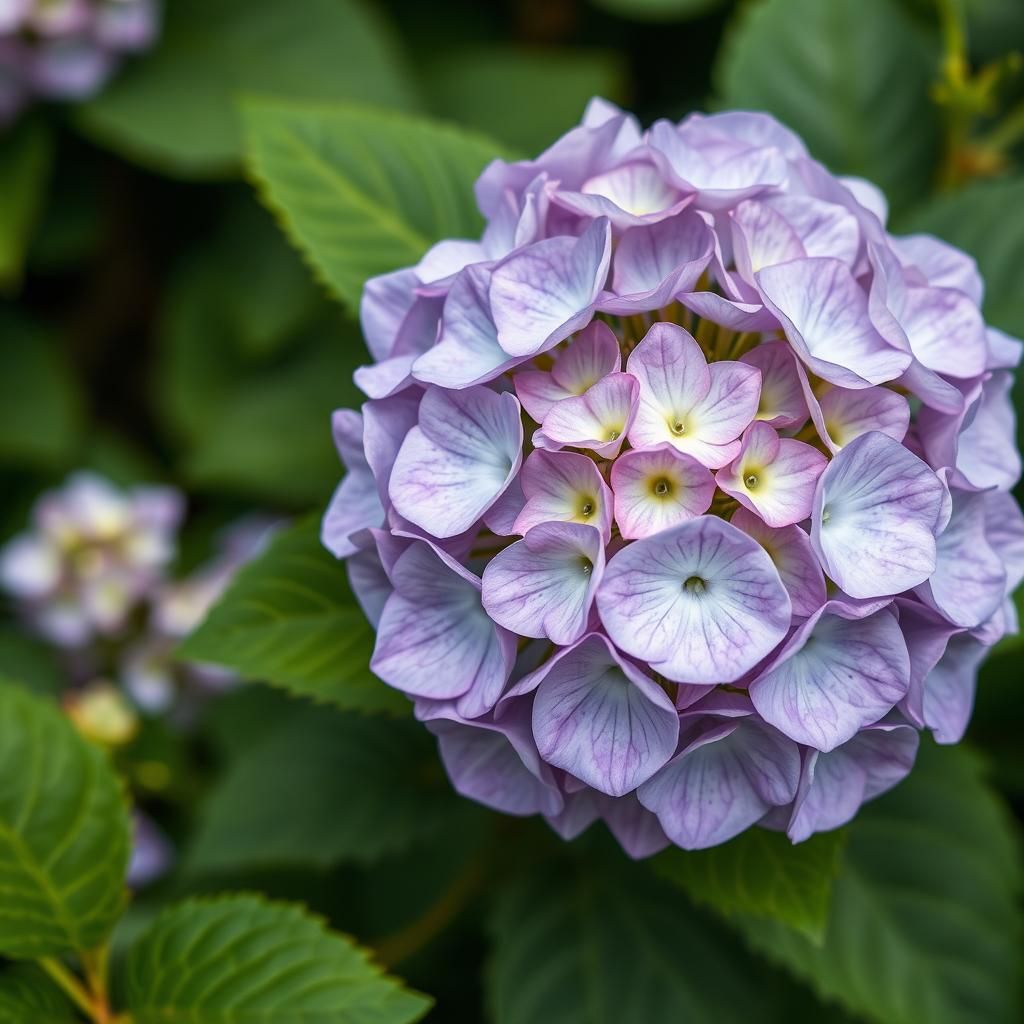
Hydrangeas are beloved for their lush blooms and vibrant colors, but proper care is essential to maintain their beauty. One common question among gardeners is whether to cut off dead hydrangea flowers. Pruning can significantly impact the plant's health and flowering potential. In this article, we will explore the reasons behind deadheading hydrangeas, the best practices for pruning, and expert tips to enhance your hydrangea season. Whether you're aiming for a tidy garden or fostering robust blooms, understanding the nuances of hydrangea care will help you make informed decisions. Embrace the art of pruning for a flourishing display!
Should I Cut Off Dead Hydrangea Flowers?
When hydrangea flowers die, the decision to cut them off depends on several factors, including the type of hydrangea and your landscape preferences. Generally, it is advisable to prune the dead blooms to enhance the plant's appearance and promote new growth. However, leaving the dried flowers can provide winter interest and serve as a protective shelter for the plant. Additionally, some species of hydrangeas bloom on old wood, so it is crucial to understand the specific variety you have to avoid disrupting potential flowering in the following season.
Types of Hydrangeas and Their Pruning Needs
The pruning needs of hydrangeas vary significantly among the different species. For instance, macrophylla and paniculata hydrangeas benefit from pruning after blooming, while arborescens typically may require cutting back in early spring. Understanding the specific type of hydrangea you own is essential for making informed decisions about whether to remove dead blooms.
Benefits of Removing Dead Blooms
Removing dead blooms can be beneficial for the overall health and appearance of the hydrangea. It prevents potential disease and pest infestations and encourages the plant to allocate its energy to producing new buds. This practice can also promote a tidier landscape, keeping your garden visually appealing throughout the growing season.
Potential Downsides of Cutting Dead Flowers
While there are many benefits to removing dead blooms, one potential downside is that pruning too early can interfere with the flowering cycle of next season's blooms, especially if you have a type that flowers on old wood. Removing the dead flowers too soon can lead to a lack of blooms or fewer flowers the following year, which can be disappointing for those looking to enjoy abundant blooms.
Seasonal Considerations for Pruning
The best time to prune hydrangeas can vary according to their type, but generally, late winter or early spring is ideal for many varieties. This timing allows you to see the plant's structure without the obstruction of leaves and will help you determine which branches are dead or dying. Weather conditions, such as late frosts, should also be considered when timing your cuts.
How to Properly Prune Hydrangeas
To effectively prune hydrangeas, begin by using clean, sharp pruners to avoid damaging the plant. You should look for dead or damaged wood and cut it back to just above a healthy node. Keep in mind the specific pruning needs of your hydrangea type, as improper cuts can lead to undesirable results. Always prune cautiously to maintain the overall shape and health of the plant.
| Hydrangea Type | Best Pruning Time | Flowering on |
|---|---|---|
| Macrophylla | After blooming | Old wood |
| Paniculata | Late winter/early spring | New wood |
| Arborescens | Early spring | New wood |
| Oid | After blooming | Old wood |
Should you leave dead flowers on hydrangeas?

The question of whether to leave dead flowers on hydrangeas involves various considerations regarding the plant's health and aesthetic appeal. Generally, dead flowers, or spent blooms, can be left on hydrangeas, but there are several factors to weigh.
Benefits of Leaving Dead Flowers on Hydrangeas
Leaving dead flowers on hydrangeas can offer several benefits:
See also:
- Protect from Frost: The dead blooms can serve as insulation, helping to protect the new growth from damaging frost.
- Natural Look: Some gardeners prefer the look of hydrangeas with dead flowers as it provides a natural and rustic aesthetic throughout the winter months.
- Seed Formation: Leaving the blooms can allow the plant to produce seeds, which can be beneficial for encouraging natural propagation in the garden.
Drawbacks of Leaving Dead Flowers on Hydrangeas
Despite the benefits, there are also drawbacks to consider:
- Pest Attraction: Dead flowers might attract pests or diseases, which could harm your hydrangea in the long run.
- Overall Appearance: Some gardeners find dead blooms unattractive and may prefer to keep their gardens tidy.
- Reduced Air Circulation: Leaving spent flowers might impede air circulation around the plant, creating conditions that promote fungal diseases.
When to Prune Dead Flowers from Hydrangeas
The timing of pruning can affect the health of your hydrangeas:
- Post-Bloom Care: It is often recommended to prune dead flowers late in the winter or early spring before new growth begins.
- After Blooming Season: For certain varieties, such as macrophyllas, pruning should happen shortly after blooming to promote better flowers in the coming season.
- Health Check: Always check for any signs of disease before deciding to prune; if the dead blooms show signs of rot, it’s best to remove them promptly.
How to Properly Remove Dead Flowers from Hydrangeas
If you decide to remove the dead flowers, follow these steps:
- Use Clean Tools: Always use clean and sharp pruning shears to minimize the risk of spreading disease.
- Cut Strategically: Remove the dead blooms right above the first healthy leaf or bud, which encourages healthy growth.
- Dispose Properly: Dispose of the dead flowers properly to avoid attracting any pests or diseases back to the plant.
Hydrangea Varieties and Their Pruning Needs
Different hydrangea varieties have unique pruning needs:
- Hydrangea macrophylla: This variety generally benefits from early spring pruning, right after blooming, ensuring vibrant flowers.
- Hydrangea paniculata: Can be pruned in late winter, allowing for fresh blooms in the summer.
- Hydrangea arborescens: This type can be cut back to the ground in early spring, promoting new growth and flowers.
What is the 1 3 rule for hydrangeas?

The 1-3 Rule for hydrangeas is a simple guideline that assists gardeners in understanding how to prune these beautiful flowering shrubs effectively. This rule specifies that when pruning, one should remove one-third of the total length of the branches from the previous year’s growth. This helps promote healthy growth while ensuring a beautiful bloom for the following season. Here’s a detailed exploration of the rule and its associated aspects.
Understanding the 1-3 Rule
The 1-3 Rule is aimed at maintaining the health and vigor of hydrangeas. It explains how much of the previous year's growth should be pruned to encourage better flowering:
- Identify the branches that bloomed last summer.
- Measure and prune one-third of their length back.
- This allows the plant to focus its energy on new, fresh growth for the upcoming flowering season.
Benefits of Following the 1-3 Rule
Following the 1-3 Rule provides several benefits that can enhance the overall health and appearance of hydrangeas:
- Encourages abundant flowering by directing resources to healthy new growth.
- Helps in maintaining the desired size and shape of the plant.
- Reduces the risk of disease by removing older, potentially weakened branches.
When to Apply the 1-3 Rule
Timing is crucial for implementing the 1-3 Rule effectively. Here are the best practices for when to prune:
- Prune in late winter or early spring, just before new growth begins.
- Avoid pruning in fall to prevent damage from winter weather.
- If the hydrangea flowers on old wood (like Hydrangea macrophylla), be cautious with the timing.
Common Mistakes to Avoid
While implementing the 1-3 Rule, it’s important to avoid common mistakes that can hinder the health of hydrangeas:
See also:
- Not recognizing the type of hydrangea before pruning.
- Pruning too much at once, which can shock the plant.
- Forgetting to remove dead or diseased branches, which can affect overall health.
Types of Hydrangeas and the 1-3 Rule
Different types of hydrangeas require different pruning techniques, even within the context of the 1-3 Rule. Here’s a breakdown:
- Hydrangea macrophylla: Generally requires pruning based on flower type (old or new wood).
- Hydrangea paniculata: Can be pruned more aggressively and benefits greatly from the 1-3 Rule.
- Hydrangea arborescens: This type thrives when pruned back significantly in early spring.
Should hydrangeas be cut back after blooming?
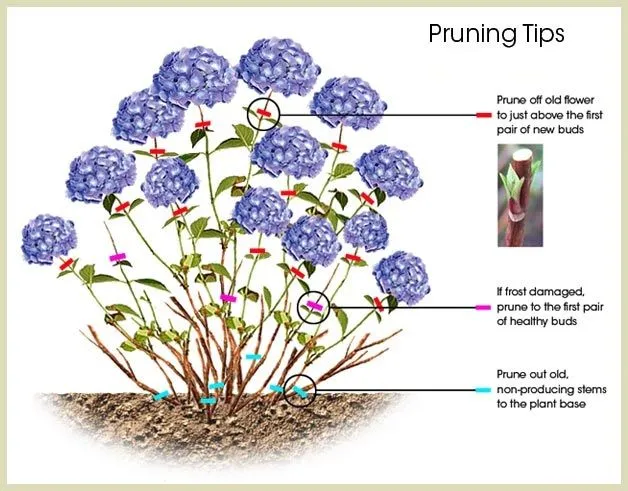
Cutting back hydrangeas after blooming can vary depending on the species of hydrangea you are dealing with. Some types benefit from pruning, while others do not require it. Generally, hydrangeas can be categorized into two main groups: those that bloom on old wood and those that bloom on new wood. Understanding when and how to prune can help ensure that your hydrangeas remain healthy and vibrant.
Understanding the Different Types of Hydrangeas
Hydrangeas are categorized mainly into two types based on their flowering habits. Recognizing the type will guide you in choosing whether to cut them back after blooming.
- Hydrangea macrophylla (Mophead and Lacecap): These bloom on old wood and should be pruned right after their blooms fade to avoid cutting off next year's blooms.
- Hydrangea paniculata (Panicle): This variety blooms on new wood and can be pruned in late winter or early spring before new growth begins.
- Hydrangea quercifolia (Oakleaf): Similar to the macrophylla, this type blooms on old wood and should be pruned right after the flowering period to maintain healthy growth for the following year.
Timing of Pruning Hydrangeas
The timing of when to prune your hydrangeas is crucial for their health and blooming capacity.
- For those that bloom on old wood, prune immediately after their blooms wilt. This helps avoid removing the future blooms.
- For hydrangeas that bloom on new wood, waiting until late winter or early spring allows you to shape the plant and encourages vigorous growth.
- Understanding your local climate and the specific needs of your type can also affect the timing of your pruning for optimal blooms.
The Benefits of Pruning Hydrangeas
Pruning hydrangeas can provide several benefits that contribute to the longevity and appearance of your plants.
- Pruning helps improve air circulation, reducing the risk of diseases and pests.
- It promotes a more attractive shape, ensuring that the hydrangeas maintain a desired aesthetic in your garden.
- By eliminating old or dead wood, you can encourage the growth of new stems that will produce flowers, enhancing the overall bloom display.
Common Mistakes When Pruning Hydrangeas
Many gardeners make mistakes that can negatively affect the health of their hydrangeas when it comes to pruning.
- Pruning at the wrong time can lead to the removal of flower buds, which directly impacts future blooms.
- Assuming all hydrangeas follow the same pruning rules can cause problems; different species have different needs.
- Over-pruning can weaken the plant, making it less resilient against environmental stressors such as drought and colder temperatures.
Post-Pruning Care for Hydrangeas
After pruning your hydrangeas, proper care is essential to support their recovery and healthy growth.
- Apply a balanced fertilizer after pruning to promote new growth and enhance blooming.
- Ensure proper watering, especially in the growing season, to support the newly pruned hydrangeas and encourage blooming.
- Monitor for pests and diseases, as newly pruned plants can be more vulnerable to infestations and infections.
Questions from Our Readers
Should I cut off hydrangea flowers after they have died?
Yes, it is advisable to cut off dead hydrangea flowers to promote healthy growth. Removing the spent blooms helps redirect the plant's energy toward new growth and can improve its overall appearance.
When is the best time to prune dead hydrangea flowers?
The best time to prune dead hydrangea flowers is typically in late winter or early spring, before new growth begins. This timing allows the plant to recover and encourages vibrant flower production for the upcoming season.
See also:
What tools should I use to cut dead hydrangea flowers?
Using sharp and clean pruning shears or scissors is recommended to cut dead hydrangea flowers. This ensures a clean cut, which helps prevent damage to the plant and reduces the risk of disease.
Will cutting off dead flowers harm my hydrangea?
No, cutting off dead flowers will not harm your hydrangea; rather, it can benefit the plant. Pruning the spent blooms helps to encourage stronger new growth and can lead to a more abundant flowering season.
If you want to read more articles like Should I Cut Off Hydrangea Flowers After Dead? Expert Tips for Pruning Hydrangeas, we recommend you check out our Pruning category.
Leave a Reply
Related Articles