Should I Cut Brown Leaves Off a Money Tree? Essential Care Tips for Your Plant
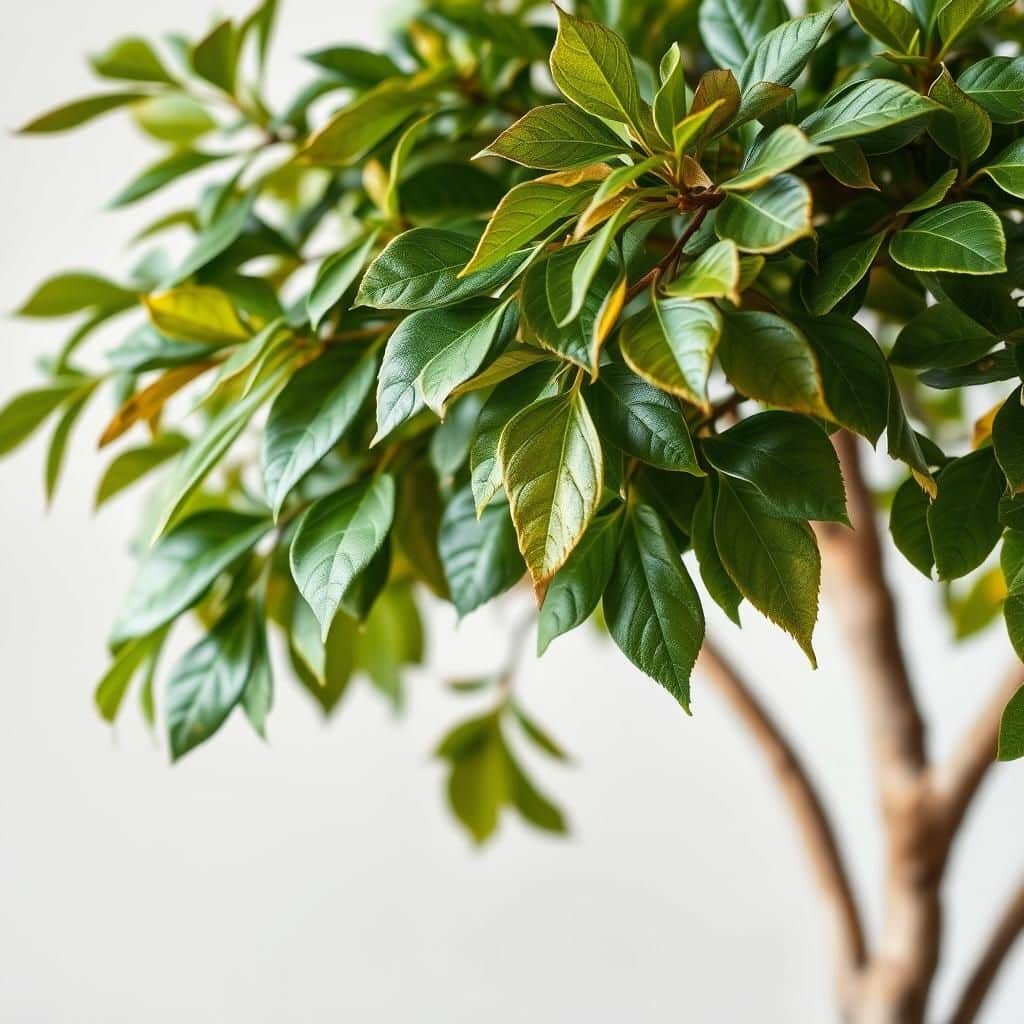
A Money Tree, known for its lucky charm qualities and lush foliage, can sometimes present challenges for plant owners, particularly when it comes to maintaining its health. One common concern is whether to cut off the brown leaves that may appear on your plant. Understanding the reasons behind leaf discoloration and knowing the proper care techniques can help you make informed decisions. In this article, we’ll explore essential care tips for your Money Tree, including best practices for managing brown leaves to ensure your plant thrives and continues to bring you joy and good fortune.
Should I Cut Brown Leaves Off a Money Tree?
It is generally advisable to cut off brown leaves from a money tree, as these leaves can indicate underlying issues such as overwatering, underwatering, or poor lighting conditions. Removing these damaged leaves not only enhances the overall appearance of the plant but also allows it to redirect energy towards healthier foliage. Always ensure you use sterilized pruning tools to prevent any possible infection and make clean cuts at the base of the leaf or stem. Regularly inspecting your money tree for signs of distress and maintaining appropriate care can help prevent future browning of leaves.
Understanding Brown Leaves
Brown leaves on a money tree can result from various factors, primarily related to environmental stress. This discoloration can signify that the plant is struggling due to inadequate water supply, excessively dry air, or direct sunlight exposure. Recognizing the root cause is crucial for effective treatment and will assist in maintaining the plant's overall health.
When to Prune
Pruning should ideally be done during the growing season, which is typically spring and summer. Cutting back brown leaves during these months allows the plant to focus its resources on new growth and recovery. Doing this during dormancy in the fall and winter can shock the plant, hindering its ability to bounce back.
Tools for Pruning
Using the right tools for pruning is essential for the health of your money tree. A pair of sterilized scissors or pruning shears is recommended to ensure clean cuts. Sterilizing the tools with rubbing alcohol or a bleach solution can prevent the transmission of diseases that might infect your plant through the cuts.
Signs of Overwatering or Underwatering
When assessing a money tree for health issues, signs of overwatering or underwatering can often be observed in its leaves. Yellowing leaves typically indicate overwatering, while brown tips may suggest underwatering. Correctly diagnosing these issues is key to effective care and helps prevent further browning of leaves.
Aftercare for Pruned Trees
After pruning, it is important to monitor the money tree closely and provide adequate care to support its recovery. This includes adjusting watering schedules, ensuring optimal light conditions, and maintaining appropriate humidity levels. Proper aftercare will encourage the plant to produce new growth and enhance its resilience against stressors.
| Condition | Symptoms | Solution |
|---|---|---|
| Overwatering | Yellow leaves, root rot | Allow soil to dry, adjust watering schedule |
| Underwatering | Brown leaf tips, dry soil | Water thoroughly, increase frequency |
| Inadequate light | Stunted growth, browning leaves | Move to brighter location, avoid direct sunlight |
| Low humidity | Browning tips, leaf drop | Use a humidifier, mist leaves |
| Pest infestation | Sticky leaves, webbing on plant | Treat with insecticidal soap or neem oil |
Do money tree leaves grow back after cutting?

When it comes to the question of whether money tree leaves (Pachira aquatica) grow back after being cut, the answer is generally affirmative. However, several factors influence the regrowth process after pruning.
Unlike some plants that may struggle to recover from leaf loss, the money tree is resilient and can regrow foliage if proper care is taken. Cutting back the leaves is often done for aesthetic reasons or to promote healthier growth, but it's essential to consider the right techniques and conditions for optimal recovery.
Understanding Money Tree Growth Patterns
The growth patterns of a money tree are characterized by their ability to adapt to various conditions. Here are key points to consider:
- Natural Regrowth: Money trees naturally regenerate leaves during their growing season, typically in spring and summer.
- Node Importance: Pruning should be done above a node, as leaves will sprout from this point, encouraging new growth.
- Light Availability: Adequate light is vital for stimulating leaf regrowth after cutting.
Pruning Techniques for Money Trees
Effective pruning techniques are crucial for encouraging healthy growth post-cutting. Key techniques include:
- Tools Used: Use clean, sharp scissors or pruning shears to avoid damaging the plant.
- Timing: Prune during the active growing season to allow the plant ample time to recover.
- Amount of Cutting: Avoid cutting more than 20-30% of the foliage at once to prevent stress.
Optimal Conditions for Leaf Regrowth
Creating the right conditions can significantly impact the recovery process of your money tree’s leaves:
- Watering Needs: Maintain consistent moisture in the soil without overwatering, as this can lead to root rot.
- Humidity Levels: Money trees thrive in higher humidity levels, so consider misting the leaves or using a humidifier.
- Fertilization: During the growing season, use a balanced fertilizer to provide essential nutrients that encourage new growth.
Signs of Healthy Regrowth
After pruning, watching for signs of healthy regrowth is essential. The following indicators will help you assess the plant's recovery:
- New Leaf Development: Look for small shoots or buds emerging where the leaves were cut.
- Color Changes: Healthy new leaves typically display a vibrant green color.
- Overall Plant Vitality: The plant should appear robust and healthy, with no signs of wilting or disease.
Common Issues After Pruning
While the money tree generally recovers well, some issues may arise post-pruning. Be aware of the following:
- Pest Infestations: Monitor for pests that may take advantage of a stressed plant, such as spider mites or aphids.
- Leaf Yellowing: This can indicate overwatering or insufficient light; addressing these issues promptly is crucial.
- Stunted Growth: If new growth doesn't occur, reassess care practices to ensure optimal conditions.
Should I clean the leaves on my money tree?

Should I Clean the Leaves on My Money Tree?
Cleaning the leaves of your money tree, also known as Pachira aquatica, is an essential part of its care routine. Dust and debris can accumulate on the leaves, affecting the plant's ability to perform photosynthesis effectively. By regularly cleaning the leaves, you promote better air circulation and reduce the risk of pests and diseases. Here are some considerations and steps to take when cleaning the leaves of your money tree.
Benefits of Cleaning Money Tree Leaves
Cleaning the leaves of your money tree offers several advantages that contribute to healthier plant growth.
- Improved Photosynthesis: Dust accumulation can block sunlight, hindering the plant's ability to convert light into energy.
- Pest Prevention: Regular cleaning can help identify and eliminate early signs of pests before they become a serious issue.
- Enhanced Aesthetics: Clean leaves contribute to the overall beauty of the plant, making it a more attractive addition to your space.
How to Clean Money Tree Leaves
When it comes to cleaning the leaves of your money tree, it is essential to do so gently and properly to avoid damaging the plant.
- Gather Supplies: You will need a soft, damp cloth or sponge, and possibly a mild soap solution if there is heavy dirt.
- Wipe Leaves: Gently wipe the leaves with your damp cloth, ensuring to clean both the topside and underside.
- Rinse (if needed): If you used soap, make sure to rinse the leaves with clean water after cleaning.
Frequency of Cleaning
The frequency of cleaning your money tree's leaves can vary based on its environment and dust levels.
- Every Month: A general recommendation is to clean the leaves at least once a month to maintain their health.
- After Dust Storms: If your home experiences dust storms or heavy pollution, consider cleaning the leaves more frequently.
- With Seasonal Changes: Changes in seasons can introduce different amounts of dust, so adjust your cleaning schedule accordingly.
Common Mistakes When Cleaning Leaves
Avoiding common mistakes when cleaning your money tree's leaves will help prevent damage.
- Using Harsh Chemicals: Avoid using any harsh cleaning products that can harm the plant's leaves.
- Cleaning in Direct Sunlight: Do not clean your plant while it is in direct sunlight as it can lead to leaf burn.
- Overwatering after Cleaning: Do not water the plant immediately after cleaning, as wet leaves in bright light can cause stress.
Signs Your Money Tree Needs Leaf Cleaning
Recognizing when your money tree's leaves need cleaning can help maintain its overall health.
- Visible Dust Buildup: If you notice a layer of dust on the leaves, it's time for a cleaning.
- Stunted Growth: If the plant's growth appears stunted, dirty leaves may be hindering its photosynthesis.
- Pest Infestation: If you see pests like spider mites or aphids, cleaning the leaves can help remove them.
Why is the money tree turning brown?

The money tree (Pachira aquatica) can turn brown due to a variety of environmental stresses and care issues. When you observe browning leaves, it's crucial to identify the underlying cause to restore your plant's health. Here are some of the common reasons why a money tree may be experiencing this problem:
Overwatering
Overwatering is one of the most common reasons for the leaves of a money tree to turn brown. This occurs when the plant's roots sit in excess moisture, leading to root rot. Signs of overwatering include browning leaves, soft stems, and a foul smell coming from the soil.
- Check the soil moisture level before watering.
- Ensure that the pot has proper drainage holes.
- Allow the soil to dry out before the next watering.
Underwatering
On the other end of the spectrum, underwatering can also cause browning leaves. Not providing enough water will lead to a lack of hydration in the plant, resulting in dry, crispy brown edges or tips.
- Monitor the soil for dryness, especially in the growing season.
- Water thoroughly when the top inch of the soil is dry.
- Consider setting a regular watering schedule.
Inadequate Light Conditions
Money trees thrive in bright, indirect light. If they do not receive enough light, their leaves may turn brown as a response to stress. Too much direct sunlight can also scorch the leaves.
- Place the plant in a location that receives bright, indirect sunlight.
- Avoid exposing the plant to direct sunlight for long periods.
- Rotate the plant periodically to ensure even light distribution.
Low Humidity Levels
Money trees prefer higher humidity levels, and dry air can lead to browning edges on the leaves. This is especially common in winter when heating systems reduce indoor humidity.
- Use a humidifier to maintain appropriate humidity levels.
- Group plants together to create a more humid microenvironment.
- Consider misting the leaves occasionally.
Pests or Disease
Various pests, such as spider mites or aphids, can also cause a money tree to develop brown leaves. Diseases, particularly those stemming from fungal infections, may also affect the foliage.
- Regularly inspect your plant for any signs of pests or disease.
- Use insecticidal soap or neem oil for pest control.
- Remove affected leaves to prevent the spread of disease.
What does overwatering a money tree look like?

Overwatering a money tree, scientifically known as Pachira aquatica, can lead to various issues that are not only harmful to the plant but can also be quite noticeable. The signs of overwatering are often similar to those of underwatering but can be distinguished with careful observation.
One of the most evident symptoms of overwatering is the yellowing of the leaves. When the plant receives too much water, it can lead to poor oxygen availability in the soil, causing root rot. Consequently, chlorophyll production diminishes, resulting in leaves that turn yellow and may eventually drop off.
Another indicator of overwatering is the occurrence of mushy or soft stems and leaves. Healthy money trees typically have firm, rigid stems. When overwatered, the plant cells may become saturated, making them weak and susceptible to damage.
Additionally, you might observe brown spots or wet, dark patches on the leaves, which can develop due to waterlogged soil and root deterioration. This browning is a direct result of fungal infections thriving in excessively moist conditions.
Finally, a foul odor emanating from the soil can be another sign of overwatering. Such odors usually indicate root rot, which can be a result of stagnant water that leads to root decay and the development of harmful bacteria.
Signs of Yellowing Leaves
The first recognizable indication of overwatering is typically the yellowing of leaves. When a money tree is overwatered, the excess moisture deprives the roots of oxygen, leading to chlorosis.
- Chlorophyll loss: The lack of oxygen in the root zone affects chlorophyll production.
- Leaf drop: Eventually, as the condition worsens, yellow leaves may fall off.
- New growth: New leaves may also emerge yellow and weak.
Mushy Stems and Leaves
When a money tree is overwatered, the stems and leaves can become mushy. This unusual texture signals that the plant is struggling.
- Cell saturation: Excess water saturates the plant's cells, making them weak.
- Stem breakage: Soft stems are more prone to breaking or bending.
- Overall health: A mushy texture often implies a significant health issue.
Brown Spots on Leaves
Another common symptom of overwatering is the appearance of brown spots or patches on the leaves. This can occur as a result of fungal infections.
- Waterlogged soil: Prolonged excess moisture creates a breeding ground for fungi.
- Photosynthesis disruption: Brown spots can hinder the plant's ability to photosynthesize effectively.
- Spread of rot: If not addressed, these brown spots can lead to further rot and decline.
Foul Odor from Soil
A foul odor emanating from the soil of an overwatered money tree is a crucial symptom indicating root rot. This smell often signifies the presence of bacteria breaking down decaying roots.
- Root decay: The roots are decomposing due to lack of oxygen.
- Potential disease: A foul smell can indicate that the plant is harboring pathogens.
- Urgent action required: If you detect a foul odor, immediate action is typically needed to save the plant.
Wilting Despite Moist Soil
One might notice that a money tree appears to be wilting even though the soil remains moist. This is a paradoxical effect of overwatering.
- Oxygen deprivation: Roots cannot function properly without adequate oxygen.
- Water uptake failure: Wilting occurs as roots die off and cannot supply water.
- Stress response: The plant may exhibit wilting as a stress response to unfavorable conditions.
Questions from Our Readers
Should I cut brown leaves off a money tree?
Yes, you should consider cutting off brown leaves from your money tree. Brown leaves indicate that the plant is either overwatered, underwatered, or suffering from some stress. Removing these leaves helps to improve the overall health of the plant and allows it to focus its energy on new growth.
How do I properly trim brown leaves from my money tree?
To properly trim brown leaves, use a pair of clean, sharp scissors or pruning shears. Cut the leaf at the base, close to the stem, being careful not to damage any healthy leaves or branches. This helps to prevent any potential shock to the plant while ensuring that it looks tidy.
Will trimming brown leaves help my money tree grow better?
Yes, trimming brown leaves can help your money tree grow better. It allows the plant to direct its energy towards healthy leaves and new growth, which can improve its overall vitality. Additionally, it can help to reduce the risk of disease by removing affected foliage.
How often should I check my money tree for brown leaves?
You should check your money tree for brown leaves regularly, ideally once a week. This will allow you to quickly identify any issues with watering, light exposure, or pests. Early detection and maintenance are key to keeping your money tree healthy and thriving.
https://youtube.com/watch?v=emCAXs1c68c
If you want to read more articles like Should I Cut Brown Leaves Off a Money Tree? Essential Care Tips for Your Plant, we recommend you check out our Pots category.
Leave a Reply
Related Articles