Ultimate Guide to Seasonal Fruits and Vegetables by Month Australia: What to Eat Each Month

As seasons shift in Australia, so too does the bounty of fresh fruits and vegetables available to enjoy. Knowing what produce is in season each month not only supports local farmers but also enhances your culinary experience with the best flavors and nutrients. This ultimate guide is designed to help you navigate the diverse and vibrant seasonal offerings across the Australian calendar. From summer's juicy stone fruits to winter's hearty root vegetables, discover what to eat each month and learn how to incorporate these seasonal delights into your meals for a healthier, more sustainable lifestyle.
Seasonal Fruits and Vegetables in Australia by Month
In Australia, the availability of seasonal fruits and vegetables varies significantly throughout the year, influenced by the diverse climates and regions across the country. Starting from the cooler months of June to August, winter produce such as citrus fruits, leafy greens, and root vegetables are plentiful. As the days warm up in spring (September to November), there is a transition towards a larger variety of fruits like strawberries and asparagus. Following this, the hot summer months (December to February) bring a bounty of tropical delights, including mangoes, watermelons, and many varieties of stone fruits. Finally, as the temperatures moderate in autumn (March to May), pumpkins, apples, and broccoli become abundant, showcasing the cycle of produce that reflects the unique Australian seasons.
Winter Produce (June to August)
During the winter months, Australians can enjoy a selection of hardy vegetables and citrus fruits. Common produce includes broccoli, cauliflower, carrots, and oranges, which thrive in the cooler climate. The availability of leafy greens like kale and spinach also makes winter a great time for nutritious meals. This season is crucial for sourcing root vegetables as well, such as potatoes and parsnips, which provide a great base for warming dishes.
Spring Produce (September to November)
As spring arrives, Australian gardens bloom, offering a diverse range of fresh fruits and vegetables. This is the season for strawberries, which are celebrated for their sweetness and versatility in dishes. Asparagus becomes available, often featured in light spring recipes. Additionally, peas and lettuces are at their peak, making it an ideal time for fresh salads and vibrant meals that highlight the renewal of nature.
Summer Fruits (December to February)
The Australian summer months are celebrated for their tropical fruits and vibrant colors. Watermelons are a popular choice, refreshing and hydrating during the heat. Mangoes become iconic, regarded as a summer staple within the country. Stone fruits like peaches, nectarines, and plums also reach their peak, perfect for snacking or baking. This season encourages outdoor entertaining, with an abundance of fresh produce available for light and hearty dishes alike.
Autumn Produce (March to May)
As the weather cools down, autumn brings a rich harvest of root vegetables and fruits that are perfect for hearty meals. Pumpkins come into abundance and are used in soups and pies, while apples emerge, offering sweet and tart flavors that are ideal for baking. Brussels sprouts and broccoli also become more prominent on tables, inviting comfort food dishes that warm the soul as the temperatures drop.
| Month | Fruits | Vegetables |
|---|---|---|
| June | Citrus (orange, lemon) | Broccoli, Kale |
| September | Strawberries | Asparagus, Peas |
| December | Mangoes, Watermelons | Tomatoes, Cucumber |
| March | Apples, Pears | Pumpkins, Brussels Sprouts |
Which vegetables to eat in which season?
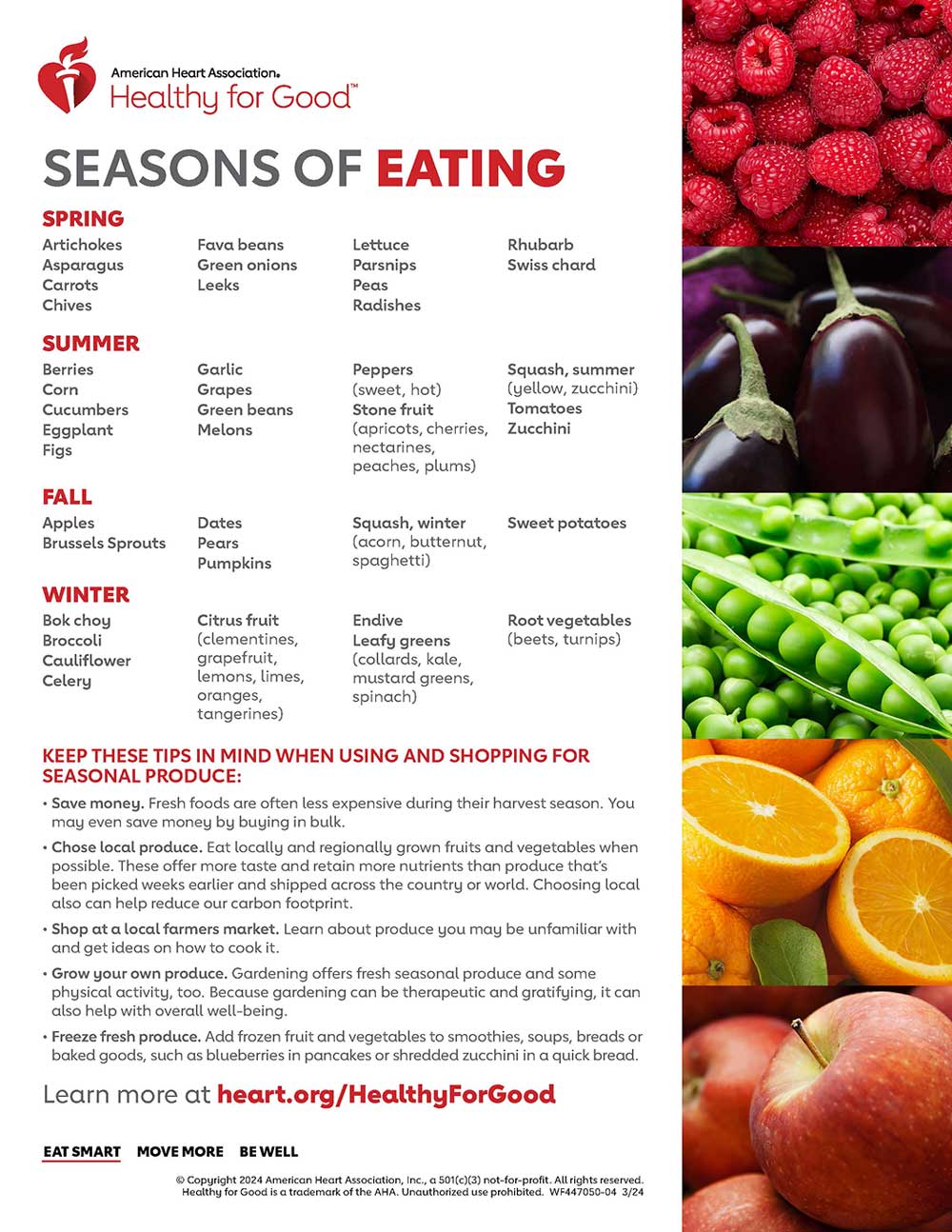
Spring Vegetables
Spring is a vibrant season for vegetables, providing a bounty of fresh, nutrient-rich options. The cool weather and increased rainfall boost the growth of many vegetables that thrive in these conditions. The following are some essential vegetables to enjoy in spring:
- Asparagus: Known for its unique taste and high fiber content, asparagus is one of the first vegetables to appear in spring.
- Peas: Sweet and crunchy, peas are rich in vitamins A, C, and K, making them a great addition to spring dishes.
- Spinach: This leafy green is packed with iron and is perfect for salads or cooked dishes in the spring months.
Summer Vegetables
With the arrival of summer, the warm weather encourages the growth of many colorful and flavorful vegetables. This season offers a variety of options that are perfect for grilling, salads, and light meals. Key summer vegetables include:
- Tomatoes: Juicy and full of flavor, summer tomatoes are versatile and can be used in countless recipes.
- Cucumbers: Refreshing and hydrating, cucumbers are excellent in salads or as snacks during hot summer days.
- Bell Peppers: Available in various colors, bell peppers are sweet and nutritious, great for grilling or adding to salads.
Autumn Vegetables
Autumn brings a change in the landscape and a shift in vegetable varieties. The cooler temperatures enhance the sweetness of many root vegetables and hardy greens. Here are some must-eat vegetables in the fall:
- Squash: Varieties like butternut and acorn squash become abundant in the fall, rich in vitamins A and C.
- Brussels Sprouts: These small cabbages become sweeter after the first frost, making them a delicious addition to autumn meals.
- Carrots: Full of beta-carotene, carrots are perfect for roasting or adding to soups and stews as the weather cools.
Winter Vegetables
Winter vegetables are hearty and often stored for longer periods, providing essential nutrients during colder months. Many winter crops can withstand frost, making them ideal for use in warm dishes. Consider these winter vegetables:
- Kale: This nutrient-dense green is packed with vitamins and is especially sweet after a frost, perfect for soups and salads.
- Parsnips: Similar to carrots, parsnips are sweet and earthy, making them great for roasting or mashing in winter recipes.
- Sweet Potatoes: Rich in fiber and vitamins, sweet potatoes are versatile and can be used in both savory and sweet dishes.
Vegetable Storage and Availability
Understanding how to store vegetables and their seasonal availability can help you maximize flavor and nutrition. Proper storage extends the life of your produce while maintaining its quality. Here are some tips:
See also:
- Refrigeration: Most leafy greens, cucumbers, and bell peppers should be stored in the refrigerator to retain freshness.
- Root Cellaring: Vegetables like potatoes, carrots, and beets can be stored in a cool, dark place to extend their shelf life.
- Freezing: Certain vegetables, such as peas and asparagus, can be blanched and frozen for later use when out of season.
Why is the year round availability of many fresh fruits and vegetables in Australia?

The year-round availability of many fresh fruits and vegetables in Australia can be attributed to several key factors that facilitate agricultural production across the diverse climate zones of the continent. This ensures that consumers have access to a wide variety of produce irrespective of the season. Here are some reasons for this phenomenon:
Climate Diversity
Australia’s climate diversity plays a crucial role in the year-round production of fresh produce. Different regions experience varying climate conditions, which allows for different crops to flourish throughout the year.
- The northern regions, like Queensland, have a tropical climate which supports the growth of fruits such as mangoes and papayas during the dry season.
- The temperate regions, such as Victoria and New South Wales, can produce a variety of vegetables and fruits throughout the year, albeit with seasonal variations.
- Southern Australia benefits from a cooler climate ideal for growing apples and berries during autumn and winter months.
Advanced Agricultural Techniques
The adoption of advanced agricultural techniques enhances the ability of Australian farms to produce crops year-round. Methods such as controlled environment agriculture and hydroponics have become increasingly popular.
- Hydroponics allows for the growth of plants in nutrient-rich water without soil, optimizing growth cycles.
- Greenhouse technology enables producers to control temperatures, light, and pests, making it possible to harvest out of traditional growing seasons.
- Use of smart farming technologies increases productivity and efficiency, reducing the waste and maximizing the yield of crops.
Significant Investment in Agriculture
Australia’s agriculture sector receives substantial investment from both public and private sectors, which supports continuous production.
- Government programs offer financial assistance to farmers for implementing innovative technologies and improving infrastructure.
- Investment in research and development has led to the creation of drought-resistant and disease-resistant crop varieties, ensuring stable production.
- Agri-business companies also invest heavily in logistics and supply chain management, facilitating the year-round distribution of produce.
Export Markets
Australia is a significant exporter of fresh fruits and vegetables, which creates a demand that encourages continuous production all year round.
- The export market for produce, particularly to countries in Asia, creates incentives for farmers to grow a diverse array of crops.
- Meeting international standards for quality and supply necessitates maintaining production cycles that support seasonal demand from various markets.
- Promoting Australian produce internationally enhances brand recognition, motivating farmers to sustain year-round cultivation.
Utilization of Technology
Technological advancements in the agriculture industry have paved the way for increased production efficiency and crop management.
- Data analytics and precision agriculture allow farmers to monitor crop health and soil conditions, enabling timely interventions.
- Automation in farming reduces labor constraints and allows for more consistent crop management practices.
- Technology also plays a vital role in enhancing supply chain logistics, ensuring that fresh produce reaches markets quickly and efficiently.
Is kiwi summer or winter fruit?
Kiwi is primarily considered a winter fruit in many regions, although it can also be harvested during the late summer and fall months. The peak season for kiwi in the Northern Hemisphere typically runs from November to May. This fruit thrives in cooler temperatures, which is why it is often categorized as a winter fruit rather than a summer one. In contrast, in the Southern Hemisphere, kiwi is harvested from September to November, which aligns more closely with the spring months there.
Nutritional Benefits of Kiwi
Kiwi is packed with essential nutrients, making it an excellent addition to any diet. Some of its nutritional benefits include:
- High in Vitamin C: A single kiwi contains more vitamin C than an orange, supporting immune function.
- Rich in Fiber: Kiwi helps in digestion and can promote a healthy gut.
- Antioxidant Properties: The antioxidants in kiwi can help combat oxidative stress in the body.
Harvest Seasons of Kiwi Across Regions
The harvest season for kiwi varies depending on the geographical location. In the Northern Hemisphere, kiwi is typically harvested from:
- Late Fall: Harvesting often begins in late October.
- Winter Months: The fruit can be picked from November to March.
- Early Spring: Limited harvesting can take place until May.
In contrast, the Southern Hemisphere sees kiwi being harvested in the spring months from:
See also:
- September: The beginning of the kiwi harvest.
- October: Peak harvesting occurs.
- November: Harvest season wraps up by the end of this month.
How Kiwi Grows in Different Seasons
Kiwi plants require specific climatic conditions to thrive. They flourish best in moderate temperatures, ideally between:
- 45°F to 75°F: This range is optimal for growth.
- Frost Protection: They need protection from frost, especially while blooming.
- Pollination Needs: Kiwi vines require bees for effective pollination, which is more prevalent in certain seasons.
Uses of Kiwi in Various Seasons
Kiwi can be enjoyed in various culinary applications, and its uses can differ based on the season:
- Winter Desserts: Incorporate kiwi into fruit salads and tarts for a wintery touch.
- Summer Smoothies: Blend fresh kiwi with other fruits for a refreshing summer drink.
- Savory Dishes: Kiwi can also be used in salsa or as a garnish for meat dishes throughout the year.
Common Misconceptions About Kiwi
Several misconceptions exist regarding kiwi-related seasonal classifications. Understanding these can help clarify:
- All Fruits are Summer Fruits: Many people assume fruits can only be harvested in summer, while kiwi proves otherwise.
- Only Imported Kiwi is Available: Local kiwi varieties can be available during different seasons based on geography.
- Kiwi is Fragile: While kiwi is delicate, it can be stored well and transported easily in colder months.
What fruit grows in winter in Australia?

Winter in Australia presents a unique climate that allows certain types of fruit to thrive even in the colder months. The subtropical and temperate regions of Australia contribute to a variety of fruits that can be harvested during winter. Here are some fruits that grow during this season:
Citrus Fruits
Citrus fruits are among the most prevalent fruits harvested during winter in Australia. The mild winter climate enables them to mature and develop their characteristic flavors. Common citrus fruits include:
- Oranges: These are harvested from June to September, and they are known for being juicy and sweet.
- Mandarins: Often easier to peel and segment, mandarins are available from June and are highly popular among consumers.
- Lemons: While they can grow year-round, winter is an excellent time for harvesting fresh lemons, which are packed with vitamin C.
Stone Fruits
Although less common, certain varieties of stone fruits can also be available during the winter months, especially in milder regions of Australia. They are not as abundant as in the summer but can occasionally be found. Key stone fruits include:
- Peaches: Some late varieties may still be accessible, with harvest capabilities extending into early winter.
- Nectarines: Similar to peaches, they might be ready for harvest depending on the variety and location.
- Plums: Certain varieties of plums are harvested in late winter.
Berries
Winter is also a time when selected berries can be found in Australia. Although many berries have specific seasons, certain varieties offer harvests even in the cooler months. The following berries are notable:
- Strawberries: Particularly in Queensland, strawberries can be harvested throughout winter, thanks to the warm climate.
- Raspberries: In some regions, they can be found during winter, contributing unique flavors to dishes.
- Blueberries: Depending on the region, blueberries may also be harvested in limited quantities during winter.
Avocado
Avocados are a unique fruit that can thrive in winter, particularly in warmer regions of Australia. They provide healthy fats and nutritional benefits throughout the year. Important aspects include:
- Variety Selection: Some varieties, like Hass, are popular options that can be harvested in winter.
- Nutritional Benefits: Avocados are rich in fats, including omega-3 fatty acids, making them a nutritious choice during winter.
- Usage: They can be added to various dishes or smoothies, ensuring that winter meals remain nutritious and flavorful.
Figs
Figs can also be harvested in some regions during the winter months. They are not as widespread but can be found in certain microclimates due to their adaptability. Points to note about figs include:
- Varieties: Different types of figs, such as Black Mission and Brown Turkey, may produce yield in warm areas during winter.
- Flavor Profile: Figs have a complex flavor that can enhance various dishes, especially desserts.
- Storage: They require careful handling and storage as they can spoil quickly.
Questions from Our Readers
What are the seasonal fruits available in Australia during January?
January in Australia is a great month for enjoying a variety of juicy fruits, including watermelons, cherries, peaches, and mangoes. These fruits are at their peak ripeness, offering delicious flavors and optimal freshness.
Which vegetables are in season in February in Australia?
In February, Australia sees an abundance of vegetables such as capsicum, eggplant, zucchini, and pumpkin. These vegetables are perfect for summer dishes and provide a wide range of culinary options.
See also:
What fruits can I find in Australia during May?
In May, the seasonal fruits shift, and you can expect to find oranges, kiwis, apples, and pears available. These fruits are great for both snacking and cooking as the cooler weather sets in.
Which vegetables are best to eat in September in Australia?
September marks the beginning of spring, bringing in fresh vegetables like asparagus, broccoli, spinach, and cauliflower. These vegetables are nutritious, versatile, and ideal for a variety of dishes.

If you want to read more articles like Ultimate Guide to Seasonal Fruits and Vegetables by Month Australia: What to Eat Each Month, we recommend you check out our Gardeners category.
Leave a Reply
Related Articles