Ultimate Printable Vegetable Planting Guide Australia: Tips for Successful Gardening
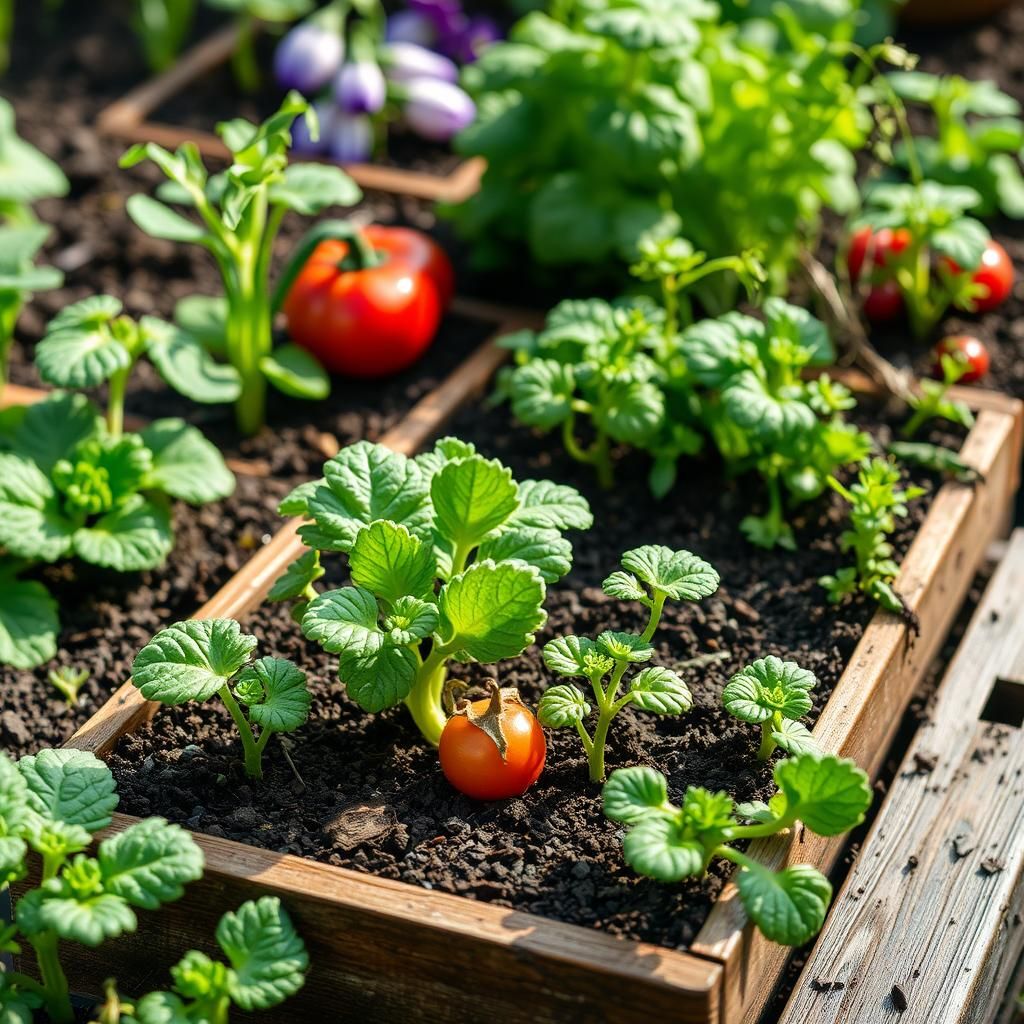
Gardening enthusiasts in Australia are always on the lookout for the best ways to grow their vegetables successfully. With varying climates and soil conditions across the continent, understanding the best planting times, techniques, and care for different vegetable varieties is essential. This ultimate printable vegetable planting guide provides valuable tips tailored to Australian gardeners, ensuring that your garden flourishes throughout the seasons. From selecting the right seeds to essential maintenance practices, this resource will enable you to cultivate a bountiful and thriving vegetable garden. Get ready to dig in and watch your gardening dreams come to life with expert advice tailored for your region!
Printable Vegetable Planting Guide for Australia
A printable vegetable planting guide for Australia is an essential resource for both novice and experienced gardeners looking to optimize their vegetable gardening experience. With its diverse climates and regions, Australia presents unique planting timelines that vary widely across the country. The guide typically includes information on the best times to plant, what vegetables thrive in each season, and tips for soil preparation, pest management, and crop rotation. Additionally, having a printable version allows gardeners to easily reference crucial planting information on the go, making it easier to stay organized and maximize the yield of their vegetable gardens.
Understanding Australian Climate Zones
Australia's climate varies significantly from region to region, which directly impacts when and how vegetables should be planted. The country is divided into several climate zones, including temperate, tropical, and arid. Each zone offers different growing conditions, influencing vegetable options and planting times. For example, in cooler temperate regions, planting can typically occur in spring and autumn, while tropical areas allow for year-round planting. Understanding these zones is crucial for successfully growing vegetables adapted to a gardener's specific location.
Seasonal Vegetable Planting Calendar
A seasonal vegetable planting calendar is a vital component of any printable vegetable planting guide. This calendar outlines the recommended planting dates for various vegetables throughout the year based on different regions within Australia. For instance, cool-season crops like carrots, broccoli, and peas are best planted in early spring or autumn, whereas warm-season crops like tomatoes, cucumbers, and peppers thrive when planted after the last frost. Having this calendar helps gardeners track the optimal planting times for maximum growth and yield.
Soil Preparation Techniques
Proper soil preparation is fundamental to successful vegetable gardening and is a significant focus of the guide. This section typically covers land assessment, including soil type, pH levels, and nutrient content. Techniques such as tilling, adding compost, and amending with organic fertilizers are emphasized to enhance soil fertility. Well-prepared soil supports root development and contributes to healthier plant growth, so understanding how to prepare the ground before planting is vital for any gardener aiming for a bountiful vegetable crop.
Pest Management Strategies
Incorporating effective pest management strategies into your gardening routine is crucial for protecting your vegetable crops. The guide often includes various preventive measures such as crop rotation, companion planting, and organic pest control options like insecticidal soap and natural predators like ladybugs. These strategies help minimize pest infestations while reducing the reliance on chemical pesticides, thus promoting a healthier and more sustainable gardening environment.
Crop Rotation Benefits
Crop rotation is a practice that offers numerous benefits for vegetable gardening and is frequently highlighted in planting guides. By changing the location of certain vegetable crops each season, gardeners can effectively prevent soil nutrient depletion and break the cycle of pest and disease infestations. For example, following a crop of leafy greens with legumes can enhance soil nitrogen levels. Additionally, rotating crops not only improves soil health but also promotes biodiversity, making for a more resilient garden ecosystem.
| Vegetable | Planting Season | Optimal Climate Zone |
|---|---|---|
| Carrots | Spring/August | Temperate |
| Tomatoes | After Frost | Tropical/Temperate |
| Broccoli | March/April | Temperate |
| Cucumbers | After Frost | Tropical/Temperate |
| Lettuce | Spring/Fall | Temperate |
Key Considerations for Planting Vegetables in Australia
When embarking on your vegetable gardening journey in Australia, it is crucial to understand the climate variations, seasonal planting schedules, and soil types specific to your region. Each Australian state has distinct growing conditions that can influence the success of your garden. Familiarize yourself with the optimum planting months for each vegetable, as this will help you avoid the pitfalls of frost or excessive heat. Additionally, consider incorporating native plants and beneficial insects into your garden to promote a healthy ecosystem. By keeping these considerations in mind, you can greatly enhance the productivity and vibrancy of your vegetable garden.
Choosing the Right Vegetables for Your Climate
Selecting the right vegetables for your specific climate zone in Australia is essential for a successful harvest. For instance, cool-season crops like broccoli and carrots thrive in southern regions during the cooler months, while warm-season vegetables like tomatoes and peppers are best suited for the warmer northern areas. Understanding your local planting calendar will enable you to plant vegetables at their optimal time, ensuring maximum growth potential.
Soil Preparation and Nutrient Management
Proper soil preparation is vital for growing healthy vegetables. Test the soil in your garden to determine its pH level and nutrient content, and amend it accordingly by adding organic matter such as compost or aged manure. Well-draining soil is key to preventing root rot, so make sure to till the soil and consider using raised garden beds if necessary. Regularly monitoring your soil's nutrient levels will help you maintain a balance that supports strong plant growth throughout the growing season.
Watering Techniques for Maximum Yields
Effective watering techniques are crucial to ensure your plants receive the moisture they need without oversaturating the soil. Drip irrigation systems can deliver water directly to the plant roots while reducing evaporation. It is essential to water early in the morning or late in the evening to minimize water loss due to the sun's heat. Establishing a consistent watering schedule will help maintain ideal moisture levels, thus promoting healthier plants and higher yields.
Pest and Disease Management Strategies
Managing pests and diseases is an ongoing task in the vegetable garden. Regularly inspect your plants for signs of infestation or disease, and adopt an integrated pest management approach that focuses on prevention, natural remedies, and, if needed, safe chemical solutions. Encouraging beneficial insects like ladybugs or using organic pest deterrents can help keep your vegetables safe without harming the environment. Creating a biodiverse garden can also enhance resilience against pests and diseases.
Harvesting and Storing Your Produce
Knowing when and how to properly harvest your vegetables is crucial for enjoying their full flavor and nutritional benefits. Different vegetables have unique signs of ripeness; for example, tomatoes should be picked when they are fully colored but still firm, while lettuce should be harvested in the morning for optimal crispness. After harvesting, proper storage techniques, such as refrigeration for leafy greens or cool, dark places for root vegetables, will help extend the shelf life of your produce, ensuring that you can enjoy your gardening success for longer periods.
Questions from Our Readers
What is a printable vegetable planting guide for Australia?
A printable vegetable planting guide for Australia is a resource that provides information on the best times to plant various vegetables based on the Australian climate and growing seasons. This guide typically includes planting dates, spacing requirements, and care instructions, allowing gardeners to optimize their vegetable yields.
How can I obtain a printable vegetable planting guide for Australia?
You can obtain a printable vegetable planting guide for Australia by searching online for free resources or downloading guides from gardening websites and agricultural extension services. Many local nurseries also offer printed versions in-store or can direct you to reliable online sources.
What vegetables can I plant in Australia using this guide?
The guide will generally include a variety of vegetables suitable for the Australian climate, such as tomatoes, carrots, lettuce, and capsicums. It will detail the planting seasons for each vegetable, ensuring you can make the most of your garden space throughout the year.
Are there any tips for using the vegetable planting guide effectively?
To use the vegetable planting guide effectively, it's important to consider your specific climate zone and local conditions, as they can affect planting times. Additionally, regularly updating your knowledge on seasonal changes and pest management practices can help improve your gardening success.
If you want to read more articles like Ultimate Printable Vegetable Planting Guide Australia: Tips for Successful Gardening, we recommend you check out our Gardeners category.
Leave a Reply
Related Articles