Ultimate Guide to Preparing Garden Beds for Planting Australia: Tips and Techniques
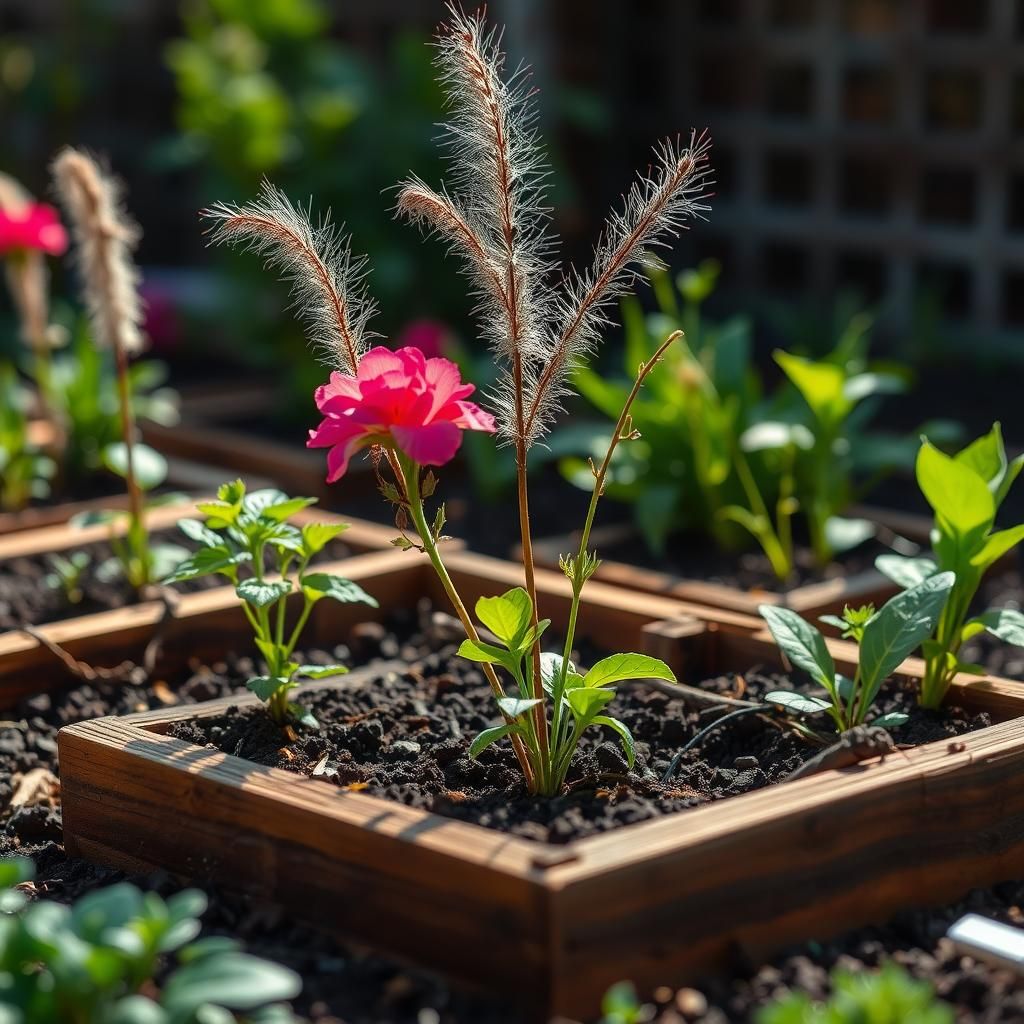
Preparing garden beds is a crucial step for successful planting, especially in the diverse climate of Australia. Whether you’re a seasoned gardener or a beginner, understanding the right techniques can significantly enhance your garden's productivity and health. This ultimate guide will walk you through essential tips and methods for preparing your garden beds, from soil selection and conditioning to layout planning and pest management. By following these expert recommendations, you will create an optimal environment for your plants to thrive, ensuring a bountiful harvest throughout the growing season. Dive in to transform your gardening experience and cultivate a flourishing garden!
Preparing Garden Beds for Planting in Australia
Preparing garden beds for planting in Australia involves understanding the diverse climate and soil conditions unique to the continent. Australian gardeners must consider factors such as local weather patterns, the type of soil present, and the specific plants they wish to grow. It is essential to start with a clean bed, removing any weeds, debris, and previous plant material to prevent disease and pests. Next, soil testing allows for the adjustment of pH and nutrient levels, ensuring optimal conditions for root development. Incorporating organic matter such as compost or well-rotted manure enhances soil structure and fertility, which is crucial for successful planting and growth. Finally, creating raised beds can improve drainage and lead to warmer soil, which is beneficial in many Australian regions.
Choosing the Right Location
Selecting the right location for your garden bed is critical for successful growth. In Australia, consider the sunlight requirements of your chosen plants; most vegetables and flowering plants thrive in at least six hours of direct sunlight each day. Additionally, assess the wind exposure and drainage of the area. Planting beds positioned too close to trees or buildings may compete for resources or suffer from shading. A location that offers protection from strong winds can help prevent damage to young plants and improve overall growth conditions.
Soil Preparation Techniques
Proper soil preparation is key to creating a healthy garden bed. Begin by testing the soil to determine its pH and nutrient levels, using kits available at garden centers. Based on the results, amend the soil as needed to balance pH levels, usually aiming for a range of 6.0 to 7.0 for most garden plants. Once the soil is appropriately adjusted, tilling it to a depth of at least 30 centimeters will help improve aeration and soil structure. Incorporating organic materials such as compost or aged manure will enhance nutrient content, promote beneficial microbial activity, and improve water retention.
Weed Management Strategies
Weed management is essential to prevent competition for nutrients and resources in your garden bed. Techniques such as mulching with straw, wood chips, or grass clippings can suppress weed growth while maintaining soil moisture. Hand weeding or hoeing can help manage any emerging weeds before they establish. Additionally, using landscape fabric can act as a barrier to weeds while allowing water and nutrients to pass through. It’s also wise to keep the edges of your garden bed tidy to prevent weeds from spreading into your planting area.
See also:
Plant Selection for Local Climate
Choosing the appropriate plants for your local climate and region in Australia is crucial. Factors such as temperature, rainfall, and soil type can vary significantly across the country. During the selection process, prioritize native plants as they are typically well-adapted to local conditions, require less maintenance, and support local wildlife. Research the specific growth requirements and potential pests associated with the plants you select. This knowledge ensures a better chance of cultivating vibrant and healthy plants throughout the growing season.
Watering Practices for Optimal Growth
Effective watering practices can profoundly impact the success of your garden bed. In many Australian regions, drip irrigation systems are advantageous as they provide consistent moisture directly to the plant roots while minimizing water waste. Adjusting your watering schedule based on seasonal changes and rainfall is essential; for instance, during hot summer months, plants may require more frequent watering. It's also beneficial to water in the early morning or late afternoon to reduce evaporation. Monitoring soil moisture levels can help you determine the right amount of water needed for optimal plant growth.
| Aspect | Importance |
|---|---|
| Sunlight | Essential for plant growth and flower production |
| Soil Type | Affects drainage, nutrient availability, and plant selection |
| Climate | Determines suitable plant species and care methods |
| Watering | Critical for maintaining plant health and growth |
| Weed Control | Prevents competition for resources |
Essential Soil Preparation Techniques for Australian Garden Beds
Preparing your garden beds in Australia requires an understanding of the unique soil types and climatic conditions present in different regions. Start by assessing your soil's pH level and nutrient content using a soil testing kit, as this will inform what amendments are necessary for optimal plant growth. Adding organic matter such as compost or well-rotted manure is crucial for improving soil structure, enhancing nutrient availability, and promoting beneficial microorganism activity. Additionally, consider implementing techniques like double digging or raised garden beds to ensure proper drainage and aeration, which are essential for thriving plants in the often arid conditions of Australia.
Understand Your Local Soil Type
Different regions of Australia have various soil types, including sandy, clay, and loamy soils. Understanding your local soil composition is vital for effective garden preparation. Sandy soils drain quickly but may need more organic matter to retain moisture, whereas clay soils retain water but require good drainage. Each soil type has its own needs, and adapting your gardening techniques to address these characteristics will significantly improve your garden's success.
Importance of Soil pH Testing
Soil pH plays a critical role in plant health. Most plants thrive in a slightly acidic to neutral pH range of 6.0 to 7.0. Testing your soil pH can uncover potential deficiencies or toxicities of nutrients that affect plant growth. If your soil is too acidic or alkaline, you can make amendments, such as adding lime to raise pH or sulfur to lower it, thus optimizing conditions for plant health and productivity.
See also:
Incorporating Organic Matter
Adding organic matter to your garden beds is one of the best ways to improve soil fertility and structure. Materials like compost, aged manure, or worm castings not only enrich the soil with essential nutrients but also enhance its ability to retain moisture and support microbial life. Incorporating at least several inches of organic material into your garden beds during preparation will create a rich environment that encourages robust plant growth.
Enhancing Drainage and Aeration
Proper drainage and aeration are crucial for the health of your garden beds. In regions with heavy rainfall or clay soils, improving drainage may involve creating raised beds or incorporating coarse materials like perlite or sand. Additionally, practices such as double digging can aerate compacted soil layers, allowing roots to penetrate deeper and access moisture and nutrients more effectively.
Utilizing Cover Crops
Planting cover crops during the off-season is an excellent strategy for improving soil health in Australian gardens. These crops, such as clover or vetch, can suppress weeds, prevent soil erosion, and, upon turning them back into the soil, increase organic matter and nitrogen content. This technique not only prepares your garden beds for planting but also fosters a sustainable ecosystem in your garden by enhancing soil quality year after year.
Questions from Our Readers
How do I prepare garden beds for planting in Australia?
To prepare garden beds for planting in Australia, start by clearing the area of weeds and debris. Next, turn the soil to a depth of at least 30cm to improve aeration and drainage. Add organic matter like compost or well-rotted manure to enrich the soil, and ensure it's amended with the necessary nutrients according to the plants you intend to grow.
What soil type is best for garden beds in Australia?
The best soil type for garden beds in Australia is a well-draining soil that retains some moisture but does not become waterlogged. Most Australian soils can benefit from the addition of organic matter to improve their structure, fertility, and water retention capabilities, especially in sandy or clay soils.
See also:
When is the best time to prepare garden beds for planting in Australia?
The best time to prepare garden beds for planting in Australia typically depends on the season and climate of your region. Generally, late winter to early spring is ideal for most areas as it allows the soil to warm up, promoting seed germination and root growth for many garden plants.
Should I use mulch in my garden beds?
Yes, using mulch in your garden beds is highly recommended as it helps conserve moisture, suppress weeds, and maintain a consistent soil temperature. Organic mulches, such as wood chips or straw, also break down over time, adding nutrients back into the soil while enhancing its overall health.

If you want to read more articles like Ultimate Guide to Preparing Garden Beds for Planting Australia: Tips and Techniques, we recommend you check out our Landscaping category.
Leave a Reply
Related Articles