Discover the Beauty and Care of the Pink Flowering Gum Tree Eucalyptus Ficifolia

The Pink Flowering Gum Tree, scientifically known as Eucalyptus ficifolia, is a stunning addition to landscapes with its vibrant pink blossoms and striking form. Native to Australia, this species has captured the hearts of gardeners and nature enthusiasts alike, thanks to its stunning visual appeal and adaptability. Not only does it beautify settings with its eye-catching flowers, but it also has unique care requirements that ensure its longevity and health. In this article, we will explore the enchanting qualities of the Pink Flowering Gum Tree, along with essential tips for growing and caring for this magnificent species in various environments.
Understanding the Pink Flowering Gum Tree (Eucalyptus ficifolia)
The Pink Flowering Gum Tree, known scientifically as Eucalyptus ficifolia, is a striking native Australian species famous for its vibrant, showy blossoms, typically appearing in shades of pink and red. This evergreen tree can grow up to 30 meters in height and is often used in urban landscaping due to its attractive foliage and resilience to varying conditions. With its smooth bark and aromatic leaves, the Pink Flowering Gum not only adds aesthetic value to gardens but also serves as a habitat for various bird species attracted to its nectar-rich flowers. Its flowering season usually occurs in late summer and fall, making it a delightful sight in bloom.
Characteristics of Eucalyptus ficifolia
The Pink Flowering Gum Tree features a broad, rounded canopy and smooth, mottled bark that peels away in strips, giving it a distinct appearance. The leaves are lance-shaped and dark green, offering a beautiful contrast to the vibrant flowers. These flowers are tubular and can grow up to 5 cm in diameter, attracting a variety of pollinators, especially bees. The tree produces woody capsules as seed pods once the flowers have faded, which contribute to its life cycle and propagation.
Growing Conditions
This species thrives in well-drained, sandy soils typically found in its native Australian habitat. While it prefers a full-sun environment, it can tolerate partial shade, especially in hot climates. The Pink Flowering Gum is drought-resistant once established, making it a suitable option for low-maintenance gardens. However, it requires sufficient water during its initial growth phase to develop a strong root system. Regularly pruning the tree can help maintain its shape and encourage more abundant flowering.
Ecological Impact
The Eucalyptus ficifolia plays a significant role in its ecosystem by providing habitat and food for various wildlife species. The nectar-rich flowers attract numerous pollinators, including honeybees, butterflies, and other insects crucial for pollination. Moreover, birds such as lorikeets and honeyeaters are drawn to the bright flowers and rely on them as a food source. The tree’s ability to thrive in diverse climatic conditions also contributes to the stabilisation of local ecosystems, promoting biodiversity.
Cultural Significance
In Australia, the Pink Flowering Gum Tree holds a cultural significance as a symbol of the natural beauty of the country. It is often used in gardens and parks to represent the rich flora of Australia. Additionally, its timber is valued for its durability and is used in various construction and woodworking projects. The striking flowers are also a popular choice for florists and are associated with celebrations and special occasions, reflecting the love for native plants in Australian culture.
Potential Issues and Care
Though generally a hardy tree, the Eucalyptus ficifolia can be susceptible to certain pests and diseases, such as the eucalyptus borer and leaf spot. Regular inspection is essential for early detection and management of these issues. Providing adequate spacing between trees helps improve air circulation, reducing the likelihood of disease. Fertilizing the tree during its growing season can also promote robust growth and flowering, ensuring that it remains a stunning feature in any garden or landscape design.
| Aspect | Details |
|---|---|
| Height | Up to 30 meters |
| Flower Color | Primarily pink and red |
| Preferred Soil | Well-drained, sandy soils |
| Habitat Value | Supports diverse pollinators and wildlife |
| Common Pests | Eucalyptus borer, leaf spot |
What is the problem with the flowering gum?

The problems faced by the flowering gum (Corymbia ficifolia) primarily revolve around its vulnerability to specific pests, diseases, and environmental challenges. Here are some of the key issues associated with this beloved Australian native tree:
Pest Infestations
Flowering gums are susceptible to various pests that can severely affect their health and aesthetic appearance. The most common pests include:
- Eucalyptus Leaf Beetle: This beetle feeds on the leaves of the tree, leading to defoliation and reduced vitality.
- Scale Insects: These insects can cause stress to the tree by feeding on its sap, creating a sticky residue and encouraging the growth of sooty mold.
- Spider Mites: High populations of spider mites can cause leaf discoloration and drop, impacting the overall growth of the tree.
Disease Issues
Flowering gums are also impacted by various diseases that can weaken the tree or even lead to death. Notable diseases include:
- Phytophthora Cinnamomi: This soil-borne pathogen can cause root rot, leading to decline and possible death of the tree.
- Fungal Infections: Fungi such as Botryosphaeria can cause cankers and branch dieback, which diminish the tree’s structural integrity.
- Gummosis: This condition results in the oozing of sap due to stress and infections, indicative of underlying health issues.
Environmental Stressors
Exposure to environmental stresses can significantly impact the health of flowering gums. Some common stressors include:
- Water Stress: Inadequate or excessive water can lead to wilting or root rot, affecting growth and flowering.
- Soil Quality: Poor or compacted soil can limit root development and nutrient uptake.
- Temperature Extremes: High temperatures can cause sunburn on leaves, while frost can damage new growth.
Invasive Species Competition
The introduction of invasive species poses a further challenge to flowering gums. These species can outcompete them for resources, resulting in:
- Resource Allocation: Invasive plants may consume water and nutrients, leaving flowering gums at a disadvantage.
- Habitat Alteration: Changes in the ecosystem caused by invasive species can disrupt the flowering gum's natural growth environment.
- Pest Attraction: Some invasive species may attract pests that also target flowering gums, compounding stress on these trees.
Cultivation Challenges
When flowering gums are cultivated outside their native range, they can face specific challenges that affect their growth and survival. These challenges include:
- Soil Compatibility: Flowering gums thrive in specific soil types, and incorrect soil can stunt their growth.
- Local Climate Conditions: Conditions that differ significantly from their native environment, such as humidity and temperature fluctuations, can affect their performance.
- Cultural Practices: Improper care, including poor pruning techniques or inadequate watering, can lead to an increased risk of disease and pest infestations.
How tall do Ficifolia trees get?
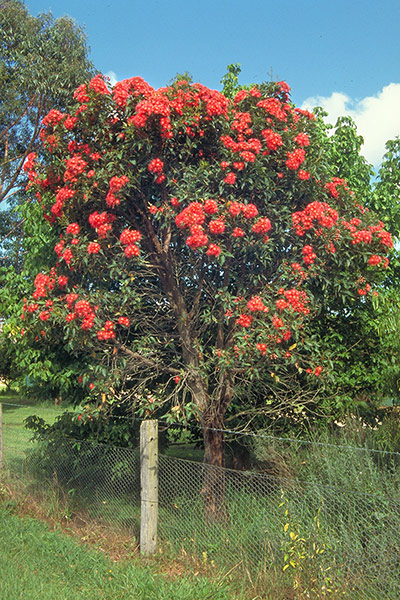
Ficifolia trees, scientifically known as Corymbia ficifolia, are native to Australia and are renowned for their stunning flowers and unique growth characteristics. When it comes to height, these trees can typically reach an impressive maximum height of 15 to 30 meters (approximately 50 to 100 feet). However, the height can vary based on several factors, including environmental conditions, soil quality, and care practices.
Growth Conditions
Ficifolia trees thrive in certain growth conditions that can influence their height. They prefer well-drained soils and require full sun exposure for optimal growth.
- Well-drained sandy soils
- Full sunlight for at least 6 hours a day
- Moderate watering to promote healthy growth
Climate Impact
The climate plays a significant role in the growth of Ficifolia trees. These trees are best suited for regions with warm, temperate climates, and they can struggle in colder environments.
- Hot summers with minimal frost
- Mild night temperatures to avoid cold stress
- Regular rainfall during growing season
Varieties and Height Differences
There are several varieties of Ficifolia trees, each exhibiting different growth patterns and height potentials. Some varieties may be more compact than others.
- Standard Ficifolia can reach up to 30 meters
- Dwarf varieties may only grow to about 5 to 8 meters
- Hybrid varieties can vary in height, depending on their parent species
Care and Maintenance
Proper care and maintenance can help encourage optimal growth and maximum height in Ficifolia trees. Regular pruning and nutrient management are essential.
- Prune to remove dead or diseased branches
- Use fertilizers to boost soil nutrients
- Ensure proper watering practices, especially in dry periods
Growth Rate
The growth rate of Ficifolia trees can be variable, typically influenced by their age and the quality of care they receive. Young trees generally grow faster during optimal conditions.
- Young trees can grow up to 1 meter per year
- Growth may slow as trees mature
- Favorable conditions can lead to increased growth rates
Is there a difference between a gum tree and an eucalyptus tree?
:max_bytes(150000):strip_icc()/windbreak-curve-473443890-e02041dc246a40c0a78873539a5c352f.jpg)
The terms gum tree and eucalyptus tree are often used interchangeably in common parlance, but they refer to distinct categories within the Myrtaceae family. Specifically, all gum trees are eucalyptus trees, but not all eucalyptus trees are typically classified as gum trees. The name gum tree is commonly applied to certain species within the eucalyptus genus, primarily those that produce a sticky resin, known as gum. Thus, while they are closely related, the terminology can imply specific species and their characteristics.
Origin of the Terms
The terminology used to describe these trees largely stems from their geographic and botanical origins.
- The word gum is primarily used in Australian vernacular to describe certain types of eucalyptus trees that exude a gum-like sap.
- Eucalyptus derives from the Greek words for well covered, referring to the cap-like operculum that covers flower buds.
- Both terms reflect the trees' roots in Australia, where they are endemic and have cultural significance.
Botanical Classification
Understanding the botanical classification is essential to distinguishing between gum trees and eucalyptus trees.
- The genus Eucalyptus consists of over 700 species, many of which are referred to as gum trees.
- Gum trees primarily include species like Eucalyptus globulus (blue gum) and Eucalyptus citriodora (lemon-scented gum).
- While all gum trees belong to the Eucalyptus genus, some eucalyptus species may not exhibit gum-like characteristics, leading to confusion.
Physical Characteristics
The physical characteristics of eucalyptus and gum trees are often one of the most notable points of difference.
- Gum trees are known for their distinctive bark, which often peels away in strips, revealing a smooth, colored surface underneath.
- Many gum trees also possess aromatic leaves that contain essential oils. This trait is typical for several eucalyptus species.
- Flowering patterns and fruit development can vary, with gum trees producing particular types of capsules that house seeds.
Ecological Importance
The ecological importance of gum trees and eucalyptus trees is significant in their native habitats.
- Both groups provide essential habitats for various wildlife species, including birds and insects that rely on eucalyptus leaves for food.
- The trees play a vital role in soil stabilization and can help prevent erosion in areas prone to soil degradation.
- They are also important in the global ecosystem for their carbon sequestration capabilities, helping to mitigate climate change.
Cultural Significance
In addition to their ecological roles, gum trees and eucalyptus trees have considerable cultural significance.
- In Australia, the gum tree is often viewed as a national symbol, deeply embedded in indigenous culture and heritage.
- Many species are significant in traditional medicinal practices, with eucalyptus oil being used for its antibacterial properties.
- The trees' unique forms and beauty have inspired various artistic expressions in both literature and visual arts.
Are flowering gums messy?
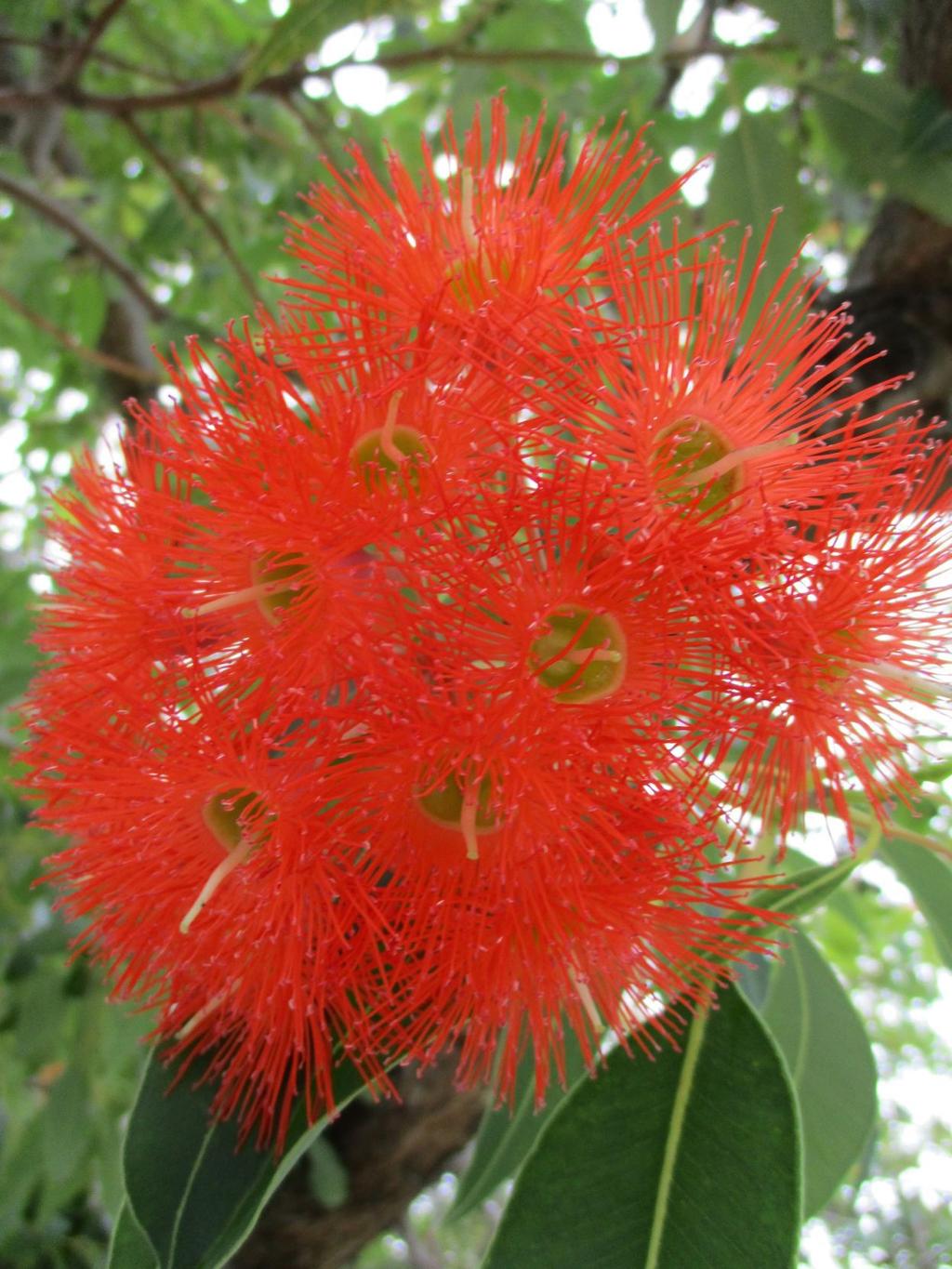
Flowering gums, also known as Corymbia or Eucalyptus species, are beautiful trees popular for their stunning blooms and aromatic leaves. However, many potential growers and gardeners wonder if they are messy due to their debris and maintenance requirements. The messiness of flowering gums can depend on several factors such as the tree species, the time of year, and the environment in which they are planted.
While flowering gums can produce litter, including fallen flowers, leaves, and seed pods, some species are less messy than others. Regular maintenance, including pruning and cleanup, can help manage the messiness and allow one to enjoy the beauty of these trees without overwhelming debris.
Reasons Why Flowering Gums Are Considered Messy
Flowering gums can be considered messy for several reasons. Their characteristic shedding of leaves and flowers can create a cluttered landscape.
- Fallen Leaves: In autumn, flowering gums drop numerous leaves, which can accumulate on the ground.
- Flower Drop: During their blooming season, these trees shed a significant quantity of flowers, adding to the litter.
- Seed Pods: After flowering, many species produce large seed pods that fall and can become a nuisance.
Maintenance Tips for Managing Messiness
To keep flowering gums from creating excessive mess, certain maintenance practices can be implemented. These tips can help garden owners deal with litter effectively.
- Regular Pruning: Trimming branches and thinning out dense foliage can minimize debris.
- Prompt Cleanup: Regularly clearing fallen leaves and flowers will maintain a tidy area.
- Mulching: Placing mulch under the trees can help absorb the debris and enhance the garden's look.
Choosing Less Messy Varieties
Not all flowering gums are created equal when it comes to messiness. Certain species tend to produce less debris than others, making them suitable choices for residential areas.
- Corymbia ficifolia: Known for its vibrant flowers, this species has a relatively lower leaf drop.
- Eucalyptus viminalis: This tree has a more manageable shedding rate compared to others.
- Corymbia citriodora: Also known as lemon-scented gum, it tends to leave less litter.
Environmental Impact on Littering
The environment where flowering gums are planted can significantly influence their messiness. Factors such as climate and soil can impact leaf and flower shedding patterns.
- Climate Conditions: Trees may shed more leaves during droughts or extreme weather conditions.
- Soil Quality: Poor soil can stress the trees, making them drop leaves and flowers more frequently.
- Humidity Levels: Higher humidity can cause more flowers to fall due to excess moisture on leaves.
Benefits Despite The Mess
Despite concerns about messiness, flowering gums offer numerous benefits that may outweigh their littering issues.
- Attractive Foliage: Their beautiful flowers and unique bark can enhance curb appeal.
- Wildlife Sanctuary: They attract bees, birds, and other wildlife that benefit local ecosystems.
- Shade Provision: Flowering gums provide ample shade, which can be advantageous in warmer climates.
Questions from Our Readers
What is the pink flowering gum tree eucalyptus ficifolia?
The pink flowering gum tree, also known as Eucalyptus ficifolia, is a species native to Australia. It is renowned for its striking pink flowers that bloom in the summer months, making it a sought-after ornamental tree. This tree is typically characterized by its smooth bark and can grow up to 15 meters tall.
How do you care for a pink flowering gum tree?
Caring for a pink flowering gum requires ensuring it has proper drainage and ample sunlight. It thrives in well-drained soils and should be watered deeply but infrequently to encourage strong root development. Regular pruning is also recommended to maintain its shape and promote healthy growth.
Where can I plant eucalyptus ficifolia?
Eucalyptus ficifolia is best planted in areas that receive full sun for most of the day. It prefers well-drained soils, making it suitable for gardens with sandy or loamy substrates. It's important to avoid low-lying areas that may retain water, as this can lead to root rot.
Are there any pests or diseases that affect pink flowering gum trees?
Yes, the pink flowering gum tree can be susceptible to certain pests and diseases, such as aphids and scale insects, which can weaken the tree. Additionally, fungal infections can occur, particularly in damp conditions. Regular monitoring and prompt treatment can help maintain the tree's health.

If you want to read more articles like Discover the Beauty and Care of the Pink Flowering Gum Tree Eucalyptus Ficifolia, we recommend you check out our Landscaping category.
Leave a Reply
Related Articles