10 Inspiring Modern Front Yard Landscaping Ideas Australia to Transform Your Home
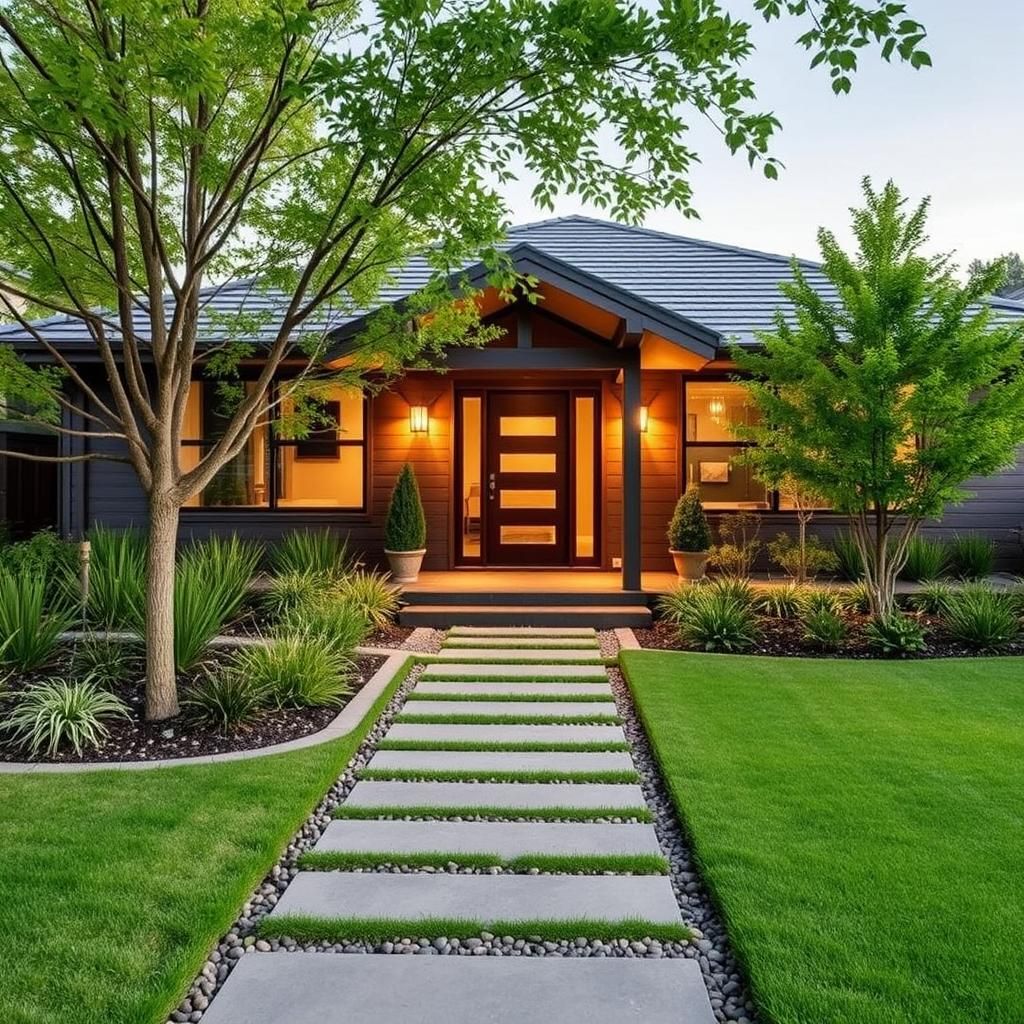
As homeowners increasingly seek to enhance their outdoor spaces, modern front yard landscaping has emerged as a vital aspect of home design in Australia. An inviting front yard not only elevates your home's curb appeal but also creates a welcoming atmosphere for guests and passersby. With a blend of sustainability, creativity, and contemporary aesthetics, the possibilities are virtually limitless. This article explores ten inspiring modern front yard landscaping ideas that can transform your home into a stunning reflection of your personal style while harmonizing with the Australian climate and environment. Discover how these innovative designs can elevate your outdoor living experience.
Modern Front Yard Landscaping Ideas in Australia
Creating a modern front yard landscape in Australia can dramatically enhance the curb appeal of a home while also reflecting the local climate and lifestyle. Embracing native plants not only promotes biodiversity but also ensures a low-maintenance garden suited to the Australian environment. Incorporating materials such as stone, timber, and concrete can add a contemporary flair, while the use of geometric shapes and clean lines in pathways and garden beds leads to a sleek and organized appearance. Furthermore, integrating outdoor lighting and water features can elevate the aesthetics and functionality of the landscaping, making it a welcoming space for both residents and visitors alike.
Incorporating Native Australian Plants
Utilizing native Australian plants is essential when designing a front yard landscape that thrives in the local climate. These plants are adapted to the region's conditions, requiring less water and maintenance compared to non-native species. Examples like the Kangaroo Paw and Grevillea not only offer beautiful blooms but also attract local wildlife, creating a vibrant ecosystem right in your front yard. Additionally, using these plants fosters environmental sustainability and supports biodiversity.
Modern Hardscaping Techniques
In modern front yard landscaping, hardscaping plays a crucial role in creating visually appealing and functional outdoor spaces. This involves integrating materials like pavers, tiles, and decorative stone to form driveways, pathways, and patios. A well-designed hardscape not only defines the space but also provides durability and ease of maintenance. Combining smooth surfaces with contrasting textures can add depth to the design, while strategic placement of lighting enhances the overall aesthetics at night.
Water Features for Serenity
Incorporating water features such as fountains or ponds can provide a serene ambiance in a modern front yard landscape. These elements not only bring tranquility but also contribute to the overall ecosystem by attracting birds and beneficial insects. A small pond surrounded by native plants can serve as a focal point, while a wall-mounted fountain adds an elegant touch with the soothing sound of flowing water. Proper maintenance ensures these features remain clean and functional, enhancing the yard's appeal.
Functional Outdoor Spaces
Creating functional outdoor spaces in the front yard allows for versatility and enjoyment of the area. Consider adding a seating area with stylish outdoor furniture or a fire pit for gatherings. Planning the layout carefully ensures that these functional zones complement the landscaping design and are easily accessible. Moreover, using multi-purpose elements, such as seating that doubles as storage, can optimize the space while maintaining a sleek appearance.
Lighting to Enhance Curb Appeal
Proper landscape lighting is essential for accentuating modern front yard features and ensuring safety during nighttime. Incorporating LED lights along pathways, under garden beds, and near water features can highlight architectural elements and create a welcoming atmosphere. Moreover, adjustable fixtures can allow homeowners to change the lighting intensity, providing flexibility for different occasions while enhancing the overall curb appeal of the property.
| Element | Benefits |
|---|---|
| Native Plants | Low maintenance, attracts wildlife, sustainable |
| Hardscaping | Durability, defines spaces, enhances aesthetics |
| Water Features | Serene ambiance, attracts wildlife, focal points |
| Functional Spaces | Versatility, enjoyment, optimized layout |
| Lighting | Enhances curb appeal, safety, flexible ambiance |
What is the rule of 3 in landscaping?

The Rule of 3 in landscaping is an essential principle that centers around the idea that odd numbers, particularly the number three, tend to create a more balanced and visually appealing design. This rule suggests using groups of three plants, features, or design elements to promote harmony in the landscape. The rationale behind this principle is rooted in human perception and the way the eye naturally moves, making compositions feel more cohesive and inviting.
Benefits of Using the Rule of 3
Utilizing the Rule of 3 in your landscaping design offers numerous benefits, including:
- Visual Balance: Grouping items in odd numbers fosters a more balanced appearance, avoiding flat and monotonous layouts.
- Focus Points: It provides clear focal points within the landscape, guiding the eye to key features.
- Enhanced Variety: The odd number creates a sense of variety and dynamism, preventing the design from feeling static.
Application in Plant Groupings
When it comes to plant layouts, the Rule of 3 can dramatically improve the design:
- Grouping Plants: Instead of planting individual specimens, group three plants of the same type together to create a more impactful display.
- Diversity: Use the rule to mix different species, creating groups of three that include various sizes, colors, and textures.
- Layering: Employ the rule in layered plantings, where three distinct heights are used for visual interest.
Incorporating Hardscaping Elements
The Rule of 3 is equally applicable to hardscaping features in your landscaping:
- Features: Include three hardscaping elements, like benches or sculptures, to create a unified outdoor space.
- Pathways: Design pathways that incorporate three distinct types of materials or textures to lead the eye through the garden.
- Lighting: Use three light fixtures to enhance specific areas of the landscape, ensuring even illumination without overwhelming the view.
Creating Layers with the Rule of 3
Layers are a critical component of effective landscaping, and the Rule of 3 can help achieve depth:
- Foreground, Midground, Background: Using three layers allows for a natural progression in the landscape from the foreground to the background.
- Texture Variations: Incorporate three different textures across these layers to add dimension and complexity.
- Color Schemes: Limit color palettes to three main colors to create a harmonious blend throughout the layers.
Common Mistakes to Avoid
When applying the Rule of 3, it's essential to avoid certain common pitfalls:
See also:
- Symmetry: A rigid symmetrical approach can undermine the natural beauty; instead, embrace asymmetry within the odd grouping.
- Too Many Elements: Sticking strictly to three can sometimes lead to overcrowding; prioritize quality over quantity.
- Neglecting Scale: Pay attention to the scale of the elements in relation to each other; three large items may overwhelm the space.
What is the most low maintenance landscaping for front yard?
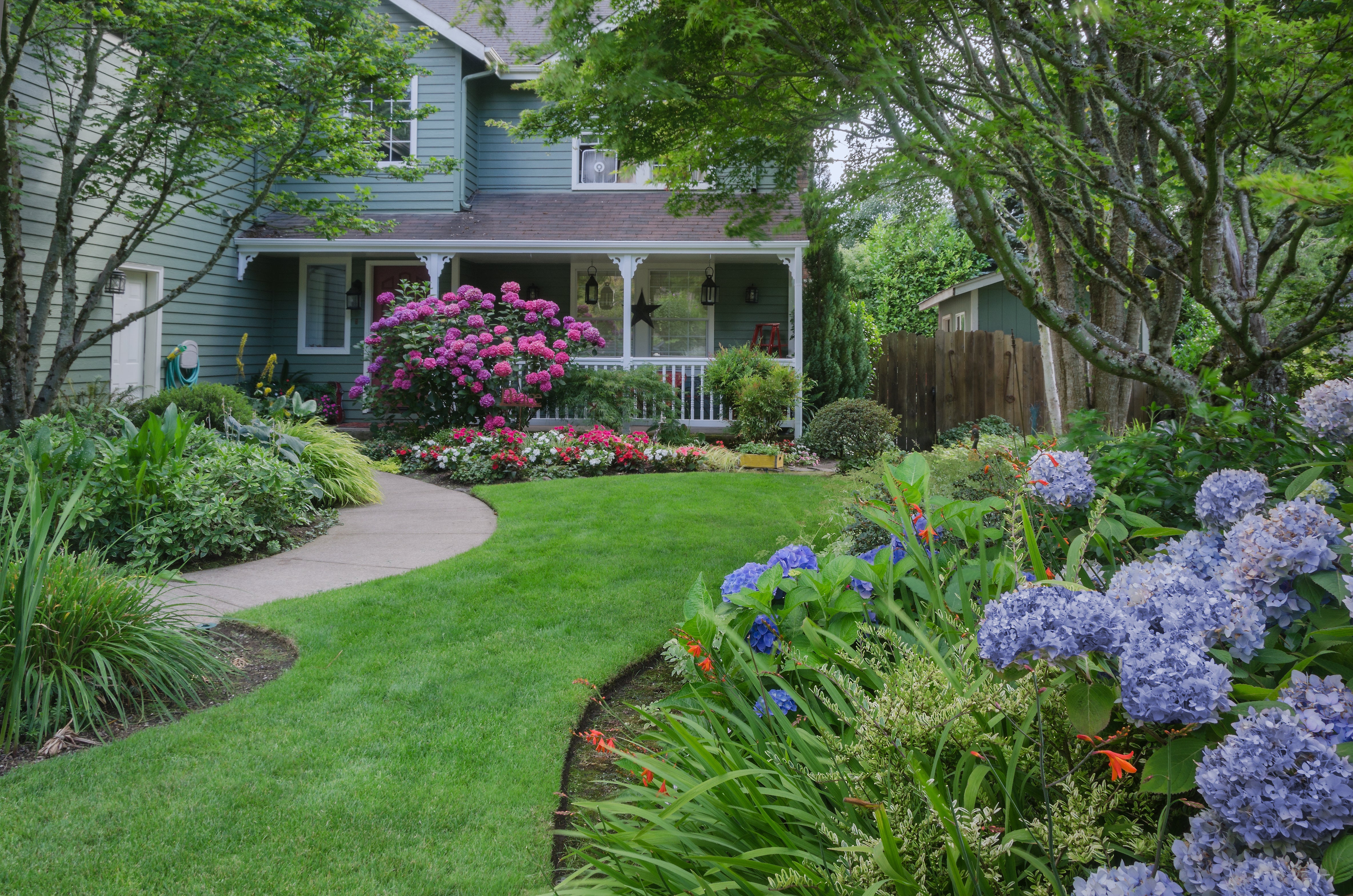
The most low maintenance landscaping for a front yard involves a combination of native plants, hardscaping elements, and efficient irrigation systems. Here are some key strategies to achieve an aesthetically pleasing yet easy-to-care-for landscape:
Utilize Native Plants
Choosing native plants is one of the most effective ways to create a low maintenance front yard. Native vegetation is adapted to the local climate and soil conditions, which greatly reduces the need for extensive care. Moreover, they typically require less water and are more resistant to pests and diseases.
- Drought-tolerant varieties: Select plants that do not need frequent watering.
- Pollinator-friendly species: Encourage local wildlife with plants that attract butterflies and bees.
- Seasonal interest: Choose natives that bloom at different times for year-round appeal.
Incorporate Hardscaping
Hardscaping involves using non-plant materials such as stone, gravel, or concrete to enhance the landscape. This method significantly reduces the area that needs to be maintained.
- Pathways and patios: Create defined walking areas using pavers or gravel.
- Retaining walls: Use stone walls to create terraced levels, reducing erosion and maintenance.
- Mulching: Add mulch in flower beds to suppress weeds and reduce the need for weeding.
Choose Perennial Ground Covers
Perennial ground covers are an excellent choice for low maintenance landscaping. These plants spread quickly and fill in spaces, reducing the need for lawn care.
- Variety of textures: Select ground covers that vary in height and texture for visual interest.
- Low-growing plants: Options like creeping thyme or sedum provide color without the need for mowing.
- Soil erosion control: Ground covers help stabilize the soil and reduce runoff.
Implement Efficient Irrigation
Watering can be a significant chore, but implementing an efficient irrigation system can mitigate this problem.
- Drip irrigation: Target water directly at the roots of plants for reduced evaporation.
- Rain barrels: Collect rainwater to use in dry spells, promoting sustainability.
- Smart controllers: Use technology to adjust watering schedules based on weather conditions.
Plan for Seasonal Changes
By selecting plants that offer seasonal changes, you can create a visually interesting landscape with minimal care throughout the year.
- Evergreens: Incorporate plants that maintain their foliage year-round.
- Seasonal bloomers: Choose a mix of flowering plants that bloom at different times.
- Fall colors: Add deciduous plants that offer vibrant fall foliage for seasonal appeal.
What is the first rule of landscaping?

The first rule of landscaping is to understand the site conditions. This involves evaluating various factors that influence how the landscape will evolve, including soil quality, sunlight exposure, drainage, and climate. Before starting any landscaping project, one must assess these elements to ensure that the chosen plants and designs will thrive in the specific environment.
Assessing Soil Quality
Understanding the soil quality is crucial as it affects plant growth. Different plants require different soil types and pH levels. To assess soil quality, one should consider:
- Conducting a soil test to determine pH and nutrient levels.
- Checking for drainage abilities to prevent waterlogging.
- Identifying soil texture (sand, silt, clay) for appropriate planting choices.
Sunlight Exposure
Sunlight exposure plays a significant role in choosing the right plants. Areas in your yard may receive different amounts of sunlight throughout the day. To effectively assess this, one should:
- Observe the area at different times to identify sun and shade patterns.
- Note any obstacles that may block sunlight, such as trees or buildings.
- Choose plants based on their sun requirements, like full sun, partial shade, or full shade.
Understanding Drainage
Drainage is another critical factor to consider in landscaping. Poor drainage can lead to water pooling, which can harm plants. To evaluate drainage, you can:
- Conduct a drainage test by observing how fast water soaks into the soil.
- Identify any low areas where water tends to accumulate.
- Plan for proper drainage solutions like French drains or raised beds if necessary.
Climatic Conditions
The climatic conditions of your area, such as temperature, humidity, and rainfall, dictate what plants will grow well. To better understand these conditions, you should:
- Research your hardiness zone to identify suitable plant species.
- Consider seasonal variations and how they may affect growth.
- Look into local weather patterns that may influence your landscaping decisions.
Choosing the Right Plants
Once you have assessed the above factors, you can move on to choosing the right plants that will thrive in your landscape. This can involve:
See also:
- Selecting native plants that are well adapted to local conditions.
- Incorporating a variety of plants to create biodiversity.
- Planning for seasonal changes to maintain visual interest throughout the year.
What are the 7 steps to landscape design?
The 7 steps to landscape design involve a structured approach that helps in creating beautiful and functional outdoor spaces. These steps guide the designer through analysis, planning, and implementation, ensuring all elements work harmoniously together. Here’s an overview of each step:
1. Inventory and Analysis: Evaluate the existing site conditions.
2. Establish Goals and Objectives: Clarify what you want to achieve with the landscaping project.
3. Design Concepts: Create preliminary design ideas.
4. Schematic Design: Develop more detailed plans based on feedback.
5. Master Plan: Finalize a comprehensive layout of the landscape.
6. Implementation: Execute the design by bringing it to life.
7. Maintenance and Management: Establish a plan for ongoing care of the landscape.
Step 1: Inventory and Analysis
In the first step, it’s crucial to create a detailed inventory of the site. This includes understanding the topography, soil type, climate, and existing vegetation. Evaluating these factors allows one to make informed choices. Key aspects to look at include:
- Site Measurements: Measure the area to understand space constraints.
- Sun and Wind Patterns: Analyze how these elements affect the site.
- Soil Quality: Test the soil to know its nutrient levels and drainage capacity.
Step 2: Establish Goals and Objectives
After analyzing the site, it's essential to set clear goals for the landscape design project. This step requires collaboration and communication to ensure the client's vision is understood and considered. Important factors to define may consist of:
- Functional Requirements: Determine how the space will be used (e.g., entertaining, gardening).
- Aesthetic Preferences: Discuss the style, colors, and plant types that appeal to the client.
- Budget Considerations: Establish a budget to guide design choices.
Step 3: Design Concepts
In this phase, preliminary design concepts are created based on the gathered information and established goals. These concepts should be flexible and allow room for changes. The following elements are usually included:
- Sketches or Renderings: Create visual representations of ideas.
- Plant Selection: Start identifying suitable plants that fit the design.
- Layout Plans: Draft initial layouts that outline major features like patios and pathways.
Step 4: Schematic Design
The schematic design involves refining concepts from the earlier step. Feedback from clients is crucial, leading to clearer and more detailed plans that incorporate practical considerations. Essential components might be:
- Site Plans: Develop layout drawings to scale.
- Material Choices: Select materials for hardscape surfaces.
- Plant Grouping: Organize plant layouts for visual balance and harmony.
Step 5: Master Plan
The master plan synthesizes all preceding steps into a comprehensive design. This final version serves as a blueprint for implementation. Key elements typically feature in a master plan include:
- Detailed Planting Plans: Indicate specific plant locations.
- Irrigation Systems: Plan for efficient water management.
- Lighting Design: Outline how illumination will enhance the space at night.
Step 6: Implementation
This step marks the start of the actual implementation of the landscape design. It involves various contractors and skilled workers to carry out the plan. Important points during this phase include:
- Scheduling: Create a timeline for construction activities.
- Quality Control: Ensure materials and workmanship meet design specifications.
- Adaptability: Be ready to adjust the plan for unforeseen issues on-site.
Step 7: Maintenance and Management
The final step, maintenance and management, is critical to ensure the landscape thrives over time. A maintenance plan should address the following aspects:
- Regular Upkeep: Schedule for tasks like pruning, watering, and fertilization.
- Seasonal Care: Outline activities specific to different seasons.
- Monitoring Growth: Assess plant health and landscape functionality regularly.
Questions from Our Readers
What are some popular modern front yard landscaping ideas in Australia?
One popular trend in Australia is the use of native plants that require minimal maintenance and are well-suited to the local climate. Additionally, incorporating hardscaping elements like stone pathways and decks can create a clean, modern look. Sustainable practices, such as rainwater harvesting and using recycled materials, are also gaining traction in modern landscapes.
How can I make my front yard more sustainable?
To create a more sustainable front yard, consider using drought-resistant plants that require less water and maintenance. Installing a rain garden can help manage stormwater runoff, while adding mulch can improve soil quality and reduce weed growth. Including edible plants provides both beauty and functionality, allowing you to grow your own herbs and vegetables.
What is the importance of hardscaping in modern landscaping?
Hardscaping plays a crucial role in modern landscaping as it provides structure and functionality to outdoor spaces. By incorporating materials like concrete, stone, and wood, you can create patios, walkways, and retaining walls that enhance the aesthetic appeal and usability of your front yard. These features also help define spaces and guide movement through the landscape.
How can I incorporate art into my front yard landscaping?
Incorporating art elements like sculptures, decorative planters, or unique garden furniture can add personality to your front yard. Choose pieces that resonate with your style and complement the surrounding landscape. Consider the use of color and texture to create a visually appealing focal point that draws attention and enhances the overall design.
See also:

If you want to read more articles like 10 Inspiring Modern Front Yard Landscaping Ideas Australia to Transform Your Home, we recommend you check out our Landscaping category.
Leave a Reply
Related Articles