Top 10 Low Maintenance Plants for Front Yard Australia: Thrive with Minimal Effort
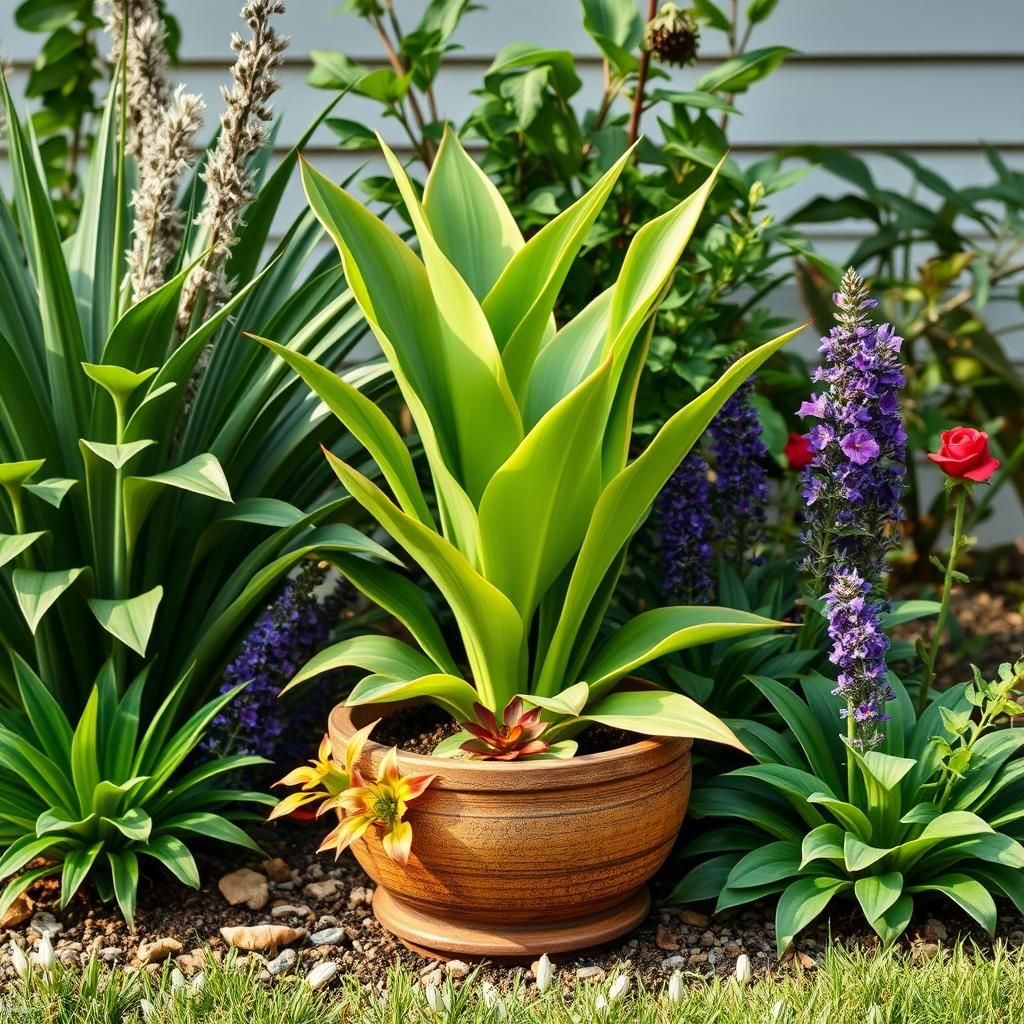
When it comes to landscaping your front yard in Australia, choosing the right plants can make all the difference. Low maintenance plants are an ideal solution for busy homeowners who desire a beautiful outdoor space without the constant upkeep. In this article, we explore the top 10 low maintenance plants that not only thrive in Australia’s diverse climate but also add aesthetic appeal with minimal effort. From drought-resistant varieties to those that flourish in various soil types, these selections will help you create a vibrant and inviting front yard that requires less time and care, allowing you to enjoy your outdoor oasis.
Low Maintenance Plants for Your Front Yard in Australia
When choosing low maintenance plants for your front yard in Australia, it is essential to consider local climate conditions and drought resistance. Many Australian natives, such as succulents and groundcovers, thrive in diverse environments with minimal care, making them ideal choices for homeowners seeking beauty without the high upkeep. For example, Kangaroo Paw and Purple Coral Pea not only add vibrant color but also attract local wildlife, while coastal shrubs like Lilly Pilly provide excellent hedging options with low water requirements. These choices foster a sustainable landscape that aligns with Australian flora and helps conserve water, contributing positively to the ecosystem.
Benefits of Choosing Native Plants
Native plants are adapted to Australia's unique climate, thereby requiring less water and maintenance. They are designed to thrive in local soil conditions and are more resilient to pests and diseases. By integrating these plants, you create a sustainable environment that supports local biodiversity while ensuring that your front yard remains vibrant and inviting throughout the year.
Popular Low Maintenance Plants
Some of the most popular low maintenance plants in Australia include Agave, Native Fuchsia, and Australian Daisy. These plants not only require minimal watering and care but also bloom beautifully, enhancing the visual appeal of your garden. Their hardy nature makes them perfect for various soil types and climatic conditions, allowing homeowners to enjoy a lush garden without intensive upkeep.
Designing a Low Maintenance Garden
Designing a low maintenance garden involves careful selection of plants, placement, and landscaping techniques. Incorporate features like mulching, which helps retain moisture and reduce weeds, and group plants with similar water needs together. Additionally, utilizing stone paths or gravel areas can minimize grass space, reducing the need for mowing and watering, which creates a more sustainable and visually pleasing front yard.
Watering and Care Tips
Although the goal is to have a low maintenance garden, basic care still requires some attention. Once established, most native plants need less frequent watering, generally thriving on rainfall alone. In the initial stages, ensure consistent watering until they are settled, and consider implementing a drip irrigation system for efficient water management. Regularly checking for pests and diseases will also ensure the health of your plants with minimal effort.
Creating a Sustainable Landscape
To create a truly sustainable landscape, focus on permaculture principles by considering how plants interact within their environment. Using organic compost, native plants, and xeriscaping techniques allows your front yard to flourish with minimal environmental impact. This approach not only makes your garden easier to maintain but also encourages healthier soil and promotes a balanced ecosystem, proving that low-maintenance doesn't have to compromise beauty.
| Plant Name | Water Requirement | Sunlight Needs |
|---|---|---|
| Kangaroo Paw | Low | Full Sun |
| Agave | Very Low | Full Sun to Partial Shade |
| Lilly Pilly | Moderate | Full Sun to Partial Shade |
| Purple Coral Pea | Low | Full Sun |
| Australian Daisy | Low | Full Sun |
What is the most low maintenance landscaping for front yard?
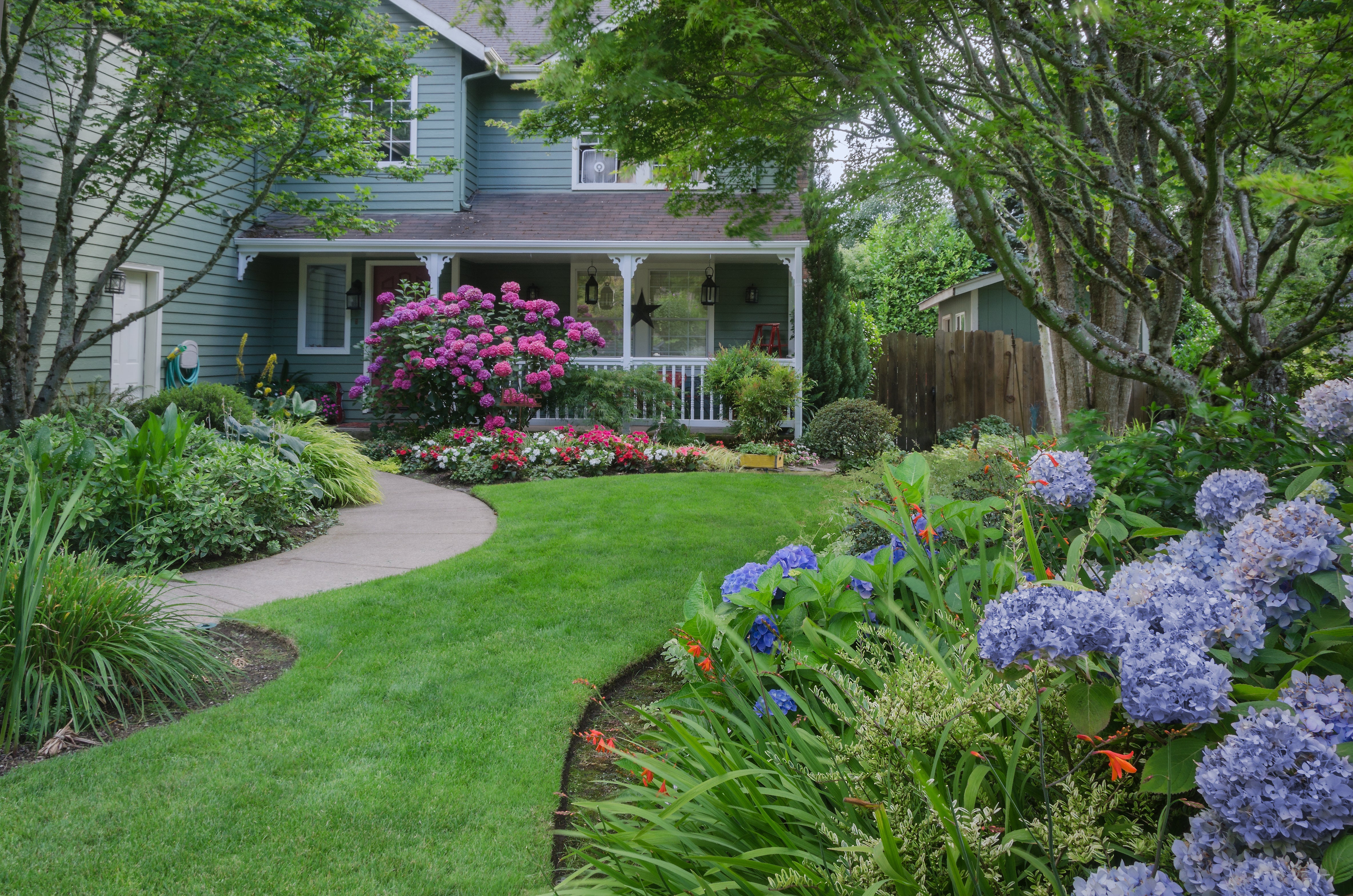
The most low maintenance landscaping for a front yard focuses on utilizing plants, materials, and designs that require minimal care and upkeep. By choosing the right elements, homeowners can create an attractive exterior without spending significant time or money on maintenance.
Choosing Native Plants
Native plants are acclimated to the local climate and soil, making them ideal for low maintenance landscaping. They typically require less water and are more resistant to pests and diseases.
- Water-efficient: Native plants are adapted to thrive in local rainfall patterns, reducing the need for irrigation.
- Low pest issues: These plants have evolved alongside local insects, minimizing the likelihood of infestations.
- Soil compatibility: Native plants are suited to the local soil types and conditions, enhancing growth and reducing stress.
Use Mulch for Ground Cover
Applying mulch in planting beds can help suppress weeds, retain moisture, and enhance the aesthetics of the front yard.
- Weed control: A thick layer of mulch can prevent weed growth, reducing the need for regular weeding.
- Moisture retention: Mulch helps keep soil moist, which is critical during dry periods.
- Aesthetic appeal: Different mulch types can improve the visual appeal of your landscaping.
Incorporating Hardscape Features
Hardscaping refers to the non-plant elements of landscaping such as patios, pathways, and rocks. These features reduce the need for plant care.
See also:
- Durability: Hardscapes are long-lasting and require minimal maintenance compared to living plants.
- Versatility: A variety of materials, including stone, pavers, and gravel, can be used to create unique designs.
- Functional spaces: Hardscaping provides usable outdoor space for relaxation and entertainment without the need for extensive upkeep.
Perennial Plants over Annuals
Opting for perennial plants instead of annuals can significantly cut down on maintenance, as perennials return year after year without the need for replanting.
- Longevity: Perennials come back each season, eliminating the need for annual replanting efforts.
- Seasonal interest: Many perennials offer bloom cycles throughout the growing season, providing visual interest.
- Established root systems: Perennials often develop deep roots, making them more drought-resistant once established.
Minimal Lawn Area
Reducing the size of lawn areas can lead to less maintenance by limiting the need for mowing, watering, and fertilizing.
- Reduced mowing: Smaller lawns mean less frequent mowing, which saves time and effort.
- Lower water requirements: Less lawn area translates to decreased need for irrigation, particularly in dry areas.
- Opportunities for creativity: With less grass, there is more room to incorporate diverse landscaping elements, such as flower beds and rock gardens.
What outdoor plants require the least maintenance?

Low-Maintenance Perennials
Low-maintenance perennials are ideal for outdoor gardens as they can thrive without constant attention. They return year after year, providing consistent beauty with minimal effort. Examples include:
- Daylilies - These hardy plants are drought-tolerant and bloom throughout the summer.
- Hostas - Known for their lush foliage, they grow well in shady areas and require little maintenance.
- Sedums - These succulent plants store water in their leaves, making them perfect for dry climates.
Drought-Tolerant Plants
Drought-tolerant plants are essential for low-maintenance gardening, especially in areas prone to low rainfall. They require less frequent watering once established. Popular choices include:
- Lavender - A fragrant herb that thrives in dry soil and attracts pollinators.
- Sage - This herb not only requires minimal watering but also adds flavor to your kitchen.
- Agave - Known for its striking appearance, it thrives in arid conditions with little care.
Native Plants
Using native plants in your garden can significantly reduce maintenance efforts. These plants are adapted to local climates and soil conditions, making them resilient and easier to care for. Some beneficial native plants include:
- Echinacea (Coneflower) - This vibrant flower is not only drought-resistant but also attracts beneficial insects.
- Black-eyed Susan - Hardy and resilient, they bloom profusely throughout the summer.
- Wild Blueberry - They require minimal care and produce delicious fruit while supporting local wildlife.
Ground Covers
Ground cover plants are excellent for suppressing weeds and requiring less maintenance. They fill in spaces quickly and often need minimal watering. Some popular ground covers include:
- Creeping Thyme - This aromatic herb thrives in poor soil and tolerates foot traffic.
- Ajuga - Its colorful foliage makes it visually appealing while needing little care.
- Vinca Minor (Periwinkle) - This hardy plant offers beautiful blooms and can thrive in various conditions.
Ornamental Grasses
Ornamental grasses are a great choice for low-maintenance landscaping. They add movement and texture to gardens, usually needing less water and care. Recommended varieties include:
- Blue Fescue - A clumping grass that is drought-tolerant and adds a unique blue hue to the garden.
- Switchgrass - Adaptable and ideal for various soil types; it provides height and movement.
- Pennisetum - Known as fountain grass, it produces stunning plumes and thrives in sunny spots.
What is the best plant to block neighbours?
:max_bytes(150000):strip_icc()/rest_1_1_11625-2047d6732dc0438785d55d2f3a490fda.jpeg)
The best plants to block neighbours are typically tall, dense, and fast-growing species that provide a substantial visual barrier. Here are some of the most effective options:
1. Leyland Cypress
Leyland Cypress is a popular choice for creating privacy screens due to its rapid growth and ability to reach heights of up to 70 feet. It has a dense foliage which offers excellent year-round coverage.
- Fast Growth: Can grow up to 3-4 feet per year.
- Dense Foliage: Provides a solid visual barrier.
- Low Maintenance: Once established, it requires minimal upkeep.
2. Bamboo
Bamboo is a versatile plant that can create an effective screen in a relatively short amount of time. Certain varieties can grow up to 35 feet tall, making them excellent for privacy.
See also:
- Fast Growing: Many types of bamboo can reach full height within a couple of years.
- Variety of Species: Both clumping and running bamboo species are available, allowing for options based on space.
- Natural Aesthetic: Adds an exotic look to your garden or yard.
3. Arborvitae
Arborvitae is another excellent option, known for its evergreen nature and ability to grow densely. Varieties like Green Giant can reach heights of 50-60 feet and form a solid hedge.
- Evergreen Foliage: Retains leaves year-round, providing continuous coverage.
- Low Maintenance: Requires minimal pruning to maintain its shape.
- Wind Resistance: Good at withstanding strong winds due to its dense form.
4. Privet Hedge
The Privet Hedge is a classic choice for creating privacy screens. It can grow up to 15 feet tall and can be trimmed to form a tight, dense hedge.
- Fast Growth: Can fill in spaces quickly when planted appropriately.
- Customizable: Easy to shape and maintain, allowing for tailored heights.
- Dense Coverage: Forms a thick barrier that is difficult to see through.
5. Boxwood
Boxwood can be a slightly slower-growing option but is favored for its evergreen nature and adaptability to shaping and pruning. It typically reaches around 10-15 feet tall.
- Versatile Use: Can be shaped into various forms for aesthetic appeal.
- Long Lifespan: Known to last for many years with proper care.
- Dense Foliage: Provides effective visual blocking when group-planted.
What is the best plant for a front yard?
:max_bytes(150000):strip_icc()/abelia_miss_lemon_-c42c767035d540cd9ae12d02e6db3d2a.jpg)
The best plant for a front yard can vary based on climate, soil type, and architectural style of the home, but ornamental shrubs are often considered the top choice due to their versatility and aesthetic appeal. They provide structure, year-round greenery, and can enhance the overall appearance of the front yard. Some recommended options include boxwood, hydrangea, and azalea. These plants not only add value but also require minimal maintenance, making them suitable for various homeowners.
Benefits of Using Ornamental Shrubs
Ornamental shrubs offer numerous advantages for front yards. Their year-round foliage provides continual green color, while flowering varieties contribute seasonal interest. Some key benefits include:
- Aesthetic Appeal: They create an inviting and visually appealing landscape.
- Low Maintenance: Many ornamental shrubs require little care once established.
- Diversity: Available in various sizes, colors, and forms, they can suit any design preference.
Considerations for Climate Compatibility
When selecting plants for your front yard, considering your local climate is crucial. Different plants thrive in various conditions. Some points to keep in mind include:
- Hardiness Zones: Research your USDA Hardiness Zone to find plants that are suited to your area.
- Sunlight Requirements: Ensure the plants you choose match the sunlight availability in your front yard.
- Rainfall Patterns: Understand how much water your plants will need based on your local rainfall.
Choosing the Right Size and Scale
The size and scale of your chosen plants should harmonize with your home's architecture and the surrounding landscape. Important aspects include:
- Proportion: Select plants that complement your home’s size; larger homes can handle bigger shrubs.
- Layering: Use smaller plants in the front and larger ones towards the back for depth.
- Height: Ensure no plants obstruct views or pathways, maintaining safety and accessibility.
Seasonal Interest and Color Variation
For a visually dynamic front yard, select plants that provide seasonal interest. Here are some elements to consider:
- Flowering Seasons: Choose shrubs that bloom at different times to ensure color throughout the year.
- Foliage Change: Some plants offer attractive fall colors or unique textures year-round.
- Fragrance: Including fragrant varieties can enhance the sensory experience of your yard.
Combining Plants for a Cohesive Look
Integrating various plant species can create a harmonious and aesthetically pleasing front yard. Here’s how to achieve a cohesive look:
- Color Schemes: Select a color palette that complements your home’s exterior.
- Plant Heights: Mix plants of varying heights to add depth and visual layers to your landscape.
- Texture and Form: Combine plants with different textures and shapes for an interesting composition.
Questions from Our Readers
What are some examples of low maintenance plants for front yards in Australia?
Examples of low maintenance plants for front yards in Australia include varieties such as sedums, agapanthus, and lavender. These plants are well-suited to the Australian climate, requiring minimal care while providing beauty and resilience in landscaping.
How often should low maintenance plants be watered in Australia?
Typically, low maintenance plants should be watered every few weeks, depending on the climate and rainfall. Australian conditions can vary greatly, so it's crucial to monitor the soil moisture to ensure that the plants are receiving adequate hydration without overwatering.
See also:
Are low maintenance plants in Australia resistant to pests?
Many low maintenance plants in Australia are naturally resistant to pests and diseases due to their hardiness. Plants like succulents and native shrubs generally require less chemical intervention, making them a sustainable choice for any front yard.
Can low maintenance plants thrive in different types of soil?
Yes, many low maintenance plants can thrive in various soil types, but it's essential to select plants that are appropriate for your specific soil conditions. Incorporating native Australian plants can lead to a successful garden that requires less effort regarding soil amendments and care.
If you want to read more articles like Top 10 Low Maintenance Plants for Front Yard Australia: Thrive with Minimal Effort, we recommend you check out our Landscaping category.
Leave a Reply
Related Articles