Understanding the Impact of Little Green Caterpillars Eating Plants Australia: A Gardening Guide
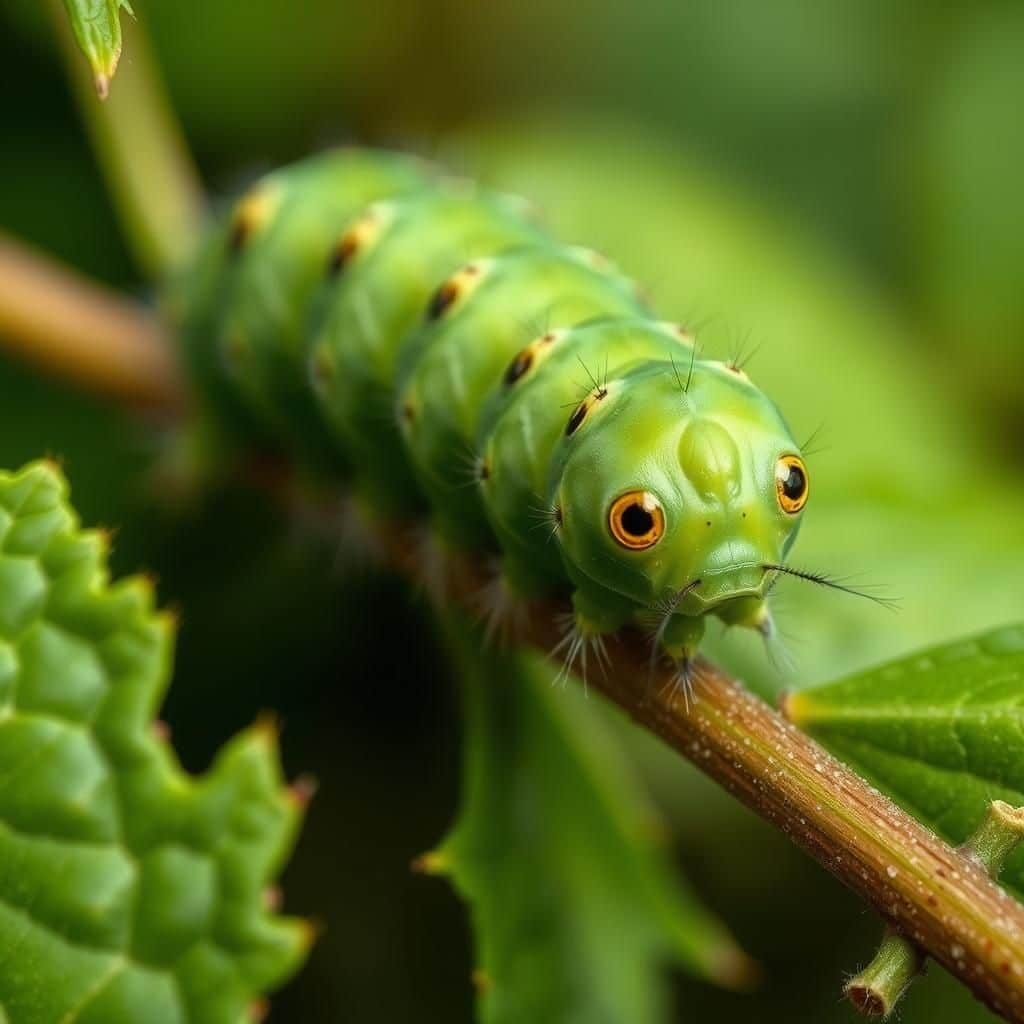
Little green caterpillars are an often-overlooked aspect of gardening in Australia, yet their presence can significantly impact plant health and growth. Understanding their behavior and life cycle is crucial for gardeners looking to maintain vibrant, thriving gardens. In this guide, we will explore the effects of these caterpillars on various plant species, identify common types found across Australian gardens, and provide practical strategies for managing their populations. By gaining insights into the relationship between little green caterpillars and plants, gardeners can adopt effective methods to protect their greenery while fostering a balanced ecosystem in their outdoor spaces.
Impact of Little Green Caterpillars on Australian Vegetation
Little green caterpillars, often found in Australia, play a significant role in the local ecosystem as they consume a variety of plants. These caterpillars, which typically belong to several species of moths and butterflies, can become pests when their populations surge, leading to significant damage to agricultural crops and native flora. Their feeding habits can result in leaf loss, stunted growth, and even death of plants, placing considerable stress on local biodiversity and agricultural sustainability. As such, understanding their impact is crucial for both farmers and conservationists aiming to manage these pests effectively while balancing the needs of the ecosystem.
Identifying Little Green Caterpillars
Identifying little green caterpillars often involves observing their color and size, which can vary among different species found in Australia. Generally, these caterpillars are soft-bodied and can range from light green to dark green with subtle variations in patterns. Key identifying features may include distinctive stripes or spots, as well as the shape of their bodies, which can be more elongated or plump depending on the species. Recognizing these characteristics can help in determining the right approach to control and management.
Lifecycle of Little Green Caterpillars
The lifecycle of little green caterpillars typically includes several stages: egg, larvae, pupa, and adult moth or butterfly. The eggs are laid on the host plants, and once they hatch, the larvae begin feeding voraciously, which is the caterpillar stage. After several molts, the caterpillars enter the pupal stage, eventually emerging as adult moths or butterflies that will continue the cycle. Understanding their lifecycle is vital for implementing effective pest management strategies, especially to combat outbreaks.
Impact on Agriculture
In Australian agriculture, little green caterpillars can severely impact the health and productivity of crops. As they feed on leaves, they not only reduce the photosynthetic capacity of plants but can also open the gate for secondary pests and diseases, exacerbating the problem. Farmers may need to invest in integrated pest management practices to mitigate damage while protecting beneficial insects and maintaining soil health. Recognizing the signs of infestation early can help in applying control measures before significant losses occur.
See also:
Natural Predators and Control Methods
Natural predators play an essential role in controlling little green caterpillar populations in Australia. Birds, wasps, and certain beetles can help keep these caterpillars in check, creating a natural balance in the ecosystem. Additionally, organic control methods such as introducing beneficial insects, using natural predators, or applying insecticidal soaps can be effective. Employing these methods can reduce reliance on chemical pesticides, aligning agricultural practices with environmentally sustainable methods.
Conservation Considerations
While little green caterpillars can be considered pests, they also serve as a food source for many animals, contributing to the biodiversity of the ecosystem. Conservation efforts must consider the balance between managing caterpillar populations and preserving the species that rely on them. Protecting natural habitats and ensuring a diverse range of plants can help maintain healthy populations of both plants and their associated insect communities, fostering a resilient ecosystem.
| Aspect | Details |
|---|---|
| Common Species | Common blue butterfly caterpillar, Armyworm |
| Feeding Habits | Leaf consumption, can cause significant plant damage |
| Natural Predators | Birds, wasps, beetles |
| Lifecycle Stages | Egg, larvae, pupa, adult |
| Pest Management | Integrated pest management, organic methods |
Identifying Common Little Green Caterpillars in Australian Gardens
In Australian gardens, little green caterpillars often pose a significant threat to various plant species by consuming leaves and stems. These caterpillars can rapidly decimate foliage, leading to severe damage and affecting the overall health of plants. They are particularly notorious for their rapid reproduction rate, making it essential for gardeners to identify them promptly. Knowing the specific species can aid in determining effective control methods while minimizing the impact on beneficial insects and the garden's ecosystem. By monitoring for signs of caterpillar feeding, such as chewed leaves and the presence of droppings, gardeners can take proactive measures to manage these pests before they cause irreparable harm.
Lifecycle of Caterpillars in Australian Gardens
Understanding the lifecycle of little green caterpillars is crucial for effective management. They undergo several stages, including egg, larva (caterpillar), pupa, and adult (moth or butterfly). As larvae, they feed voraciously on plant material, growing rapidly until they are ready to pupate. The timeframe from egg to adult can vary based on environmental conditions, such as temperature and availability of food sources. Recognizing these stages allows gardeners to time their interventions more effectively and target caterpillars before they mature and reproduce, leading to larger infestations.
Common Plant Hosts of Caterpillars
Little green caterpillars are known to prefer specific host plants, which can vary depending on the species. Commonly affected plants in Australia include cabbages, broccoli, and other greens, as well as many flowering plants. These caterpillars are often attracted to young, tender leaves, making seedlings particularly vulnerable. Understanding which plants are at risk can help gardeners develop a more informed planting strategy, including crop rotation and the use of companion planting to deter these pests.
See also:
Signs of Infestation and Damage
Detection of a little green caterpillar infestation can be identified through various signs. Look for chewed leaves, holes in foliage, and the presence of larvae themselves. Additionally, caterpillar droppings can often be found on or near affected plants, indicating active feeding. Early detection is key to managing their impact, as these signs can guide gardeners in determining the extent of the problem and the necessary steps to mitigate the damage they cause.
Organic Control Methods for Caterpillar Management
For those seeking to manage little green caterpillar populations organically, several methods can be effective. Using natural predators like birds and beneficial insects can help keep the caterpillar population in check. Additionally, applying neem oil or insecticidal soap can deter caterpillars without harming the environment. Regularly inspecting plants and removing any visible caterpillars by hand is also recommended for small-scale infestations. Implementing these strategies can protect your garden while maintaining a balance within the ecosystem.
Preventive Measures to Protect Your Garden
Preventing little green caterpillar infestations is often more effective than controlling them once they occur. Gardeners should consider implementing barriers like row covers to physically shield plants from caterpillar access. Regularly practicing crop rotation and planting pest-resistant varieties can reduce vulnerability. Encouraging a diverse ecosystem with plants that attract beneficial insects can also create a natural balance, making it less likely for caterpillars to thrive. By taking these proactive steps, gardeners can reduce the likelihood of infestations and support healthier plant growth.
Questions from Our Readers
What types of little green caterpillars are found in Australia?
Many species of little green caterpillars can be found in Australia, including cabbage worms and cutworms. These caterpillars are known for their distinctive green color, which helps them blend in with the foliage, making them less visible to predators.
Are little green caterpillars harmful to plants?
Yes, little green caterpillars can be quite harmful to plants. They primarily feed on leaves, which can lead to significant damage and reduce the overall health and yield of plants, especially crops.
See also:
How can I control little green caterpillars in my garden?
Controlling little green caterpillars can be achieved through various methods, such as using natural predators like birds, applying organic pesticides, or implementing handpicking to remove them from plants. Regular monitoring of your garden is essential to manage these pests effectively.
When is the best time to look for little green caterpillars?
The best time to look for little green caterpillars is during the spring and summer months when they are most active and feeding on abundant foliage. Early detection is key to preventing extensive damage to your plants.

If you want to read more articles like Understanding the Impact of Little Green Caterpillars Eating Plants Australia: A Gardening Guide, we recommend you check out our Gardeners category.
Leave a Reply
Related Articles