Is White Vinegar and Water Good for Plants? Exploring Benefits and Concerns
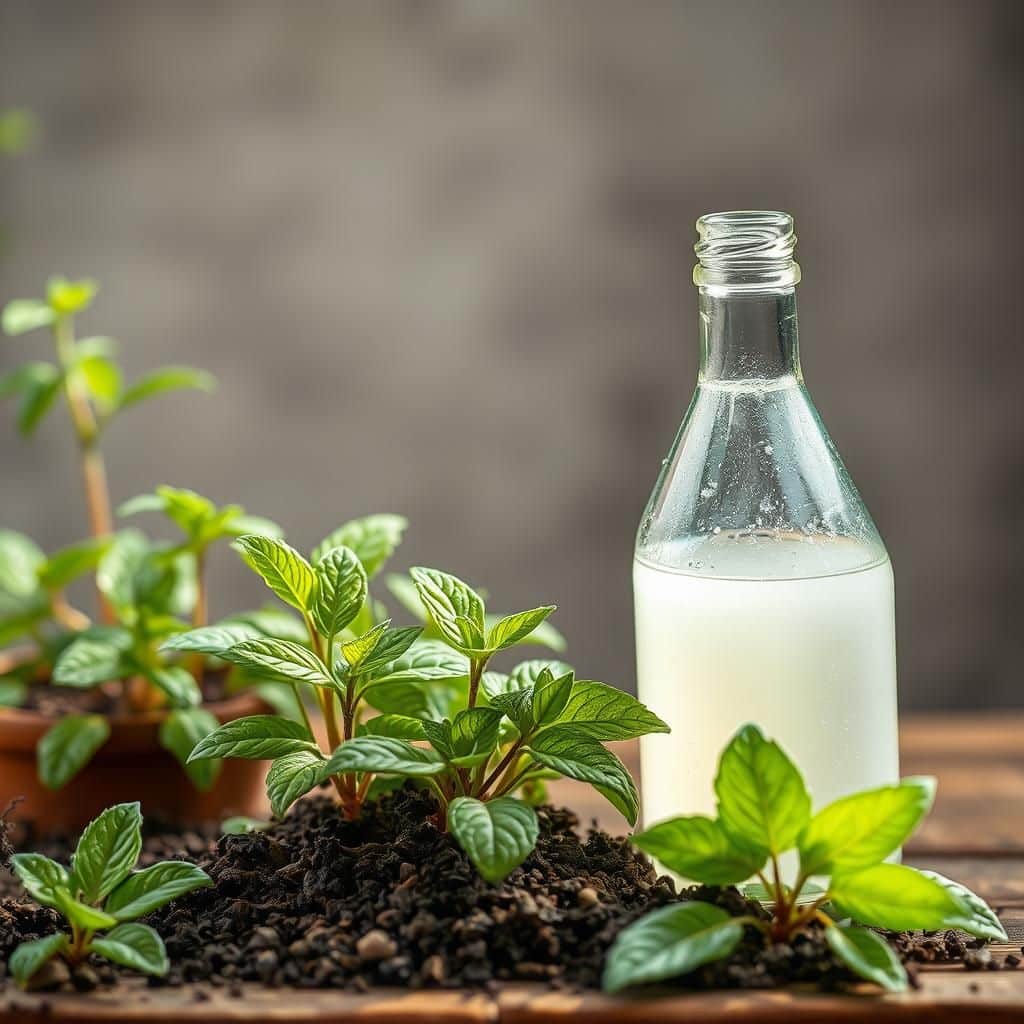
As gardening enthusiasts look for natural solutions to improve plant health, the combination of white vinegar and water has gained attention for its potential benefits. This mixture is often touted for its ability to control pests, enhance soil acidity, and even promote growth in certain plants. However, while white vinegar is a versatile ingredient with many uses, its application in gardening comes with risks that every gardener should consider. In this article, we will explore the benefits and concerns associated with using white vinegar and water on plants, helping you make informed decisions for your gardening practices.
Is White Vinegar Mixed with Water Beneficial for Plants?
Mixing white vinegar with water can be beneficial for plants in certain situations, particularly for controlling unwanted weeds or pests. The acetic acid in white vinegar acts as a natural herbicide, which can help eliminate unwanted plant growth when applied directly to the leaves of weeds. However, it's crucial to dilute the vinegar properly with water to prevent harming desirable plants, as high concentrations can damage foliage. Additionally, using vinegar on plants that thrive in alkaline conditions may negatively affect them by altering the soil pH. While there are potential benefits to using white vinegar, it should be done with caution and understanding of the specific plant needs.
How Does White Vinegar Affect Soil pH?
White vinegar is acidic, with a pH of around 2.5, and when diluted with water, it can influence the pH levels of soil. Applying vinegar can lower the pH, making the soil more acidic, which may benefit certain plants, such as blueberries or azaleas, that thrive in acidic conditions. However, overuse can lead to excessive acidity, harming plants that prefer neutral or alkaline soil, thus it’s essential to monitor soil conditions continuously.
Can White Vinegar Help in Pest Control?
White vinegar is an effective natural pest repellent, particularly against aphids, mites, and other small insects. When mixed with water and sprayed on the foliage, it can deter these pests due to its strong smell and acidity. This method is generally safer for the environment and beneficial insects compared to chemical pesticides. However, caution should be exercised, as direct application can also harm beneficial insects if not applied judiciously.
What Dilution Ratio is Recommended for Using Vinegar on Plants?
To safely use white vinegar on plants, a common recommendation is to mix one part vinegar with at least three to four parts water. This dilution helps minimize the risk of plant damage while still maintaining enough concentration to be effective against weeds and pests. It’s always advisable to test the solution on a small area of the plant first to gauge its tolerance before widespread application.
Are There Any Plants That Should Not Be Treated with Vinegar?
Certain plants, particularly those that favor alkaline conditions, should generally be avoided when using vinegar treatments. Plants like lavender, rosemary, and many succulents do not respond well to acidity and may suffer stress or die if exposed to vinegar. Always research individual plant requirements before applying any vinegar solution to prevent adverse effects.
What Are the Alternatives to White Vinegar for Plant Care?
If you prefer to avoid using white vinegar due to its acidity, there are several alternatives for plant care. Options include using citric acid, lemon juice diluted in water, or even soap solutions for pest control. Additionally, practical practices such as mulching, hand weeding, and encouraging beneficial insects can effectively manage pests without altering soil pH.
| Aspect | Impact of White Vinegar |
|---|---|
| Soil pH | Can lower the pH, making soil more acidic |
| Pest Control | Effective against certain pests |
| Dilution Ratio | 1 part vinegar to 3-4 parts water |
| Plant Sensitivity | Not suitable for alkaline-loving plants |
| Alternatives | Citric acid, lemon juice, soap solutions |
What is the ratio of white vinegar to water for plants?

The recommended ratio of white vinegar to water for plants is generally 1 part white vinegar to 3 parts water. This solution is effective for a variety of uses, particularly in eliminating unwanted weeds, and serving as a natural fertilizer. However, it is crucial to use vinegar that contains at least 5% acetic acid for the best results while also being cautious as higher concentrations can harm the plants.
Understanding the Role of Vinegar in Gardening
White vinegar contains acetic acid, which can act as a herbicide and pest deterrent. When diluted with water, it provides a milder solution that can help improve soil conditions without overwhelming plants.
- Weed Control: The acidity can kill weeds, making it an organic alternative to chemical herbicides.
- Soil pH Adjustment: It may lower the pH of the soil, which can benefit certain acid-loving plants.
- Pest Management: Vinegar is known to deter some garden pests due to its strong scent.
How to Prepare the Vinegar Solution
To prepare a vinegar solution, mix one cup (8 ounces) of white vinegar with three cups (24 ounces) of water. Ensure you mix it well and store it in a spray bottle for easy application.
- Measurement: Use precise measurements to ensure the right dilution.
- Application: Spray directly on the leaves of weeds or around the base of plants.
- Storage: Keep the solution in a cool, dark place to maintain its effectiveness.
Benefits of Using Diluted Vinegar for Plants
Diluting vinegar can provide several benefits to your garden. It serves as a natural remedy to address specific plant diseases and pest issues while minimizing the use of synthetic chemicals.
- Natural Fertilizer: The nutrients found in vinegar can aid in plant growth.
- Eco-Friendly: It is a safe, biodegradable option compared to chemical products.
- Cost-Effective: White vinegar is inexpensive compared to other gardening products.
Precautions When Using Vinegar in the Garden
While diluted vinegar can be beneficial, it is essential to take certain precautions to avoid damaging plants. Overuse or incorrect application can lead to adverse effects.
- Test First: Always test on a small area before widespread use.
- Avoid Direct Application: Do not spray directly on delicate plants.
- Monitor Results: Observe plants after application for any negative reactions.
Alternative Uses of Vinegar in Gardening
Aside from helping with weeds and pests, vinegar has several alternative uses in gardening that can promote a healthier environment for plants.
- Pest Deterrent: Use diluted vinegar in a spray to deter unwanted insects.
- Cleaning Tools: Vinegar can be used to clean gardening tools and prevent disease.
- Fruit and Vegetable Wash: It can be used to wash produce, removing pesticides and dirt.
Questions from Our Readers
Is white vinegar safe for all types of plants?
White vinegar is not safe for all types of plants. It has a high concentration of acetic acid, which can harm or even kill some plants when applied directly. It is best used in small, diluted quantities for specific applications, such as a mild solution for cleaning or pest control on certain hardy plants.
Can I use white vinegar and water to treat plant diseases?
Yes, a mixture of white vinegar and water can be used to treat some plant diseases, particularly fungal issues. The acetic acid in vinegar has natural antifungal properties; however, it's essential to test the solution on a small area first to ensure it doesn't harm the plant.
How should I dilute white vinegar for plants?
To safely use white vinegar on plants, it is generally recommended to dilute it with water in a ratio of about one part vinegar to three parts water. This helps to reduce the acidity while still providing some of the benefits associated with vinegar, such as pest deterrence and cleaning.
What are the benefits of using vinegar on plants?
Using vinegar on plants in moderation can provide several benefits, including acting as a natural herbicide, improving soil acidity for acid-loving plants, and helping to control certain fungal infections. However, it is crucial to use it sparingly to avoid damage.

If you want to read more articles like Is White Vinegar and Water Good for Plants? Exploring Benefits and Concerns, we recommend you check out our Gardeners category.
Leave a Reply
Related Articles