Is There Anything That Kills Weeds Permanently? Discover Effective Solutions and Tips

Weeds are a persistent challenge for gardeners and landscapers alike, often stealing nutrients and space from desired plants. As much as we try to control their growth, the question remains: is there a solution that can eliminate weeds permanently? In this article, we will explore effective strategies and solutions to combat these unwelcome invaders. From natural remedies to chemical treatments, we will provide insights on how to achieve long-term weed control. Whether you're tending a home garden or managing a larger landscape, these tips will help you reclaim your space and promote healthy plant growth.
Is There Anything That Kills Weeds Permanently?
While there are several methods available to control and eliminate weeds, achieving permanent eradication can be quite challenging. Many traditional methods such as herbicides and manual removal can significantly reduce weed populations but often fail to prevent them from returning due to seed dispersal or root systems that survive. Organic options like vinegar or boiling water can kill weeds on contact but do not address the root system, allowing weeds to eventually regrow. Therefore, a comprehensive approach that combines multiple methods, along with a focus on healthy soil and planting practices, is essential for long-term weed management.
Understanding Weeds and Their Lifecycles
To effectively address the issue of weeds, it's vital to understand their lifecycles. Weeds typically fall into three categories: annuals, perennials, and biennials. Annuals, such as crabgrass, complete their lifecycle in a single growing season and can produce thousands of seeds. Perennials, like dandelions, return year after year and can spread through both seeds and extensive root systems. Biennials, such as burdock, take two years to complete their lifecycle. Recognizing the type of weeds present in a garden can inform the most effective management strategies for permanent control.
Chemical Herbicides: Efficacy and Risks
Chemical herbicides are often marketed as solutions for weed control, with many claiming to provide permanent results. While some systemic herbicides can indeed kill weeds down to their roots, improper application can lead to resistant weed populations or harm surrounding plants. Moreover, the environmental impact of chemical residues raises concerns, making them a controversial choice for sustainable gardening practices. It's important to weigh the benefits against the potential risks before relying on chemical solutions for long-term weed eradication.
Organic Alternatives for Weed Control
There are several organic methods available for controlling weeds, offering more environmentally friendly options. Techniques such as using mulch can suppress weed growth by blocking sunlight while improving soil health. Additionally, boiling water or a mixture of vinegar and salt can serve as natural herbicides. However, these methods often kill only the visible portions of the plant, leaving the root systems intact. Therefore, while organic approaches may be safer for the environment, they often require more frequent application and diligent monitoring for sustained effectiveness.
Soil Health and Its Role in Weed Management
Maintaining good soil health is crucial in managing weed infestations effectively. Healthy soils tend to support robust plant growth, which can outcompete weeds for resources such as nutrients and water. Practices like crop rotation, cover cropping, and the addition of organic matter can enhance soil fertility and structure. By creating an environment conducive to desired plants, gardeners can reduce weed incidence and improve the overall resilience of their gardens, making them less prone to weed invasion.
Integrated Weed Management Strategies
An integrated weed management (IWM) approach combines multiple strategies to control weeds effectively. This might include mechanical removal, such as hoeing or tilling, along with cultural practices like crop rotation and the careful selection of cover crops to outcompete weeds. Using barriers such as landscape fabric can also be effective in creating a physical barrier against weeds. The key is to implement a combination of methods tailored to specific conditions, allowing for more sustainable and long-lasting weed control solutions.
| Method | Effectiveness | Longevity | Environmental Impact |
|---|---|---|---|
| Chemical Herbicides | High | Varies | Moderate to High |
| Organic Methods | Moderate | Short-term | Low |
| Good Soil Health | Moderate to High | Long-term | Very Low |
| Integrated Strategies | High | Varies | Low |
What's the best thing to kill weeds permanently?
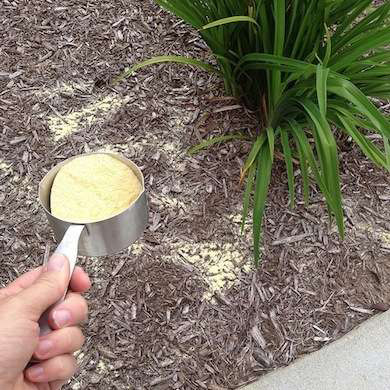
The best thing to kill weeds permanently involves a combination of methods and substances that target the weeds' roots and prevent them from returning. Here are several effective strategies:
Understanding Weeds and Their Growth
Weeds are resilient plants that compete with desired vegetation for resources. They thrive in various environments and can spread rapidly if not controlled. Understanding the life cycle and growth habits of weeds is crucial for effective management. Some key points to consider include:
- Identification: Knowing which weeds are present helps tailor the treatment approach.
- Life Cycle: Annual, biennial, and perennial weeds require different strategies for eradication.
- Root System: Many perennial weeds have deep root systems that can be challenging to kill without persistent methods.
Chemical Herbicides
Chemical herbicides can be effective for killing weeds permanently, especially systemic types that absorb through the leaves and travel to the roots. When using herbicides, it's essential to:
- Choose the Right Herbicide: Select a non-selective herbicide (like glyphosate) for total weed destruction.
- Follow Application Guidelines: Adhere strictly to the manufacturer's instructions to ensure safety and efficacy.
- Consider Timing: Apply herbicides during optimal seasons when weeds are actively growing for better absorption.
Natural Methods
Natural methods can be an eco-friendly alternative to chemical solutions. Techniques such as mulching, boiling water, or using vinegar can provide effective weed control without chemicals. Some effective natural methods include:
- Boiling Water: Pouring boiling water directly onto the weeds can kill them instantly.
- Vinegar: A high concentration of acetic acid in vinegar can desiccate weeds quickly.
- Mulching: Covering the soil with organic or non-organic mulch can suppress weed growth by blocking sunlight.
Cultural Practices for Prevention
Implementing cultural practices can help prevent the recurrence of weeds permanently. These practices focus on creating a healthy environment for desired plants while discouraging weed growth. Key practices include:
See also:
- Soil Health: Maintain healthy soil by adding organic matter and focusing on proper pH levels.
- Plant Competition: Plant densely to outcompete weeds and reduce their establishment.
- Regular Maintenance: Frequent monitoring and care can prevent weeds from taking hold in the first place.
Long-Term Landscape Management
Establishing a long-term landscape management plan can ensure that weeds are kept at bay permanently. This involves ongoing strategies and adjustments to keep your garden healthy and weed-free. Consider the following:
- Routine Inspections: Regularly check for emerging weeds and identify them early for prompt action.
- Seasonal Care: Implement seasonal maintenance like fertilizing and aeration that encourages healthy plants and deters weeds.
- Integrated Pest Management: Use a combination of chemical, cultural, and biological methods for comprehensive weed control.
Is it possible to permanently get rid of weeds?

It is challenging to permanently get rid of weeds due to their resilient nature and ability to reproduce. However, through a combination of strategies, you can significantly reduce their presence and manage them effectively. The permanence of weed elimination often depends on the thoroughness of the methods employed and the specific types of weeds one is dealing with. Here are some detailed insights into the topic.
Understanding Weed Growth
Weeds are plants that grow in areas where they are not wanted and often outcompete desired plants for resources. Understanding their growth cycle is key to controlling them.
- Seed Production: Many weeds produce thousands of seeds that can remain viable in the soil for years.
- Regrowth: Some weeds can regenerate from their roots or other vegetative parts, making them resistant to typical removal techniques.
- Adaptation: Weeds can adapt to various environmental conditions, further complicating their elimination.
Physical Weed Control Methods
Physical removal is one of the oldest methods used to eliminate weeds. This process can be labor-intensive but effective when done correctly.
- Hand Pulling: Regularly pulling weeds by hand, ensuring the entire root is removed, can reduce their prevalence.
- Tilling: Turning the soil can disrupt weed roots, although this may also bring more seeds to the surface.
- Mulching: Applying a thick layer of mulch can block sunlight, suppressing weed growth while maintaining soil moisture.
Chemical Control Options
Chemical herbicides can be effective in managing weed populations, but they should be used judiciously to minimize negative impacts on the environment and desired plants.
- Selective Herbicides: These target specific types of weeds without harming other plants.
- Pre-Emergent Herbicides: Applied before weeds germinate, these products can prevent weed seeds from sprouting.
- Post-Emergent Herbicides: These are used after weeds have emerged, designed to kill the existing plants.
Natural and Organic Approaches
For those seeking more environmentally friendly solutions, various natural methods can inhibit weed growth without chemicals.
- Boiling Water: Pouring boiling water on weeds can scald and kill them effectively.
- Vinegar: Using vinegar as a spray can kill young weeds due to its high acidity.
- Corn Gluten Meal: This natural herbicide prevents weed seeds from germinating and can be an effective pre-emergent option.
Long-Term Weed Management Strategies
Engaging in a long-term management plan can reduce weed pressure over time, creating a more stable garden environment.
- Crop Rotation: Alternating the types of crops grown in your garden can disrupt weed cycles.
- Cover Crops: Planting cover crops in the off-season can crowd out weeds and improve soil health.
- Consistent Maintenance: Regularly monitoring and maintaining your garden can catch weed issues before they become significant problems.
How do I permanently get rid of weeds in my gravel driveway?
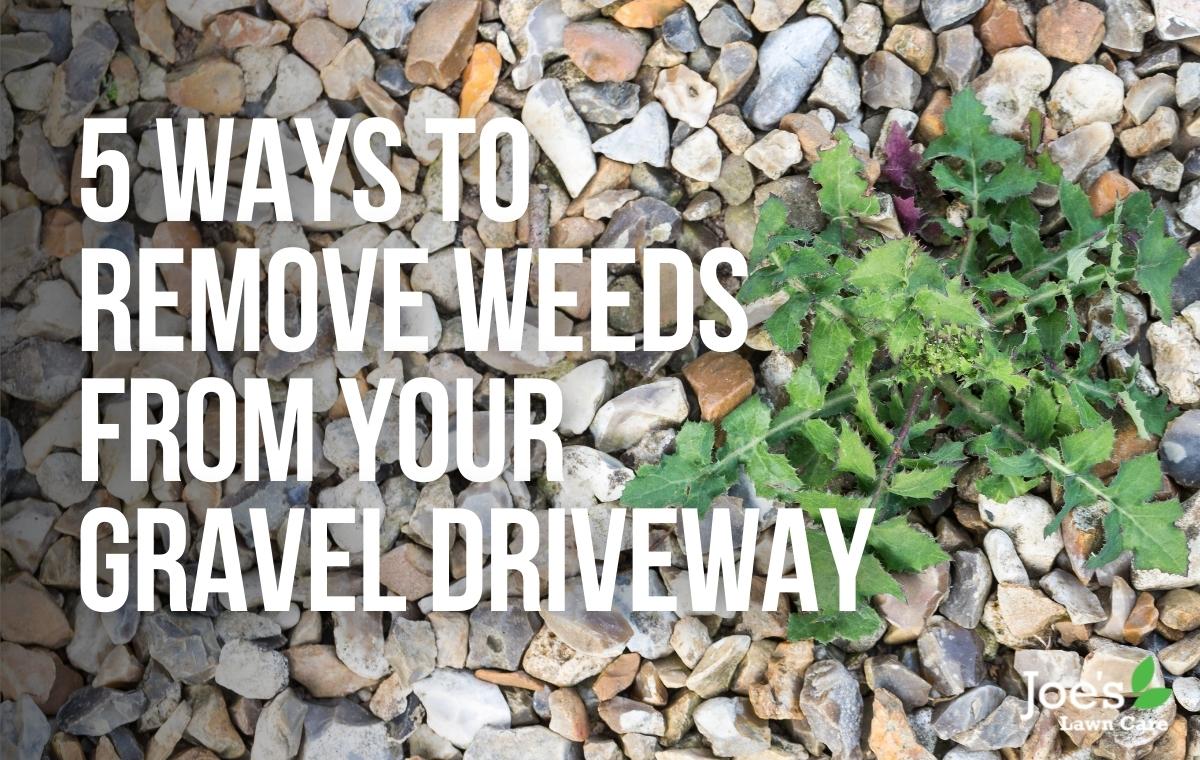
To permanently get rid of weeds in your gravel driveway, it's essential to implement a comprehensive approach that considers both immediate removal and long-term prevention strategies. Here are various methods you can use effectively:
1. Manual Removal
Manually pulling out weeds is one of the most straightforward techniques. This method is labor-intensive but effective when done correctly.
- Wear gloves to protect your hands from thorns or irritants.
- Pull weeds when the soil is moist; this makes it easier to remove the entire root.
- Use a weeding tool for stubborn weeds with deep roots.
2. Boiling Water Method
Using boiling water is an effective and eco-friendly way to kill weeds instantly. It is particularly useful for stubborn weeds without harming surrounding gravel.
- Boil a pot of water.
- Carefully pour the boiling water directly onto the weeds.
- Repeat the process for new growth until the weeds are eradicated.
3. Vinegar Application
Vinegar is a natural herbicide that can effectively kill weeds on contact due to its high acidity.
See also:
- Use a solution with at least 10% acetic acid.
- Spray or pour the vinegar directly onto the weeds.
- Reapply as necessary, particularly during dry weather for maximum effectiveness.
4. Landscape Fabric Installation
Installing landscape fabric can prevent weed growth in your gravel driveway by blocking sunlight while allowing water to penetrate.
- Clear the area of existing weeds and debris.
- Lay down a heavy-duty landscape fabric over the driveway.
- Cover the fabric with gravel to secure it in place.
5. Regular Maintenance
Regular maintenance is crucial for keeping weeds at bay. Consistency in maintenance will prevent new weed problems from arising.
- Inspect the driveway regularly for weed growth.
- Implement a weekly maintenance schedule to pull or treat weeds early.
- Consider applying a pre-emergent herbicide in early spring to prevent seeds from germinating.
Will bleach kill weeds permanently?

Bleach is a powerful chemical commonly used for disinfecting and whitening purposes, but its usage as a weed killer raises several important considerations. While bleach can effectively kill weeds, it is not a permanent solution and has potential harmful effects on the environment and soil health.
How Does Bleach Affect Weeds?
Bleach contains sodium hypochlorite, which works as a strong oxidizing agent. When applied to weeds, it dehydrates the plants and disrupts their cellular structure, leading to death. However, the effects of bleach are not limited to just the targeted weeds.
- Destruction of Plant Cells: Sodium hypochlorite destroys chlorophyll, making it impossible for the plant to photosynthesize.
- Soil Impact: Bleach can alter the soil pH, potentially harming beneficial microorganisms.
- Weed Resistance: Some weeds may develop resistance over time, reducing the efficacy of bleach.
Temporary vs. Permanent Weed Control
While bleach can kill the visible parts of weeds effectively, it does not prevent them from returning. The root systems of many weeds remain intact, allowing them to regrow once the bleach has dissipated from the soil.
- Root Survival: Many weeds have deep and extensive root systems that can survive bleach applications.
- Soil Recovery: Bleach can break down over time, allowing room for the weeds to return.
- Alternative Growth: Other, potentially more resilient weeds may fill the space when original weeds die off.
Risks of Using Bleach in Gardens
Using bleach as a weed killer poses several environmental and health risks. It can damage other plants and contribute to soil and water contamination.
- Damage to Desired Plants: A careless application can harm herbaceous plants and trees nearby.
- Groundwater Contamination: Bleach can leach into the soil, potentially reaching groundwater supplies.
- Health Concerns: Exposure to bleach can pose respiratory risks to humans and animals.
Eco-Friendly Alternatives to Bleach
Due to the various risks associated with using bleach, it is worth exploring alternative, more eco-friendly methods for weed control.
- Vinegar: Household vinegar contains acetic acid that effectively kills weeds without harming the soil.
- Boiling Water: Pouring boiling water on weeds can kill them without the use of chemicals.
- Mulching: Organic mulches can out-compete weeds for nutrients and light.
Proper Application Techniques
If one decides to use bleach, it is crucial to apply it properly to minimize harm and increase effectiveness.
- Targeted Application: Apply bleach only on specific weeds using a spray bottle to avoid overspray.
- Timing: Treat weeds on sunny days; heat increases bleach effectiveness.
- Follow-up Care: Monitor the area and prepare to physically remove any regrowth.
Questions from Our Readers
Is there a method to kill weeds permanently?
Many methods can effectively kill weeds, but permanently eradicating them requires a combination of techniques. Chemical herbicides can provide a strong solution, but they often require repeated applications. To ensure weeds do not return, it's crucial to improve soil health and implement good gardening practices.
Can natural remedies kill weeds for good?
Yes, natural remedies like vinegar or boiling water can kill weeds, but their effectiveness may vary, and they typically do not offer a permanent solution. These methods might need to be reapplied regularly, as they can only kill the visible portions of the plant without addressing the root system.
Are there specific herbicides for permanent weed control?
Some selective herbicides target specific types of weeds and can potentially offer longer-lasting control, but they may not be entirely permanent. Using a pre-emergent herbicide can prevent weeds from germinating in the first place, which is a more proactive approach to long-term weed management.
How can I prevent weeds from returning after killing them?
To prevent weeds from returning after you've killed them, it's essential to maintain healthy soil, employ mulching, and regularly check for new growth. Implementing proper landscaping techniques, such as spacing plants appropriately and using ground covers, can also help suppress weed populations effectively.
See also:

If you want to read more articles like Is There Anything That Kills Weeds Permanently? Discover Effective Solutions and Tips, we recommend you check out our Weeds category.
Leave a Reply
Related Articles