Is There Any Plant That Blooms All Year Round? Discover the Best Options for Your Garden
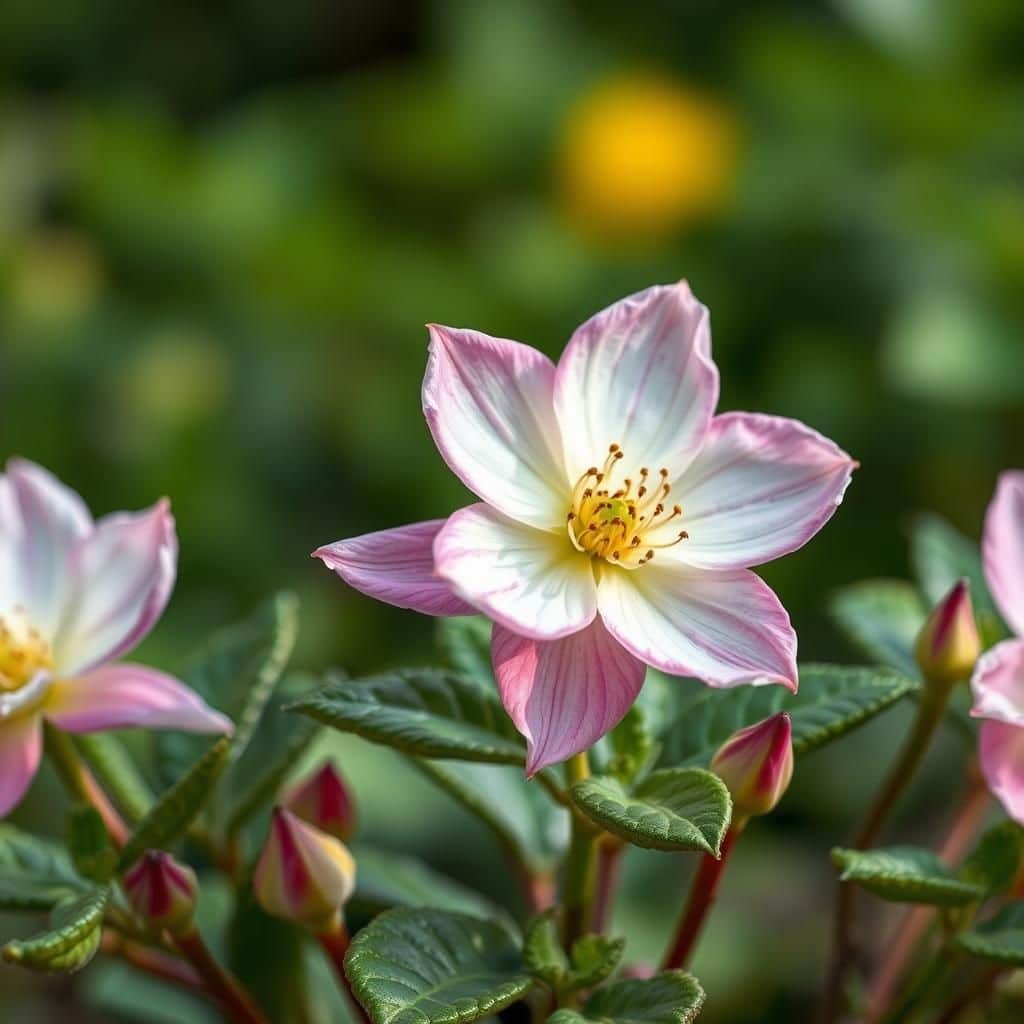
Creating a garden that bursts with color throughout the year can be a delightful challenge for any gardener. While many plants have specific blooming seasons, certain varieties are celebrated for their ability to produce flowers continuously. In this article, we will explore the best options for plants that bloom all year round, providing vibrant displays no matter the season. From hardy perennials to resilient annuals, discover how to enhance your garden's allure with these exceptional choices. Dive in to find the perfect blooms that will keep your garden alive with color and beauty all year long.
Is There Any Plant That Blooms All Year Round?
Many gardeners and plant enthusiasts seek the joy of having a garden that showcases vibrant colors throughout the year. While most plants have specific blooming seasons, there are certain species that can flower year-round under the right conditions. Plants such as the African violet, Kalanchoe, and Geranium are known for their ability to produce blooms consistently if provided with enough light, proper watering, and appropriate nurturing. These plants not only provide continuous aesthetic appeal but can also contribute positively to indoor air quality, making them popular choices for both gardens and home decor.
Characteristics of Year-Round Blooming Plants
Plants that bloom all year round typically possess certain characteristics that make it possible for them to produce flowers in various conditions. They often have adaptable growing conditions, being tolerant of fluctuations in light, temperature, and humidity. Many of these plants are also perennials, meaning they can survive for more than two years, and their flowering cycles can be influenced by factors such as pruning and fertilization. Understanding these characteristics is key to successful cultivation.
Popular Year-Round Blooming Houseplants
Many popular houseplants exhibit the capability to bloom throughout the year with proper care. For instance, the African violet produces stunning purple flowers that can blossom continuously with adequate indirect sunlight and consistent moisture. Similarly, the Kalanchoe, known for its vibrant hues, can thrive indoors and flower when exposed to bright light and appropriate watering schedules. By choosing these plants, homeowners can enjoy beauty in their homes any time of the year.
Environmental Requirements for Continuous Blooming
To encourage year-round blooming, specific environmental conditions must be met. Adequate light is crucial, as most flowering plants require a certain number of hours of sunlight daily to initiate blooming processes. Additionally, proper soil mixture, regular watering, and the application of appropriate fertilizers play significant roles in maintaining a plant's health and encouraging flowers. Being mindful of these environmental factors can greatly enhance the plant's ability to thrive and bloom continuously.
Maintenance Tips for Long-Lasting Blooms
Regular maintenance is essential for plants that bloom throughout the year. It is important to remove spent flowers, a process known as deadheading, which encourages new growth and prevents the plant from expending energy on dying blooms. Fertilizing the plants according to their needs and ensuring proper drainage will also benefit their longevity. Additionally, protecting them from pests and diseases will ensure that the plants remain healthy and can produce blooms consistently.
Whether to Grow Indoors or Outdoors
Deciding whether to grow year-round blooming plants indoors or outdoors depends on the climate and the specific requirements of the plants. Many plants are suitable for indoor cultivation, where temperature and humidity can be controlled, making it easier to provide the necessary conditions for flowering. However, some plants may thrive better outdoors, benefiting from natural light and air circulation. Understanding the specific needs of each plant type will help determine the best growing conditions for achieving continuous blooms.
| Plant | Light Requirement | Watering Needs | Temperature |
|---|---|---|---|
| African Violet | Indirect light | Moderate | 65-75°F |
| Kalanchoe | Bright light | Infrequent | 65-80°F |
| Geranium | Full sunlight | Moderate | 60-75°F |
What plants bloom all year-round?
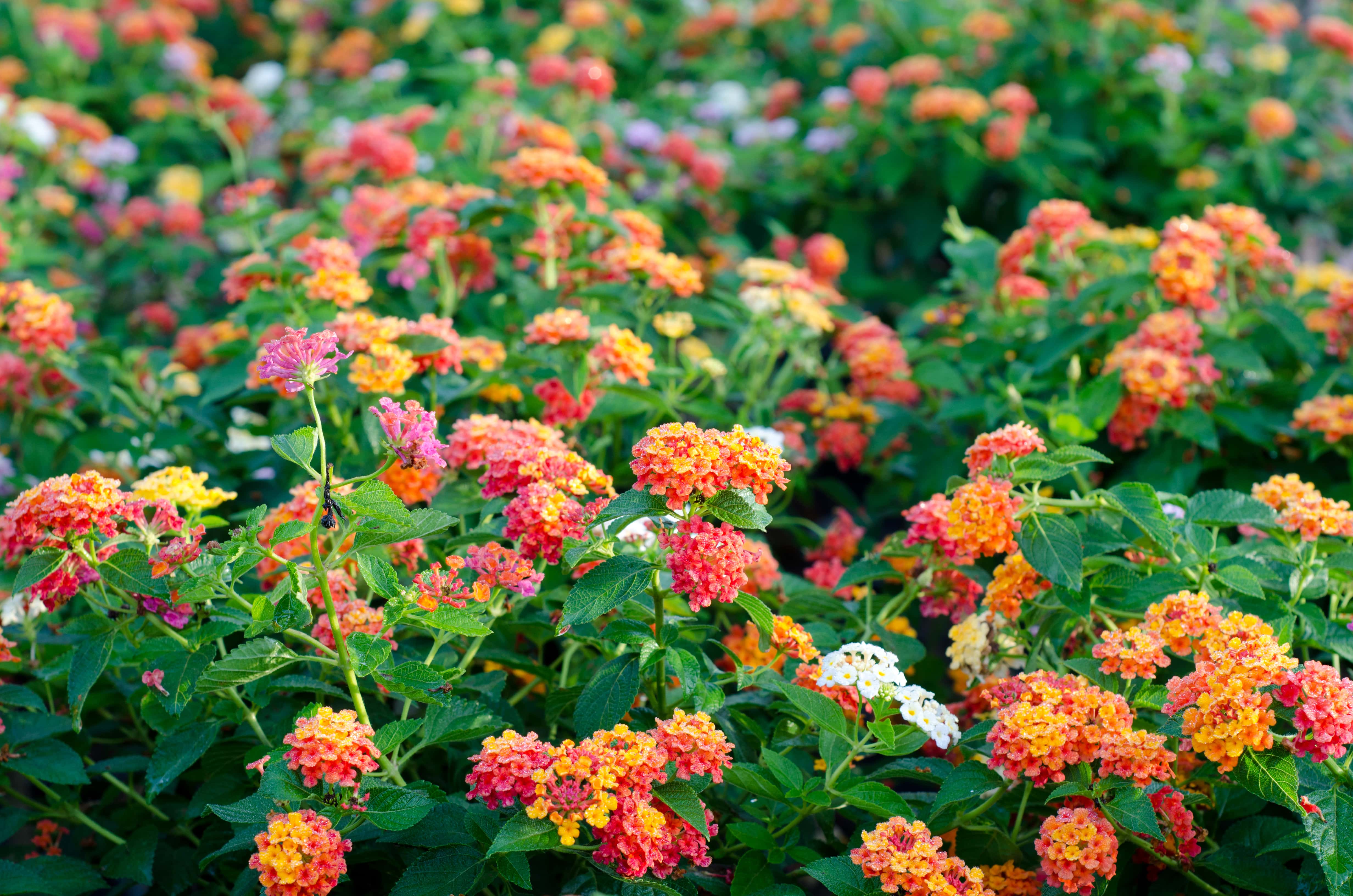
Several plants are renowned for their ability to bloom throughout the year, providing consistent color and beauty in gardens and landscapes, regardless of the season. These plants are often favored for their resilience and their capacity to thrive in various environmental conditions. Here are some notable examples of plants that can bloom year-round:
1. Bougainvillea: This vibrant plant is known for its brightly colored bracts that resemble flowers. Bougainvillea thrives in warm climates and requires minimal water, making it a popular choice for tropical and subtropical gardens. With sufficient sunlight, the plant can produce blooms at any time of the year.
2. Hibiscus: These tropical flowers are famous for their large, showy blossoms that come in various colors. Depending on the species and climate, hibiscus can continuously produce blooms year-round, providing a tropical feel to the garden.
3. Geranium: Known for their cheerful blooms, geraniums can flower throughout the year in the right conditions. With proper care, including deadheading spent flowers and regular watering, geraniums can provide colorful displays almost every month of the year.
4. Jasmine: This fragrant flower not only adds a delightful aroma to gardens but can also bloom continuously throughout the year under optimal conditions. Different species of jasmine may have varying blooming periods, but many are capable of providing flowers in any season.
5. Canna Lily: Canna lilies produce large, vibrant flowers that can bloom year-round, especially in warm climates. They thrive in full sun and are suitable for border gardens or as statement plants in landscaped areas.
See also:
Benefits of Year-Round Blooming Plants
The availability of plants that bloom all year-round offers numerous benefits to garden enthusiasts and homeowners.
- Continuous Color: These plants provide an ongoing display of color, enhancing the aesthetic appeal of landscapes.
- Extended Blooming Periods: Plants that bloom year-round can help prolong the blooming season, contributing to a vibrant garden for longer.
- Wildlife Attraction: Continuous blooms attract pollinators like bees and butterflies throughout the year, supporting local ecosystems.
Best Locations for Planting Year-Round Blooming Plants
Choosing the right location for planting can significantly influence the success of year-round blooming plants.
- Full Sun: Most blooming plants thrive in full sunlight, so selecting a location that receives ample sun throughout the day is crucial.
- Well-Drained Soil: Ensure the soil has good drainage to prevent root rot, which can inhibit blooming.
- Protected Areas: Planting in areas sheltered from harsh winds can help maintain healthy plants and support consistent blooming.
Caring for Year-Round Blooming Plants
Proper care is essential for maximizing the blooming potential of these plants.
- Regular Watering: Consistent moisture is critical; however, be cautious not to overwater.
- Fertilization: Applying a balanced fertilizer can encourage healthier growth and more abundant blooms.
- Pruning: Regular pruning helps promote new growth and can stimulate blooming in many species.
Challenges with Year-Round Blooming Plants
Despite their appeal, there are some challenges associated with maintaining plants that bloom year-round.
- Pests and Diseases: Continuous growth can attract pests and diseases, requiring vigilant care and attention.
- Environmental Stress: Plants may suffer during extreme weather conditions, impacting their ability to bloom consistently.
- Invasive Species: Some year-round bloomers can become invasive, potentially disrupting local ecosystems.
Popular Varieties of Year-Round Blooming Plants
A diverse selection of blooming plants can cater to various garden styles and preferences.
- Petunias: Often used in hanging baskets and containers, petunias provide bright, colorful blooms.
- Impatiens: Ideal for shaded areas, impatiens are valued for their beautiful blossoms and low maintenance requirements.
- Fuchsia: Known for their unique, dangling flowers, fuchsias can bloom continuously with the right care.
How to have a garden that blooms all year-round?
:max_bytes(150000):strip_icc()/ms-how-to-create-a-colorful-garden-year-round-48b08bf8ecea4b05890e5ee2b3b7121e.jpg)
To create a garden that blooms all year-round, careful planning, plant selection, and maintenance are essential. The key is to choose plants that flower in different seasons, ensuring that as one type fades, another comes into bloom. Here’s a detailed guide on how to achieve this beautiful garden throughout the year.
Choosing the Right Plants
Selecting a variety of plants that bloom in different seasons is crucial. Consider the climate and your garden's specific conditions to ensure the longevity and health of the plants you choose. Here are some options:
- Spring Flowers: Tulips, daffodils, and hyacinths are excellent choices for early flowering.
- Summer Blooms: Include roses, daisies, and sunflowers for vibrant summer colors.
- Autumn Displays: Asters, chrysanthemums, and sedum can keep your garden colorful as temperatures cool.
- Winter Interest: Consider hellebores, winter jasmine, and evergreen shrubs to provide structure and color in winter.
- Year-Round Options: Incorporate perennials such as daylilies and peonies which re-bloom each year.
Planning Your Garden Layout
A well-planned garden layout allows for seasonal rotations and space optimization. Ensure plants are grouped according to their blooming season and height to enhance visual appeal. Consider the following elements:
- Layering: Taller plants in the back and shorter in the front create depth.
- Seasonal Clusters: Group plants by blooming seasons to ensure continuous color.
- Pathways: Incorporate pathways for easy access without damaging the plants during blooming seasons.
- Sun and Shade: Be mindful of sun exposure, positioning sun-loving plants in brightest areas.
- Watering Considerations: Group plants with similar watering needs to streamline maintenance.
Soil Preparation and Fertilization
Quality soil is the backbone of a thriving garden. Preparing the soil and ensuring nutrients are accessible will encourage robust growth and flowering. Focus on the following:
- Soil Testing: Conduct tests to determine pH and nutrient levels, adjusting as necessary.
- Amendments: Add organic matter like compost to improve soil texture and fertility.
- Fertilization: Use a balanced fertilizer during the growing season to support blooming.
- Mulching: Apply mulch to retain moisture and suppress weeds, benefiting overall plant health.
- Drainage: Ensure proper drainage to avoid root rot and support healthy growth.
Regular Maintenance Practices
Maintenance is vital to keep your garden blooming. Regular care will keep the plants healthy and prolong their flowering period. Important practices include:
- Watering: Watering deeply but infrequently encourages roots to grow deep.
- Deadheading: Remove faded flowers to promote continuous blooming.
- Pruning: Trim back dead or diseased branches to foster healthy growth.
- Pest Control: Monitor for pests and diseases, applying treatments as necessary.
- Seasonal Adjustments: Adjust care routines based on seasonal changes to optimize growth.
Using Seasonal Décor and Accessories
Incorporating seasonal décor can enhance the beauty of your garden throughout the year. Accessories can highlight blooming plants and extend visual interest. Consider these ideas:
- Garden Statues: Select decor that complements the seasonal blooms to unify your garden aesthetics.
- Seasonal Planters: Use planters filled with seasonal flowers to add bursts of color.
- Lighting: Install lighting to showcase your plants in the evening.
- Wind Chimes: Add sound and movement to your garden to enhance the sensory experience.
- Seasonal Banners: Use banners to celebrate each season, adding personality to your garden.
Is there a perennial that blooms all summer?
:strip_icc()/butterfly-blue-pincushion-flower-46da3f9c-9e533a05d050410d8a87de6049cf6839.jpg)
Yes, there are several perennials that bloom throughout the entire summer, providing vibrant colors and adding life to gardens during the warmest months. Some of the notable summer-blooming perennials include varieties like daylilies, coneflowers, black-eyed Susans, and salvias. These plants not only thrive in various conditions but also attract pollinators, enhancing biodiversity in your garden.
See also:
Benefits of Summer-Blooming Perennials
Summer-blooming perennials offer numerous advantages for garden enthusiasts. They provide sustained color, require less maintenance than annuals, and support local ecosystems. Here are some key benefits:
- Continuous Color: They bloom from late spring through summer, ensuring your garden remains vibrant.
- Low Maintenance: Once established, these plants often require less care compared to annuals.
- Attract Pollinators: Many summer-blooming perennials draw bees, butterflies, and other important pollinators.
Popular Summer-Blooming Perennials
Some of the most popular perennials that bloom all summer include daylilies, coneflowers, black-eyed Susans, and phlox. Each of these plants brings unique beauty and characteristics to your garden:
- Daylilies: Known for their hardiness and variety, daylilies can thrive in different soil types and bloom continuously.
- Coneflowers: With vibrant petals and a distinct center cone, they are drought-tolerant and perfect for sunny gardens.
- Black-eyed Susans: These cheerful flowers add a sunny splash and are excellent for attracting butterflies.
Care Tips for Summer-Blooming Perennials
To ensure your summer-blooming perennials flourish, proper care and maintenance are crucial. Here are some tips to keep in mind:
- Watering: Regular watering is essential, especially during dry spells; however, avoid waterlogging.
- Fertilizing: Use a balanced fertilizer in early spring to support growth during the blooming season.
- Deadheading: Removing spent flowers encourages more blooms and keeps plants looking tidy.
Choosing the Right Location
Selecting the right location for your summer-blooming perennials is vital for optimal growth. Consider the following aspects:
- Sun Exposure: Most summer-blooming perennials prefer full sun; ensure they receive adequate sunlight.
- Soil Type: Well-drained soil is crucial; amend heavy soils with organic matter to improve drainage.
- Space: Provide enough space between plants to promote airflow and reduce the risk of disease.
Companion Planting with Summer-Blooming Perennials
Companion planting enhances the beauty and health of your garden by pairing plants with complementary characteristics. Here’s how to effectively combine them:
- Color Harmony: Pair plants with contrasting colors for a stunning visual appeal.
- Height Variation: Use taller perennials as a backdrop for shorter ones to create layers and depth.
- Pest Control: Some plants can deter pests when planted nearby, protecting your summer bloomers.
Which flower has the longest blooming season?
:max_bytes(150000):strip_icc()/long-blooming-perennials-2131857-FINAL-57a54184ff3242448fc976613d7e2505.png)
The flower with the longest blooming season is the daylily (Hemerocallis). This perennial flower is celebrated for its impressive ability to bloom for an extended period, often lasting from late spring through early fall. Some varieties of daylilies can bloom for up to 40 days per flower, and with multiple flower buds on each stem, the overall blooming season can be quite prolonged.
The Characteristics of Daylilies
Daylilies are known for their versatile characteristics that contribute to their extended blooming seasons. They come in a wide range of colors, forms, and sizes, making them popular in gardens. Key attributes include:
- Drought Tolerance: Daylilies are resilient and can thrive in poor soil conditions.
- Low Maintenance: They require little care and can self-propagate.
- Variety: There are thousands of cultivars, allowing for diverse blooming times and colors.
Optimal Growing Conditions for Daylilies
To achieve the longest blooming season, daylilies require specific growing conditions. These conditions help ensure that they thrive and produce flowers over an extended period:
- Sunlight: Daylilies prefer full sun, requiring at least 6 hours of sunlight daily.
- Soil: They grow best in well-drained, nutrient-rich soil.
- Watering: Regular watering, especially during dry spells, supports optimal growth.
Companion Plants for Extended Blooming
Incorporating companion plants with daylilies can enhance the overall blooming season in your garden. Various flowers can extend visual interest when paired with daylilies:
- Catmint: This perennial blooms from late spring to early fall, complementing the daylily's season.
- Phlox: Known for its fragrant blooms, phlox can fill gaps in the blooming cycle.
- Salvia: With long bloom times, salvias can provide consistent color throughout the growing season.
Other Flowers with Long Blooming Seasons
While daylilies lead in blooming duration, several other flowers also boast long blooming periods. These include:
- Chrysanthemums: Blooms from late summer into winter, bringing color to autumn gardens.
- Geraniums: Known for their extended bloom time, some varieties can flower for months.
- Black-eyed Susans: They flower from summer through fall, providing vibrant yellow blooms.
The Importance of Choosing the Right Varieties
Selecting the right cultivars of daylilies can influence how long they bloom. Some hybrid varieties are bred specifically for extended blooming seasons. Key factors to consider include:
- Season Extension: Choose cultivars known for early or late blooming to maximize the season.
- Flower Color: Varieties with different colors and shapes can attract different pollinators.
- Growth Habit: Opt for varieties that fit your garden space and aesthetic preferences.
Questions from Our Readers
Is there any plant that blooms all year round?
Yes, there are several plants that can bloom all year round. One popular example is the Bougainvillea, known for its vibrant colors and ability to produce blossoms throughout the seasons in suitable climates. Other perennial flowers like the African Violet and Christmas Cactus also have the capability to bloom multiple times a year, depending on their care and environment.
What conditions are necessary for year-round blooming plants?
For plants to bloom year-round, they typically require adequate sunlight, proper watering, and fertile soil. Ensuring a consistent temperature and humidity level is also crucial, as many of these plants thrive in tropical or subtropical conditions. Additionally, regular fertilization and attentive pruning can encourage continuous blooming.
See also:
Are there any indoor plants that bloom all year round?
Yes, several indoor plants are known for their year-round blooming capabilities. The Peace Lily is a popular choice, producing white flowers throughout the year when cared for adequately. Similarly, the Orchid is another indoor plant that, with proper conditions, can offer stunning blooms multiple times a year, making it an attractive option for home decor.
How do I care for plants that bloom all year round?
Caring for plants that bloom all year round involves ensuring they receive adequate light, maintaining consistent moisture, and using the right type of fertilizer. It's essential to know the specific needs of each plant species and provide them with a stable environment that mimics their natural habitat, including temperature and humidity levels, to promote healthy growth and continuous blooming.

If you want to read more articles like Is There Any Plant That Blooms All Year Round? Discover the Best Options for Your Garden, we recommend you check out our Landscaping category.
Leave a Reply
Related Articles