Is There a Difference Between Trimming and Pruning? A Comprehensive Guide for Gardeners
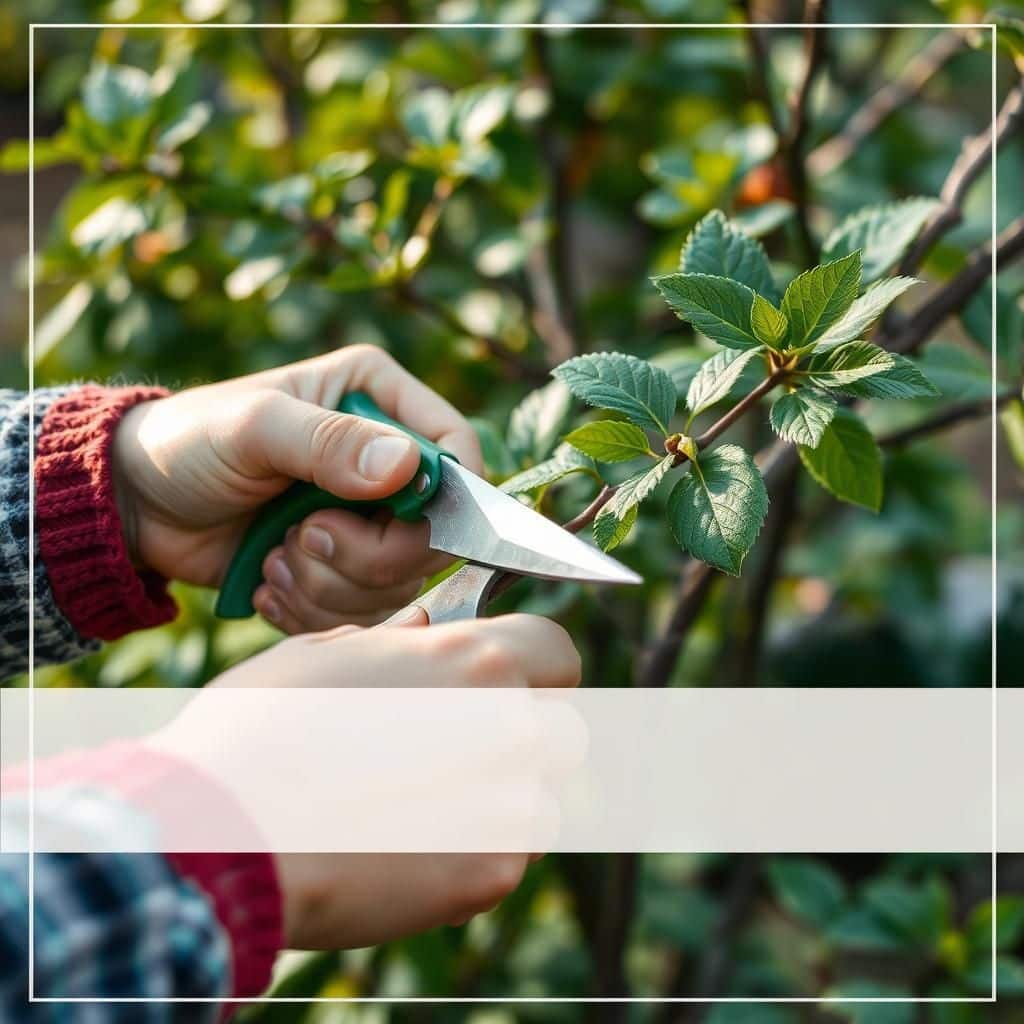
When it comes to maintaining a healthy and thriving garden, understanding the nuances between trimming and pruning is essential for every gardener. While these terms are often used interchangeably, they serve distinct purposes and require different techniques. Trimming generally focuses on shaping and maintaining the aesthetic appearance of plants, whereas pruning is more about promoting growth and health by removing dead or overgrown branches. This comprehensive guide will delve into the specific differences between the two practices, providing gardeners with the knowledge needed to effectively care for their plants and enhance their garden's beauty and vitality.
Is There a Difference Between Trimming and Pruning?
Trimming and pruning are often used interchangeably, but they serve distinct purposes in the care of plants and trees. Trimming typically refers to the process of cutting back soft tissues of shrubs and hedges to maintain their shape and promote a healthier appearance. This process is mainly aesthetic and is performed on the outer edges of the plant. In contrast, pruning involves cutting away dead or diseased branches, as well as strategically thinning out branches to improve the plant's structure and health. Pruning encourages better air circulation and light penetration, which can lead to enhanced growth and flowering. While both techniques are essential for plant health, understanding when and how to use them effectively can greatly influence the vitality and appearance of your garden.
The Purpose of Trimming
Trimming is primarily focused on maintaining the desired shape and size of a plant or hedge. Regular trimming helps to remove overgrowth and keeps plants looking well-groomed, ensuring they complement the overall landscape design. It usually involves snipping back the new growth at the tips of branches, which encourages denser foliage and can lead to a more visually appealing organism. This practice is most common in spring and summer, as plants are actively growing.
The Purpose of Pruning
Pruning is a more extensive process that targets specific branches to enhance the health and growth of a plant. The primary reasons for pruning include removing diseased, dead, or damaged wood, as well as improving the plant's structure by allowing light and air to enter the inner parts. This technique is vital for the long-term health of trees and shrubs and is usually performed during the dormant seasons of late winter or early spring to minimize stress to the plant.
When to Trim vs. When to Prune
Knowing when to trim and when to prune is crucial for optimal plant care. Trimming is best done during the growing season, typically in late spring or early summer, when plants can recover quickly from minor cuts. Pruning, on the other hand, is ideally conducted during the dormant season (late autumn to early spring), which helps to prevent bleeding in certain species and allows for healthier regrowth without the distraction of new foliage.
See also:
Tools Used for Trimming and Pruning
The tools used for trimming and pruning can significantly impact the effectiveness of the processes. For trimming, hand pruners or hedge shears are often sufficient to maintain a tidy appearance. However, for pruning, specialized tools such as saws, loppers, and pole pruners are more appropriate, as they provide greater leverage and cutting capability needed to address larger or thicker branches. Using the right tools ensures clean cuts, which helps prevent damage to the plant and promotes healing.
The Impact on Plant Health
Both trimming and pruning can have a substantial impact on the overall health of a plant, but they influence its growth in different ways. While trimming can enhance the plant's appearance and encourage full, dense foliage, improper trimming may lead to stress or excessive growth in unwanted directions. Conversely, proper pruning encourages a strong structure and improves air circulation, reducing the risk of diseases caused by moist, overcrowded conditions. Understanding the different roles of these techniques allows gardeners to foster healthier, more vibrant plants.
| Aspect | Trimming | Pruning |
|---|---|---|
| Purpose | Maintain shape and size | Improve health and structure |
| Timing | Growing season | Dormant season |
| Tools | Hand pruners, hedge shears | Saws, loppers, pole pruners |
| Impact on Health | Aesthetic improvement | Enhanced air circulation and growth |
| Focus Area | Outer growth | Inner wood and structure |
Understanding the Key Differences Between Trimming and Pruning
Trimming and pruning are both essential techniques in gardening, aimed at maintaining the health and aesthetics of plants, but they serve distinct purposes. Trimming primarily focuses on maintaining the shape and size of shrubs and hedges, often creating a more polished appearance, while pruning is a more involved process aimed at removing dead or diseased branches, encouraging new growth, and improving the plant's overall health. Understanding these differences helps gardeners apply the right techniques at the right time, ensuring their plants thrive while enhancing the garden's visual appeal.
What is Trimming?
Trimming is the practice of cutting back the foliage of plants to maintain a desired shape or size. This process is generally done for aesthetic reasons, such as keeping hedges looking neat and tidy or encouraging fuller growth in shrubs. Gardeners typically employ shears or hedge trimmers for this job, and it is often performed throughout the growing season to ensure that plants maintain their desired appearance.
What is Pruning?
Pruning involves cutting away dead, damaged, or diseased branches to promote better health and encourage new growth in plants. It is a more technical task than trimming, requiring knowledge of the specific growth habits of each species. This method not only helps eliminate potential pests and diseases but also allows for better air circulation and sunlight penetration, which are crucial for the overall vitality of the plant.
See also:
When to Trim vs. When to Prune?
The timing of trimming and pruning is vital for achieving the best results. Trimming can occur multiple times during the growing season as needed, particularly for ornamental plants. In contrast, pruning is typically best done during the dormant seasons—late fall or winter—to minimize stress on the plant and maximize recovery time, although flowering species may have specific timing needs depending on whether they bloom on old or new wood.
Tools for Trimming and Pruning
The tools used for trimming and pruning can differ significantly depending on the task. For trimming, gardeners may use hand shears, electric hedge trimmers, or even lawnmowers with specialized attachments. In contrast, pruning usually requires more robust tools, such as loppers or pruning saws, to handle thicker branches effectively. Selecting the right tools ensures efficient and precise cuts that support plant health and appearance.
Benefits of Trimming and Pruning
Both trimming and pruning offer numerous benefits to plants and gardens. Trimming helps maintain a neat appearance and encourages denser foliage, which can enhance privacy and wind protection. On the other hand, pruning is crucial for removing dead or diseased material, fostering healthier growth, and allowing for greater flower and fruit production. Regularly engaging in both practices can lead to more flourishing plants and a more vibrant garden overall.
Questions from Our Readers
Is there a difference between trimming and pruning?
Yes, there is a significant difference between trimming and pruning. Trimming typically refers to the process of cutting back the leaves and stems of plants to maintain their shape and promote growth, while pruning involves selectively removing specific branches or stems to enhance the plant's structure, health, and flowering.
When should I trim my plants?
It is generally advisable to trim your plants in the growing season, which is during spring and early summer. This timing allows for quick recovery and encourages healthy growth as plants can readily support new foliage after trimming.
See also:
When is the best time to prune?
The best time to prune most plants is during their dormant season, typically in late winter or early spring before new growth begins. Pruning during this time minimizes stress on the plant and allows for better recovery and growth when the season changes.
Can trimming and pruning be done at the same time?
While it is possible to trim and prune at the same time, it is essential to understand their respective purposes. It is best to focus on one method at a time to ensure that you address the specific needs of the plant, promoting healthier growth in the long run.
If you want to read more articles like Is There a Difference Between Trimming and Pruning? A Comprehensive Guide for Gardeners, we recommend you check out our Pruning category.
Leave a Reply
Related Articles