Is Table Salt or Epsom Salt Better for Killing Weeds? A Comprehensive Comparison Guide

When it comes to managing weeds in gardens and yards, many gardeners are on the lookout for effective, natural solutions. Two common options that come up in discussions are table salt and Epsom salt. While both salts are readily available and often touted for their effectiveness, they possess different properties and impacts on the soil and surrounding plants. In this comprehensive comparison guide, we will explore the effectiveness of table salt versus Epsom salt in killing weeds, examining their benefits and drawbacks, usage methods, and overall suitability for your gardening needs. Discover which salt reigns supreme in the battle against unwanted vegetation.
Which is More Effective for Killing Weeds: Table Salt or Epsom Salt?
When it comes to killing weeds, many gardeners often debate the effectiveness of table salt versus Epsom salt. Table salt, composed mainly of sodium chloride, acts as a potent desiccant that can dehydrate plants and disrupt their cellular functions, making it a common choice for weed control. However, its high sodium content can also harm the surrounding soil and plants, leading to long-term soil degradation. Epsom salt, primarily magnesium sulfate, is less harmful to the soil but does not possess the same immediate lethality for weeds. Its magnesium content can help improve soil health and plant growth, but it may not effectively kill weeds without larger quantities. Ultimately, while both salts can be useful in managing weeds, table salt tends to be more effective for immediate weed destruction.
Understanding Table Salt as a Herbicide
Table salt, or sodium chloride, is often used as an inexpensive option for weed control. When applied directly to weeds, it works by drawing moisture out of the plants, effectively dehydrating them and causing death. However, this method can also lead to soil toxicity, as repeated use can raise sodium levels in the ground, negatively affecting soil structure and health. Therefore, while table salt can be effective for immediate weed problems, its long-term impact on garden health is a significant concern.
The Role of Epsom Salt in Gardening
Epsom salt, mainly composed of magnesium sulfate, plays a different role in gardening as it provides essential nutrients for plants. Although it is not typically regarded as a weed killer, it enhances plant growth and resilience against diseases. Epsom salt encourages photosynthesis and aids in seed germination, making it beneficial for healthy plants. While it can improve the garden's overall environment, it may not be suitable for those looking for an aggressive method of weed control.
Comparison of Effectiveness
In the battle against weeds, the effectiveness of table salt versus Epsom salt can be summarized in a few key points. While table salt effectively kills weeds through dehydration, it poses risks to soil health. Epsom salt, on the other hand, does not have the same immediate impact on weeds but can provide long-term benefits to plant growth and soil vitality. The decision on which to use depends on the specific needs of the garden and whether immediate action or long-term soil health is the priority.
Best Practices for Using Salt in Weed Control
To safely use salt as a weed killer, it is crucial to apply it with care. For table salt, diluting it with water can minimize soil impact, and applying it directly onto weeds is recommended to avoid soil contamination. Epsom salt can be mixed with water and sprayed onto plants, allowing for nutrient absorption while minimizing the risk of weed growth. Understanding the right application techniques is vital for achieving desired results without harming the surrounding vegetation.
Environmental Considerations
Using salt for weed control has several environmental implications that must be taken into account. Table salt can lead to soil salinity, rendering the land inhospitable for many plants over time. Epsom salt, while less harmful, can also affect soil dynamics if used in excess. It is essential to weigh the benefits of weed control against potential long-term damage to the garden ecosystem. An informed approach to using these salts will help gardeners make responsible decisions that prioritize both weed management and environmental health.
| Type of Salt | Effectiveness | Soil Impact | Best Use Case |
|---|---|---|---|
| Table Salt | High | Negative | Immediate weed problems |
| Epsom Salt | Low | Neutral | Soil health improvement |
What is the best salt for killing weeds?
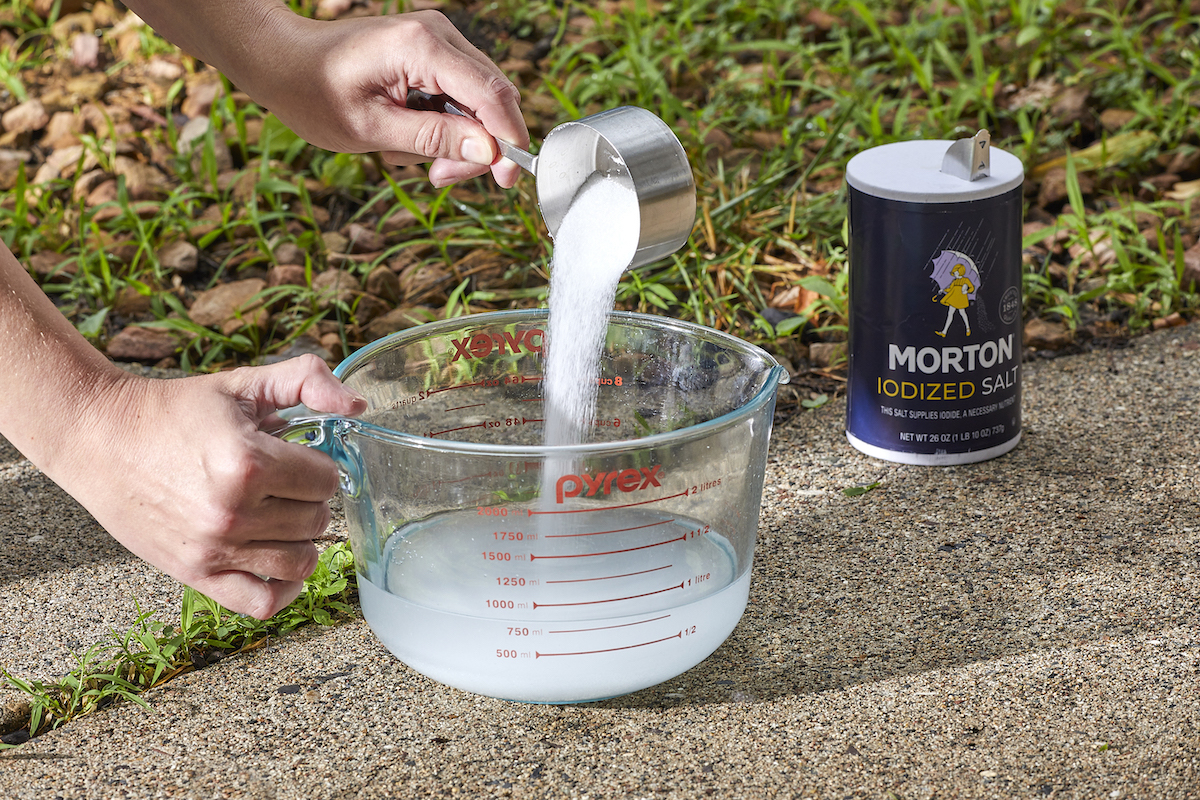
To effectively kill weeds, the best salt to use is table salt, which is primarily made up of sodium chloride. When applied directly to unwanted plants, it dehydrates and disrupts their cellular processes, leading to their demise. Rock salt can also be used but may be less effective due to impurities. The use of salt for weed control must be approached cautiously, as it can affect the soil quality and surrounding plants.
Advantages of Using Salt for Weeds
Using salt as a herbicide has several key advantages:
- Effective Dehydration: Salt draws moisture out of weeds, making it an effective agent for killing them.
- Accessibility: Table salt is widely available and inexpensive compared to commercial herbicides.
- Non-selective Control: It kills a variety of weeds, making it versatile for different types of unwanted vegetation.
Disadvantages of Salt in Weed Control
Despite its effectiveness, applying salt for weed control has notable disadvantages:
See also:
- Soil Health Damage: High salt concentrations can harm soil microbiomes and long-term fertility.
- Non-discriminatory: Salt affects all plants, including desirable ones in the vicinity.
- Environmental Impact: Runoff can contaminate nearby water sources and damage ecosystems.
How to Apply Salt for Weeds Effectively
To maximize the effectiveness of salt for weed control, follow these application tips:
- Target Sparingly: Apply salt directly on the leaves and stems of specific weeds; avoid widespread application.
- Dissolve in Water: Mix salt in water (3:1 ratio) for easier application and better absorption by plants.
- Choose a Dry Day: Apply on a sunny, dry day to enhance the drying effect of the salt.
Alternative Salt Types for Weed Control
Aside from table salt, several alternative salts can also be used for weed management:
- Epsom Salt: Contains magnesium sulfate; helpful for certain plants but can still damage weeds.
- Rock Salt: Effective but may contain impurities that can affect the efficacy.
- Sea Salt: Natural option with trace minerals; can also harm desirable plants if used indiscriminately.
Additional Tips for Weed Management with Salt
For a more comprehensive approach, consider the following tips:
- Combine Methods: Use salt in conjunction with other organic weed control methods for better results.
- Monitor Surroundings: Keep track of nearby plants to prevent unintended damage.
- Wash Away Residue: After treatment, water the area to dilute residual salt and mitigate soil impact.
Is table salt or epsom salt better to kill weeds?
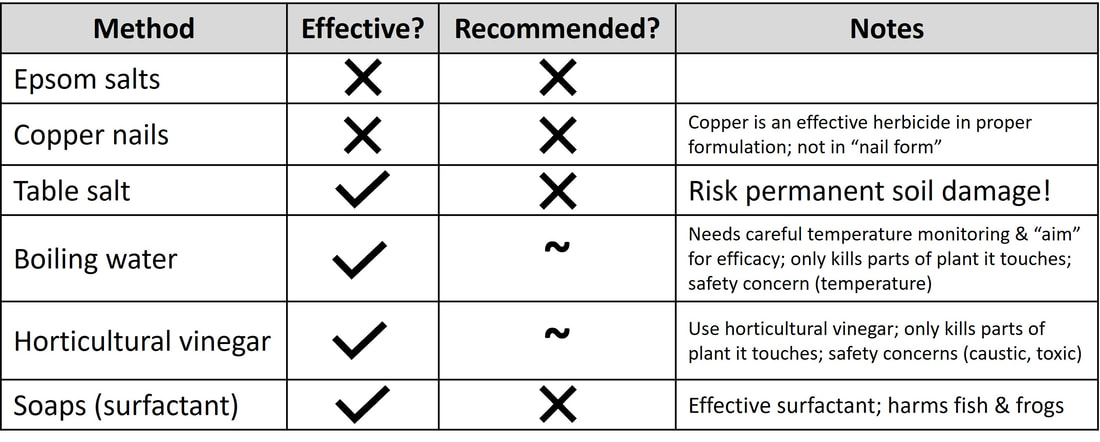
Is table salt or Epsom salt better to kill weeds?
When considering the use of salt to kill weeds, many gardeners wonder if table salt or Epsom salt is more effective. Both have unique properties and mechanisms of action that affect their efficacy against weeds.
Table Salt:
Table salt, or sodium chloride, is a well-known herbicide. It works by drawing moisture out of plants, leading to dehydration and eventual death.
Epsom Salt:
Epsom salt, or magnesium sulfate, is primarily used in gardening to enrich soil with magnesium, which is essential for plant growth. While it has some herbicidal properties, its effectiveness is significantly lower compared to that of table salt.
Effectiveness of Table Salt for Weed Control
Table salt is highly effective in killing weeds due to its ability to dehydrate plants quickly.
- Rapid Action: Table salt can cause rapid cell damage in plants, leading to death.
- Non-Selective: It affects all plant types, so careful application is necessary to avoid harming desirable plants.
- Application Methods: It can be applied directly or mixed with water for spot treatment on weeds.
Potential Risks of Using Table Salt
While table salt is effective, it poses several risks to soil health and surrounding plants.
- Soil Damage: Excessive use can lead to soil salinity, making it inhospitable for future plant growth.
- Runoff Issues: Salt can leach into waterways, potentially harming aquatic ecosystems.
- Plant Damage: Care must be taken to prevent collateral damage to neighboring plants.
Epsom Salt’s Role in Gardening
Epsom salt has gained popularity among gardeners primarily for its nutritional benefits, rather than as an herbicide.
See also:
- Soil Conditioner: It improves nutrient absorption, enhancing plant growth.
- Magnesium Source: Many plants, especially tomatoes and peppers, benefit from the added magnesium.
- Less Harmful: Epsom salt poses less risk to desirable plants and soil health compared to table salt.
Application Methods for Both Salts
The application methods differ significantly between table salt and Epsom salt when targeting weeds.
- Direct Application: Table salt can be directly sprinkled on weeds or mixed with water.
- Spray Solution: Epsom salt is typically dissolved in water and used as a foliar spray for plant nourishment.
- Spot Treatments: Both can be used for targeted treatments, but table salt requires more caution.
Environmental Considerations
When choosing between table salt and Epsom salt, environmental impact is an important consideration.
- Long-Term Effects: Table salt can negatively affect soil health over time.
- Aquatic Impact: Runoff from table salt can harm local water bodies.
- Natural Alternatives: Organic solutions may offer effective weed control with fewer environmental risks.
Does vinegar, epsom salt, and Dawn really kill weeds?

Vinegar, Epsom salt, and Dawn are commonly suggested as a natural remedy for killing weeds. Understanding how each component works can clarify whether this combination is effective.
How Vinegar Works on Weeds
Vinegar primarily contains acetic acid, which is effective in dehydrating plants. When applied directly to weeds, the acetic acid disrupts cell membranes. This leads to the dehydration of the plant. Its effectiveness is highly influenced by the concentration of acetic acid in the vinegar.
- Household Vinegar: Typically contains 5% acetic acid, which may be less effective on tougher, perennial weeds.
- Agricultural Vinegar: Contains up to 20% acetic acid, making it significantly more effective against stubborn weeds.
- Salt Accumulation: The long-term use of vinegar can create excess salt in the soil, which may negatively affect nearby plants.
The Role of Epsom Salt
Epsom salt is made of magnesium sulfate, which can enhance soil health and promote photosynthesis in plants. While it is primarily used to support healthy plant growth, Epsom salt can also be beneficial in a weed-killing mixture when combined with vinegar.
- Desiccation Aid: It helps in drying out weeds along with vinegar due to its osmotic properties.
- Soil Chemistry: Changes the pH balance, which could affect weed growth negatively under specific conditions.
- Concentration Matters: The effectiveness varies depending on the concentration used in the mixture.
Dawn Dish Soap's Contribution
Dawn dish soap acts as a surfactant. Surfactants reduce the surface tension of liquids, allowing the solution to adhere better to the leaves of weeds. This increases the penetration of the vinegar into the plant cells.
- Adhesion Improvement: Ensures that the vinegar clings to the leaves and stems more effectively.
- Wetter Application: Creates a more uniform distribution on the plant surface, maximizing exposure to the active ingredients.
- Foliar Application: Works best when applied directly to the foliage of the weeds during warm, sunny conditions.
Effectiveness on Different Types of Weeds
The effectiveness of this mixture can vary depending on the type of weed being targeted. Annual weeds may die off quickly, while perennial weeds often require multiple applications for complete eradication.
- Annual Weeds: Usually have a shorter life cycle and may be susceptible to this remedy after one or two applications.
- Perennial Weeds: Those with deep roots might need a more aggressive treatment or repeated applications to ensure they are fully eradicated.
- Target Weeds Specifically: Effective targeting of specific weed types can improve overall success rates when using this mixture.
Safety and Environmental Considerations
While using vinegar, Epsom salt, and Dawn dish soap is often considered a natural approach, it is still essential to consider the impact on the environment. High concentrations of salt can lead to soil damage and affect nearby beneficial plants.
- Soil Health: Excessive salt buildup in the soil can inhibit the growth of other plants and disturb soil biology.
- Non-Selective Action: This mixture does not discriminate and can harm desirable plants if they come into contact.
- Environmental Impact: Being cautious about where and how this remedy is applied can help preserve local ecosystems.
Questions from Our Readers
Is table salt effective for killing weeds?
Table salt can be effective in killing weeds due to its high sodium content, which can dehydrate and disrupt the plant's cellular functions. However, it can also damage the soil quality and nearby plants, making it less suitable for long-term weed control.
Can Epsom salt help in weed management?
Epsom salt, primarily composed of magnesium sulfate, is not typically used as a primary weed killer. Instead, it may enhance plant growth and improve the health of existing plants, but its effectiveness in killing weeds is limited compared to regular table salt.
See also:
Which salt is safer for the environment when used against weeds?
Epsom salt is generally considered to be safer for the environment compared to table salt. Unlike table salt, which can cause soil degradation and harm beneficial microorganisms, Epsom salt can actually provide magnesium to the soil, promoting plant health without the same level of negative impact.
What precautions should be taken when using salt for weed control?
When using either table salt or Epsom salt for weed control, it is crucial to apply them carefully to avoid harming desirable plants. Additionally, it is important to monitor soil salinity levels, as excessive use can lead to soil toxicity and negatively affect future planting.

If you want to read more articles like Is Table Salt or Epsom Salt Better for Killing Weeds? A Comprehensive Comparison Guide, we recommend you check out our Weeds category.
Leave a Reply
Related Articles