Is Multi-Purpose Compost OK as Potting Soil? A Comprehensive Guide for Gardeners
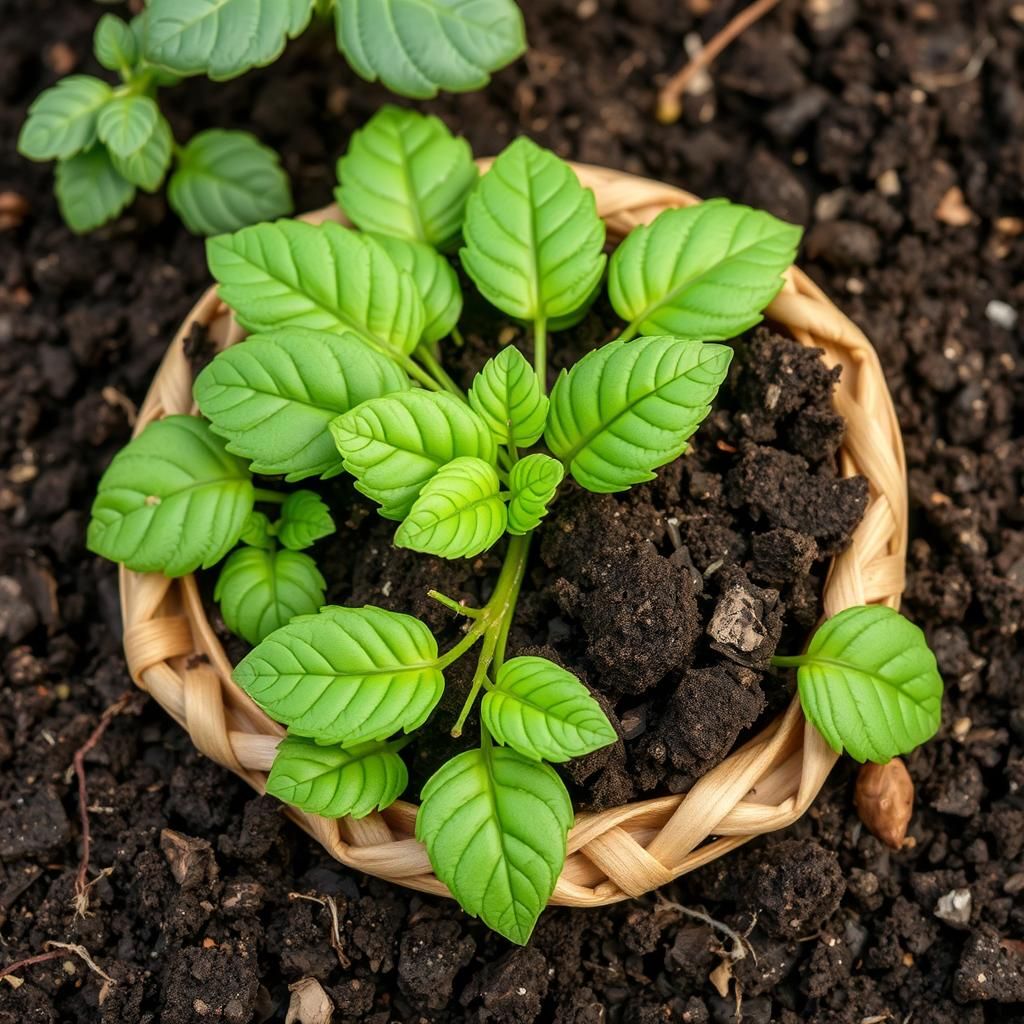
When it comes to gardening, the choice of potting soil can significantly impact plant health and growth. Many gardeners find themselves questioning the suitability of multi-purpose compost as a potting medium. This comprehensive guide aims to analyze the benefits and drawbacks of using multi-purpose compost in pots and containers. We will explore its composition, drainage capabilities, and nutrient content, helping you make an informed decision for your gardening needs. Whether you are a seasoned horticulturist or a beginner, understanding the nuances of multi-purpose compost will empower you to create the ideal environment for your plants to thrive.
Is Multi-Purpose Compost Suitable as Potting Soil?
Multi-purpose compost is often regarded as a versatile option for various gardening needs, including its use as potting soil. It can effectively provide a balanced mix of nutrients, structure, and water retention for potted plants. Designed to cater to a wide array of growing conditions, multi-purpose compost usually contains organic matter, which is beneficial for root development, aeration, and drainage. However, it’s crucial to ensure that the compost is of high quality and free from contaminants to support healthy plant growth. While it can serve well for many types of plants, certain specific plant requirements may necessitate tailored soil mixes for optimal results.
Benefits of Using Multi-Purpose Compost
One significant benefit of utilizing multi-purpose compost as potting soil is its inherent nutritive value. This compost is typically fortified with various organic components that enrich the soil, promoting healthy growth in potted plants. Additionally, it improves water retention capabilities, reducing the need for frequent watering while maintaining moisture levels suitable for plant health. Its versatile nature allows it to be used for multiple plant types, making it a convenient choice for gardeners looking for a single potting solution.
Potential Drawbacks of Multi-Purpose Compost
Although multi-purpose compost has its merits, it may not always be the best choice for every plant species. Some plants prefer specific pH levels or require soil mixes with particular drainage properties to thrive. In such cases, multi-purpose compost can become waterlogged or fail to provide the essential drainage, leading to root rot and other issues. Additionally, certain formulations may contain fertilizers that could be too potent for sensitive plants, emphasizing the need to assess compatibility with specific plant needs.
Tips for Using Multi-Purpose Compost
When using multi-purpose compost as potting soil, it’s essential to take a few precautions to maximize its effectiveness. Ensure the compost is fresh and well-aged to avoid any toxicity or nutrient imbalances. Mixing in additional materials like perlite or sand can enhance drainage and aeration, particularly for plants that require drier conditions. Furthermore, monitoring the moisture levels in the pot is vital, as multi-purpose compost can sometimes retain more water than expected. Regularly checking and adjusting based on your plants’ responses will lead to better overall health.
Comparison with Other Potting Mixes
Comparing multi-purpose compost to specialized potting mixes reveals significant differences. Whereas multi-purpose compost offers a broad spectrum of nutrients and is suitable for general use, potting mixes tailored for specific plants, like cacti or tropical species, can provide enhanced benefits. Specialized mixes typically have adjusted components to cater to particular water and nutrient requirements, often resulting in better growth rates and fewer problems with pests and diseases. Understanding the differences can guide gardeners in selecting the right soil for their specific needs.
How to Evaluate Quality of Multi-Purpose Compost
Quality assessment of multi-purpose compost is key to ensuring it meets your gardening needs. Look for signs of freshness, such as a pleasant earthy smell and an even texture devoid of any large clumps. A quality product will ideally have a dark brown or black color, indicating a rich organic content. Additionally, check for packaging that provides details on the origin of the compost and any additives it may contain, as quality assurance guarantees that the compost will support healthy plant growth effectively.
| Aspect | Multi-Purpose Compost | Specialized Potting Mix |
|---|---|---|
| Nutrient Content | Balanced for general use | Tailored for specific plants |
| Water Retention | Moderate | Varies by type |
| Soil Structure | Well-aerated | Often adjusted for drainage needs |
| Usage | Versatile | Specific plant types |
| Availability | Widely available | May be less common |
Can I use compost as potting mix?
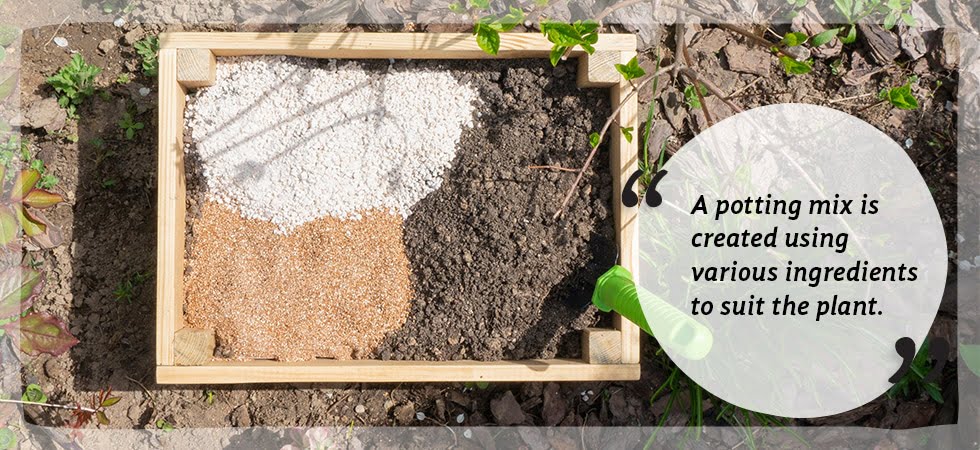
Yes, you can use compost as a potting mix, but there are several factors to consider to ensure it's suitable for your plants. Compost is rich in nutrients and provides an excellent growing medium for various plants. However, using pure compost might not offer the best drainage and aeration that many plants need. Therefore, it is often recommended to mix compost with other materials to create an optimal potting mix.
Benefits of Using Compost in Potting Mix
Using compost in your potting mix provides numerous benefits:
- Nutrient-Rich: Compost contains essential nutrients that promote healthy plant growth.
- Improves Soil Structure: It enhances the soil structure by creating pores that allow air and water to permeate more easily.
- Microbial Life: Compost introduces beneficial microorganisms that can help protect plants from diseases.
How to Create a Potting Mix with Compost
Creating a suitable potting mix with compost involves the right proportions and additional ingredients:
- Combining Ingredients: Mix one part compost with two parts of other materials like peat moss or coconut coir.
- Enhancing Drainage: Add perlite or vermiculite to improve drainage and aeration in the mix.
- Testing pH Levels: Ensure the final mix has an appropriate pH level for the specific plants you intend to grow.
Potential Drawbacks of Using Pure Compost
While compost has many advantages, there are also potential drawbacks when used alone:
- Poor Drainage: Pure compost may retain too much moisture, leading to root rot.
- Nutrient Burn: High nutrient levels can potentially harm sensitive plants if not diluted properly.
- Variable Quality: The quality of compost can vary widely, which may affect plant health.
Plants Suitable for Compost-Based Potting Mix
Certain plants thrive better in compost-based potting mixes:
See also:
- Herbs: Most herbs benefit from the nutrient-rich properties of compost.
- Vegetables: Many vegetable plants prefer nutrient-dense environments for optimal growth.
- Houseplants: Foliage plants often do well in well-aerated compost blends.
When to Avoid Compost in Potting Mix
There are instances when you might want to avoid using compost in your potting mix:
- Highly Drainage-Dependent Plants: Cacti and succulents require well-draining soil mixtures.
- Seedlings: Young seedlings may need a more sterile environment to thrive.
- Contaminated Compost: If the compost contains weed seeds or pathogens, it could harm your plants.
Can you grow plants in multi-purpose compost?
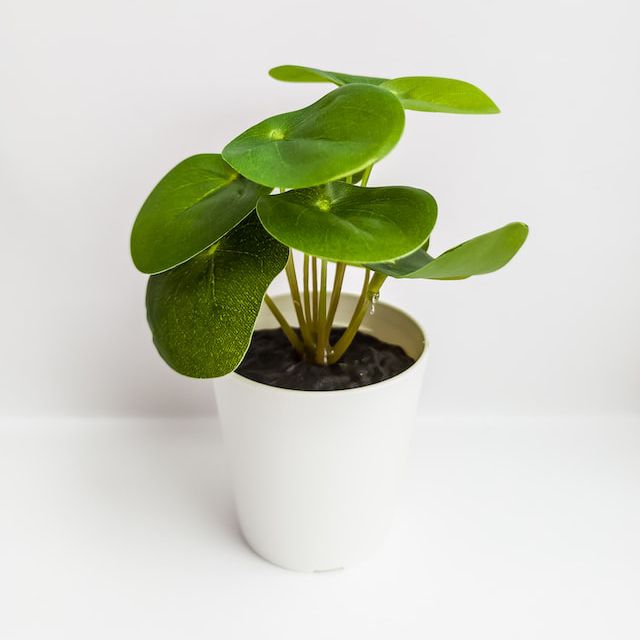
Yes, you can grow plants in multi-purpose compost. Multi-purpose compost is designed to be a versatile growing medium that can support a variety of plants, from flowers to vegetables. It is formulated to provide essential nutrients, good drainage, and the necessary structure for root development. Here are some key aspects to consider when using multi-purpose compost for growing plants.
Benefits of Multi-Purpose Compost
Using multi-purpose compost offers several advantages for plant growth:
- Nutrient Supply: It often contains added fertilizers and organic matter, which provides essential nutrients needed for plant growth.
- Versatility: Suitable for a wide range of plants including annuals, perennials, fruits, and vegetables.
- Moisture Retention: It retains moisture well, ensuring that plants have access to water without becoming waterlogged.
How to Use Multi-Purpose Compost
To effectively use multi-purpose compost for growing plants, follow these steps:
- Preparation: Ensure that containers or garden beds are cleaned and free of old plant material.
- Filling: Fill pots or beds with multi-purpose compost, leaving some space at the top for watering.
- Planting: Make small holes for seeds or seedlings and gently firm the compost around them.
Types of Plants Suitable for Multi-Purpose Compost
Multi-purpose compost can accommodate a diverse range of plants:
- Flowering Plants: Ideal for growing annual and perennial flowers that require good drainage and nutrient-rich soil.
- Vegetables: Suitable for growing kitchen garden vegetables like tomatoes, peppers, and lettuce.
- Herbs: Great for nurturing herbs such as basil, parsley, and mint, which thrive in enriched compost.
Considerations When Using Multi-Purpose Compost
While multi-purpose compost is beneficial, there are some considerations to keep in mind:
- Quality: Choose high-quality compost to ensure it is free from pests and diseases.
- pH Levels: Check the pH level, as some plants prefer more acidic or alkaline soils.
- Watering Needs: Adjust watering practices, since multi-purpose compost can retain moisture differently based on its composition.
Improving Multi-Purpose Compost
Enhancing the effectiveness of multi-purpose compost can lead to better plant growth:
- Additives: Consider mixing in sand or perlite to improve drainage for plants that require it.
- Organic Matter: Incorporate additional organic matter such as well-rotted manure or worm castings for extra nutrients.
- Slow-Release Fertilizers: Use slow-release fertilizers to provide ongoing nutrient supply over time.
Is multi-purpose compost the same as soil?

Multi-purpose compost and soil are often confused, but they are not the same. Multi-purpose compost is a blend of organic matter that has decomposed, while soil is the top layer of the Earth’s crust, composed of minerals, organic matter, water, and air. Understanding their differences is essential for proper gardening and plant care.
Composition Differences
Multi-purpose compost primarily consists of decomposed organic materials, such as kitchen scraps, garden waste, and other plant debris. In contrast, soil contains a complex mixture of minerals, such as sand, silt, and clay, alongside organic matter, water, and air.
- Multi-purpose compost is rich in nutrients beneficial for plants.
- Soil has a more varied composition that includes minerals essential for plant growth.
- While compost improves soil structure, it does not replace the mineral content found in soil.
Functionality in Gardening
Each serves distinct purposes in gardening and landscaping. Multi-purpose compost is typically used for planting, potting, or as a top dressing, providing essential nutrients as it breaks down. Soil, however, serves as the anchoring medium for plants and plays a critical role in their sustainability.
- Multi-purpose compost aids in moisture retention and provides immediate nutrients.
- Soil regulates water drainage and aeration, crucial for root health.
- Utilizing compost can enhance the overall quality of soil by increasing its organic content.
Application Methods
The application of multi-purpose compost and soil varies. Multi-purpose compost can be mixed into existing soil or used directly in pots, while soil is typically used as the foundational layer for planting beds and lawns.
See also:
- Compost can be easily incorporated into existing soil, improving its quality.
- Soil is often excavated and tilled for new gardening projects.
- Using too much compost without adequate soil can lead to poor drainage.
Nutrient Availability
The nutrient availability in multi-purpose compost is generally higher than in standard soil. Compost contains elevated levels of nitrogen, phosphorous, and potassium, which are vital for plant growth.
- Compost typically has a balanced nutrient profile ideal for fast-growing plants.
- Soil may require amendments to reach optimal nutrient levels.
- Over time, adding compost can improve overall soil fertility.
Environmental Impact
Both multi-purpose compost and soil play significant roles in the ecosystem. Composting organic waste reduces landfill contributions and enhances soil health when returned to the Earth.
- Using multi-purpose compost helps to recycle organic material, reducing waste.
- Healthy soil contributes to biodiversity and carbon sequestration.
- Both practices support sustainable gardening and agriculture.
Can I plant houseplants in multi-purpose compost?
Yes, you can plant houseplants in multi-purpose compost. Multi-purpose compost is designed to provide a versatile growing medium suitable for a variety of plants, including houseplants. It typically contains a mix of peat, composted bark, and possibly fertilizers that can supply nutrients essential for plant growth. However, the success of using multi-purpose compost depends on several factors, including the specific needs of your houseplants and the composition of the compost itself.
Understanding Multi-purpose Compost
Multi-purpose compost is a type of growing medium that can be used for various gardening projects. It is formulated to support both seedlings and established plants. When selecting multi-purpose compost, consider the following:
- Ingredients: Check for a balanced mix of organic matter.
- Texture: It should have a light and airy texture for good aeration.
- pH Level: It generally has a neutral pH, suitable for most plants.
Benefits of Using Multi-purpose Compost for Houseplants
Using multi-purpose compost for houseplants provides several advantages. It simplifies your gardening routine and makes it easier to support plant health. Here are some benefits to consider:
- Nutrient Availability: The compost is enriched with nutrients essential for growth.
- Improved Drainage: A good quality mix promotes drainage, preventing root rot.
- Ease of Use: Ideal for both novice and experienced gardeners.
Considerations for Specific Houseplants
While multi-purpose compost is versatile, certain houseplants may have specific needs that should be addressed. It is important to tailor your approach based on plant requirements:
- Succulents and Cacti: These plants often prefer fast-draining soil.
- Orchids: They may require a specialized mix with more aeration.
- Ferns: These typically thrive in moister conditions; consider adding additional moisture-retaining components.
How to Amend Multi-Purpose Compost
To enhance the performance of multi-purpose compost for houseplants, you might consider amending it. Here are some common amendments:
- Perlite: Improves aeration and drainage; suitable for most houseplants.
- Vermiculite: Helps retain moisture and nutrients.
- Sand: Excellent for improving drainage, especially for succulents.
Best Practices When Planting in Multi-Purpose Compost
To ensure optimal growth for your houseplants in multi-purpose compost, follow these best practices:
- Choose the Right Container: Ensure your pot has drainage holes.
- Water Carefully: Avoid overwatering, as this can lead to root rot.
- Monitor Growth: Pay attention to plant health and make adjustments as necessary.
Questions from Our Readers
Is multi-purpose compost suitable for potting soil?
Multi-purpose compost can be suitable for potting soil as it is designed to support a wide range of plants. However, it’s crucial to check that it is formulated with good drainage and nutrient content to ensure healthy plant growth.
What are the benefits of using multi-purpose compost in pots?
Using multi-purpose compost in pots provides several benefits, including adequate nutrients for plant development and improved moisture retention. It often helps in promoting better root growth and overall health of potted plants.
Are there any drawbacks to using multi-purpose compost for potting?
One of the potential drawbacks of using multi-purpose compost is that it may not be specifically tailored for particular plants, leading to nutrient imbalances in certain cases. Additionally, if it retains too much moisture, it could result in root rot.
Can I mix multi-purpose compost with other soil amendments?
Yes, you can mix multi-purpose compost with other soil amendments, such as perlite or vermiculite, to enhance drainage and aeration. This combination can create a more suitable environment for potting various plants.
See also:

If you want to read more articles like Is Multi-Purpose Compost OK as Potting Soil? A Comprehensive Guide for Gardeners, we recommend you check out our Compost category.
Leave a Reply
Related Articles