Is Liquid Fertilizer Cheaper Than Dry Fertilizer? Exploring Costs and Benefits
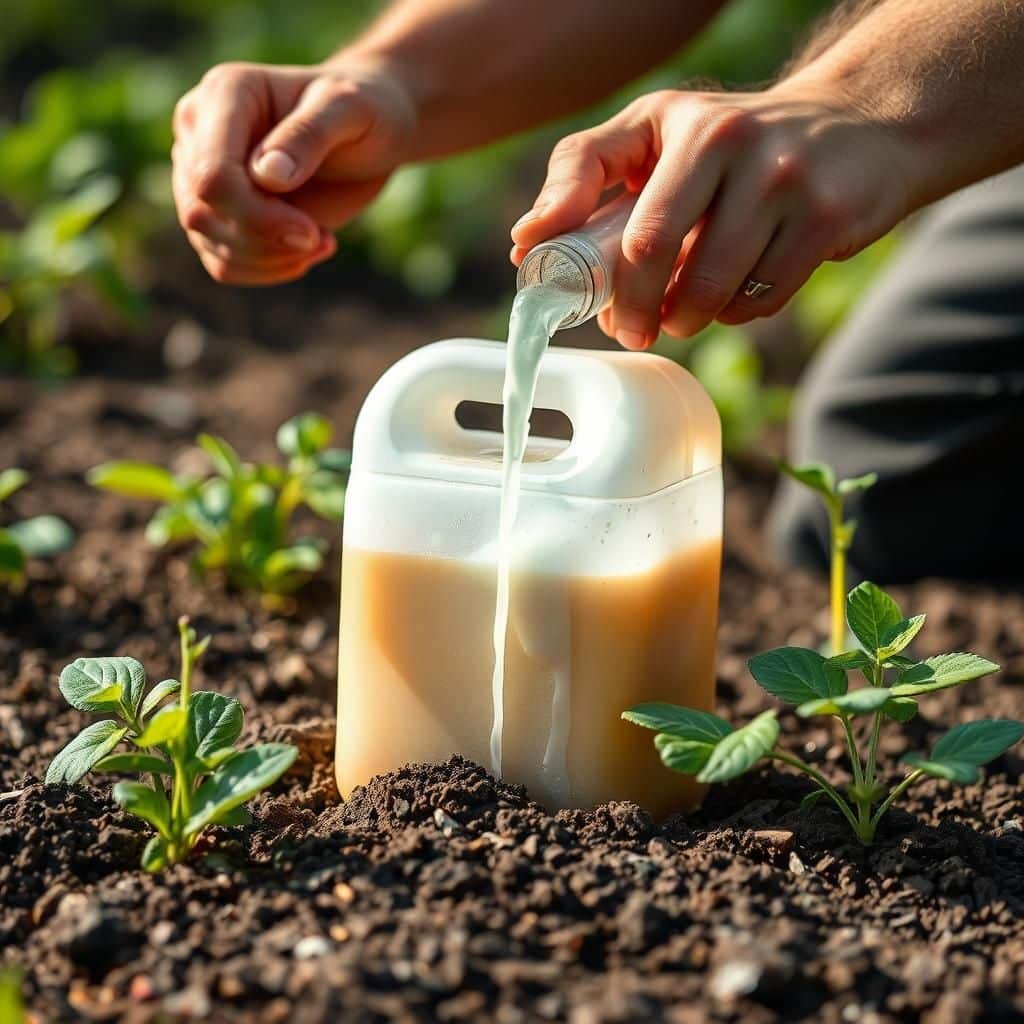
When it comes to enhancing plant growth and maximizing agricultural yields, the choice between liquid and dry fertilizers often comes down to cost and effectiveness. Farmers and gardeners alike are frequently faced with the decision of which type to use. This article explores the financial implications of both liquid and dry fertilizers, delving into their respective costs and benefits. By examining factors such as application methods, nutrient availability, and overall efficiency, readers will gain a clearer understanding of whether liquid fertilizer is indeed cheaper than its dry counterpart, ultimately helping inform their fertilization strategies.
Is Liquid Fertilizer Cheaper Than Dry Fertilizer?
Liquid fertilizer can often be perceived as more expensive than dry fertilizer due to its higher upfront cost per gallon compared to a standard bag of granules; however, the overall cost-effectiveness may vary based on application rates, crop needs, and the efficiency of nutrient uptake. Liquid fertilizers can provide quicker nutrient availability to plants, potentially leading to higher yields and reduced wastage, which might offset their initial higher price. Additionally, factors such as transportation, storage, and application method can also influence the comparative cost, making it essential for growers to assess their individual circumstances and determine the most economical choice based on specific farming practices and crop requirements.
Cost Comparison
The cost of liquid and dry fertilizers can differ significantly based on market conditions, brand, and formulation. While dry fertilizers typically seem less expensive per pound, liquid fertilizers often contain higher concentrations of nutrients, meaning that the total amount needed may be considerably reduced. Hence, when calculating the total cost per nutrient unit delivered, liquid fertilizers might prove to be more competitive, especially for high-yield crops requiring specific nutrient ratios.
Application Efficiency
Liquid fertilizers are often applied more efficiently than dry fertilizers, allowing for more precise placement and quicker absorption by plants. This can lead to a faster response time in nutrient uptake, which is critical during peak growth periods. Consequently, even though the per-gallon price of liquid fertilizers might be higher, their effective application could potentially reduce the overall amount of fertilizer needed over a growing season.
Soil and Plant Compatibility
Different crops and soil types react variably to liquid and dry fertilizers, influencing their economic effectiveness. For instance, some crops thrive on the readily available nutrients in liquid forms, leading to better growth rates and minimized losses. In contrast, certain soils may retain dry fertilization less effectively under specific climatic conditions, resulting in loss through leaching. Thus, understanding the compatibility of the fertilizer type with the crop and soil can make a significant difference in overall costs.
Transportation and Storage Costs
The logistics of transporting and storing fertilizers typically contribute to their overall expense. Liquid fertilizers may entail higher transportation costs due to their bulk and volume but can simplify storage requirements by taking up less space than multiple bags of dry fertilizers. This can lead to lower overall costs in managing inventory and potentially reduce the labor required for application methods.
Long-Term Yield and Cost Analysis
When considering whether liquid fertilizers are cheaper in the long-term, it is crucial to look at yield results and the subsequent revenue generated. Liquid fertilizers can often lead to increased yields due to enhanced nutrient availability, resulting in better crop quality and higher market value. This long-term investment perspective should be evaluated alongside initial costs, as higher upfront spending may be recuperated through improved profitability over time.
| Fertilizer Type | Cost per Unit | Application Efficiency | Yield Impact |
|---|---|---|---|
| Liquid Fertilizer | Higher | More Efficient | Higher Potential |
| Dry Fertilizer | Lower | Less Efficient | Varies |
Is liquid or dry fertilizer cheaper?

Liquid and dry fertilizers each have their own cost considerations, which can vary significantly depending on several factors. Generally, dry fertilizers tend to be cheaper per pound compared to liquid fertilizers, but the overall cost-effectiveness can depend on various aspects such as application rates, transportation costs, and the specific needs of your plants.
Cost Comparison of Liquid and Dry Fertilizers
Dry fertilizers typically have a lower price point than liquid options when considering the cost per unit of nutrient. For instance, bulk dry fertilizers can often be purchased for less than their liquid counterparts. However, the application method and effectiveness can influence the overall cost.
- Price per Pound: Dry fertilizers often cost less per pound than liquid fertilizers.
- Bulk Purchasing: Buying dry fertilizers in bulk can reduce costs further.
- Concentration: Liquid fertilizers may require more product for the same nutrient value.
Application Methods and Their Impact on Cost
The method of application plays a critical role in determining the total expenditure on fertilizers. Liquid fertilizers can be easier to apply through spray systems or irrigation, which may negate some of the upfront price advantages of dry fertilizers. Conversely, dry fertilizers might require more labor-intensive application methods which can increase costs.
- Ease of Application: Liquid fertilizers can be mixed with water and sprayed.
- Labor Costs: Dry fertilizers might incur higher labor costs for application.
- Equipment Needs: Different types of equipment may be necessary for each type.
Nutrient Release Rates
The rate at which nutrients are released from fertilizers also impacts their overall effectiveness and cost. Liquid fertilizers provide immediate access to nutrients, but their costs can escalate if multiple applications are needed throughout a growing season. In contrast, dry fertilizers release nutrients over a more extended period, which can mean fewer applications and potentially lower costs in the long run.
- Immediate vs. Gradual Release: Liquid fertilizers offer quick nutrient availability.
- Frequency of Application: Dry fertilizers may need fewer applications.
- Plant Needs: The specific growth stage of plants affects nutrient availability.
Transportation and Storage Costs
Transportation and storage can significantly alter the expenses involved in managing fertilizers. Bulk dry fertilizers, for instance, are typically more straightforward to store and transport in large quantities compared to liquids, which may require specialized containers and conditions.
- Storage Requirements: Dry fertilizers often have fewer restrictions.
- Transport Efficiency: Bulk shipments of dry products can lower shipping costs.
- Handling Costs: Liquid fertilizers may incur higher handling costs due to their weight and packaging.
Environmental Considerations and Long-term Costs
Long-term costs often encompass the environmental impact of fertilizer use. While both liquid and dry fertilizers have their advantages, the chances of runoff or leaching can impact costs related to water quality regulations or remediation efforts.
- Runoff Potential: Liquid fertilizers are often more prone to runoff.
- Soil Health: Dry fertilizers may contribute differently to long-term soil health.
- Regulatory Costs: Compliance with environmental regulations could lead to unexpected expenses.
What is the cheapest way to fertilize?

To fertilize plants in the most economical way, consider using natural and homemade solutions as they often provide the necessary nutrients without the high costs associated with commercial fertilizers. Here are some inexpensive methods to fertilize your garden effectively:
Using Compost
Composting is one of the most cost-effective methods of fertilization. By recycling kitchen scraps and yard waste, you can create nutrient-rich organic matter that improves soil structure and fertility.
- Components: Collect fruit and vegetable scraps, coffee grounds, grass clippings, and leaves.
- Process: Layer these materials in a compost bin, ensuring good aeration and moisture to promote decomposition.
- Application: Once matured, spread the compost around plants or mix it into the soil.
Utilizing Manure
Animal manure is an excellent source of nutrients for plants. It can be acquired from local farms or stables at little to no cost.
- Types: Common options include cow, horse, chicken, or sheep manure.
- Preparation: Allow manure to decompose for several months to minimize pathogens and odors.
- Distribution: Apply it directly to garden beds or mix into the soil before planting.
Homemade Fertilizer Solutions
Creating your own fertilizer from household items can also save you money while nourishing your plants.
- Banana Peels: They are rich in potassium. Bury peels in the soil around plants or blend them into a fertilizer liquid.
- Coffee Grounds: They add nitrogen to the soil. Sprinkle used grounds around plants or mix with compost.
- Eggshells: They provide calcium. Crush dried shells and mix into the soil.
Crop Rotation and Companion Planting
These agricultural practices can enhance soil fertility without additional costs. They involve planting different crops in successive seasons and pairing plants that support each other.
- Crop Rotation: Alternating crops helps prevent nutrient depletion and soil erosion.
- Companion Planting: Certain plants, like legumes, fix nitrogen in the soil, benefiting their neighbors.
- Biodiversity: These practices promote a healthy ecosystem, reducing pests and diseases.
Using Green Manures and Cover Crops
Sowing green manures or cover crops can naturally enrich and protect the soil.
- Types: Common options include clover, vetch, and rye.
- Benefits: They prevent erosion, suppress weeds, and improve soil structure.
- Incorporation: At the end of their growth cycle, till the crops into the soil to enhance its nutrient content.
Which is better, liquid or dry lawn fertilizer?
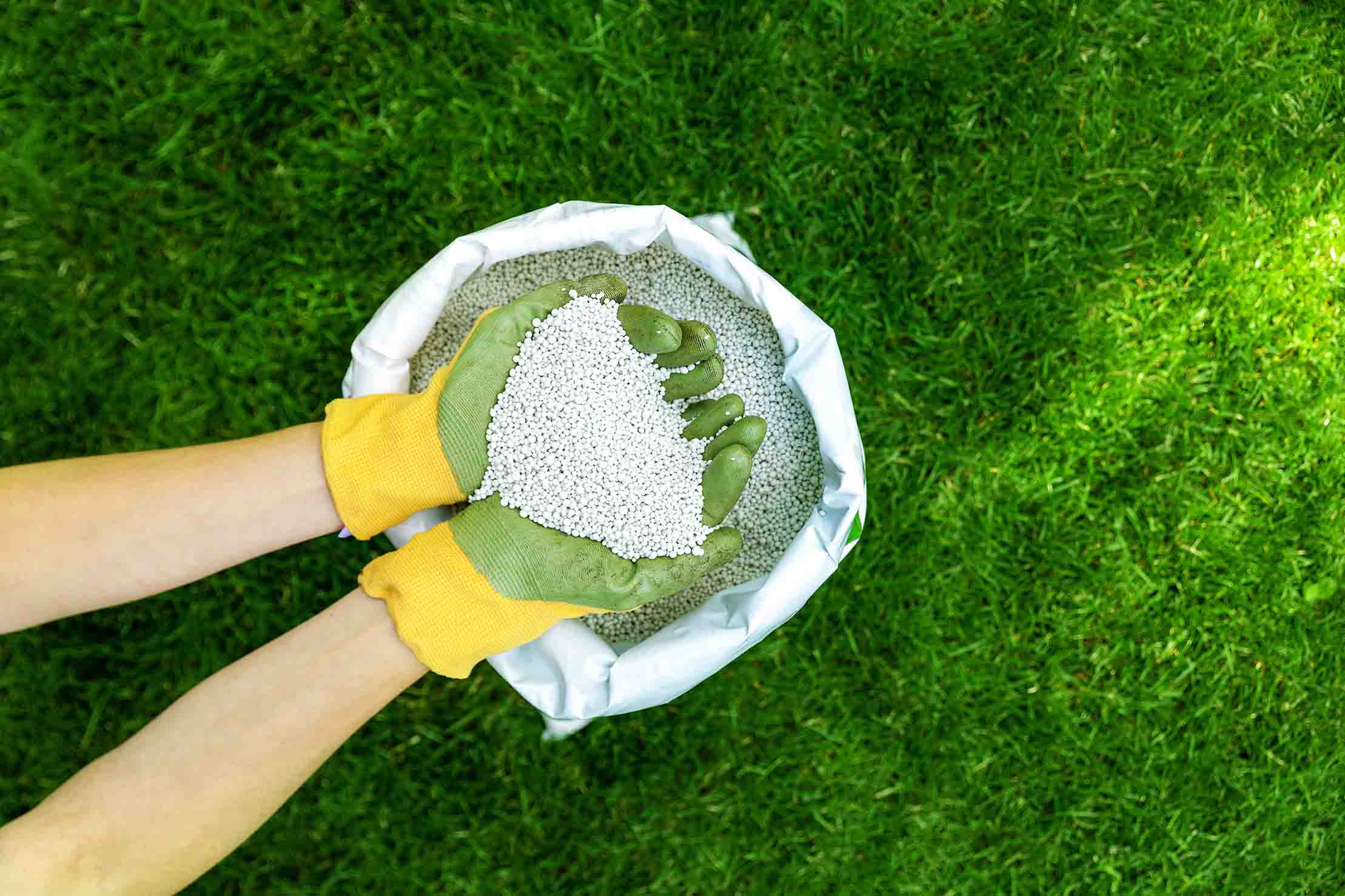
When deciding between liquid and dry lawn fertilizer, several factors come into play, including convenience, effectiveness, and the specific needs of your lawn. Both types of fertilizers have their advantages and disadvantages. This response will outline the characteristics of each type and help you determine which might be better suited for your lawn care regimen.
Effectiveness of Liquid Fertilizers
Liquid fertilizers offer rapid absorption and are often quickly taken up by grass roots and leaf surfaces. This can lead to a more immediate effect, making your lawn appear greener and healthier in a short amount of time.
- Quick results: Liquid fertilizers can show results within days due to their fast-acting nature.
- Versatile application: They can be used in various ways, including spraying directly onto leaves (foliar feeding) or watering in.
- Customizable mixtures: Liquid fertilizers can be blended with other nutrients and substances, allowing for tailored nutrient delivery.
Effectiveness of Dry Fertilizers
Dry fertilizers, often in granular form, may take longer to dissolve but provide a more slow-release feeding effect. This can lead to sustained nutrition over a longer period, which is beneficial for lawns requiring consistent nourishment.
- Long-lasting effects: Dry fertilizers can feed your lawn for weeks or even months after application.
- Less frequent application: Because of their sustained release, you may not need to apply them as often as liquid fertilizers.
- Soil improvement: Many dry fertilizers help improve soil health by adding organic matter gradually.
Convenience and Usability
The convenience of applying fertilizer can significantly impact your decision. Liquid fertilizers generally offer ease of application but can require specialized equipment such as spray tanks or hoses. In contrast, dry fertilizers can be spread using a handheld spreader, which may be simpler and less costly.
- Application methods: Liquid fertilizers require sprayers for distribution, while dry fertilizers simply need a spreader or manual application.
- Storage and handling: Liquid fertilizers are often heavier and can come in larger containers, while dry fertilizers are generally easier to store.
- Weather considerations: Liquid applications may be limited by rain, which can wash away nutrients, whereas dry fertilizers are less affected by immediate weather conditions.
Certain Grass Types and Lawn Needs
The specific type of grass you have and your lawn's particular conditions may influence your choice of fertilizer. Some grasses benefit greatly from the quick uptake provided by liquid fertilizers, while others may prefer the steady nutrition provided by dry fertilizers.
- Grass type: Cool-season grasses often thrive with liquid fertilizers, while warm-season grasses might do better with dry options.
- Soil conditions: If your soil is compacted or poorly drained, liquid fertilizers may struggle to penetrate, making dry fertilizers more suitable.
- Seasonal needs: During certain growth phases, like spring and fall, your lawn may benefit differently from liquid vs. dry fertilizers.
Cost Considerations
Cost can be a significant factor in the choice between liquid and dry fertilizers. Liquid fertilizers can sometimes be more expensive per application but offer quick results, while dry fertilizers usually provide a better value over time with sustained release.
- Initial investment: Liquid fertilizers may require additional equipment, while dry fertilizers typically only need a spreader.
- Cost per application: Calculate the cost based on the frequency of application required for each fertilizer type.
- Long-term value: Consider how often you will need to apply each type for optimal lawn health to assess overall cost efficiency.
When not to apply liquid fertilizer?

When considering the application of liquid fertilizer, there are specific circumstances when it is advisable to refrain from doing so. Applying liquid fertilizer at the wrong time can lead to nutrient runoff, plant damage, or wasted resources. Below are detailed situations and timing considerations that should influence whether to apply liquid fertilizer or not.
1. During Heavy Rainfall
Applying liquid fertilizer before or during periods of heavy rainfall can significantly reduce its effectiveness. Heavy rains can cause the nutrients to be washed away from the root zone, leading to nutrient runoff and environmental concerns.
- Runoff Issues: Nutrients can enter water bodies, causing pollution.
- Wasted Resources: Fertilizer gets washed away, providing no benefit to plants.
- Soil Erosion: Excessive water can cause soil erosion, further depleting nutrients.
2. When Soil is Frozen
Applying liquid fertilizer to frozen soil is ineffective since the nutrients cannot be absorbed by the plants. The cold temperature inhibits the chemical reactions necessary for the soil to utilize fertilizer effectively.
- Absorption Issues: Plants cannot uptake nutrients from frozen ground.
- Potential Damage: Fertilizers may cause osmotic stress to roots.
- Limited Activity: Soil microbial activity is greatly reduced in frozen conditions.
3. During Drought Conditions
In periods of drought, applying liquid fertilizer can lead to nutrient lock-up. Without adequate moisture, plants cannot effectively absorb nutrients, and it may even harm them.
- Root Damage: Concentrated fertilizers can damage plant roots.
- Nutrient Lock-Up: Lack of water can prevent nutrient solubility.
- Increased Stress: Fertilizers can add stress to already deficient plants.
4. Before Planting or Transplanting
Applying liquid fertilizer right before planting or transplanting can create an inhospitable environment for young plants. Fertilizers can burn the delicate roots if they are applied directly.
- Root Burn: High nutrient concentration can harm new roots.
- Immature Plants: Young plants are more susceptible to fertilizer shock.
- Soil Structure: Older fertilizers can compact soil, hindering root development.
5. When Soil Nutrient Levels Are Sufficient
Before applying liquid fertilizer, conducting a soil test to assess nutrient levels is crucial. If soil already has sufficient nutrients, applying fertilizer can cause nutrient toxicity or imbalance.
- Soil Tests: Regular testing helps determine nutrient needs.
- Prevent Toxicity: Excess nutrients can harm plant health.
- Cost Efficiency: Avoid unnecessary expenses on fertilizers when not needed.
Questions from Our Readers
Is liquid fertilizer more cost-effective than dry fertilizer?
Liquid fertilizer can be more cost-effective in certain situations, especially if your plants require specific nutrients quickly. However, the overall cost-effectiveness also depends on factors such as application rates and local market prices.
What are the advantages of using liquid fertilizer over dry fertilizer?
One of the main advantages of liquid fertilizer is its immediate availability of nutrients to plants, allowing for faster absorption. Additionally, it can be easier to apply in fertigation systems or through irrigation, ensuring even distribution.
Are there any drawbacks to using liquid over dry fertilizer?
Yes, liquid fertilizer can have some drawbacks, including a higher risk of leaching and volatilization. Additionally, it may require more frequent applications due to its shorter residual effect in the soil compared to dry fertilizers.
How do application rates compare between liquid and dry fertilizers?
Application rates can significantly differ; liquid fertilizers often require smaller quantities due to their higher concentration of nutrients. In contrast, dry fertilizers might need larger volumes to achieve the same nutrient levels, affecting the overall cost and labor involved.
See also:
If you want to read more articles like Is Liquid Fertilizer Cheaper Than Dry Fertilizer? Exploring Costs and Benefits, we recommend you check out our Fertilizante category.
Leave a Reply
Related Articles