Is it Okay to Put Mulch Next to Your House? Key Tips and Benefits Explained
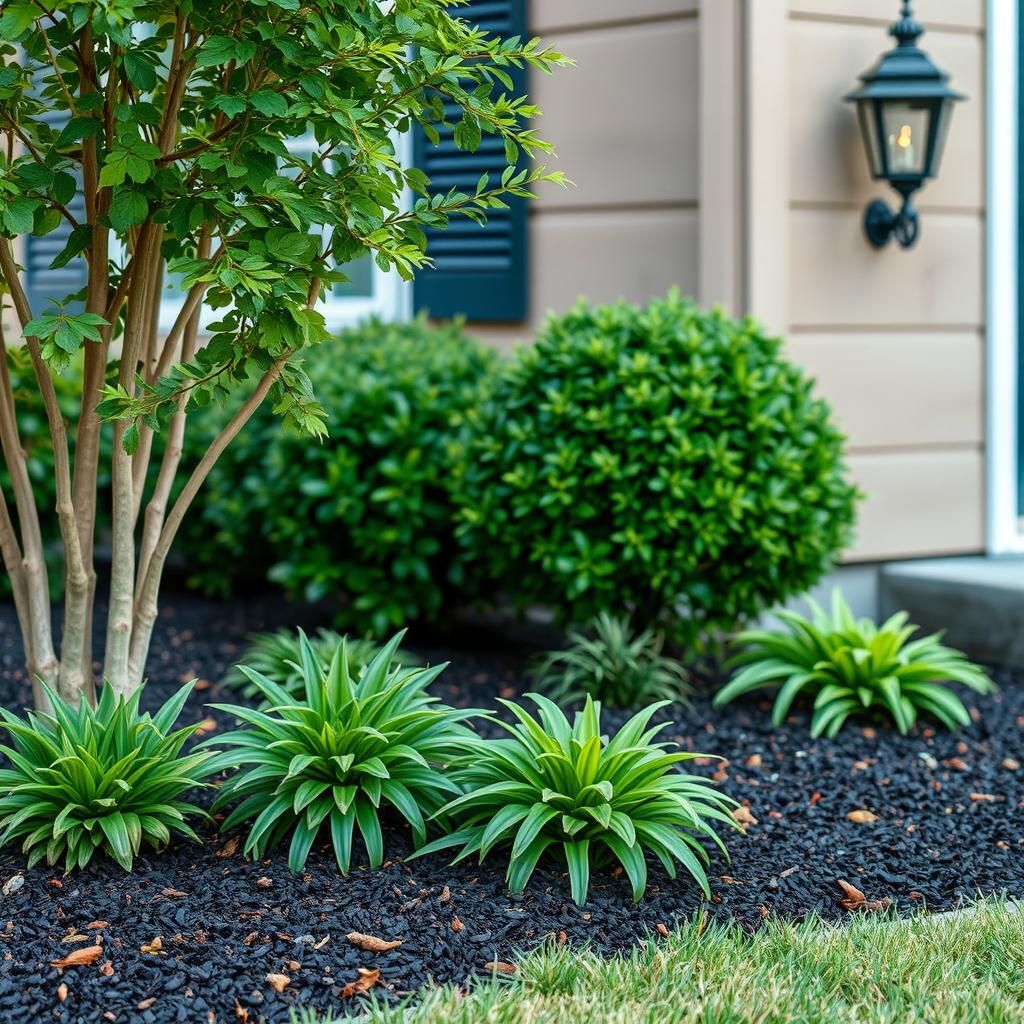
When it comes to landscaping, using mulch is a popular choice for enhancing garden aesthetics and improving soil health. However, many homeowners wonder whether it's safe to place mulch directly next to their house. This article delves into the implications of mulching near your home, examining both the benefits and potential risks involved. From moisture retention to pest attraction, understanding the dynamics of mulch placement can help you make informed decisions for your garden. Join us as we explore key tips and insights to effectively use mulch while ensuring the protection and longevity of your home.
Is It Okay to Put Mulch Next to Your House?
Placing mulch next to your house can be beneficial, but it must be done with caution. Mulch, when applied correctly, can improve moisture retention, control weeds, and enhance the visual appeal of your landscape. However, excessive mulch or improper placement can lead to problems like promoting pest infestations, damaging the foundation, or causing wood rot if it touches wooden structures. It is advisable to keep mulch at least a few inches away from the house and to monitor its depth to ensure the health of both your plants and your home's foundation.
Benefits of Using Mulch
Mulch provides several benefits when placed in appropriate areas around your home. It helps retain soil moisture, suppresses weed growth, and can improve soil quality as it decomposes. Additionally, mulch can regulate soil temperature, keeping it cool in the summer and warm in the winter, which is beneficial for plant growth. Decorative mulch also enhances the aesthetic value of your landscaping, making it more visually appealing.
Risks of Placing Mulch Too Close
Putting mulch too close to your house can pose several risks. One significant concern is the potential for pest infestations, as mulch can attract insects like termites if it’s touching wood structures. Furthermore, when mulch is piled against the foundation, it can trap moisture, which may lead to mold growth and other moisture-related issues in your home. It may also encourage the growth of roots that could penetrate your foundation over time.
Types of Mulch Suitable for Home Use
There are various types of mulch, each with its own characteristics and benefits. Organic mulches, such as wood chips, shredded bark, and straw, break down over time and enrich the soil. Inorganic mulches, like gravel or rubber, don't decompose but can still effectively control weeds and maintain moisture levels. Choosing the right type of mulch is crucial, depending on your specific landscaping needs and environmental conditions.
Best Practices for Mulch Application
To apply mulch effectively, it's essential to follow best practices to avoid potential issues. First, maintain a distance of at least 3 inches between mulch and the base of your home. This distance helps prevent moisture buildup against the foundation. Secondly, apply a layer of 2 to 4 inches of mulch to effectively suppress weeds while allowing water to reach the soil. Regularly monitor the condition of the mulch and replenish it as needed to maintain its benefits.
How to Maintain Mulch Throughout the Year
Ongoing maintenance of mulch is vital for ensuring its protective benefits continue throughout the year. During the growing season, check for any weeds that may break through the mulch layer and remove them promptly. Additionally, watch for signs of compaction or decomposition, which might require refreshing the mulch layer. In winter, consider using a larger layer of mulch to insulate plant roots against the cold, ensuring that your garden remains healthy and thriving.
| Mulch Type | Benefits | Drawbacks |
|---|---|---|
| Wood Chips | Improves soil quality | Attracts pests if too close to the house |
| Straw | Good for moisture retention | May decompose quickly |
| Rubber Mulch | Long-lasting, no decomposition | Not biodegradable |
| Gravel | Low maintenance, effective for heat regulation | Does not improve soil health |
Can I put mulch next to my house?

Yes, you can put mulch next to your house, but there are several important factors to consider. Mulch can provide aesthetic benefits, help retain moisture in the soil, and control weeds. However, it also poses risks if not used correctly. When placing mulch near your home, consider material types, depth, and maintenance practices to ensure that it does not encourage pests or retain too much moisture against your foundation.
Benefits of Using Mulch Next to Your House
Using mulch near your house comes with several advantages:
- Moisture Retention: Mulch can help keep the soil around your foundation moist, which is vital for plant health.
- Weed Control: It minimizes competition from weeds, allowing your plants to thrive.
- Aesthetic Appeal: Mulch can enhance the visual appeal of your landscape, offering a polished look.
- Temperature Regulation: It helps moderate soil temperatures, benefiting plant growth.
- Soil Improvement: Over time, organic mulch breaks down and enriches the soil.
Choosing the Right Type of Mulch
Selecting the appropriate mulch material is crucial when placing it next to your house. Different types serve various purposes:
- Organic Mulches: Wood chips, bark, and straw are biodegradable and improve soil health over time.
- Inorganic Mulches: Pebbles or rubber mulch do not break down but can effectively suppress weeds and reduce erosion.
- Local Climate Considerations: Choose mulch that can withstand your local weather conditions and plant requirements.
- Pest Resistance: Consider mulch types that deter pests; for example, cedar mulch can repel certain insects.
- Color and Texture: Select a mulch that complements the design of your home and surrounding landscaping.
Proper Mulch Depth and Placement
The depth and placement of mulch next to your house are essential for preventing moisture issues:
See also:
- Recommended Depth: A depth of 2-4 inches is ideal to suppress weeds while avoiding excess moisture buildup.
- Distance from Foundation: Keep mulch at least 6 inches away from the foundation to reduce the risk of water damage.
- Layering Techniques: Consider a layered approach with larger chunks at the bottom and finer material on top for effective water management.
- Photosynthesis Consideration: Ensure that woody plants or shrubs do not cover bases of trees, as they need space for effective photosynthesis.
- Monitor Regularly: Check for signs of rot or pests regularly, adjusting depth or type of mulch as necessary.
Potential Risks of Placing Mulch Next to Your House
While mulch has many benefits, there are potential risks to be aware of when used next to your home:
- Foundation Damage: Excess moisture retention can lead to basement flooding or foundation erosion.
- Pest Attraction: Mulch can attract insects, rodents, and other pests that thrive in moisture-rich environments.
- Fungal Growth: Organic mulch can promote fungal growth if kept too moist, leading to various plant diseases.
- Fire Hazard: Certain types of mulch, especially those made from wood products, can pose a fire risk, particularly in dry seasons.
- Soil Compaction: Too much mulch can lead to compaction and poor air circulation for the soil and plant roots.
Best Practices for Mulching Near Your Home
To safely utilize mulch near your house, follow these best practices:
- Regular Maintenance: Rake and refresh your mulch every season to maintain its health and appearance.
- Inspect for Pests: Regularly check for insect activity or other vermin that may be attracted to the mulch.
- Adjust Watering: Monitor watering schedules as mulch will retain moisture longer than bare soil.
- Choose the Right Plants: Pair mulch with plants that thrive in conditions your mulch will create.
- Deepening Awareness: Stay informed about mulch use as pest management techniques and climate change may affect its roles.
What is the best thing to put around the foundation of a house?
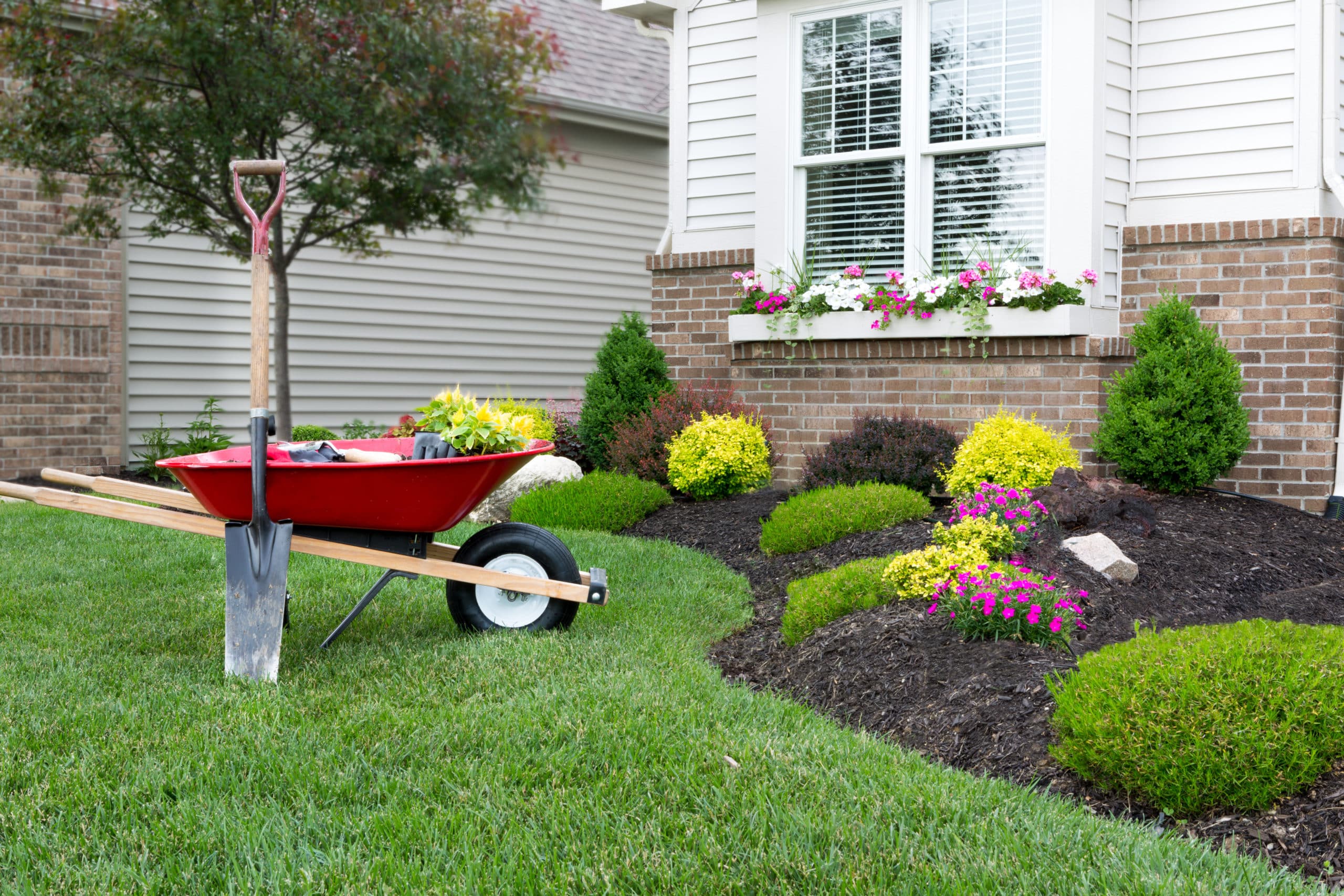
The best thing to put around the foundation of a house is proper drainage materials and systems. Effective drainage helps prevent water accumulation around the foundation, which can lead to serious structural issues over time. Here are several key components to consider:
Effective Drainage Systems
Proper drainage systems are crucial to protecting the foundation. They allow rainwater to flow away from the foundation, reducing the risk of water pooling.
- French Drains: These are trenches filled with gravel and a perforated pipe that helps redirect water away from the foundation.
- Surface Drains: These drains are installed at ground level and help collect excess water before it reaches the foundation.
- Swales: These are shallow, grassy ditches that direct water away from the house and allow it to soak into the ground.
Gravel or Stone Beds
Laying a layer of gravel or stone around the foundation can greatly enhance drainage. This material allows water to flow through and reduces soil erosion.
- Permeability: Gravel beds are highly permeable, allowing water to drain effectively.
- Stability: This substrate provides a stable foundation and prevents soil from shifting.
- Weed Control: A gravel layer can help reduce weed growth around the foundation.
Sealants and Waterproofing
Applying sealants and waterproofing products on the exterior of the foundation walls can help shield against moisture penetration.
- Hydrophobic Coatings: These coatings repel water and create a barrier against moisture ingress.
- Poured Concrete Sealants: These are specifically designed to penetrate concrete and prevent water from seeping through.
- Membranes: Installing waterproof membranes can provide an extra layer of protection against groundwater.
Landscape Grading
Proper landscape grading is essential for directing water away from the foundation. The ground surrounding the house should slope downward.
- Minimum Grade: Aim for a slope of at least 6 inches over the first 10 feet away from the house.
- Retaining Walls: If natural grading isn't possible, retaining walls can help manage water flow.
- Soil Type: Use well-draining soil around the foundation to facilitate better drainage.
Vegetative Barriers
Planting vegetation strategically can act as a natural barrier to help absorb excess water and reduce erosion.
- Native Plants: Choose plants that are well-adapted to the local environment and can absorb large amounts of water.
- Roots Systems: Deep-rooted plants can help stabilize soil and reduce runoff.
- Ground Cover: Low-growing ground covers can protect the soil surface from erosion and manage water effectively.
Should I put mulch or rock around my house?

When deciding whether to put mulch or rock around your house, consider several factors including aesthetics, maintenance, and environmental impact. Both options serve purpose, but they have different benefits and drawbacks.
Advantages of Mulch
Mulch offers several appealing benefits for landscaping around your home. It provides insulation for the soil, retains moisture, and suppresses weeds.
- Moisture Retention: Mulch helps maintain soil moisture, reducing the need for frequent watering.
- Soil Temperature Regulation: Mulch acts as an insulator, keeping the soil cool in summer and warm in winter.
- Weed Control: A thick layer of mulch can effectively suppress weed growth, minimizing competition for nutrients.
Disadvantages of Mulch
While mulch has its advantages, there are also some downsides to consider. These include the need for regular replacement and the potential attraction of pests.
See also:
- Short Lifespan: Organic mulch decomposes over time, requiring replenishment every year or so.
- Attracting Pests: Mulch can attract insects and other pests, which could pose a problem in some areas.
- Fire Hazard: In dry climates, organic mulch can pose a fire risk, making it less ideal for certain locations.
Advantages of Rock
Rock ground cover provides various benefits, particularly in low-maintenance scenarios. It can create a clean appearance and is long-lasting compared to organic materials.
- Durability: Rocks do not decompose or require replacement, making them a more permanent solution.
- Low Maintenance: Once installed, rocks require minimal upkeep, primarily consisting of occasional cleaning.
- Heat Retention: Rocks can absorb and retain heat, aiding in soil temperature regulation during colder months.
Disadvantages of Rock
Despite their advantages, using rock also has some downsides that should not be overlooked. These include higher initial costs and different water absorption characteristics.
- Higher Initial Cost: Purchasing and installing decorative rocks can be more expensive than mulch.
- Soil Drainage Issues: Rocks can prevent water from penetrating the soil effectively, potentially leading to drainage issues for plants.
- Surface Heat: Rocks can become very hot during summer months, which may not be ideal for all plants.
Environmental Impact
The choice between mulch and rock can significantly impact the ecosystem around your home. Evaluating their effects is crucial for sustainable landscaping.
- Mulch Benefits: Organic mulch contributes to soil health as it decomposes, enriching the earth with nutrients.
- Stormwater Management: Mulch allows for better water absorption, helping to manage stormwater runoff effectively.
- Rock Impact: Rocks may alter the local habitat and can contribute to heat islands, depending on their placement.
Can mulch cause foundation problems?

Mulch can potentially cause foundation problems if it is not used correctly or is placed too close to the foundation of a building. When mulch is piled against the foundation, it can retain moisture against the structure, leading to problems such as water intrusion and unwanted vegetation growth. Here are some aspects to consider regarding how mulch can impact foundations:
Understanding the Role of Mulch
Mulch serves several purposes in landscaping, such as conserving moisture, regulating soil temperature, and suppressing weeds. However, its placement is crucial to avoid adverse effects on the foundation. When mulch is applied too thickly or placed directly against the building, it can create an environment that encourages moisture accumulation.
- Moisture retention: Mulch retains water, which can seep into the foundation if not managed properly.
- Temperature regulation: While mulch helps in regulating soil temperature, excessive moisture can lead to temperature fluctuations around the foundation.
- Weed suppression: This is beneficial, but it can also mean more organic matter that might decompose and lead to uneven settling of the foundation over time.
Issues Caused by Excessive Moisture
When mulch is placed too close to the foundation, the additional moisture can lead to various structural issues. Water can pool near the foundation, causing soil erosion and weakening the ground that supports the building.
- Hydrostatic pressure: The buildup of moisture can create pressure against the foundation walls, leading to cracks.
- Soil erosion: Saturated soil can erode, compromising the structural integrity of the foundation.
- Mold and mildew: The damp environment can foster mold growth, which can affect air quality and structural materials.
Impact on Drainage Systems
Mulch can interfere with drainage systems, exacerbating foundation problems if it clogs or impedes water flow. Proper drainage is essential for protecting the integrity of the foundation.
- Drainage obstruction: If mulch blocks gutters or drains, water can pool around the foundation.
- Soil saturation: Excess moisture can saturate the soil and undermine the foundation.
- Improper grading: If the landscape slopes toward the foundation, mulch can worsen drainage issues.
Vegetation Growth Risks
Mulch can encourage the growth of plants and roots close to the foundation, creating potential risks for the structure. Plant roots can infiltrate and disturb foundation materials.
- Root encroachment: Aggressive roots can weaken or crack the foundation over time.
- Plant species selection: Certain plants can lead to issues when their roots grow too large.
- Competitive moisture absorption: Plants may draw moisture away from the foundation, leading to soil instability.
Best Practices for Mulch Placement
To mitigate potential risks, the following best practices for mulch placement should be followed:
- Maintain distance: Keep mulch at least 6 inches away from the foundation to reduce moisture buildup.
- Regular inspection: Check mulch layers to ensure they are not excessively thick, especially after heavy rains.
- Choose appropriate materials: Use inorganic mulches that retain less moisture if concerns about drainage arise.
Questions from Our Readers
Is it safe to put mulch next to my house?
Mulch can be safe to use next to your house if placed correctly. However, it is important to keep a distance of at least a few inches away from the foundation to prevent moisture retention and pest issues. Regularly monitoring the area is also crucial.
What type of mulch should I avoid near my house?
Avoid organic mulches like wood chips or bark right next to your house, as they can retain moisture and attract termites. Instead, consider using gravel or stones, which do not retain moisture and can provide better drainage.
How does mulch affect the temperature around my home?
Mulch can help regulate soil temperature by keeping it cooler in the summer and warmer in the winter. However, placing it too close to your home may lead to issues with insulation and dampness in the foundation area, affecting the overall energy efficiency.
See also:
Can mulch lead to pest problems if placed near my house?
like termites, ants, and other insects, particularly if it is made from organic materials. It is essential to choose the right type of mulch and manage its distance from your foundation to minimize these risks.

If you want to read more articles like Is it Okay to Put Mulch Next to Your House? Key Tips and Benefits Explained, we recommend you check out our Mulch category.
Leave a Reply
Related Articles