Is it Illegal to Import Seeds into Australia? A Comprehensive Guide to Regulations and Penalties
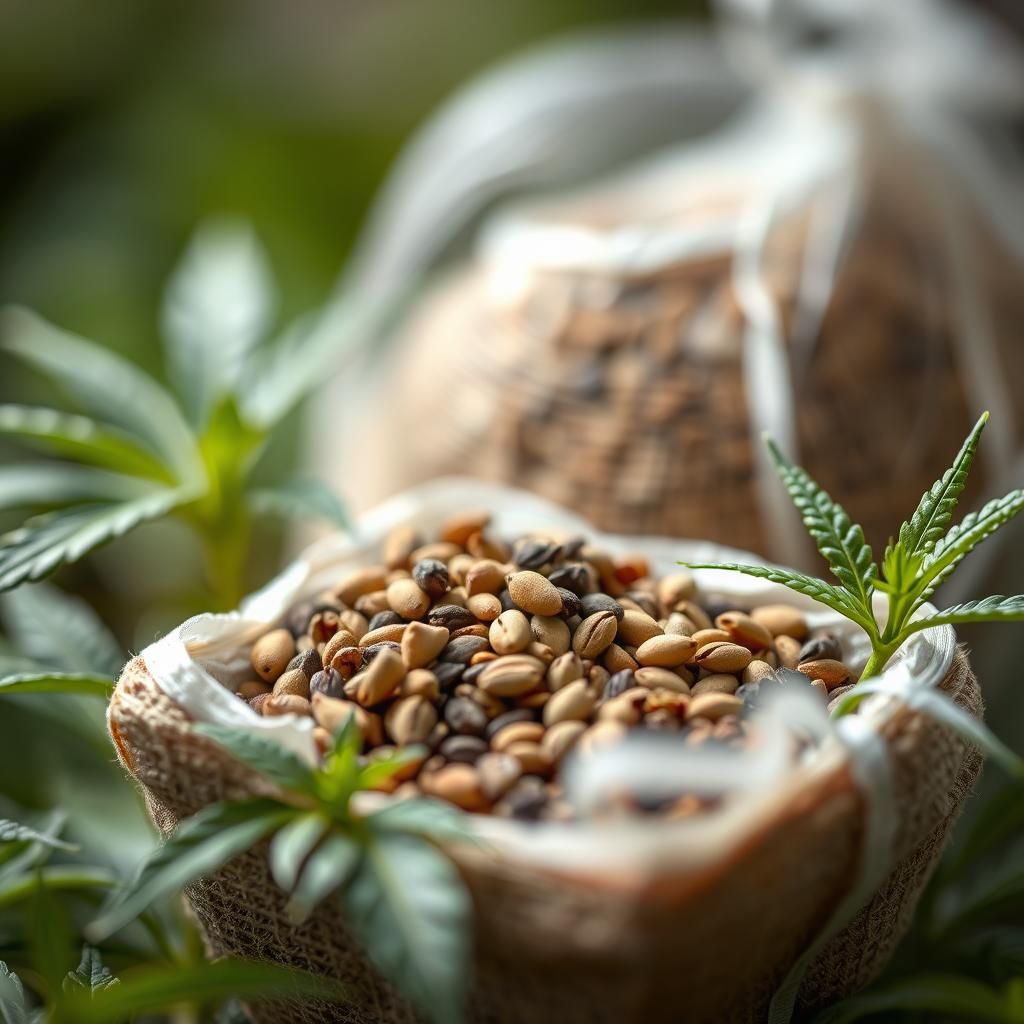
Australia is known for its strict biosecurity regulations, particularly when it comes to the importation of seeds and other plant materials. This comprehensive guide aims to clarify the legality of importing seeds into Australia, highlighting the necessary permits, prohibited species, and potential penalties for violations. Understanding these regulations is crucial for gardeners, agricultural businesses, and importers alike to ensure compliance and protect Australia's unique ecosystems. Whether you're considering bringing heirloom seeds for personal use or looking to expand your agricultural venture, this article will provide essential insights into navigating the complexities of Australian import laws regarding seeds.
Is It Illegal to Import Seeds into Australia?
Importing seeds into Australia is subject to strict biosecurity regulations set by the Australian government. While it is not inherently illegal to import seeds, doing so without proper permits can lead to severe penalties. The primary concern is to prevent the introduction of pests and diseases that could threaten Australia’s unique flora and fauna. Prospective importers are required to comply with the guidelines established by the Department of Agriculture, Water and the Environment, which includes obtaining a permit and ensuring that seeds meet specific phyto-sanitary standards. Therefore, thorough research and adherence to these regulations are crucial for anyone looking to import seeds into the country.
Understanding Australia's Biosecurity Laws
Australia's biosecurity laws are designed to protect the nation's agriculture, economy, and environment from harmful organisms. The Biosecurity Act 2015 governs the importation of goods, including seeds, and establishes a framework for risk assessment and management. Individuals and businesses must understand these laws to navigate the submission process and comply with all necessary regulations. Noncompliance can result in confiscation of seeds, fines, or legal action.
Types of Seeds Subject to Import Regulations
Not all seeds are treated equally under Australia’s import regulations. Certain types, such as those classified as noxious weeds, are outright prohibited. Others may require additional documentation or treatments to ensure they do not carry pests or diseases. For instance, seeds for agricultural purposes may have different guidelines compared to those intended for ornamental use. It’s essential for importers to verify the specific regulations that apply to the seeds they wish to bring into the country.
Permits Required for Seed Importation
To legally import seeds into Australia, a permit is typically required. Applicants must submit detailed information regarding the type of seeds, their origin, and intended use to the Department of Agriculture, Water and the Environment. This information allows authorities to assess the risk associated with the seeds and determine appropriate restrictions or treatments. It is important to apply for the permit well in advance of any planned importation to avoid delays.
See also:
Consequences of Non-Compliance
Failing to comply with the importation regulations can lead to serious consequences. Seeds that are imported illegally can be confiscated, and importers may face fines or legal action. Additionally, non-compliance poses significant risks to the Australian environment and agriculture, leading to potential ecological and economic damage. Thus, understanding and following the guidelines is crucial for responsible seed importation.
Resources for Seed Importation
The Australian government provides a range of resources for individuals and businesses interested in importing seeds. The Department of Agriculture, Water and the Environment's website includes comprehensive guides on the importation process, application forms for permits, and specific criteria for different types of seeds. These resources are valuable for ensuring compliance with biosecurity laws and reducing the risk of potential penalties.
| Aspect | Details |
|---|---|
| Biosecurity Act | Governs seed import regulations. |
| Permit Requirement | Necessary for legal importation. |
| Types of Seeds | Includes noxious weeds and others with specific regulations. |
| Consequences of Non-Compliance | Can include confiscation, fines, or legal action. |
| Resources Available | Guide and forms on the government’s website. |
Understanding Australia's Strict Importation Laws for Seeds
Australia has rigid regulations in place regarding the importation of seeds to protect its unique biodiversity and its agricultural economy. The risks associated with invasive species, plant diseases, and the potential impact on local ecosystems have led to stringent measures enforced by the Department of Agriculture, Water and the Environment. To legally import seeds into Australia, one must ensure that they meet specific biosecurity requirements, which often include obtaining appropriate permits and certifications. Failing to comply with these regulations can result in penalties, including confiscation of the seeds, fines, or even legal action, making it crucial for importers to fully understand the legal landscape before attempting to bring seeds into the country.
Overview of Australia's Biosecurity Regulations
Australia's biosecurity regulations are designed to safeguard the nation from potential threats posed by foreign pests and diseases. These regulations encompass a range of legislations and policies aimed at controlling the importation of live plants, seeds, and other agricultural products. The Biosecurity Act serves as the framework governing these laws, detailing the requirements necessary for the safe importation of seeds. Compliance with these regulations is not optional; it is enforced rigorously to prevent any adverse effects on Australia's agriculture and natural environments.
Permits Required for Seed Importation
To legally import seeds into Australia, importers must obtain specific permits issued by the Australian government. The types of permits needed can vary based on the species of seeds and their intended use. Importers must provide detailed information about the seeds, including their origin and any associated risk assessments conducted to ensure they do not harbor pests or diseases. Applications for permits must be submitted well in advance, as processing times can vary significantly. Failure to secure the necessary permits can result in immediate rejection of import requests and potential legal repercussions.
See also:
Consequences of Illegal Seed Importation
Importing seeds into Australia without proper authorization can lead to severe consequences. Upon detection, authorities may confiscate the seeds and impose monetary fines on the offending party. In more serious cases, individuals could face criminal charges, resulting in a more draconian outcome. The penalties not only affect the individual but can also have wider repercussions on the agricultural industry, adding to the potential economic losses related to invasive species or plant diseases. Thus, respecting these laws is critical for maintaining a healthy agricultural sector.
Exemptions and Special Cases in Seed Importation
While Australia has stringent regulations concerning seed importation, there are certain exemptions and special cases that may apply. For example, some seeds can be imported under particular conditions, often related to their scientific or research-based purposes. Such exemptions typically require adherence to strict compliance measures and may not apply to every type of seed. Additionally, the potential for quarantine waivers exists, but these are granted on a case-by-case basis and necessitate comprehensive evaluations to ensure they align with Australia’s biosecurity objectives.
Importance of Compliance with Importation Laws
Adhering to Australia's seed importation laws is paramount for ensuring the country's agricultural integrity and the protection of its unique ecosystems. Compliance mitigates risks associated with the introduction of harmful pests and diseases that could devastate local flora and fauna. Furthermore, respecting these laws enhances international trade relations by establishing trust in Australia’s commitment to biosecurity. Overall, engaging with the legal framework surrounding seed importation is not just a legal obligation; it is a critical component in fostering sustainable environmental practices.
Questions from Our Readers
Is it illegal to import seeds into Australia?
It is illegal to import seeds into Australia without the appropriate permits and compliance with specific regulations. The Australian government has enacted these laws to prevent the introduction of pests and diseases that could harm local agriculture and ecosystems.
What types of seeds can be imported into Australia?
Certain types of seeds may be allowed for import under strict regulatory frameworks. Seed importations typically require an import permit and must undergo quarantine and inspection to ensure they are free from harmful pathogens.
See also:
What are the consequences of illegally importing seeds into Australia?
Illegally importing seeds into Australia can lead to severe penalties, including fines and the confiscation of the seeds. Additionally, violators may face criminal charges depending on the severity of the infraction.
How can I legally import seeds into Australia?
To legally import seeds into Australia, individuals must apply for an import permit through the Department of Agriculture, Water and the Environment and ensure that the seeds meet all quarantine regulations. Following the correct procedures is essential to avoid legal issues and protect Australian agriculture.

If you want to read more articles like Is it Illegal to Import Seeds into Australia? A Comprehensive Guide to Regulations and Penalties, we recommend you check out our Seeds category.
Leave a Reply
Related Articles