Is It Good to Leave Grass Clippings on the Ground? The Benefits and Best Practices Explained
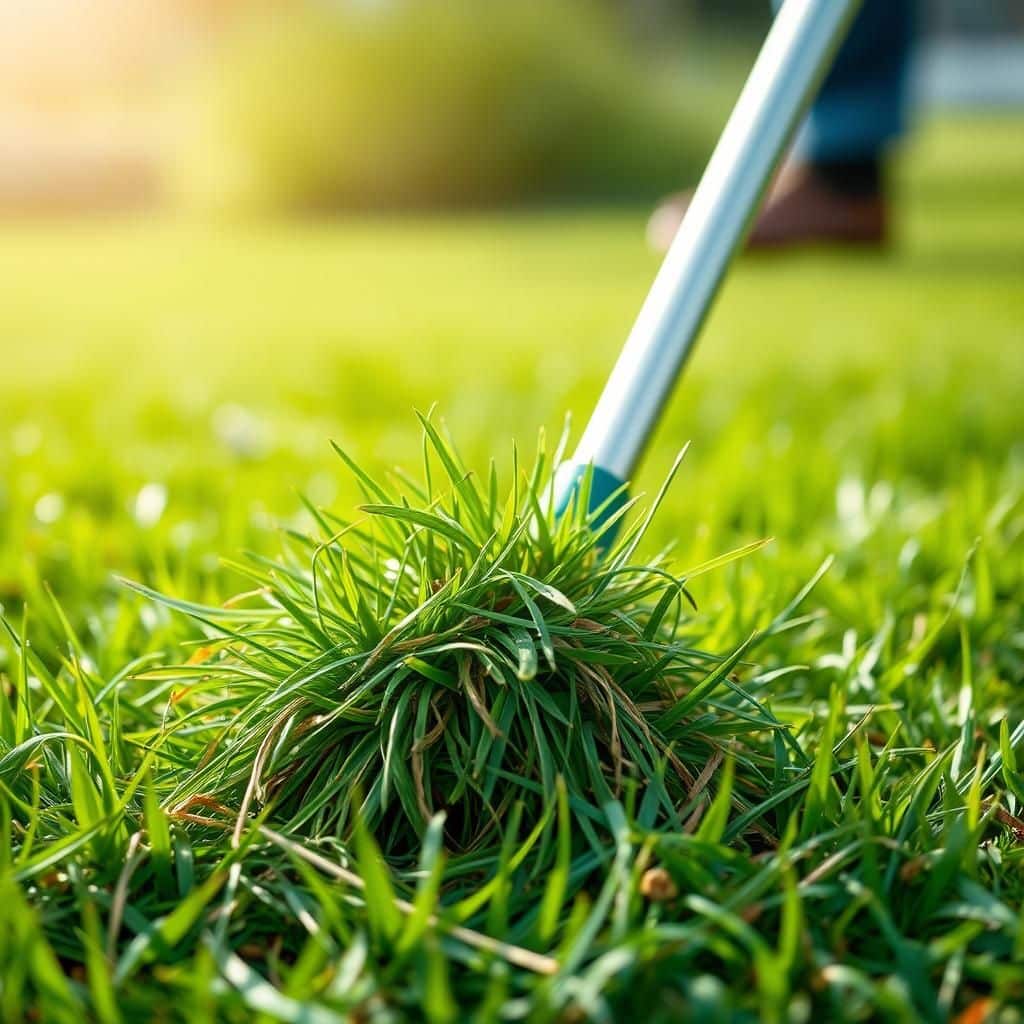
When mowing your lawn, you may find yourself wondering whether to collect grass clippings or leave them on the ground. Leaving grass clippings, a practice known as grasscycling, can offer several benefits for both your lawn and the environment. This article will explore the advantages of this method, including improved soil health, enhanced nutrient recycling, and reduced lawn waste. Additionally, we will discuss best practices for effective grasscycling, ensuring that your lawn remains healthy and vibrant while minimizing the need for additional fertilizers. Discover how a simple change in your mowing habits can contribute to a greener and more sustainable ecosystem.
Benefits of Leaving Grass Clippings on the Ground
Leaving grass clippings on the ground can offer numerous benefits for both your lawn and the environment. When you mow your lawn and allow the clippings to remain on the surface, they decompose quickly, returning valuable nutrients back into the soil. This process helps enhance soil structure and moisture retention, reducing the need for chemical fertilizers and conserving water. Additionally, leaving clippings in place can provide insulation for the grass roots during extreme weather, as well as suppress weeds by blocking sunlight. Overall, this practice promotes healthier, greener lawns and contributes to sustainable lawn care.
How Grass Clippings Improve Soil Nutrients
Grass clippings are rich in nitrogen, which is an essential nutrient for plant growth. When left on the lawn, these clippings break down and release nitrogen back into the soil, fostering better grass health. This natural source of nutrition encourages thicker grass growth and minimizes the need for synthetic fertilizers, promoting an eco-friendly approach to lawn maintenance.
The Environmental Impact of Leaving Clippings
Leaving grass clippings on the ground reduces the amount of organic waste that ends up in landfills. When clippings are composted in landfills, they can produce harmful methane gases as they decompose anaerobically. By mulching grass clippings back into the lawn, homeowners can significantly lower their carbon footprint and contribute to a more sustainable environment, promoting a greener ecosystem overall.
Mulching vs. Bagging: Which Is Better?
Choosing to mulch grass clippings instead of bagging them has various advantages. Mulching saves time during the mowing process since you don’t have to stop to empty a bag. It also promotes a healthier lawn by continuously adding nutrients back into the soil. On the other hand, bagging clippings may be useful when they are excessively long or when the grass is diseased, as it prevents possible transmission of pathogens to healthy grass.
Common Misconceptions About Grass Clippings
One common misconception is that leaving grass clippings leads to a thatch buildup. In reality, clippings decompose quickly and do not contribute significantly to thatch, which is primarily made up of other organic materials. When managed properly, the presence of clippings can actually assist in preventing thatch by promoting beneficial microorganisms in the soil that help break down organic matter efficiently.
See also:
Best Practices for Leaving Grass Clippings on Your Lawn
To maximize the benefits of leaving grass clippings on your lawn, it’s essential to follow a few best practices. Mow when the grass is dry, and keep your mower blades sharp to ensure a clean cut. Aim to leave clippings that are smaller than one-third of the grass height, which allows for better ground contact and faster decomposition. By adhering to these practices, your lawn will remain healthy and vibrant while reaping the rewards of natural fertilization.
| Benefits | Impacts | Common Misconceptions |
|---|---|---|
| Improves soil nutrients | Lowers landfill waste | Increases thatch buildup |
| Saves on fertilizers | Reduces carbon footprint | Promotes diseases |
| Enhances moisture retention | Supports ecosystem health | Clippings create a mess |
What happens if you don't pick up grass clippings?
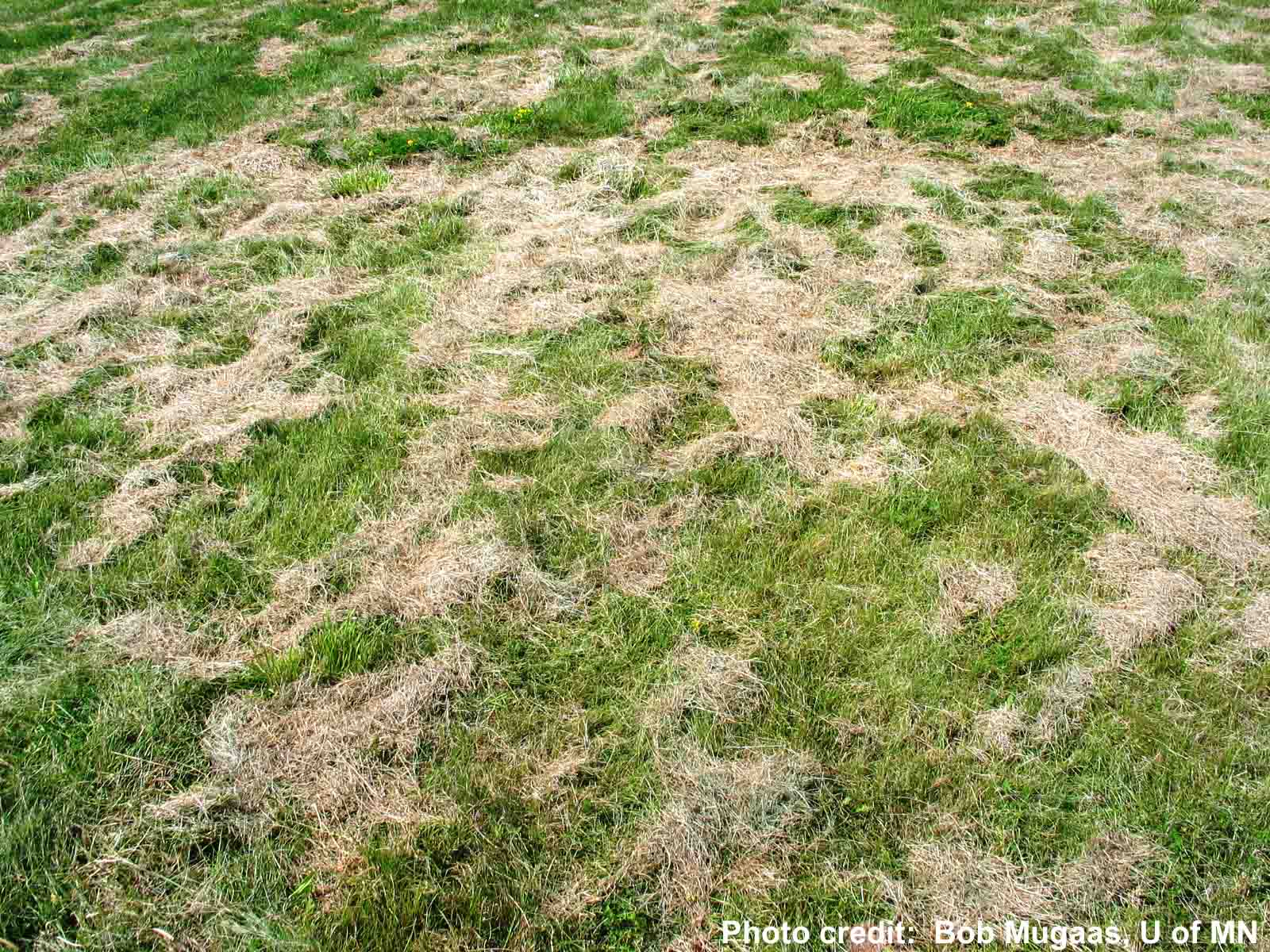
If you don't pick up grass clippings, several consequences can arise that affect both your lawn's health and the overall aesthetic of your yard. Grass clippings, when left on the lawn, can create a variety of issues, including aesthetic concerns, pest attraction, and potential problems with lawn health.
Impact on Lawn Health
Leaving grass clippings on the lawn can significantly impact its overall health. While some believe that allowing clippings to remain can provide nutrients back to the soil, this isn't always the case:
- Thatch Development: When clippings accumulate, they can contribute to the formation of thatch, a dense layer of organic matter that can suffocate grass roots.
- Moisture Retention: Excess clippings can trap moisture beneath the surface, leading to mold or fungal issues.
- Nutrient Imbalance: While clippings can provide nutrients, an excess can lead to an imbalance, promoting weeds instead of desired grass.
Aesthetic Concerns
Neglecting to collect grass clippings can detract from the visual appeal of your landscape. An unkempt lawn not only looks uninviting but can also send a message about maintenance practices:
- Messy Appearance: Piles of clippings can create an uneven and messy look for your lawn.
- Obstacle for Growth: Clippings left in clumps can hinder new grass growth, creating bald patches within your lawn.
- Potential Odor: Wet, decomposing clippings can emit unpleasant odors, further reducing your lawn's aesthetic appeal.
Pest Attraction
Another important factor to consider is the attraction of pests when clippings are left undisturbed. Grass clippings can create a habitat for various pests that may harm your garden:
See also:
- Mice and Insects: Clippings can provide shelter for small rodents and insects, increasing their presence in your yard.
- Fungal Growth: The moisture retained in the clippings can create a breeding ground for fungi and pests.
- Weed Proliferation: Unmanaged clippings can also promote the growth of weeds that thrive in nutrient-rich environments.
Soil Quality Issues
The condition of your soil can also be adversely affected by not removing grass clippings. Soil quality is crucial for healthy plant growth, and clippings can complicate this:
- Compaction: Thick layers of clippings can compact the soil, reducing aeration essential for grass roots.
- pH Imbalance: Accumulated clippings can alter the soil's pH level, affecting nutrient absorption.
- Reduced Microbial Activity: An unhealthy layer of clippings can inhibit beneficial microbes from thriving in the soil.
Maintenance Challenges
Finally, ignoring grass clippings can lead to more extensive maintenance challenges down the line, making lawn care more demanding:
- Increased Mowing Needs: Accumulated clippings can require more frequent mowing, as clumps can be difficult to manage.
- Labor-Intensive Cleanup: Eventually, collecting clippings becomes a more labor-intensive task if they are not cleared regularly.
- Cost Implications: Additional maintenance needs and potential damage to lawn equipment can lead to higher costs over time.
Questions from Our Readers
Is it beneficial to leave grass clippings on the lawn?
Leaving grass clippings on the lawn can be beneficial as it helps to return valuable nutrients back to the soil. When clippings decompose, they release nitrogen, which is essential for plant growth, thus reducing the need for synthetic fertilizers.
Will leaving grass clippings cause thatch buildup?
No, leaving grass clippings on the lawn does not usually contribute to thatch buildup. In fact, clippings are small and decompose quickly, which helps to break down organic matter rather than accumulate it.
How can I manage grass clippings effectively?
To manage grass clippings effectively, you can use a mulching mower that cuts clippings into finer pieces, allowing for faster decomposition and even distribution on the soil. This practice not only keeps your lawn tidy but also promotes a healthier grass ecosystem.
Are there any drawbacks to leaving grass clippings on the lawn?
While there are many benefits, some drawbacks include the potential for clumping, especially if the grass is wet. If clippings accumulate in large piles, it can smother the grass beneath, so it's important to spread them evenly and avoid excessive buildup.
See also:

If you want to read more articles like Is It Good to Leave Grass Clippings on the Ground? The Benefits and Best Practices Explained, we recommend you check out our Lawn category.
Leave a Reply
Related Articles