Is it better to prune before or after winter? Expert Tips for Timing Your Pruning Efforts
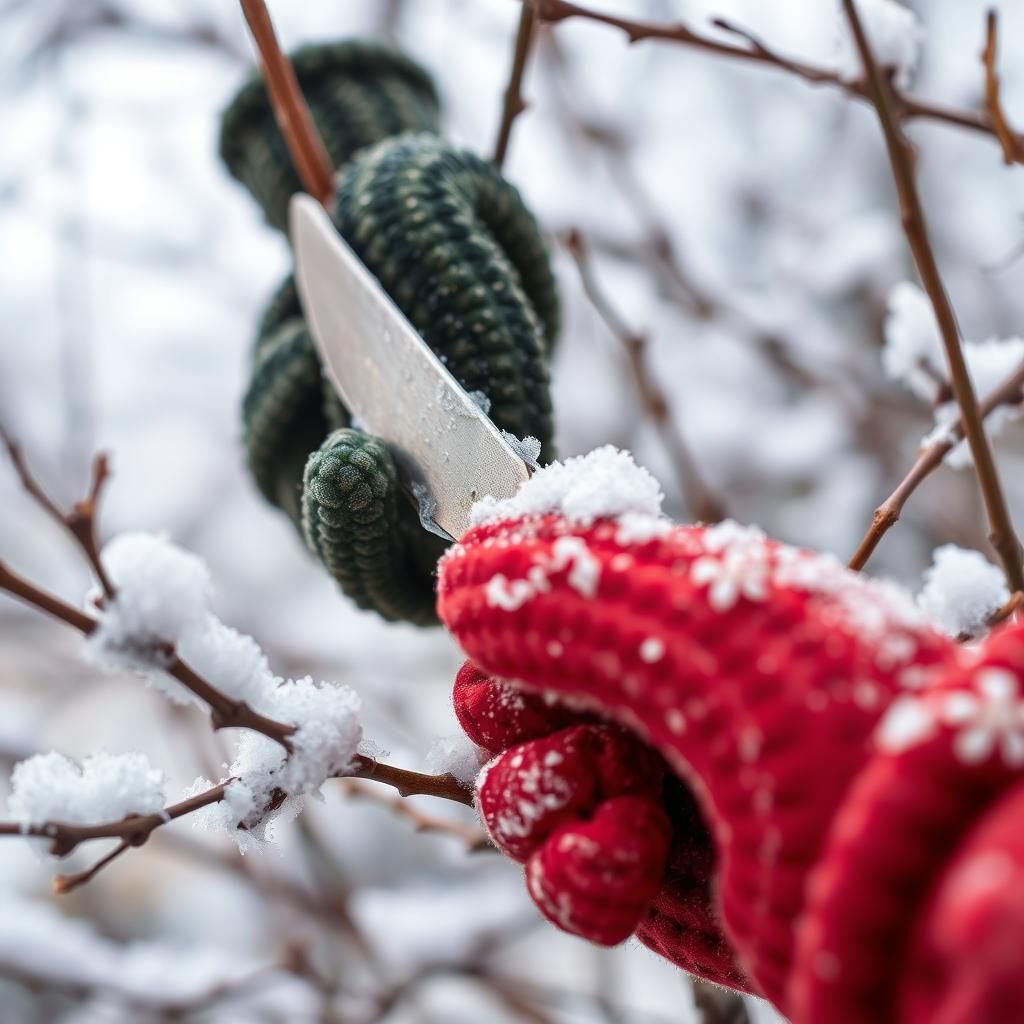
When it comes to pruning, timing can significantly impact the health and growth of your plants. Gardeners often debate whether to prune before or after winter, with each approach offering distinct advantages and disadvantages. Understanding the specific needs of your plants and the climate in your region can help you make informed decisions. In this article, we will explore expert tips for determining the best timing for your pruning efforts, considering factors such as plant type, seasonal weather patterns, and overall garden health. With the right knowledge, you can ensure your pruning promotes robust growth and a flourishing garden come spring.
Is it Better to Prune Before or After Winter?
Pruning can significantly affect the health and productivity of your plants, and the timing of this practice is crucial. Generally, it is often recommended to prune deciduous trees and shrubs in late winter or early spring, just before new growth begins. Pruning during this period allows you to assess the plant's structure better, as the absence of leaves provides a clear view of the branches. Additionally, late winter pruning may lead to increased vigor and growth in the upcoming growing season. However, some gardeners prefer fall pruning to remove any diseased or damaged wood, reducing the risk of pest problems during the winter months. Ultimately, the choice of when to prune depends on the specific plant species and the gardener's goals, but understanding the advantages of both approaches can lead to better results.
Benefits of Pruning Before Winter
Pruning before winter can help to maintain the overall health of the plant by removing any damaged or diseased branches ahead of the harsh cold months. This practice optimizes the plant's resilience against winter stresses, preventing breakage during heavy snowfall or ice accumulation. Moreover, by cutting back overgrown shoots before winter, you promote better air circulation around the plant, which can reduce the risk of fungal infections that thrive in humid conditions. Additionally, removing the old wood can encourage brighter flowering in the following spring as energy is directed towards new growth.
Benefits of Pruning After Winter
Pruning after winter allows you to observe the plant more accurately once the leaves have fallen and the full structure is revealed. This clarity can lead to more informed decisions which branches to cut, promoting a healthier growth pattern in the spring. Furthermore, late-winter pruning can stimulate new growth, as it encourages the plant to send out fresh shoots once warmer temperatures return. Cutting after the cold months also reduces the risk of frost damage to fresh cuts, ensuring that the plant does not suffer from premature exposure to the elements.
Considerations for Different Plant Species
Different plant species have unique needs when it comes to pruning timing. For instance, most fruit-bearing trees benefit from late winter pruning, as it encourages better fruit production in the coming season. Conversely, certain flowering shrubs, such as lilacs, should be pruned just after they bloom to prevent the removal of potential flowers for the next year. Understanding the specific requirements for your plants is essential for ensuring that pruning is effective and enhances their growth rather than hindering it.
Environmental Factors to Keep in Mind
The climate and environmental conditions play a significant role in determining the best time to prune. In regions with harsh winters, late winter pruning is often preferred to prevent the shock that can occur with early cuts, which expose the plant to freezing temperatures. In milder climates, however, some gardeners may find it beneficial to prune in late fall to encourage healthier growth before winter arrives. When deciding, consider factors such as temperatures, moisture levels, and the plant's location to make the best choice for your garden.
Pruning Tools and Techniques
Using the right tools and techniques is crucial, regardless of when you decide to prune. Sharp, clean tools such as bypass pruners, loppers, and saws are essential for making clean cuts that heal quickly and minimize the risk of contracting diseases. Furthermore, employing proper techniques, such as cutting at an angle and ensuring you are not leaving stubs, will facilitate healthier plant growth. Familiarizing yourself with the specific pruning needs of your plants can optimize the efficacy of your chosen timing—before or after winter.
| Timing | Advantages | Considerations |
|---|---|---|
| Before Winter | Removes diseased branches, encourages air circulation | Risk of frost damage |
| After Winter | Provides clearer plant structure, reduces frost risks | May delay new growth if done too late |
Should you prune plants before winter?

Pruning plants before winter can be a crucial step in ensuring their health and vitality for the upcoming growing season. However, the decision to prune should be based on various factors, including the type of plant and specific environmental conditions. Here are some considerations regarding the practice of winter pruning.
Benefits of Pruning Before Winter
Pruning plants before the winter months offers several benefits that can enhance their performance come spring. These benefits include:
See also:
- Improved Air Circulation: Removing dead or overcrowded branches allows for better airflow, reducing disease risk.
- Shape Maintenance: Pruning helps maintain an aesthetically pleasing shape, which can be beneficial for ornamental plants.
- Encouragement of New Growth: By cutting back certain areas, you can encourage stronger, new growth in the spring.
Types of Plants That Should Be Pruned
Not all plants require winter pruning, and understanding which types should be pruned is critical. The general categories include:
- Deciduous Trees: Most deciduous trees benefit from pruning during late fall to prepare them for winter.
- Perennial Plants: Pruning perennials in late fall can help control their growth and promote health in spring.
- Fruit Trees: Pruning fruit trees before winter can enhance fruit production in the following season.
Timing of Pruning
The timing of pruning is essential and must be carefully considered. The best time for winter pruning is typically:
- Late Fall: After leaves have fallen, this is ideal for most deciduous plants.
- Early Winter: This timing can be effective before harsh weather sets in, especially in milder climates.
- Avoiding Frost: Ensure that pruning occurs well before any frost to prevent damage to exposed tissues.
Common Mistakes in Winter Pruning
Understanding and avoiding common mistakes during winter pruning is vital for maintaining plant health. Common pitfalls include:
- Over-pruning: Removing too much foliage can stress the plant, leading to poor recovery.
- Improper Tools: Using dull or inappropriate tools can cause harm instead of helping the plant.
- Ignoring Plant Health: Failing to assess the plant's health before pruning can lead to mistakes in the pruning process.
Pruning Techniques to Apply
Employing the correct techniques when pruning can significantly impact plant health. Some effective techniques include:
- Thinning Cuts: These cuts remove entire branches to improve light and air penetration.
- Heading Cuts: Cutting back the tips of branches encourages bushier growth and denser foliage.
- Cutting at the Right Angle: Always cut at a 45-degree angle just above a bud to promote quick healing.
What time of year is the best time to prune?

The best time of year to prune largely depends on the type of plant you are dealing with and your local climate conditions. Generally, pruning is most effective during the dormant season, which typically occurs in late winter or early spring before new growth begins. This timing allows plants to have a vigorous bloom and healthier growth cycle in the upcoming season. However, certain plants may have specific pruning requirements that can alter this general timeline.
Understanding Dormant Season
Pruning during the dormant season is crucial for many plants, as it minimizes the stress on them. In winter, plants enter a state of dormancy where their energy levels drop, and they are less vulnerable to disease and pest infestations.
- Reduced Stress: Pruning in the dormant season helps avoid shock.
- Improved Growth: It encourages healthier growth during the spring.
- Wounded Tissues: Pruned cuts can heal better when it is cooler.
Spring Pruning Benefits
Pruning during early spring, just before the leaves begin to bud, encourages rapid growth. For many flowering shrubs, spring is an ideal time to shape the bush and promote blooms for the season.
- Promotes Blooming: Pruning in spring helps certain plants flower beautifully.
- Identifying Weakness: It's easier to assess which branches need removal.
- Encourages New Growth: Encourages vigorous new growth when the weather warms up.
Summer Pruning Techniques
Summer pruning is often used to control growth during the peak growing season. This method is less about heavy pruning and more about maintenance, ensuring that the plants remain healthy and well-formed.
- Size Control: Helps maintain the desired size of the plants.
- Increased Airflow: Reduces overcrowding and improves sun exposure.
- Boosts Flowering: Can promote additional blooms in certain plants.
Fall Pruning Considerations
Pruning in the fall can be controversial. While some plants can be pruned at this time, it is generally not recommended for most species, as it may expose them to cold damage. However, some gardeners find benefits in light trimming.
See also:
- Preparation for Winter: Helps prepare some plants for the winter season.
- Removing Diseased Parts: Can eliminate disease before winter.
- Late Fall Risks: Risk of cold damage must be considered.
Types of Plants and Their Pruning Times
Different plants have specific pruning requirements. For example, deciduous trees, flowering shrubs, and evergreens all have varying preferences for when they should be pruned, which can significantly impact their growth.
- Deciduous Trees: Best pruned in late winter to early spring.
- Flowering Shrubs: Prune after flowering for optimal blooms.
- Evergreens: Lightly prune in late spring or summer.
When to avoid pruning?
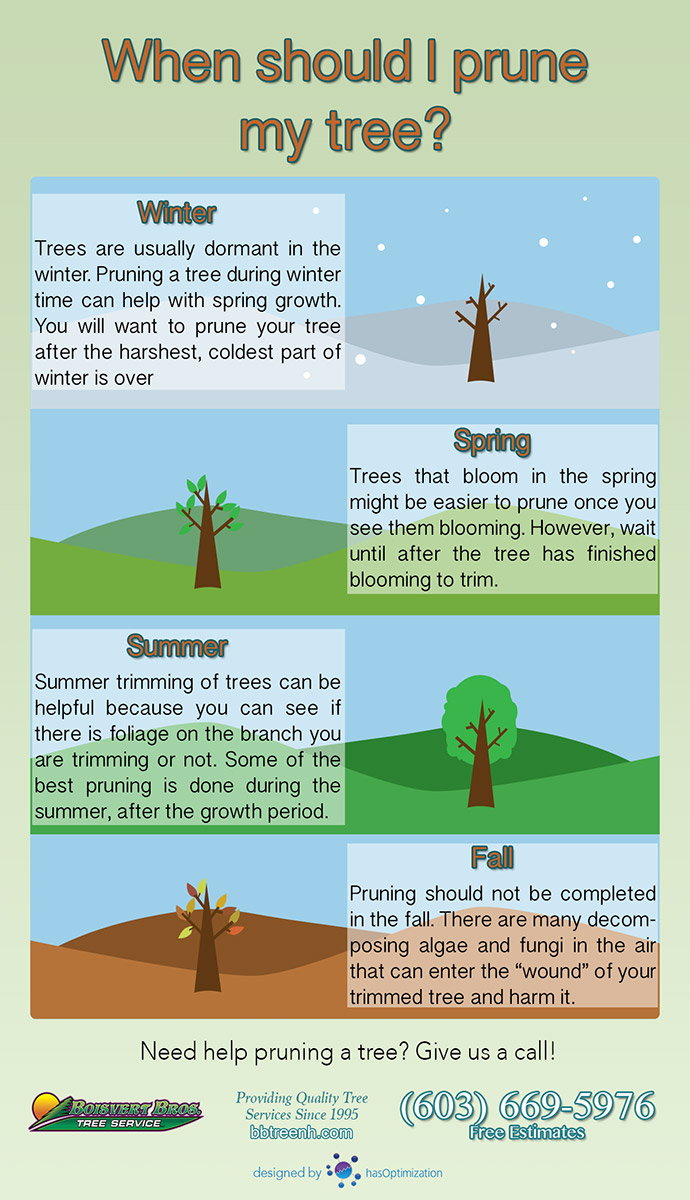
Pruning is an essential horticultural practice that promotes growth, shapes plants, and removes dead or diseased branches. However, there are specific circumstances when pruning should be avoided to ensure the health and vitality of the plant. Here are some key situations where pruning is not advisable:
1. During Dormant Seasons
Pruning during the plant's dormant season can be detrimental, particularly for species that bloom in spring. Pruning during this time may remove flower buds, leading to fewer blooms. It's essential to:
- Identify the plant's blooming cycle.
- Wait for the plant to finish blooming before pruning.
- Consider the climate and conditions affecting dormancy.
2. During Extreme Weather Conditions
Severe weather, such as heavy rain, extreme cold, or intense heat, can stress plants. Pruning during these times can further weaken them, as they are already struggling to survive. Important considerations include:
- Avoiding pruning before or during storms.
- Delaying pruning until after the stress period passes.
- Observing weather forecasts to choose the best time for pruning.
3. When the Plant is Under Stress
Plants that are already under stress due to pests, disease, or poor growing conditions should not be pruned. Removing branches can worsen their condition. Key points to remember are:
- Assess the overall health of the plant before pruning.
- Consult with a gardening expert for advice on stressed plants.
- Address underlying issues before considering pruning.
4. After Planting New Trees or Shrubs
Newly planted trees and shrubs need time to establish their root systems. Pruning immediately after planting can hinder their growth. The following steps are beneficial:
- Allow the plant to settle for at least a year.
- Focus on maintenance rather than pruning in the initial stages.
- Observe the plant's growth before making any cuts.
5. When Dealing With Specific Plant Types
Certain plants have unique guidelines regarding pruning. Many flowering shrubs and trees may not respond well to heavy pruning, which can alter their natural shape. Consider these actions:
- Research the specific pruning needs of your plants.
- Understand which species thrive without regular pruning.
- Consult pruning guides tailored to particular plant types.
Questions from Our Readers
Is it better to prune before or after winter?
Pruning can be done both before and after winter, but most experts recommend pruning in late winter or early spring. This timing allows for healthier growth as plants enter their active growing season immediately after being pruned, helping to minimize stress.
What are the benefits of pruning before winter?
Pruning before winter can help prepare plants for the harsh conditions by removing dead or diseased wood, which reduces the risk of pests and diseases over the winter months. Additionally, it can help shape the plants and allow for better air circulation during the colder season.
See also:
What are the advantages of pruning after winter?
Pruning after winter, generally in early spring, allows you to assess any winter damage to plants and make more informed pruning decisions. This timing promotes vigorous growth as the plants have more energy to recover and thrive in the upcoming growing season.
Can pruning at the wrong time harm the plants?
Yes, pruning at the wrong time can be detrimental to plants. Pruning too early can expose them to frost damage, while pruning too late may lead to reduced blooms or fruit. It's crucial to understand the specific needs of each plant type before deciding when to prune.

If you want to read more articles like Is it better to prune before or after winter? Expert Tips for Timing Your Pruning Efforts, we recommend you check out our Pruning category.
Leave a Reply
Related Articles