Is it Better to Grow Veggies in a Greenhouse? Pros, Cons, and Tips for Success

Growing vegetables in a greenhouse has become an increasingly popular choice for both amateur and seasoned gardeners. This controlled environment offers the potential for year-round production, protection from pests, and the opportunity to cultivate a diverse range of plants. However, it's essential to weigh the pros and cons before diving into greenhouse gardening. From the initial investment to ongoing maintenance, there are factors that can influence your success. In this article, we will explore the advantages and disadvantages of greenhouse gardening, along with valuable tips to help you maximize your harvest and enjoy a fruitful gardening experience.
Is Growing Vegetables in a Greenhouse More Beneficial?
Growing vegetables in a greenhouse can offer significant advantages over traditional outdoor gardening, especially in terms of climate control and crop yield. A greenhouse creates a controlled environment that protects plants from harsh weather elements, pests, and diseases, allowing for an extended growing season. This enables gardeners to optimize conditions such as temperature, humidity, and light exposure, which can lead to healthier plants and potentially higher yields compared to those grown outside. Moreover, with the ability to grow year-round, a greenhouse can provide fresh vegetables at times when they are typically unavailable in the open air.
Climate Control Benefits
Greenhouses provide superior climate control compared to outdoor gardening. By maintaining a consistent temperature and humidity level, plants can thrive in optimal conditions, which minimizes stress and promotes growth. This controlled environment helps mitigate the effects of unpredictable weather patterns, such as frost and heat waves, making it possible to grow a wider variety of vegetables throughout the year.
Protection from Pests and Diseases
One significant advantage of using a greenhouse is the enhanced protection it offers against pests and diseases. With a greenhouse, gardeners can reduce the likelihood of insect infestations and fungal infections that commonly affect outdoor crops. The physical barriers of the greenhouse can limit the exposure to harmful elements, allowing for healthier plants and reducing the need for chemical pesticides.
Extended Growing Season
A greenhouse facilitates an extended growing season, enabling gardeners to start planting earlier in the spring and continue harvesting into the fall or even winter months. By controlling the internal environment, crops can mature faster and be harvested at optimal ripeness, providing a longer production cycle and greater variety of vegetables throughout the year.
Improved Crop Yield
Growing vegetables in a greenhouse can lead to an improved crop yield compared to conventional gardening. The controlled conditions often result in faster growth rates and larger harvestable produce. With strategic planting and advanced techniques like hydroponics or vertical gardening within the greenhouse, gardeners can maximize their output, thus ensuring efficient use of space and resources.
Cost Considerations
While there are clear benefits to growing vegetables in a greenhouse, potential gardeners should consider the initial costs associated with greenhouse construction and maintenance. Investing in a greenhouse requires additional funds for materials, heating, and possibly cooling systems. However, over time, the higher yields and the ability to grow out-of-season crops may offset these initial expenditures, offering a return on investment through increased productivity.
| Benefits | Description |
|---|---|
| Climate Control | Stable temperatures and humidity levels optimize plant growth. |
| Pest Protection | Reduced exposure to pests and diseases leads to healthier crops. |
| Extended Seasons | Longer growing periods allow for year-round vegetable production. |
| Improved Yield | Higher and faster crop yields compared to outdoor gardening. |
| Cost Considerations | Initial investment may be high, but potential savings on crops exist. |
Is it better to grow vegetables in a greenhouse or outside?

Growing vegetables can be a rewarding endeavor, and the choice between a greenhouse and outdoor cultivation comes with its own set of advantages and challenges. Below, we explore the benefits and downsides of each method to help you determine which is better for your gardening needs.
Benefits of Growing Vegetables in a Greenhouse
Growing vegetables in a greenhouse offers several distinct advantages that can enhance the cultivation process:
- Controlled Environment: A greenhouse creates a controlled climate, allowing for precise regulation of temperature, humidity, and light levels.
- Extended Growing Season: With protection from harsh weather, vegetables can be grown year-round, particularly in colder climates.
- Protection from Pests and Diseases: Enclosed structures help minimize pest invasions and disease spread, reducing the need for chemical interventions.
Benefits of Growing Vegetables Outdoors
Cultivating vegetables outdoors has its own set of benefits that can suit different gardening styles and preferences:
- Cost-Effectiveness: Growing outdoors typically requires less investment, as you do not need to purchase or maintain a greenhouse.
- Natural Pollination: Outdoor gardens can benefit from natural pollinators like bees, which can enhance yields and biodiversity.
- Soil Health: Outdoor cultivation allows crops to interact with natural soil ecosystems, promoting healthier soil through organic matter and microbial activity.
Climate Considerations
The importance of climate cannot be overstated when choosing between greenhouses and outdoor growing:
See also:
- Temperature Fluctuations: Greenhouses are invaluable in regions with extreme temperature variations, providing a stable environment.
- Rainfall and Watering: Outdoor gardens depend on local weather patterns, which can lead to over-saturation or drought conditions.
- Sunlight Distribution: Assessing sunlight hours and intensity is crucial for both, but greenhouses can compensate for less than optimal outdoor conditions.
Space and Accessibility
The amount of available space and the accessibility of your gardening setup will influence your choice:
- Available Land: Urban gardeners may have limited outdoor space, making greenhouses a more viable option for vegetable cultivation.
- Mobility and Accessibility: Greenhouses can be designed for easier access, especially for those with physical limitations.
- Vertical Gardening: Limited outdoor space can encourage vertical gardening in greenhouses, optimizing land usage.
Costs and Maintenance
The financial aspect and maintenance level required for each growing method are crucial to consider:
- Initial Investment: Greenhouses require an upfront investment in materials and setup, while outdoor gardening can be initiated with minimal costs.
- Ongoing Maintenance: Maintaining a greenhouse involves regular upkeep to ensure the structure remains effective over time.
- Resource Utilization: Outdoor gardens often rely on natural resources, minimizing the need for mechanical interventions.
What are the downsides of greenhouses?
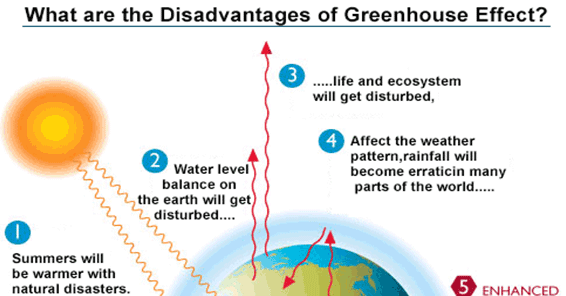
The use of greenhouses has become a popular method for growing plants in a controlled environment. However, there are several downsides that potential greenhouse growers should consider.
Initial Investment Costs
The initial costs of setting up a greenhouse can be quite high. Various factors contribute to these costs, including the structure itself, heating and cooling systems, and watering equipment.
- Structure materials: Depending on the type of materials chosen (glass, plastic, polycarbonate), costs can vary significantly.
- Installation: Professional installation might be required for larger greenhouses, adding to the overall expenses.
- Equipment: Additional equipment like lights, fans, and irrigation systems also contribute to initial investment costs.
Maintenance Requirements
Once a greenhouse is established, it requires ongoing maintenance, which can be both time-consuming and costly. Keeping the greenhouse in good condition is crucial for plant health.
- Cleaning: Greenhouses need regular cleaning to prevent pests and diseases from taking hold.
- Repairs: Over time, structures may need repairs due to wear and tear from weather or other factors.
- Monitoring: Maintaining optimal climate conditions requires continual monitoring and adjustment, which can be labor-intensive.
Pest and Disease Management
Although greenhouses can protect plants from some pests, they also create an ideal environment for certain diseases and pests to thrive.
- Indoor pests: Common indoor pests like aphids and spider mites can proliferate rapidly in the controlled environment.
- Disease spread: Higher humidity levels can lead to fungal diseases if not properly managed.
- Limited natural predators: The lack of natural predators often found outdoors may allow pest populations to go unchecked.
Environmental Impact
The energy consumption associated with heating and cooling a greenhouse can lead to a larger carbon footprint than outdoor cultivation.
- Heating systems: Many greenhouses rely on fossil fuel-based heating systems which contribute to greenhouse gas emissions.
- Water usage: Greenhouses often use more water than field-grown crops due to their irrigation needs.
- Waste generation: The use of plastics in building materials and plant pots can contribute to environmental pollution if not managed properly.
Limitations on Crop Variety
Not all crops are well-suited for greenhouse cultivation. Certain plants may not thrive in the controlled conditions that greenhouses provide.
- Temperature preferences: Some plants require outdoor conditions that may not be replicable in a greenhouse.
- Space constraints: Greenhouses can limit the amount of space available for large crops.
- Pollination issues: Some crops that require pollinators may struggle without natural exposure to insects.
What vegetable grows best in a greenhouse?
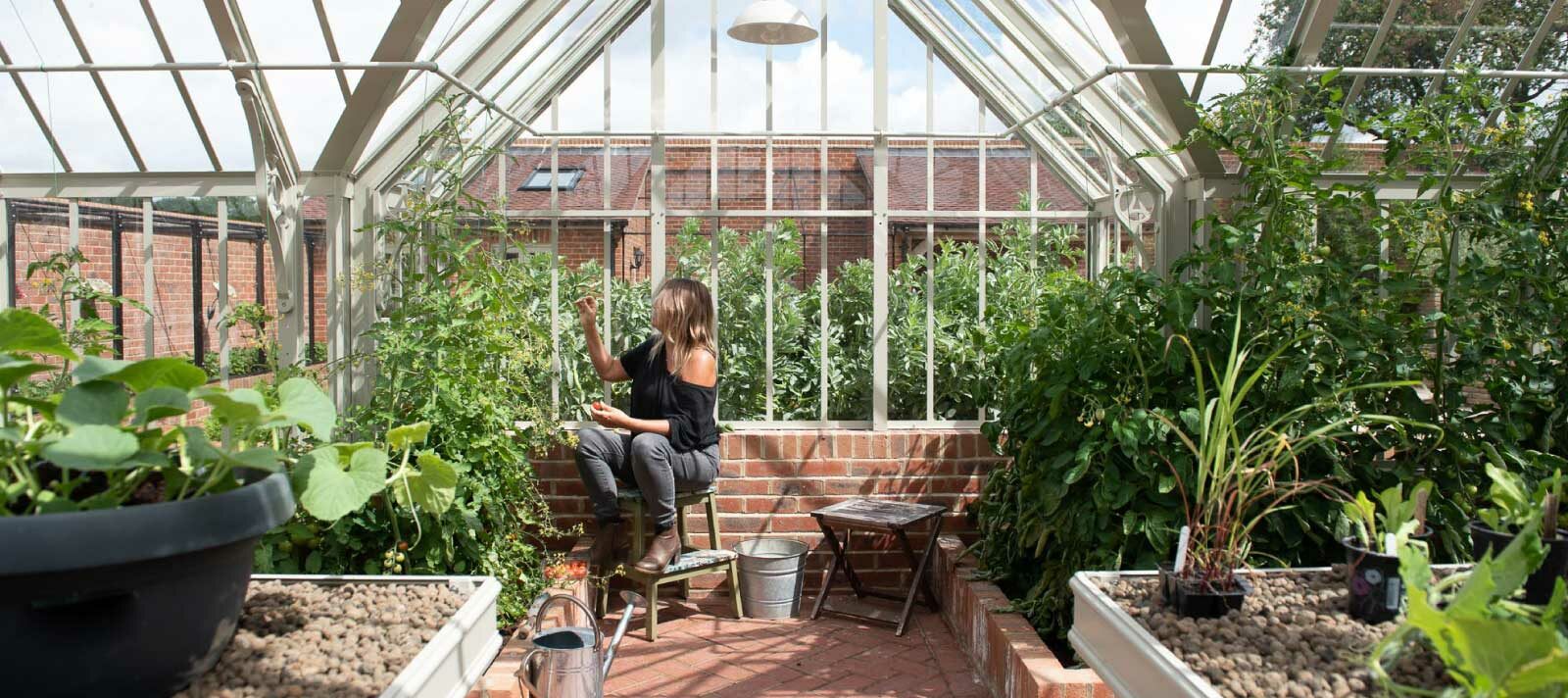
Optimal Conditions for Greenhouse Vegetables
The success of vegetable growth in a greenhouse largely depends on creating the right environment. Various factors such as temperature, humidity, and light levels must be carefully controlled. When these elements are optimized, plants can flourish and yield significantly more produce than those grown outdoors. Some essential conditions include:
- A stable temperature, ideally between 70°F and 80°F during the day and slightly cooler at night.
- Regular monitoring of humidity levels, keeping them around 50-70% to prevent mold and fungal issues.
- Providing sufficient natural sunlight or supplementary artificial lighting to mimic longer daylight hours.
Top Vegetables for Greenhouse Cultivation
When it comes to selecting vegetables for greenhouse cultivation, some species thrive remarkably well under controlled conditions. Among the most suitable vegetables are:
See also:
- Tomatoes: They benefit from the warm, humid environment and can produce fruit continuously throughout the growing season.
- Peppers: Both sweet and hot varieties thrive in warm conditions, making them ideal for greenhouses.
- Lettuce: Fast-growing and versatile, lettuce can be harvested multiple times during the same growth cycle.
Pest Management Strategies in Greenhouses
Managing pests in a greenhouse is critical for maintaining healthy vegetables. Closed environments can facilitate the rapid spread of pest infestations if not controlled. Effective strategies include:
- Implementing integrated pest management (IPM) practices to ensure pests are managed sustainably.
- Regularly inspecting plants for signs of pests or diseases to catch issues early.
- Using natural predators or beneficial insects, such as ladybugs or predatory mites, to combat pest populations.
The Importance of Soil Quality
High-quality soil is paramount for greenhouse vegetable growth. It impacts nutrient availability, root health, and moisture retention. Key considerations for maintaining soil quality consist of:
- Utilizing organic soil amendments like compost to enhance soil fertility.
- Ensuring good drainage to prevent root rot and other water-related issues.
- Regularly testing soil pH and nutrient levels to adjust fertilization practices accordingly.
Using Hydroponics in Greenhouse Settings
Hydroponics is an efficient method of growing plants without soil, which can be particularly beneficial in greenhouse settings. This method allows for precise control over nutrient levels, leading to faster growth rates. Benefits of hydroponics include:
- Conservation of water since hydroponic systems often use less water than traditional soil growing.
- Elimination of soil-borne diseases, allowing for healthier plants.
- Maximization of space, enabling a higher density of plants grown in a smaller area.
What vegetables not to grow in a greenhouse?
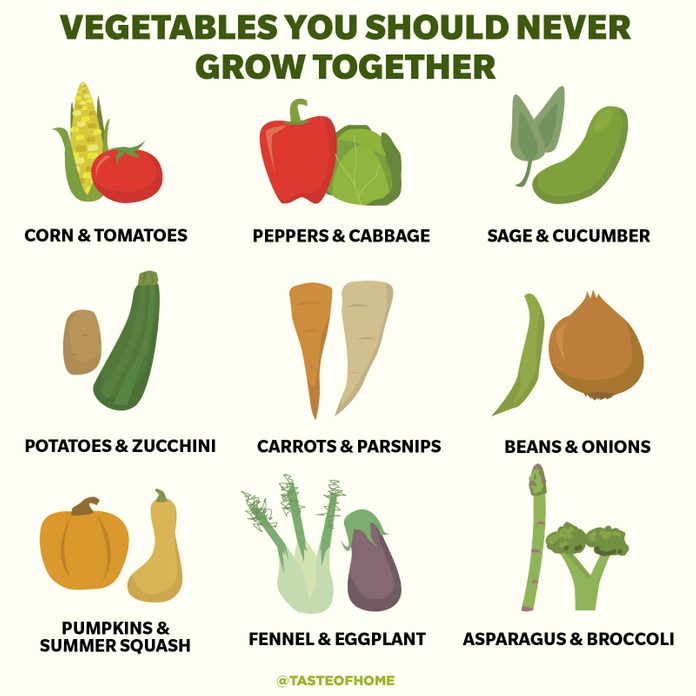
Growing vegetables in a greenhouse can provide numerous benefits, including extended growing seasons and protection from pests. However, certain vegetables may not thrive or may face unique challenges in a greenhouse environment. It's essential to consider factors such as growth patterns, humidity levels, and light requirements when deciding what to plant.
1. Leafy Greens
Leafy greens like lettuce, spinach, and kale can sometimes struggle in a greenhouse. These plants prefer cooler temperatures and tend to bolt (flower and go to seed) quickly when exposed to high heat.
- Heat sensitivity: Leafy greens can become bitter and unpalatable in warm conditions.
- Limited space: They often require a lot of light but can become leggy if space is restricted.
- Humidity issues: High humidity levels can lead to diseases like downy mildew.
2. Root Vegetables
Root vegetables such as carrots, turnips, and potatoes are generally not ideal for greenhouse cultivation. These crops often need a significant amount of space and may succumb to issues that arise from confinement.
- Root crowding: Limited depth can restrict root development and yield.
- Pest attraction: Greenhouses can sometimes attract pests that specifically target root vegetables.
- Soil conditions: They prefer well-drained soil, which can be challenging to maintain in confined spaces.
3. Brassicas
Brassicas like broccoli, cauliflower, and cabbage can suffer in greenhouse conditions primarily due to their susceptibility to pests and diseases that thrive in warm, humid environments.
- Pest vulnerabilities: Aphids and cabbage worms are drawn to these plants.
- Disease risks: Conditions in greenhouses can promote fungal diseases like black rot.
- Temperature sensitivity: They often require cooler temperatures for optimal growth.
4. Squash and Pumpkins
Squash and pumpkins may not be the best choices for greenhouse gardening due to their size and space requirements. These crops generally prefer outdoor conditions.
- Space consumption: They can take up a vast amount of space, making them difficult to manage in a greenhouse.
- Pollination challenges: Limited insect activity for pollination can affect fruit production.
- Light requirements: They may require more sunlight than a typical greenhouse can provide.
5. Peas and Beans
Peas and beans are often not recommended for greenhouse cultivation because they thrive better in open air where they can benefit from natural pollination and air circulation.
- Natural pollinators: These crops rely on bees, which may be less present in a greenhouse.
- Air circulation: Greenhouses may cause plants to become too humid, leading to diseases.
- Vining issues: They may require additional structures for support that can complicate space usage.
Questions from Our Readers
Is it more effective to grow vegetables in a greenhouse compared to outdoors?
Growing vegetables in a greenhouse can be more effective than growing them outdoors, as it allows for better control over environmental conditions such as temperature, humidity, and light. This controlled environment can lead to increased yields and earlier harvests compared to traditional outdoor gardening.
What are the main advantages of using a greenhouse for vegetable gardening?
The main advantages of using a greenhouse include enhanced protection from pests and diseases, the ability to extend the growing season, and the capacity to grow a wider variety of crops that may not thrive in the local climate. Additionally, a greenhouse can facilitate efficient irrigation and reduce water usage.
See also:
Are there any disadvantages to growing vegetables in a greenhouse?
Yes, there are some disadvantages to growing vegetables in a greenhouse. These can include higher initial costs for construction and maintenance, potential for extreme temperatures that can damage plants, and the need for proper ventilation to prevent overheating. Proper management is essential to mitigate these issues.
Can a greenhouse help in dealing with climate challenges?
A greenhouse can significantly help in dealing with climate challenges by providing a stable environment for plants, allowing gardeners to grow crops in harsh conditions. It can protect against harsh weather, such as heavy rain, wind, frost, and even excessive heat, thus offering a more reliable and productive growing environment.
If you want to read more articles like Is it Better to Grow Veggies in a Greenhouse? Pros, Cons, and Tips for Success, we recommend you check out our Greenhouse category.
Leave a Reply
Related Articles