Is it Better for a Greenhouse to Be Clear or Green? Exploring the Best Options for Your Plants
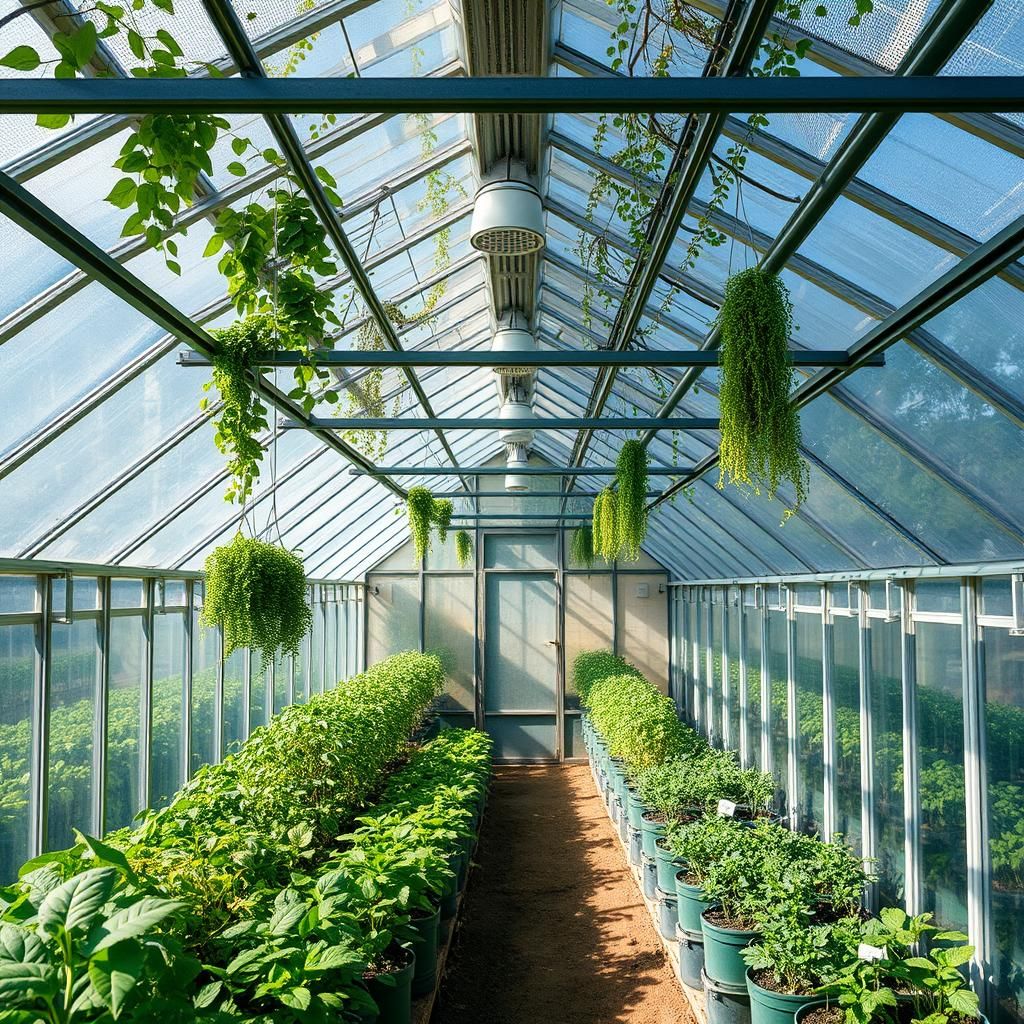
When it comes to creating the ideal environment for plant growth, the choice of greenhouse color can significantly impact the health and productivity of your plants. Greenhouses are typically available in various colors, including clear and green, each offering distinct advantages. In this article, we will explore the benefits and drawbacks of clear versus green greenhouses, examining factors such as light transmission, temperature regulation, and overall plant health. By understanding the nuances of each option, you can make an informed decision that best suits your gardening goals and enhances the vitality of your plants.
Is It Better for a Greenhouse to Be Clear or Green?
The choice between a clear or green greenhouse largely depends on the specific needs of the plants being cultivated and the local climate. A clear greenhouse allows for maximum sunlight penetration, which can be beneficial for light-loving plants, promoting photosynthesis and growth. However, it may result in excessive heat accumulation, requiring more ventilation and cooling systems. On the other hand, a green greenhouse can help in reducing light intensity and controlling heat, making it more suitable for plants sensitive to high sunlight exposure or for regions with extreme temperatures. Additionally, the color of the greenhouse can impact the aesthetic appeal and the overall environmental footprint, as certain materials and coatings may enhance the energy efficiency of the structure.
Light Penetration
The amount of light that penetrates the greenhouse is a crucial factor for plant growth. A clear greenhouse allows for the maximum transmission of sunlight, which is essential for photosynthesis. However, relying solely on natural light can lead to overheating during hot months. In contrast, a green greenhouse may filter some of the intense sunlight, creating a more favorable environment for shade-preferring species.
Temperature Control
Temperature regulation is vital for the optimal growth of plants. Clear greenhouses can heat up significantly during sunny days, causing plants to suffer from heat stress. A green greenhouse, with its ability to absorb and diffuse sunlight, may maintain a more stable temperature, which can be particularly beneficial in warmer climates where extreme temperatures are prevalent.
Material Durability
The choice of material affects the long-term durability and maintenance of the greenhouse. Clear polycarbonate or glass materials allow for easy inspection of plants and can withstand harsh conditions if treated properly. Conversely, green materials might be less prone to UV degradation but could require more maintenance to prevent algae growth and ensure effective light filtration.
Energy Efficiency
Energy consumption is a key consideration when assessing greenhouse options. Clear greenhouses often need heating or cooling systems to maintain ideal temperatures, resulting in higher energy usage. Green greenhouses can potentially reduce the need for such systems, as their color reflects some of the sunlight, thus lowering the temperature. This can lead to significant energy savings over time.
Aesthetic Appeal
The visual impact of a greenhouse can influence its design choice. Clear greenhouses often offer a modern look and blend seamlessly with natural landscapes, appealing to those prioritizing aesthetic value. On the other hand, a green greenhouse may provide a more integrated appearance within certain environments and can complement the surrounding flora, making it a popular choice among sustainable gardeners.
| Feature | Clear Greenhouse | Green Greenhouse |
|---|---|---|
| Light Penetration | Maximum | Filtered |
| Temperature Control | Higher Risk of Heat Stress | Stable Temperatures |
| Material Durability | Can be UV Degradable | Less Prone to UV Damage |
| Energy Efficiency | Higher Energy Consumption | Lower Energy Needs |
| Aesthetic Appeal | Modern Look | Integrated Appearance |
Is green or clear better for a greenhouse?

The choice between using green or clear materials for a greenhouse significantly depends on the specific requirements for plant growth, light management, and climate control. Each option has its own advantages and disadvantages.
Light Transmission
The primary purpose of a greenhouse is to allow plants to receive adequate sunlight. Clear materials, such as glass or transparent plastic, typically allow more light to penetrate. This can benefit photosynthesis and plant growth optimally.
- Clear materials: They provide maximum light transmission (up to 90% or more).
- Green materials: They can block some light wavelengths, potentially reducing light availability.
- Optimal light conditions: Clear greenhouses are generally preferred for light-sensitive crops.
Temperature Control
Temperature management is crucial for greenhouse effectiveness. Green materials often have reflective properties that can help regulate temperature by preventing excessive heat buildup during sunny days.
- Green materials: They reduce heat gain, keeping the internal environment cooler.
- Clear materials: Higher heat absorption can raise temperatures rapidly, requiring additional cooling methods.
- Insulation: Some green materials may provide better thermal insulation compared to clear options.
Plant Growth Stimulation
Different color wavelengths can influence plant growth. Green materials can filter out certain wavelengths, potentially affecting plant development, while clear options generally support a greater spectrum of light.
See also:
- Photosynthesis: Clear greenhouses support a wider range of wavelengths crucial for plant growth.
- Growth rate: Plants in clear greenhouses typically exhibit faster growth rates compared to those grown in green structures.
- Light spectrum: The right light wavelength supports flowering and fruiting stages in various plants.
Durability and Maintenance
Durability is another important factor when considering greenhouse materials. Green polycarbonate panels can be more resistant to impacts and scratches than clear glass, requiring less frequent maintenance.
- Durability: Green materials often resist UV degradation and breakage.
- Maintenance: Clear glass can require more regular cleaning to maintain light transmission.
- Longevity: Green coverings may last longer under harsh weather conditions.
Cost and Accessibility
Finally, the cost and availability of materials play a significant role in the decision-making process. Clear panels, especially glass, tend to be more expensive compared to green plastic sheets.
- Clear options: They can be pricier due to material costs and installation.
- Green options: Often more economical, making them suitable for budget-conscious growers.
- Accessibility: Availability of materials can vary by region, influencing choices.
What is the best color for a greenhouse?
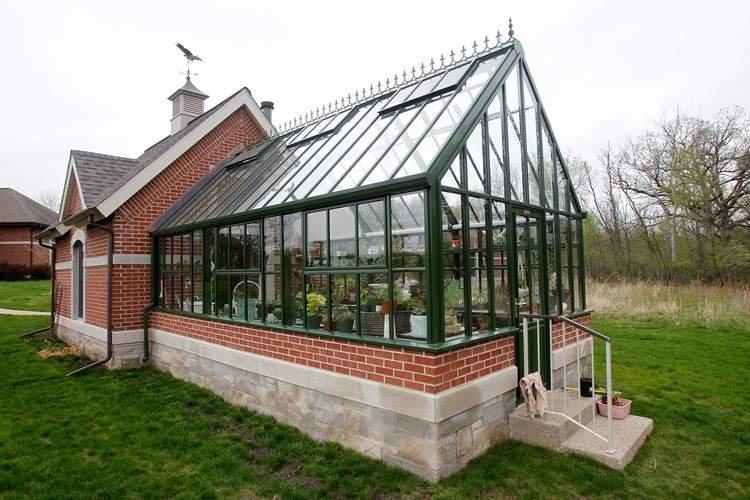
The best color for a greenhouse is generally considered to be green. This color is effective in harmonizing with the surrounding environment while also providing adequate light diffusion, which is crucial for plant growth. However, there are several factors to consider when determining the ideal color for a greenhouse, including the type of plants being cultivated, the local climate, and the specific conditions required for optimal plant health.
Impact of Color on Light Transmission
A greenhouse's primary purpose is to allow natural sunlight to enter while maintaining a suitable environment for plants. Various colors affect light transmission in different ways.
- Green shades filter light, providing a balance between shade and sunlight penetration, which is beneficial for many plants.
- White reflects light, increasing brightness inside the structure and is ideal for plants that require high light levels.
- Black absorbs heat but can impede light transmission, making it less effective for growing plants that need plenty of light.
Temperature Regulation
The color of a greenhouse influences its internal temperature. Darker colors tend to absorb heat, while lighter colors reflect it, impacting plant growth and health.
- Light colors maintain cooler temperatures, reducing the risk of overheating during hot weather.
- Dark colors can create a greenhouse that retains warmth, beneficial in colder climates but may require additional cooling methods in summer.
- Choosing the right color also involves considering heat retention versus heat dissipation based on the local climate.
Effects on Plant Health
The health of plants within a greenhouse is closely tied to the amount of light they receive, which can be influenced by the color of the structure.
- Plants like tomatoes and peppers may thrive best in a greenhouse with a green tint, as it mimics natural shade.
- Leafy greens and herbs often prefer more direct sunlight, thus a white or translucent option could be more suitable.
- Some flowering plants benefit from certain color spectrums, helping to enhance their growth and blooming cycles.
Local Climate Considerations
When selecting the best color for a greenhouse, it's essential to factor in the local climate and seasonal changes.
- In colder regions, a darker greenhouse can help retain heat and promote quicker plant growth in spring.
- In hotter areas, a lighter color will minimize heat buildup, protecting sensitive plants from scorching.
- Adapting the greenhouse color based on seasonal performance can optimize plant health throughout the year.
Personal Aesthetics and Surroundings
While functionality is critical, the appearance of a greenhouse can also play a role in its color selection.
- A green greenhouse can blend seamlessly with garden surroundings, providing a natural look.
- A white or light-colored greenhouse can create a modern appearance, appealing to certain aesthetic preferences.
- Personal style and preferences should be balanced with practical benefits to achieve a harmonious greenhouse design.
Are greenhouses supposed to be clear?

Understanding Transparency in Greenhouses
Greenhouses are primarily designed to transmit light to facilitate plant growth. The materials used, like glass or clear plastic, are chosen for their ability to allow sunlight to enter while providing protection from the elements. This transparency is crucial as it maintains an optimal environment for plants. The more transparent the material, the more light reaches the plants, which is essential for photosynthesis.
- Light Transmission Impact
- Material Choices
- Temperature Control
Types of Greenhouse Materials
Various materials can be used to build greenhouses, and each has its own level of transparency. Common options include glass, polycarbonate, and polyethylene. While glass is entirely clear, polycarbonate can come in clear or opaque forms. The choice of material affects not only light transmission but also insulation properties and durability, making it essential to consider what aspect of transparency is most beneficial for your specific needs.
See also:
- Glass: High clarity but heavier and more expensive
- Polycarbonate: Lightweight with good insulation
- Polyethylene: Inexpensive but has a shorter lifespan
Effects of Light on Plant Growth
Plants rely heavily on light for photosynthesis, making the clarity of the greenhouse walls vital. Depending on the type of plants being grown, a higher or lower level of light may be required; thus, having a clear greenhouse can directly benefit growth rates and overall health. Insufficient light due to cloudy or tinted materials can lead to weak, spindly plants.
- Photosynthesis Efficiency
- Growth Rates
- Plant Health
The Role of Color in Greenhouse Applications
Sometimes, greenhouses may not be completely clear; colored films or tints can be utilized to control specific wavelengths of light. For instance, red or blue films can enhance certain growth traits. While this method reduces overall transparency, it can be beneficial for particular plants that thrive under specific light conditions.
- Color Filters for Growth Enhancement
- Specialized Lighting Needs
- Impact on Energy Consumption
Alternatives to Clear Greenhouses
Although the traditional view is that greenhouses should be clear, there are alternatives that can still be effective. For instance, structured environments like shade houses or hoop houses may utilize semi-transparent materials to manage light without entirely blocking it out. These structures can provide a different strategy for growing certain crops that require less direct sunlight.
- Shade Houses for Fragile Crops
- Hoop Houses for Seasonal Protection
- Custom Solutions for Specific Environments
Should greenhouse plastic be clear?
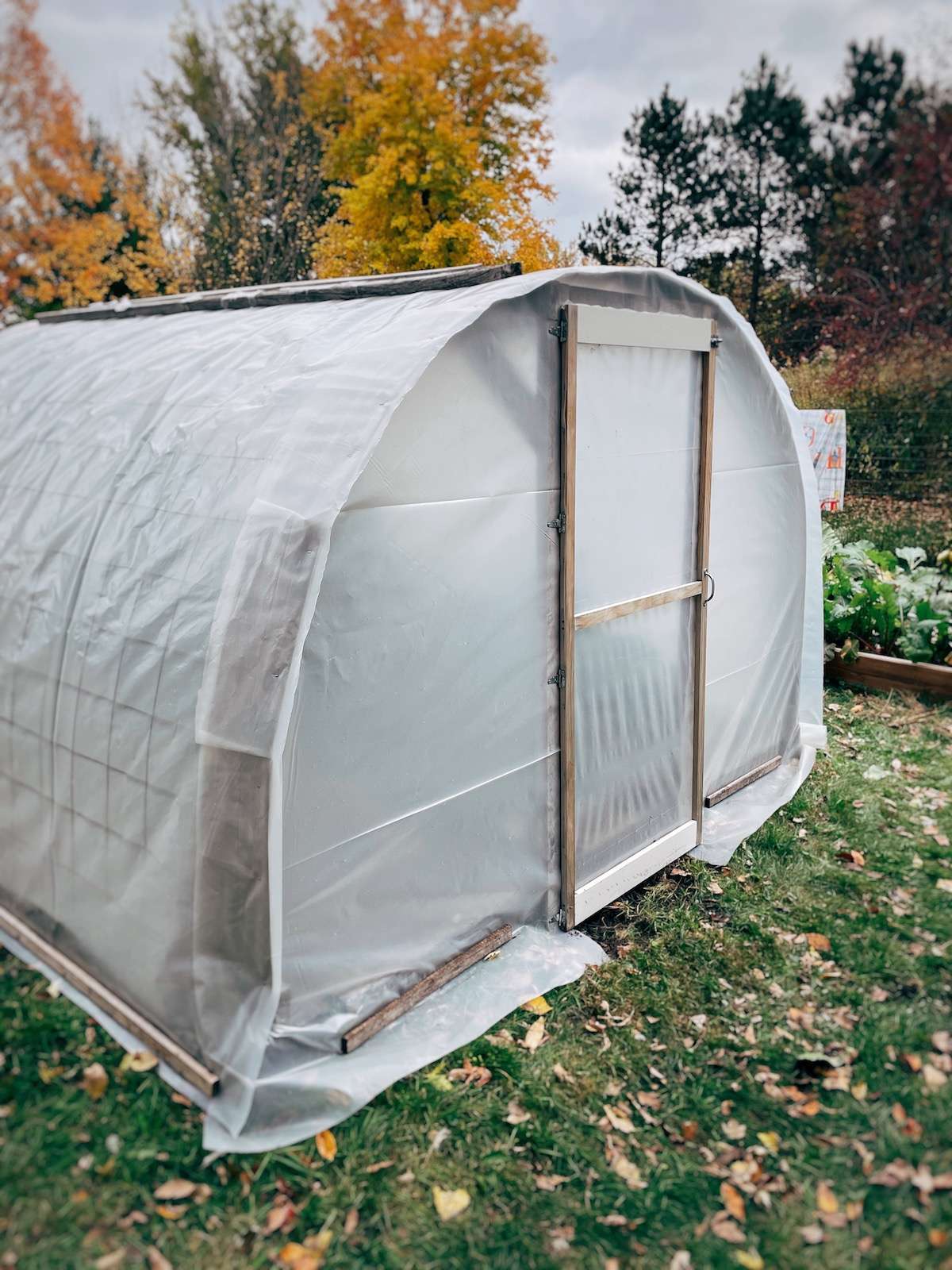
The question of whether greenhouse plastic should be clear is significant for optimizing plant growth and managing greenhouse environments. Clear plastic allows for maximum light transmission, which is crucial for photosynthesis. However, there are several factors to consider when deciding on the best type of plastic for a greenhouse.
Light Transmission Benefits
Using clear plastic for greenhouses provides the following advantages in terms of light transmission:
- Maximum Light Intake: Clear plastic allows nearly 90% of sunlight to penetrate, facilitating optimal photosynthetic rates.
- Uniform Light Distribution: The clarity of the plastic helps distribute light evenly, reducing shadow pockets that can hinder plant growth.
- Growth Rate Improvement: Plants benefit from consistent and ample light, resulting in faster growth and better yields.
Heat Management
While clear plastic is advantageous for light, it can pose challenges for heat management. Consider the following aspects:
- Heat Gain: Clear plastic can lead to more significant heat accumulation during sunny days, potentially causing overheating.
- Insulation Needs: Greenhouses may need additional heating control measures (like vents or shade cloth) to maintain optimal temperatures for plants.
- Seasonal Variations: In cooler climates, retaining heat at night is essential, which may not be effectively managed with clear plastic alone.
Durability and Lifespan
The durability of greenhouse plastic is also a crucial consideration. Here are factors to evaluate:
- UV Resistance: Clear plastics can degrade faster under UV exposure, leading to a shorter lifespan compared to tinted options.
- Weather Resistance: Clear plastic may be more susceptible to wear from wind, hail, or other environmental conditions.
- Replacement Costs: More frequent replacements of clear plastic can increase overall operational costs for greenhouse management.
Algae and Fungal Growth
Clear plastic can contribute to certain issues related to algae and fungal growth within the greenhouse:
- Moisture Retention: Higher light levels combined with warm conditions can encourage moisture buildup, promoting fungal diseases.
- Algae Growth: Clear surfaces provide light for algal growth, especially in water systems within the greenhouse.
- Plant Health Threats: Fungal and algal problems can detract from plant vitality and yield, highlighting the need for careful management.
Alternatives to Clear Plastic
Exploring alternatives to clear plastic may provide solutions for specific greenhouse applications. Consider these alternatives:
- Tinted Plastics: Tinted options can reduce glare and light intensity, protecting sensitive plants while still allowing sufficient light.
- Double-Walled Systems: These systems provide insulation benefits while still allowing adequate light transmission, balancing heat retention and plant growth needs.
- Polycarbonate Panels: Stronger and more durable than plastic film, polycarbonate can offer UV protection and better insulation.
Questions from Our Readers
Is it better for a greenhouse to be clear or green?
Clear greenhouses are generally preferred as they allow maximum sunlight to penetrate, which is essential for plant growth. In contrast, green-tinted greenhouses can reduce sunlight availability but may help mitigate heat buildup. Ultimately, the choice depends on the specific plants you’re growing and the climate conditions.
What are the advantages of a clear greenhouse?
A clear greenhouse offers several advantages, including enhanced light transmission and a more stable internal climate. This is crucial for the photosynthesis process in plants, providing the necessary light for optimal growth, which can lead to higher crop yields.
See also:
Are there any disadvantages to using a clear greenhouse?
One of the main disadvantages of a clear greenhouse is the potential for overheating on hot days, which can stress plants. Additionally, clear materials might require more frequent cleaning to maintain their transparency and prevent light blockage from dust and debris.
When would a green greenhouse be more beneficial?
A green greenhouse can be more beneficial in hotter climates where light intensity is excessive, as it helps reduce the amount of sunlight entering the greenhouse. This can lower internal temperatures and create a more comfortable environment for certain plants that thrive under lower light conditions.

If you want to read more articles like Is it Better for a Greenhouse to Be Clear or Green? Exploring the Best Options for Your Plants, we recommend you check out our Greenhouse category.
Leave a Reply
Related Articles