Is a Polycarbonate Roof on a Pergola a Good Idea? Benefits, Drawbacks, and Expert Insights

When considering outdoor structures like pergolas, homeowners often seek ways to enhance their functionality and aesthetics. One popular option is to incorporate a polycarbonate roof, known for its durability and versatility. This article delves into the benefits and drawbacks of installing a polycarbonate roof on a pergola, exploring how it can transform your outdoor space. With insights from industry experts, we’ll examine its insulation properties, resistance to weather conditions, and maintenance requirements. Whether you're contemplating a new pergola or upgrading an existing one, understanding the implications of polycarbonate roofing is essential for making an informed decision.
Is a Polycarbonate Roof on a Pergola a Good Idea?
A polycarbonate roof on a pergola can be a very beneficial choice, especially for those looking to enjoy outdoor space year-round while being protected from UV rays and precipitation. This type of roofing material is known for its durability and lightweight characteristics, making it easy to install. Polycarbonate sheets are also available in various thicknesses and colors, allowing customization based on aesthetic preferences and needed insulation. Moreover, polycarbonate is impact-resistant, which reduces the risk of damage from adverse weather conditions. However, it’s crucial to ensure proper ventilation and installation techniques to avoid issues like condensation or warping over time.
Benefits of Polycarbonate Roofing
Polycarbonate roofing offers numerous benefits over traditional materials. These roofs are highly durable, capable of withstanding extreme weather, including hail and heavy snow, without cracking. Additionally, they provide a high degree of light transmission while filtering harmful UV rays, thus protecting both people and furniture underneath. The insulating properties of polycarbonate can help maintain a more stable temperature within the shaded area, making it comfortable during warmer months.
Types of Polycarbonate Sheets
There are various types of polycarbonate sheets, including solid, twin-wall, and multi-wall options. Solid sheets offer maximum strength and clarity, making them suitable for areas requiring high light transmission. Twin-wall sheets consist of two layers, providing better insulation and protection from UV radiation while being lightweight. Multi-wall sheets are ideal for areas needing additional insulation, featuring multiple layers that trap air and reduce energy costs.
Installation Considerations
When installing a polycarbonate roof on a pergola, careful planning and consideration for structural support are essential. The framework must be sturdy enough to hold the roof panels, which might require additional beams or posts depending on the design. Proper sealing and spacing of panels can also prevent water ingress and ensure effective rainwater drainage. It's advisable to consult with a professional to ensure the roof is securely installed and complies with local building codes.
Maintenance of Polycarbonate Roofs
Maintaining a polycarbonate roof involves simple tasks that can enhance its longevity. Regular cleaning of the panels with a mild detergent solution helps prevent dirt accumulation, which can obscure light transmission. It's essential to avoid abrasive cleaners that may scratch the surface. Additionally, inspecting for any damage or cracks periodically can prevent larger issues from developing. Ensuring that the installation allows for proper drainage will help reduce maintenance needs further.
Cost Efficiency of Polycarbonate Roofing
The upfront cost of installing a polycarbonate roof can vary depending on the type of sheets and installation complexity, but it often proves to be cost-effective in the long run. Reduced maintenance expenses, along with potential savings on energy bills due to better insulation properties, can offset initial costs. Moreover, the durability of polycarbonate roofs means they have a longer lifespan compared to traditional roofing materials, offering better value over time.
| Feature | Polycarbonate Roof | Traditional Roof |
|---|---|---|
| Durability | High | Moderate |
| Weight | Lightweight | Heavy |
| UV Protection | Yes | Varies |
| Insulation | Good | Variable |
| Maintenance | Low | Higher |
Is polycarbonate good for a pergola roof?
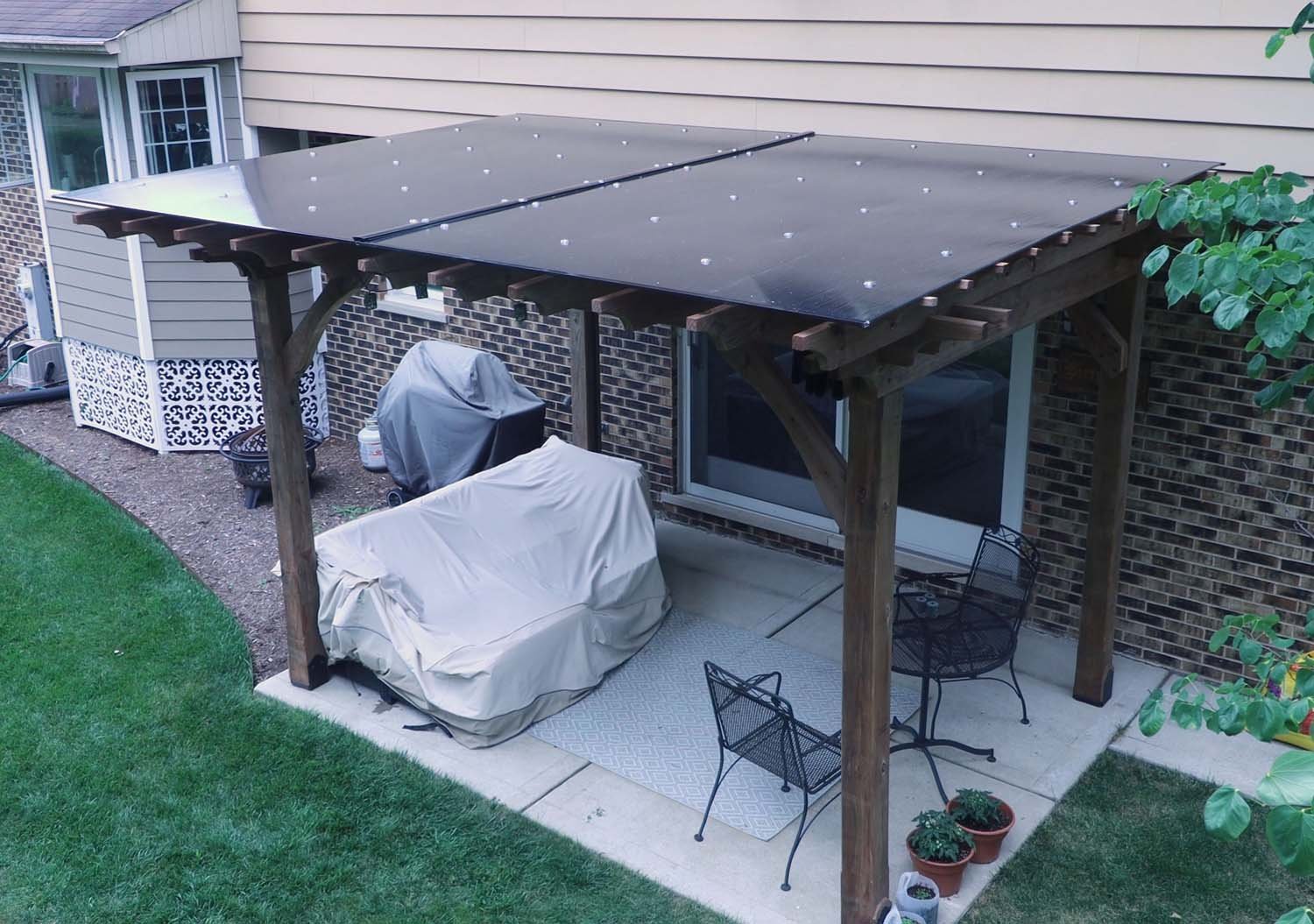
Polycarbonate is indeed a viable material for a pergola roof. Known for its durability and lightweight properties, polycarbonate sheets can offer a range of benefits that are ideal for outdoor structures like pergolas. Here are several key aspects to consider:
Benefits of Using Polycarbonate for Pergola Roofs
Polycarbonate provides several advantages that make it a popular choice for pergola roofing:
See also:
- Weather Resistance: Polycarbonate is resistant to various weather conditions, including rain, hail, and UV exposure.
- Lightweight: Compared to glass, polycarbonate is significantly lighter, making it easier to handle and install.
- Insulation Properties: Certain polycarbonate sheets have good insulation properties, helping to maintain a comfortable temperature beneath the pergola.
Types of Polycarbonate Sheets
There are different types of polycarbonate sheets suitable for pergolas, each offering unique benefits:
- Single-Wall: Provides basic protection and is often the most affordable option.
- Multi-Wall: Offers enhanced insulation and strength, ideal for areas with extreme weather.
- Opaque vs. Clear: Depending on aesthetic preferences, you can choose between transparent sheets for natural light or opaque sheets for more privacy.
Installation Considerations
When installing a polycarbonate roof for your pergola, several factors should be considered:
- Frame Compatibility: Ensure that the frame of your pergola can support the weight and size of the polycarbonate sheets you choose.
- Fasteners and Sealing: Use appropriate fasteners and sealing techniques to prevent leaks and maintain structural integrity.
- Thermal Expansion: Allow for thermal expansion by not completely sealing the edges of the sheets, as they can expand and contract with temperature changes.
Maintenance of Polycarbonate Roofs
Maintaining a polycarbonate roof involves a few straightforward practices to ensure its longevity:
- Regular Cleaning: Use mild soap and water to clean the surface and remove dirt or debris.
- Inspect for Damage: Regularly check for cracks or discoloration, which can indicate wear over time.
- Protective Coatings: Consider applying UV-resistant coatings to prevent yellowing and prolong the lifespan of the material.
Cost Considerations
The cost of polycarbonate roofing for pergolas varies based on several factors:
- Material Thickness: Thicker sheets typically cost more but provide better insulation and durability.
- Type of Polycarbonate: Multi-wall sheets tend to be more expensive than single-wall options, reflecting their enhanced properties.
- Installation Costs: Professional installation may increase the overall cost, but can ensure proper setup and longevity.
What is the best material for a pergola roof?

The best material for a pergola roof can vary based on several factors, including your aesthetic desires, budget, climate, and intended use of the space. Here, we outline some popular materials used for pergola roofing and detail their advantages and disadvantages.
1. Polycarbonate Panels
Polycarbonate panels are among the most popular choices for pergola roofing due to their durability and translucency. They offer a good balance between sunlight and protection from rain.
- Durability: Resistant to shattering and UV radiation, making them long-lasting.
- Lightweight: Easy to handle and install compared to heavier materials like glass.
- Available in various colors: Options to customize the look consistent with your outdoor space.
2. Wood
Wood is a classic choice for pergola roofing that provides a natural aesthetic. It can be used in various styles to complement the overall design.
- Natural beauty: Adds warmth and character to outdoor areas, harmonizing with nature.
- Customizability: Can be stained or painted to match your preferences.
- Insulation: Wood offers good insulation, helping to keep the area cool under strong sunlight.
3. Vinyl
Vinyl is a synthetic option that has gained popularity due to its low maintenance and weather-resistant properties.
- Low maintenance: Does not require painting or staining and is resistant to rotting.
- Colorfastness: Retains color well over time, even in harsh weather conditions.
- Lightweight: Easy to install and modify if necessary.
4. Metal Roofing
Metal roofing is another strong contender, often chosen for its durability and modern aesthetic. It works exceptionally well in harsh weather conditions.
See also:
- Longevity: Metal roofs can last several decades, making them a cost-effective option in the long run.
- Weather-resistant: Excellent protection against rain, snow, and extreme temperatures.
- Reflective properties: Some metal materials can reflect sunlight, helping to keep the area cooler.
5. Fabric Canopies
Fabric canopies provide flexibility in use and design, allowing for partial shading and a casual atmosphere.
- Versatility: Fabric canopies can be easily changed to suit seasonal decor, making them a flexible choice.
- Lightweight and easy to install: Most fabric options can be installed or removed without professional help.
- Variety of designs: Available in numerous colors and patterns, enhancing the aesthetic appeal of your pergola.
What are the disadvantages of a polycarbonate pergola roof?
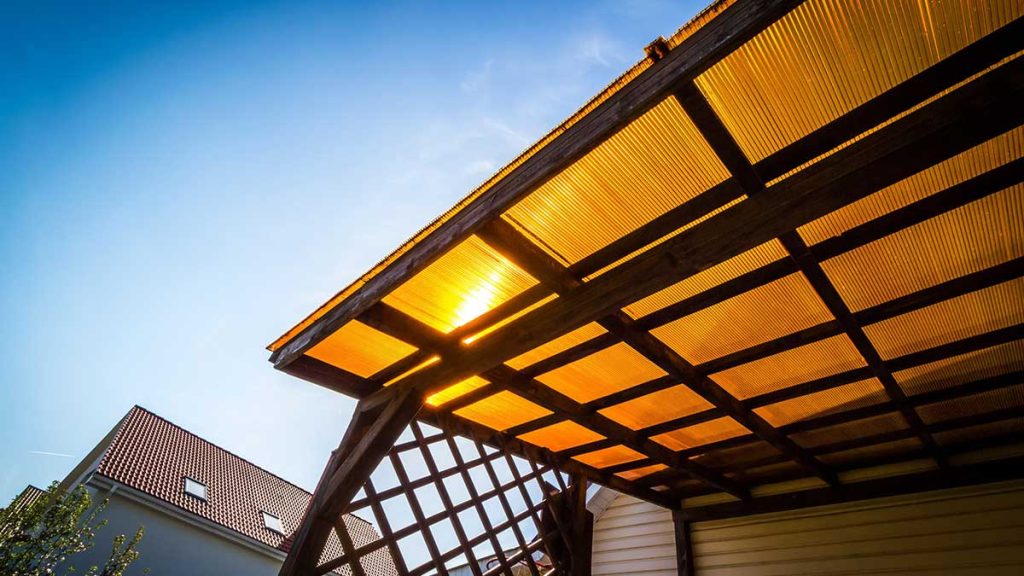
Polycarbonate pergola roofs are popular for their lightweight nature and durability, but they come with several disadvantages that potential buyers should consider before making a decision. Here are some key drawbacks:
Cost Considerations
The initial investment for a polycarbonate roof can be higher than traditional materials like wood or metal. While polycarbonate is durable, the cost can still deter many homeowners.
- High upfront cost compared to wood or fabric options.
- Potential for additional expenses related to installation or support structures.
- Long-term replacement costs may also be higher if maintenance is neglected.
Heat Retention Issues
Polycarbonate roofs can exacerbate heat retention under direct sunlight. This can make outdoor areas uncomfortable during hot weather.
- Non-thermally insulated polycarbonate can trap heat.
- Spaces can become uncomfortably warm, affecting usability.
- Increased reliance on cooling systems may lead to higher energy bills.
Scratching and UV Damage
While polycarbonate is robust, it is also prone to scratching and UV degradation over time. These issues can compromise both aesthetics and functionality.
- Surface scratches can accumulate and detract from the appearance.
- UV exposure can cause yellowing and reduced light transmission.
- Constant replacement or maintenance may be required to combat these factors.
Limited Aesthetic Appeal
Polycarbonate roofs may lack the visual variety offered by other materials. Many people find them less appealing than traditional wood or glass options.
- Designs are often limited to clear or opaque materials.
- Compared to wood or glass, they may appear less elegant or sophisticated.
- This limitation might affect overall property value, depending on market preferences.
Noise Concerns
Polycarbonate roofs can amplify sound during rain or hail, leading to a noisy environment that some may find unpleasant.
- Rain can create a drumming noise, which can be bothersome.
- Wind-induced sounds can also be amplified through polycarbonate structures.
- May necessitate additional soundproofing measures for comfort.
Questions from Our Readers
Is a polycarbonate roof on a pergola a good idea?
A polycarbonate roof on a pergola can be a great idea due to its durability, lightweight nature, and ability to provide UV protection. Unlike traditional materials, polycarbonate allows natural light to filter through while offering excellent insulation, making it a practical choice for outdoor structures.
What are the advantages of using polycarbonate for a pergola roof?
The advantages of using polycarbonate for a pergola roof include its high impact resistance, weatherproof capabilities, and versatility in style. Additionally, polycarbonate roofs are available in various translucent colors, allowing homeowners to customize their outdoor space while maintaining aesthetic appeal.
See also:
How does polycarbonate compare to other materials for pergola roofs?
Compared to other materials like wood or metal, polycarbonate is often more cost-effective and requires less maintenance. It is also considerably lighter than metal options, making installation easier. Moreover, polycarbonate offers better thermal efficiency, helping to regulate temperature underneath the pergola.
Can a polycarbonate roof withstand harsh weather conditions?
Yes, a polycarbonate roof can withstand harsh weather conditions, including heavy rain, hail, and even snow. Its durability ensures that it resists shattering and can tolerate significant impact, which is crucial for maintaining the integrity of your pergola in various climates.

If you want to read more articles like Is a Polycarbonate Roof on a Pergola a Good Idea? Benefits, Drawbacks, and Expert Insights, we recommend you check out our Pergola category.
Leave a Reply
Related Articles