Is 40 Minutes Too Long to Run a Sprinkler Zone? Expert Tips for Optimal Watering
When it comes to maintaining a lush, green lawn, effective watering is crucial. One common question homeowners face is whether running a sprinkler zone for 40 minutes is too long. The answer involves several factors, including the type of soil, climate conditions, and specific plant needs. Overwatering can lead to issues such as runoff and root rot, while underwatering can leave your landscape parched. In this article, we will explore expert tips to help you determine the optimal watering duration for your specific circumstances, ensuring your plants thrive without wasting water.
Is 40 Minutes Too Long to Run a Sprinkler Zone?
Running a sprinkler zone for 40 minutes can be considered appropriate depending on several factors such as the type of soil, the type of plants being irrigated, and the climate conditions. For example, sandy soils drain quickly and may need less time, while clay soils retain water and might benefit from longer watering sessions to ensure that the water penetrates deeply. Additionally, different plants have varying water needs; newly planted ones might require more frequent and extended watering compared to established plants. In dry or hot climates, longer watering sessions can be necessary to maintain sufficient moisture levels, while in cooler or humid regions, the same duration might over-saturate the soil. Therefore, while 40 minutes might work for certain situations, it's essential to evaluate your specific landscape conditions for optimal results.
Understanding Soil Types
The type of soil in your yard significantly influences how long you should run your sprinkler zones. Sandy soils, known for their quick drainage capabilities, often require shorter irrigation times. In contrast, clay soils retain water more effectively and may necessitate longer watering durations to penetrate deeply enough into the ground. Loamy soils, which are a mixture of sand, silt, and clay, provide an ideal medium for plants and usually can accommodate moderate watering practices. Assessing your soil’s composition can guide you in determining if 40 minutes is too much.
Water Needs of Plants
Different plants have unique water requirements, which should dictate how long your sprinkler runs. For instance, established perennials may thrive with shorter watering sessions since their roots are more adept at reaching subterranean moisture. Conversely, newly planted trees and shrubs often require extended watering periods to develop a strong root system. Pay attention to plants' signs of stress due to underwatering or overwatering, as they will help gauge whether 40 minutes is appropriate for your specific landscape.
Climate Considerations
Your local climate plays a vital role in determining the optimal watering time for your sprinkler zones. In regions with hot, dry summers, 40 minutes of watering may be necessary to ensure adequate soil moisture, particularly for lawns and gardens that experience rapid evaporation. Alternatively, in cooler or more humid climates, running the sprinkler for too long can risk over-saturating the soil and diminishing oxygen levels, which could harm root health. Understanding your geographic climate patterns is crucial for appropriate watering.
Frequency of Watering Sessions
The frequency with which you run your sprinkler zones is as important as the duration. If you’re watering frequently, you may be able to reduce the time to less than 40 minutes, as the soil can retain moisture more effectively between sessions. However, if you water less often, extending to 40 minutes may help achieve deeper moisture penetration. Striking a balance between duration and frequency allows for better plant health without risking runoff or wastage.
Measuring Soil Moisture
Measuring soil moisture levels provides the best insight into whether 40 minutes of watering is justified. You can use tools such as a soil moisture meter or the simple “finger test” to check how deep the moisture penetrates after running the sprinkler. If the soil feels dry several inches down, the current duration might not suffice. Conversely, if you find the soil overly saturated, it indicates that 40 minutes might be too long, requiring adjustments to practice effective watering routines.
| Factor | Recommendation |
|---|---|
| Soil Type | Adjust watering time based on drainage capacity. |
| Plant Type | Consider different water needs for various plants. |
| Climate | Increase duration in hot, dry areas; reduce in cool, humid areas. |
| Watering Frequency | Shorter times if watering more frequently. |
| Soil Moisture | Adjust based on moisture readings and plant health. |
How long is too long to run sprinklers?
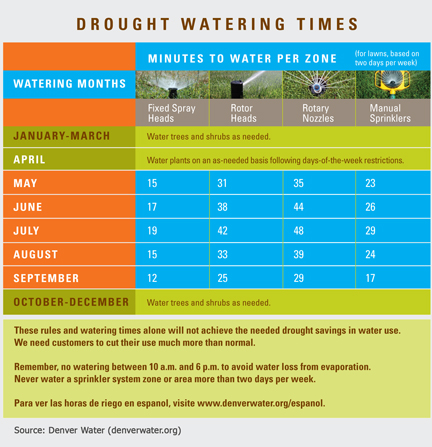

Determining how long is too long to run sprinklers depends on various factors including local climate, soil type, and the specific type of plants being watered. Generally, a good rule of thumb is to run sprinklers for about 15 to 30 minutes per session, two to three times a week. However, this can vary based on the following considerations:
Soil Type and Water Absorption
The type of soil in your garden plays a critical role in how long you should run your sprinklers. Different soils absorb water at different rates.
- Sandy Soil: Drains quickly and may need shorter watering times.
- Clay Soil: Holds water well but drains slowly, requiring longer watering but less frequently.
- Silty Soil: Balanced absorption, typically requires moderate watering times.
Climate Considerations
The local climate greatly influences how long to water plants. Hot and dry climates will require more frequent and longer watering sessions.
- Hot Climates: Higher evaporation rates mean longer watering times are necessary.
- Humid Climates: Less watering time may be needed due to reduced evaporation.
- Seasonal Changes: Adjust watering schedules during colder months when plants need less water.
Plant Types and Water Needs
Different plants have varying water requirements, which should be taken into account when setting sprinkler durations.
- Lawns: Typically require more water and can handle longer watering sessions.
- Vegetable Gardens: May require consistent moisture, particularly during fruiting.
- Perennials: Established plants often need less water compared to newly planted ones.
Time of Day for Watering
The time of day when you water can significantly affect the efficiency of your watering schedule.
- Morning: Ideal time due to lower evaporation rates and allowing foliage to dry.
- Noon: Generally not recommended as higher temperatures can lead to evaporation losses.
- Evening: Can work, but be cautious of extended moisture on the foliage, potentially leading to diseases.
Watering Regulations and Guidelines
Many areas have specific regulations and guidelines for watering to conserve water.
- Local Restrictions: Some municipalities limit watering days and times—be aware of these.
- Conservation Tips: Use efficient watering methods like drip irrigation to reduce run times.
- Water Audits: Consider conducting water audits to determine the best practices for your specific landscape.
How long can a sprinkler zone be?
The length of a sprinkler zone can vary based on several factors, including the type of sprinkler system, the water pressure available, and the type of plants being irrigated. Generally, a sprinkler zone can cover an area ranging from approximately 1,500 to 3,000 square feet, depending on the nozzle type and design.
See also:
When designing a sprinkler system, it's essential to consider the flow rate and application rate of the sprinklers to ensure efficient and even coverage of water. Most sprinkler heads are classified by how much water they deliver per minute, which affects how many square feet a zone can effectively water.
Factors Affecting Sprinkler Zone Length
The length of a sprinkler zone is influenced by several key factors:
- Water Pressure: Higher pressure enables longer zones, as it can push water through the system more effectively.
- Sprinkler Type: Different types of sprinklers (e.g., drip, impact, rotor) have different coverage capacities.
- Plant Requirements: Various plants require different amounts of water, which can dictate how long a zone should be.
Optimal Coverage and Efficiency
Ensuring optimal coverage is crucial for water efficiency:
- Overlap: Sprinklers should overlap slightly to prevent dry patches in the irrigated area.
- Testing: Conducting a test to see how far each sprinkler sprays can help determine the right zone length.
- Adjusting Placement: The placement of sprinklers can greatly affect coverage; proper positioning is essential.
Zoning Strategies
Implementing effective zoning strategies can maximize irrigation:
- Group Similar Plants: Plants with similar water needs should be grouped in the same zone for efficiency.
- Frequent Use Zones: Areas that require more water need shorter zones with more frequent irrigation cycles.
- Sun vs. Shade: Adjust zones based on sun exposure, as shaded areas will require less frequent watering.
Calculating Sprinkler Zone Size
Calculating the size of a sprinkler zone involves several calculations:
- Flow Rate Calculation: Determine the flow rate of your water supply in gallons per minute (GPM).
- Sprinkler Gallon Usage: Know how much water each sprinkler uses per minute to calculate total coverage.
- Area Coverage: Utilize the flow rate alongside sprinkler usage to establish the effective area size for each zone.
Maintaining Sprinkler Zones
Proper maintenance ensures the longevity and effectiveness of sprinkler zones:
- Regular Inspections: Check for clogged heads and broken components that may impede functionality.
- Adjusting Settings: Based on seasonal changes, adjust timing and duration for optimal watering.
- System Upgrades: Implement modern technology like smart controllers to enhance efficiency.
Questions from Our Readers
Is 40 minutes too long to run a sprinkler zone?
Running a sprinkler zone for 40 minutes may or may not be excessive, depending on various factors like soil type, plant needs, and climate conditions. In general, it's critical to ensure that you're not overwatering, which can lead to water waste and encourage disease in plants.
How often should I water my lawn with a sprinkler?
The frequency of watering your lawn with a sprinkler should be based on the weather, the type of grass, and the season. Typically, it is recommended to water deeply and infrequently to encourage strong root growth, which might mean watering every few days rather than daily.
See also:
What time of day is best to run sprinklers?
The best time to run sprinklers is typically early in the morning or late in the evening. This timing helps to reduce evaporation losses and allows the water to be absorbed by the soil, keeping the grass healthy and hydrated.
Can using a sprinkler for too long damage my plants?
Yes, using a sprinkler for too long can potentially damage your plants due to overwatering. This can lead to a reduction in oxygen in the soil, promoting root rot and other issues that can adversely affect plant health.

If you want to read more articles like Is 40 Minutes Too Long to Run a Sprinkler Zone? Expert Tips for Optimal Watering, we recommend you check out our Irrigation category.
Leave a Reply
Related Articles