How Invasive Plants Decrease Home Value in Australia: What Homeowners Need to Know
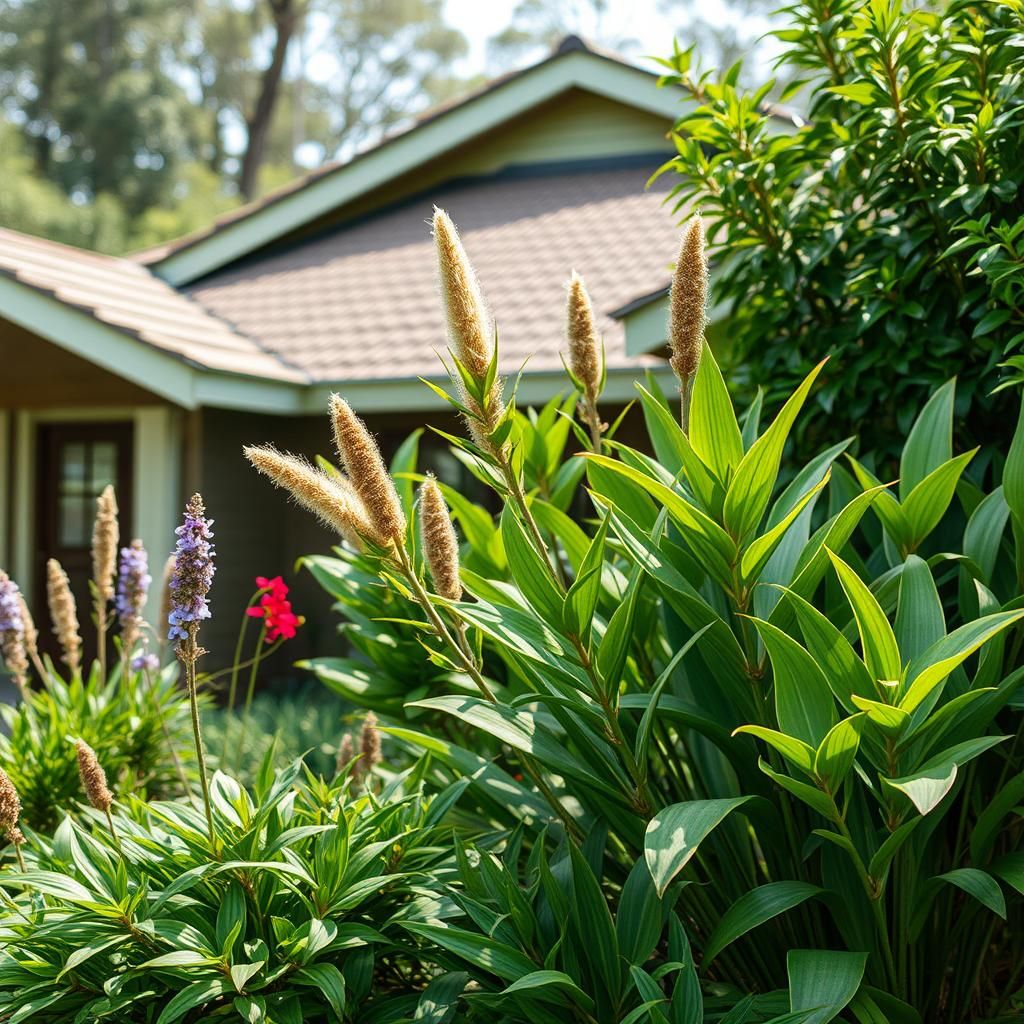
Invasive plants pose a significant threat to the natural ecosystem and can substantially impact property values in Australia. Homeowners often overlook the implications of these aggressive species, which can alter landscapes, affect biodiversity, and lead to higher maintenance costs. As urban areas expand, the spread of invasive flora can undermine the aesthetic appeal of residential properties, making them less desirable to potential buyers. Understanding how these plants affect property value is crucial for homeowners. This article will explore the relationship between invasive plants and home value in Australia, providing essential insights and practical advice for property owners to mitigate risks.
How Invasive Plants Impact Home Value in Australia
Invasive plants in Australia can significantly decrease home values by altering the ecological balance and affecting aesthetic appeal. These plants often outcompete native flora, leading to reduced biodiversity and diminished green spaces, which are crucial for enhancing property values. Homebuyers tend to be attracted to landscapes that offer natural beauty and ecological health; thus, properties plagued by invasive species may be perceived as less desirable. Furthermore, the potential for costly removal and ongoing maintenance associated with managing these invasive species can deter buyers, adding to the overall negative impact on property valuation.
The Economic Cost of Invasive Plants
Invasive plants not only affect aesthetic appeal but also contribute to substantial economic costs related to their control and management. Local governments and communities often have to allocate resources for the eradication of these species, diverting funding from other essential services. Homeowners may also face increased expenses for landscaping and pest management, as invasive plants can lead to increased presence of pests and diseases. Ultimately, these costs can discourage potential buyers who are looking for properties with fewer ongoing maintenance requirements.
Impact on Local Biodiversity
The presence of invasive plants poses a serious threat to local biodiversity in Australia. These species can outcompete native plants for resources such as water, light, and nutrients, leading to the decline of native plant populations. As native flora diminishes, the local wildlife that depends on these plants for habitat and food sources also suffers, creating an unbalanced ecosystem. Homebuyers increasingly recognize the value of preserving biodiversity, and properties affected by invasive plants may be viewed as detrimental to both the environment and local wildlife, thereby lowering their attractiveness and market value.
Home Aesthetics and Curb Appeal
The visual appeal of a home plays a crucial role in its market value, and invasive plants can severely impact the aesthetics of a property. Overgrown and uncontrolled invasive plants can create a neglected appearance, leading to unfavorable impressions among potential buyers. Maintaining an attractive landscape is essential for curb appeal; properties suffering from invasive species may appear less inviting and may struggle to command higher prices. As home aesthetics continue to shape buyer perceptions, the presence of invasives can translate into reduced marketability and home value.
Regulatory and Legal Implications
In some regions of Australia, certain invasive plant species are regulated under legislation aimed at protecting native ecosystems. Homeowners may face legal implications for not managing these species effectively, which can further affect property value. Compliance with local regulations often requires financial investment in control measures or landscaping changes to remove invasive plants. Potential buyers may be wary of these legal obligations, viewing them as liabilities that could lead to additional costs. This regulatory burden can deter interest in affected properties, ultimately decreasing their value in the real estate market.
Future Property Development Challenges
Properties impacted by invasive plants may also face challenges when it comes to future development opportunities. Should homeowners wish to expand or build on their property, the presence of invasive species could complicate planning assessments and approval processes. Developers often need to demonstrate compliance with environmental regulations, and invasive plants might hinder this process, leading to potential delays or additional costs for removal before development can proceed. Consequently, properties with a history of invasive plant issues may be viewed as less desirable for future prospects, leading to a further decline in their overall value.
| Key Factor | Impact on Home Value |
|---|---|
| Economic Costs | Increased maintenance expenses can deter buyers. |
| Biodiversity | Reduced native species can lead to ecological imbalance. |
| Aesthetics | Poor curb appeal affects first impressions and desirability. |
| Regulations | Legal liabilities can lead to hesitance among potential buyers. |
| Development | Future expansions may be complicated by invasive species. |
What would happen if you plant an invasive plant near your home?

If you plant an invasive plant near your home, it can lead to numerous ecological, economic, and social issues. Invasive species are non-native plants that can outcompete native vegetation, disrupt ecosystems, and cause a variety of problems. Here are the potential consequences of planting an invasive species in your vicinity:
Ecological Impact
Invasive plants can significantly alter local ecosystems. They often grow at a faster rate than native species, leading to a decline in biodiversity. The ecological impact can include:
- Displacement of Native Species: Invasive plants may take over habitats, pushing out native flora that local wildlife depend on for food and shelter.
- Alteration of Soil Chemistry: Some invasive plants can change the nutrient levels and chemistry of the soil, making it less hospitable for native plants.
- Increased Erosion: The deep root systems of invasive plants can destabilize soil structures, leading to increased erosion and poor water quality.
Economic Consequences
The presence of invasive plants can lead to significant economic burdens on households and local governments. The economic consequences include:
- Increased Management Costs: Eradicating invasive plants often requires extensive labor and financial resources, straining budgets.
- Impact on Agriculture: Invasive species can invade agricultural lands, reducing crop yields and increasing the need for herbicides, thus elevating costs for farmers.
- Reduction in Property Values: Landscapes dominated by invasive plants may detract from the aesthetic appeal of an area, potentially lowering property values.
Health Risks
Some invasive plants can pose health risks to humans and pets. The health risks include:
- Allergic Reactions: Certain invasive plants, like ragweed, can increase pollen levels and lead to allergic reactions for many individuals.
- Toxicity: Some invasive species are toxic when ingested, posing a direct threat to pets and children who may come into contact with them.
- Pest Attraction: Invasive plants may attract harmful pests, creating a health risk for those living nearby.
Impacts on Local Wildlife
The introduction of invasive plants can have a profound impact on local wildlife. The impacts include:
See also:
- Habitat Loss: Native animals may lose their habitats as invasive species take over, disrupting food chains.
- Reduced Food Resources: Animals that rely on native plants for food may find it challenging to survive when those plants are replaced by invasive ones.
- Disruption of Migration Patterns: Changes in plant communities can alter the natural behaviors of migrating species, affecting their reproduction and survival.
Management Challenges
Managing invasive plants is a daunting task that requires strategic planning and effort. The management challenges include:
- Identification Difficulty: Many invasive species can be difficult to identify, leading to unintentional planting.
- Recurrence of Invasiveness: Even after removal, some invasive plants can regrow from fragments, making management a continual process.
- Community Involvement: Effective control often requires community engagement and education, which can be challenging to establish.
Does a garden increase or decrease home value?
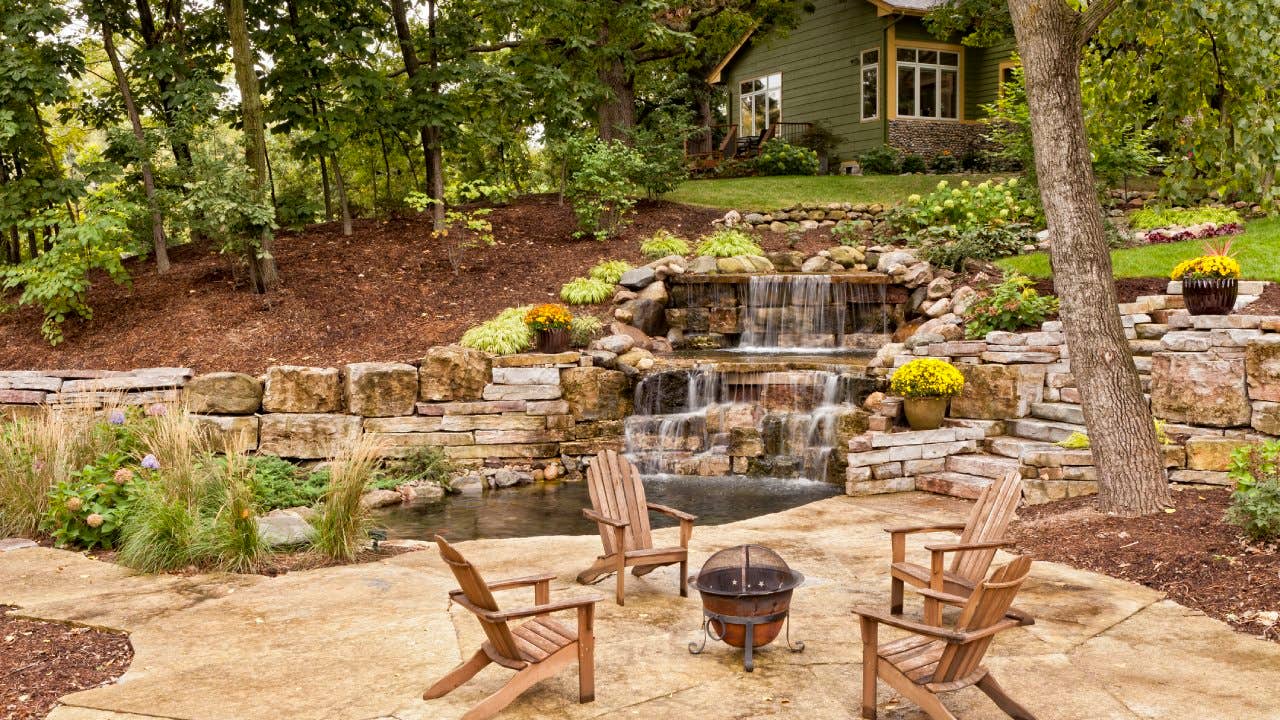
The presence of a garden can significantly impact home value, often increasing it. Potential buyers often perceive gardens as valuable additions that enhance the overall appeal of a property. A well-maintained garden not only provides aesthetic pleasure but can also be a functional space for outdoor activities, which many families value.
Benefits of Having a Garden
A garden offers various benefits that can elevate the appeal of a home on the market:
- Enhanced Curb Appeal: A well-kept garden improves the exterior look of a property, making it more inviting.
- Outdoor Space: Buyers appreciate additional outdoor living spaces for relaxation and entertainment.
- Increased Privacy: Mature plants and trees can provide a natural barrier, offering more privacy for homeowners.
Quality of Garden Maintenance
The maintenance quality of the garden plays a crucial role in determining its effect on home value:
- Well-Maintained Gardens: A tidy, thriving garden suggests that the property has been cared for, which is appealing to buyers.
- Neglected Gardens: An overgrown or poorly maintained garden can deter potential buyers and may reduce the overall value.
- Seasonal Appeal: A garden that offers year-round interest can enhance a property's attractiveness, making it more desirable.
Type of Garden
Different types of gardens can influence home value in various ways:
- Vegetable Gardens: For health-conscious buyers, a vegetable garden might be a unique selling point.
- Flower Gardens: Colorful flower gardens can significantly enhance visual appeal, attracting buyers looking for aesthetic beauty.
- Low-Maintenance Landscaping: Xeriscaping or gardens with drought-resistant plants can appeal to environmentally conscious buyers and those seeking less upkeep.
Market Trends and Location
The impact of gardens on home value is closely connected to market trends and location:
- Desirable Neighborhoods: In areas where gardens are common and valued, a garden can increase property value more than in places where they are less appreciated.
- Urban vs. Rural: Urban buyers may prioritize gardens differently compared to those in suburban or rural settings where outdoor space is more abundant.
- Local Market Preferences: Understanding the preferences of buyers in the local market can help sellers maximize the potential benefits of their garden.
Additional Considerations
Other factors can affect how much a garden influences home value:
- Size of the Garden: A larger garden might appeal to families, while a smaller, well-designed garden may attract young professionals.
- Garden Features: Features such as pathways, seating areas, or built-in grills can enhance the value added by the garden.
- Climate and Environment: The local climate can influence garden viability and attractiveness, which impacts potential homebuyers' perceptions.
What are the most invasive plants in Australia?
The most invasive plants in Australia pose significant threats to the country's unique ecosystems, agriculture, and urban environments. These plants often outcompete native species for resources, disrupt local habitats, and can lead to substantial economic impacts. Here's a detailed overview of some of the most problematic invasive plants in Australia.
1. Lantana Camara
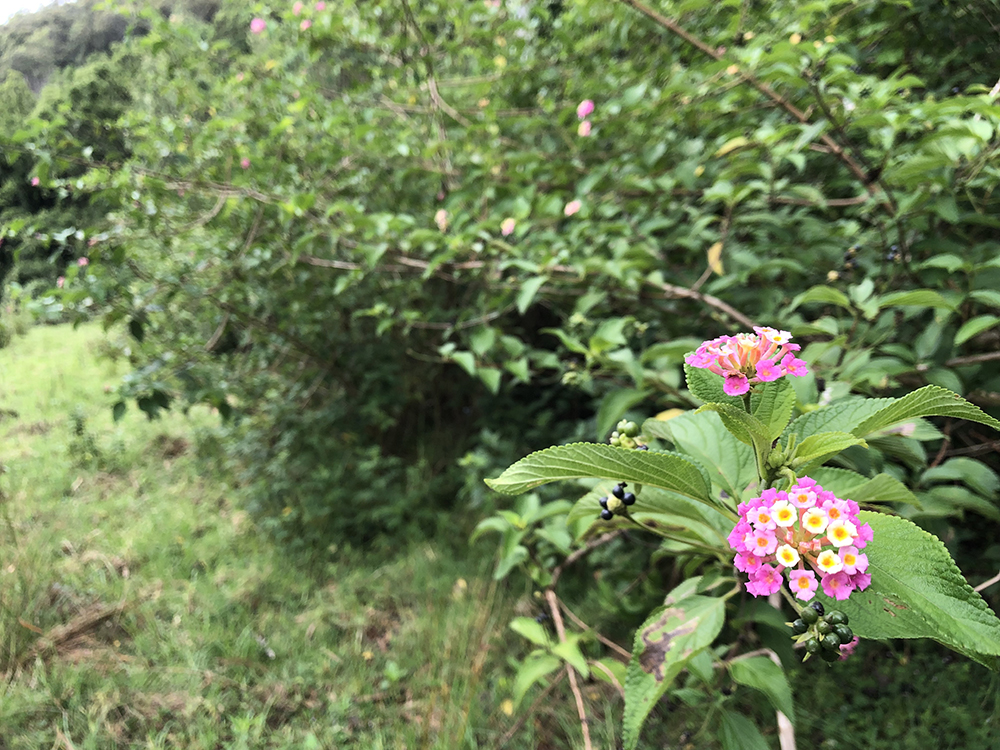
Lantana Camara is a highly invasive shrub that thrives in a variety of environments. Originally from Central and South America, it is now found in many regions of Australia, where it forms dense thickets that can outcompete native flora. Its vibrant flowers attract pests and spread rapidly, making it a persistent problem for landowners and natural resources.
- Forms dense thickets displacing native vegetation.
- Attracts harmful pests that affect local biodiversity.
- Can alter soil chemistry, adversely impacting other plants.
2. Pampas Grass
Pampas Grass, or Cortaderia selloana, is an ornamental grass that can grow up to three meters tall. It was introduced to Australia for use in gardens and landscaping, but has since escaped cultivation and invaded pastures, grasslands, and road sides. Its massive flower plumes can contain millions of seeds, making it exceptionally prolific and hard to control.
- Increases fire risk due to its dry, flammable material.
- Displaces native grasses and reduces biodiversity.
- Creates monocultures, harming local wildlife habitats.
3. Salvation Jane (Paterson's Curse)
Also known as Paterson's Curse, Salvation Jane is a flowering plant that is particularly problematic in agricultural areas. While it has some beneficial uses in honey production, it quickly spreads and can dominate pastures, resulting in reduced grazing for livestock. Its pyrrolizidine alkaloids can be toxic to animals, leading to economic losses for farmers.
See also:
- Reduces the amount of viable pasture available for livestock.
- Is toxic, posing health risks to grazing animals.
- Can easily colonize disturbed areas, spreading rapidly.
4. Saffron Thistle
Saffron Thistle, or Carthamus lanatus, is a spiny annual plant that has been a significant concern for land management in Australia. It thrives in disturbed soil and can quickly dominate pastures and agricultural areas. Its sharp spines deter livestock and can lead to decreased productivity in farming operations.
- Hinders livestock movement and access to grazing areas.
- Reduces pasture quality due to competition with desirable species.
- Can lead to management challenges for farmers dealing with infestations.
5. Blackberry (Rubus fruticosus)
The blackberry is a thorny shrub that produces small fruits but also poses severe challenges to the environment and agriculture. It thrives in many types of terrain and can form dense impenetrable thickets that crowd out native vegetation. Its aggressive growth patterns make it hard to control and remove.
- Creates barriers for native wildlife and habitat loss.
- Competes with native plant species, disrupting ecosystems.
- Increases management costs for farmers and landowners.
Do plants increase home value?

Yes, plants can significantly enhance home value. Curb appeal is a crucial factor when selling a property, and the presence of well-maintained landscaping can greatly influence potential buyers' perceptions. Moreover, various studies indicate that homes with quality landscaping can sell for a higher price than those without.
Impact of Landscaping on Home Value
The impact of landscaping on home value is substantial and multi-faceted. Effective landscaping can elevate the overall aesthetic of a home, creating a welcoming atmosphere that attracts buyers. In fact, research shows that investing in landscaping can yield a return on investment (ROI) of up to 100% or more upon sale. Consider the following points:
- First Impressions: Plants create an inviting look, enhancing first impressions.
- Property Size Perception: Well-placed plants can make a property appear larger.
- Neighborhood Appeal: Attractive landscaping aligns with community aesthetics, raising overall home value.
Type of Plants and Their Effect
Not all plants contribute equally to increasing home value; the type of plants used can significantly affect the outcome. Native plants or low-maintenance varieties can appeal to a broader range of buyers, as they often require less upkeep. Here are essential considerations regarding plant types:
- Native Species: They typically thrive in the local climate and require less water.
- Low Maintenance: Choosing easy-to-care-for plants can attract busy buyers.
- Seasonal Interest: Including plants that bloom at different times can ensure year-round appeal.
Benefits Beyond Aesthetics
The benefits of plants extend beyond mere aesthetics and can positively influence the perceived value of a home. This effect stems from various factors, including environmental benefits and health advantages. Some notable aspects include:
- Environmental Impact: Trees and plants can reduce energy costs by providing shade.
- Air Quality: Plants help improve air quality, promoting a healthier living environment.
- Noise Reduction: Landscaping can act as a natural sound barrier, enhancing tranquility.
Market Trends in Landscaping
Current market trends indicate an increasing appreciation for landscaping and green spaces among potential buyers. Buyers are looking for properties that align with sustainable and eco-friendly values, influencing their purchasing decisions. Key trends include:
- Sustainability: Environmentally friendly designs are becoming increasingly sought after.
- Outdoor Living Spaces: Buyers favor homes with well-designed outdoor areas for entertainment.
- Community Gardens: Properties near community green spaces increase attractiveness for families.
Investment in Landscaping
Investing in landscaping can be a strategic decision for homeowners seeking to boost their property's appeal. Proper investment in high-quality plants and landscaping features can yield significant returns. Here are aspects to consider:
- Budgeting: An effective landscaping project should align with your budget while maximizing impact.
- Professional Help: Hiring experts may ensure tasteful and cohesive designs.
- Maintenance: Ongoing maintenance is essential to keep the landscape looking its best.
Questions from Our Readers
How do invasive plants affect home values in Australia?
Invasive plants can significantly lower home values in Australia by creating an unattractive landscape and decreasing curb appeal. Properties surrounded by such plants often appear neglected or poorly maintained, which can deter potential buyers and ultimately lead to lower selling prices.
What are some examples of invasive plants in Australia?
Some commonly known invasive plants in Australia include Lantana, Bamboo, and Crown Land. These species can spread rapidly and outcompete native vegetation, leading to a decline in local biodiversity and making properties less desirable to buyers.
Can homeowners take action against invasive plants?
Yes, homeowners can take proactive measures against invasive plants by removing them and replacing them with native species. This not only improves the landscape but also contributes to local ecosystems, potentially increasing the attractiveness and value of their property.
Are there financial resources available for managing invasive plants?
Yes, there are various financial grants and assistance programs available for homeowners looking to manage invasive plants. Organizations and local councils often provide resources to help individuals address these issues, which can ultimately enhance their property’s value.
See also:

If you want to read more articles like How Invasive Plants Decrease Home Value in Australia: What Homeowners Need to Know, we recommend you check out our Weeds category.
Leave a Reply
Related Articles