How to Tell When Pumpkins Are Ready to Pick: A Complete Guide for Fall Harvesting
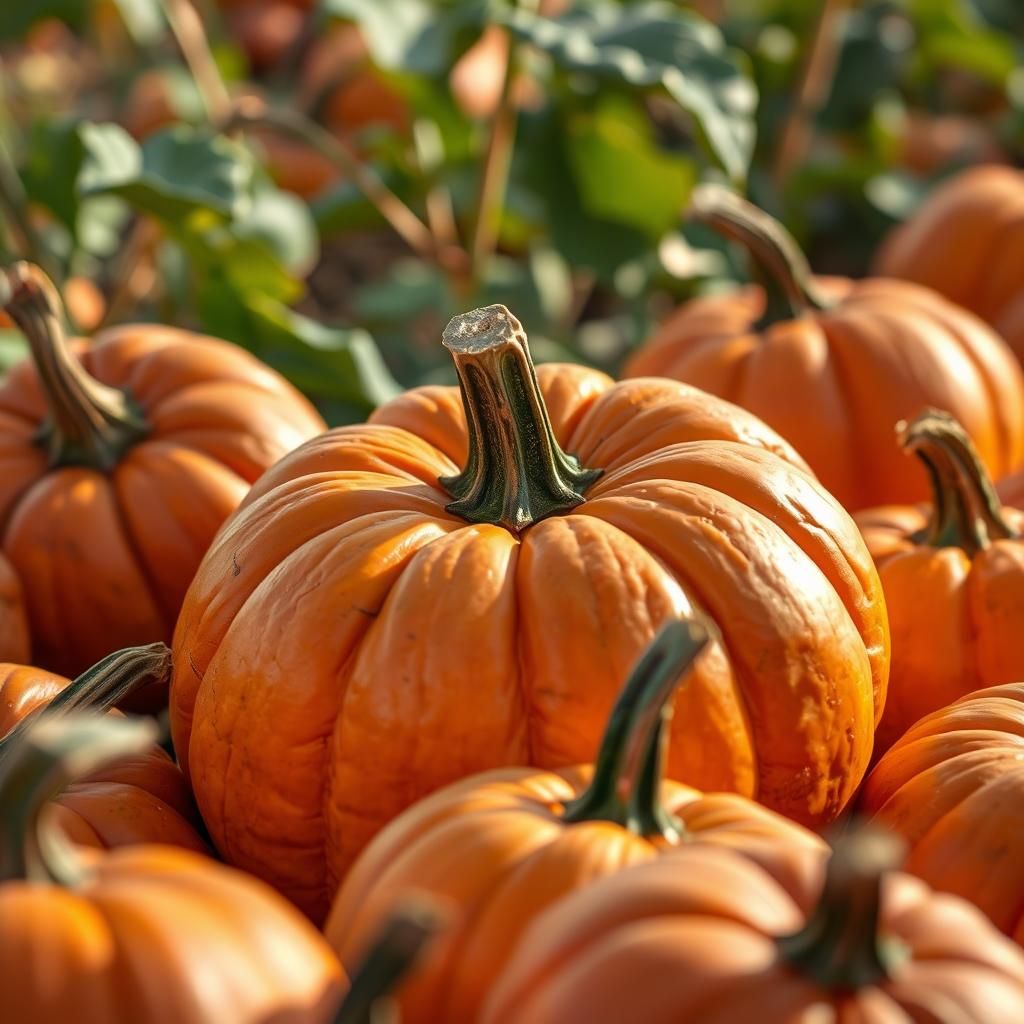
As the crisp fall air settles in and the leaves begin to change, it’s time to turn your attention to one of autumn's most beloved symbols: the pumpkin. Whether you’re growing them for decoration, baking, or festive recipes, knowing when to pick your pumpkins is essential for achieving the best results. In this complete guide, we’ll explore the key indicators of ripeness, the optimal time for harvesting, and tips for ensuring your pumpkins are at their peak. Get ready to enhance your fall festivities with perfectly harvested pumpkins that will stand out in any display or dish.
How to Tell When Pumpkins Are Ready to Pick
Determining when pumpkins are ready to pick is essential for ensuring optimal flavor and longevity. The best time to harvest is usually in late summer or early fall, depending on your region and the specific variety of pumpkin. Look for signs such as a deep orange color, a hard shell, and the drying of the vine stem. When the stem turns brown and hard and the pumpkin's skin is tough enough that you can't easily puncture it with your fingernail, it's a good indication that the fruit is ready. Additionally, consider the days to maturity stated on the seed packet, as this gives a general timeline for when to start checking your pumpkins.
Color of the Pumpkin
The color of a pumpkin is one of the most visible indicators of its readiness for harvest. When pumpkins reach their peak color, typically a rich orange, they are often ready to be picked. However, some varieties may remain green even when ripe, so it’s important to know the expected color for the specific type you are growing. If a pumpkin is still pale or has not developed a uniform hue, it may need more time to mature.
Stem Condition
Inspecting the condition of the pumpkin's stem can give you critical clues about its ripeness. A mature pumpkin will have a stem that is becoming dry and brown. If the stem feels woody and brittle, that indicates that the moisture has been withdrawn from the pumpkin as it ripened. A green and pliable stem suggests that the pumpkin is not yet ready for picking; it needs additional time on the vine to develop fully.
Skin Toughness
Another key factor in assessing ripeness is the toughness of the pumpkin's skin. Mature pumpkins should have a hard skin that cannot be easily punctured with a fingertip. If you can easily press your nail into the skin and create a mark, it likely means the pumpkin is still immature. This tough exterior not only signifies ripeness but also helps the pumpkin store better throughout the fall and winter months.
Size and Weight
The size and weight of pumpkins can also indicate readiness. Generally, pumpkins should reach their expected size before you harvest them. An underdeveloped pumpkin may feel light for its size, suggesting it hasn’t fully matured. While varying species will have different weight expectations, a heavy pumpkin indicates that it has garnered sufficient moisture and nutrients. Always compare the size of the pumpkin to the typical size for the variety you’re growing.
Timing and Days to Maturity
Considering the timing of your harvest is crucial. Each pumpkin variety comes with a specific days to maturity, usually ranging from 75 to 125 days. Once you reach this timeframe, begin to check your pumpkins regularly for ripeness signs. Mark the date of planting on your calendar to better track growing phases and prepare you for the eventual harvest. Each variety will have its uniqueness, so it’s essential to refer to the seed packet to determine the appropriate time frame.
| Indicator | Ready | Not Ready |
|---|---|---|
| Color | Deep orange | Pale or uneven |
| Stem | Dry and brown | Green and pliable |
| Skin Toughness | Hard and resistant | Soft and easy to puncture |
| Size and Weight | Full size and heavy | Underdeveloped and light |
| Days to Maturity | As per seed packet | Under the recommended time |
Can you leave pumpkins on the vine too long?
:strip_icc()/three-pumpkins-vine-30eb2f05-35037b49b06b42529bbd5366e286c75f.jpg)
Yes, you can leave pumpkins on the vine too long, but doing so can have both positive and negative consequences. Pumpkins typically need to stay on the vine until they reach their full size and develop a rich, vibrant color, but leaving them for an extended period can cause issues related to rot, pests, and diminished flavor. It's important to monitor your pumpkins as they mature, considering the specific variety and the conditions in which they're growing.
Effects of Extended Growth on Pumpkins
Leaving pumpkins on the vine for too long can lead to several negative effects, including:
- Over-ripening: Pumpkins may become overripe, resulting in a decline in flavor and texture.
- Softening: Prolonged exposure can cause the pumpkin’s skin to soften, making them more susceptible to rot.
- Attracting Pests: Overripe pumpkins attract insects and rodents, increasing the risk of damage and loss.
Signs That Pumpkins Are Ready to Harvest
Recognizing the right time to harvest is crucial to avoid leaving pumpkins too long on the vine. Signs include:
- Color Change: Pumpkins should display their characteristic color, indicating they are ripe.
- Hard Skin: The skin should feel firm and resistant to pressure, a sign that it has developed fully.
- Dried Stem: A brown, dried stem indicates that the pumpkin is ready for harvest.
Benefits of Leaving Pumpkins Longer Than Ideal
In some cases, there can be advantages to leaving pumpkins longer:
- Sweetness: Extra time on the vine can enhance sweetness and flavor.
- Size: Leaving pumpkins on the vine longer may allow them to grow larger, which is beneficial for competitions.
- Hardiness: A longer maturity period can increase the toughness of the skin, improving storage life.
Harvesting Techniques to Preserve Quality
To maximize the quality of the pumpkins when harvesting, consider these techniques:
- Use Sharp Tools: Always use a sharp knife or clippers to avoid damaging the vine and other pumpkins.
- Leave Green Stems: When cutting, leave a few inches of the stem attached to prevent decay.
- Handle with Care: Be gentle when handling to avoid bruising or nicking the pumpkin surface.
Storage Considerations After Harvest
Once harvested, proper storage is critical to maintaining pumpkin quality:
See also:
- Cure the Pumpkins: Allow harvested pumpkins to cure in a warm, dry place for several days to harden the skin.
- Avoid Direct Sunlight: Store them in a cool, dark place to prevent premature spoilage.
- Check Regularly: Inspect stored pumpkins for any signs of mold or decay, and remove affected pumpkins immediately.
How do I tell when a pumpkin is ready to pick?
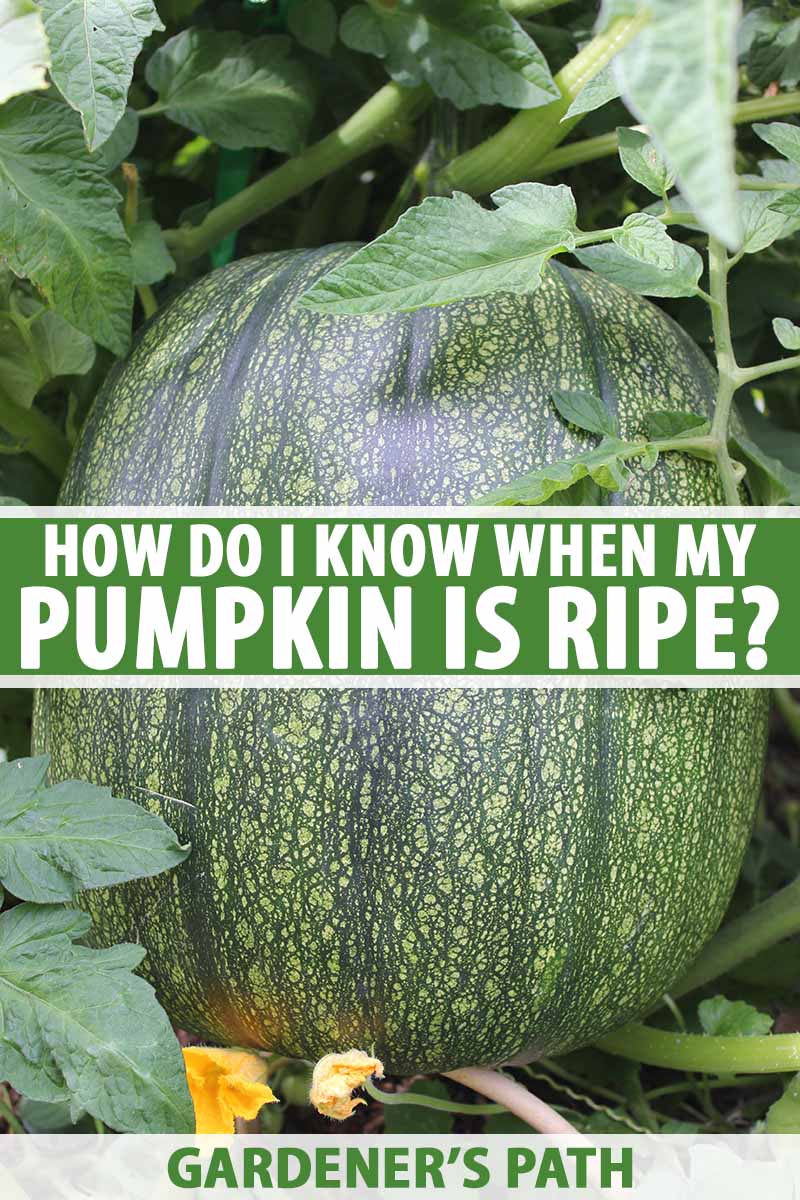
When determining if a pumpkin is ready to pick, there are several key factors to consider. The timing for selecting pumpkins generally aligns with the harvest season, which is typically in early to mid-fall. Pumpkins will change in appearance and texture, which aids in identifying when they have reached maturity. Here are some criteria to assess the ripeness of your pumpkin.
Color
The color of a pumpkin is one of the most significant indicators of its readiness. Different varieties produce different colors, but most pumpkins should be a rich, uniform shade of orange.
- Observe the color: Look for a deep, vibrant orange.
- Check for consistency: The color should be uniform across the entire pumpkin.
- Know the variety: Research your specific type of pumpkin as some may not turn orange.
Skin Hardness
The skin of the pumpkin provides essential feedback on its maturity. A fully developed pumpkin will have a tough, hard outer shell that is resistant to punctures.
- Press your thumb on the skin: If your thumb does not leave an imprint, it is a good sign the pumpkin is ready.
- Use a knife: If you can’t easily cut through the skin with a knife, it’s a sign the pumpkin is matured.
- Check for firmness: The pumpkin should feel solid and heavy for its size.
Stem Condition
The condition of the stem is a helpful indicator of ripeness. A healthy pumpkin will have a stem that is brown and dried out.
- Examine the stem: Look for a hard, woody stem rather than a green or soft one.
- Observe the stem color: Colors should be a deep brown, suggesting it is ready.
- Check for attachment: Ensure that it’s securely connected to the pumpkin; a loose stem might mean it’s overripe.
Size and Shape
The size and overall shape are other indicators of readiness. Mature pumpkins will achieve their expected size depending on the variety planted.
- Measure the size: Most pumpkins should reach the typical size for their variety.
- Assess the shape: Ideally, pumpkins should be round and well-proportioned.
- Explore growth patterns: Avoid picking pumpkins that have flat sides, as they may not be fully developed.
Days to Maturity
Each pumpkin variety has a specific number of days until it reaches maturity, typically ranging from 75 to 120 days post-planting. Knowing this timeframe can help gauge readiness for harvest.
- Check seed packets: Look for expected days to maturity specific to your pumpkin variety.
- Count the days: Start counting from the day seeds were planted.
- Observe growth: Compare the actual growth timeline with the expected one from the seed packet.
What does a pumpkin look like when it's ready to be picked?
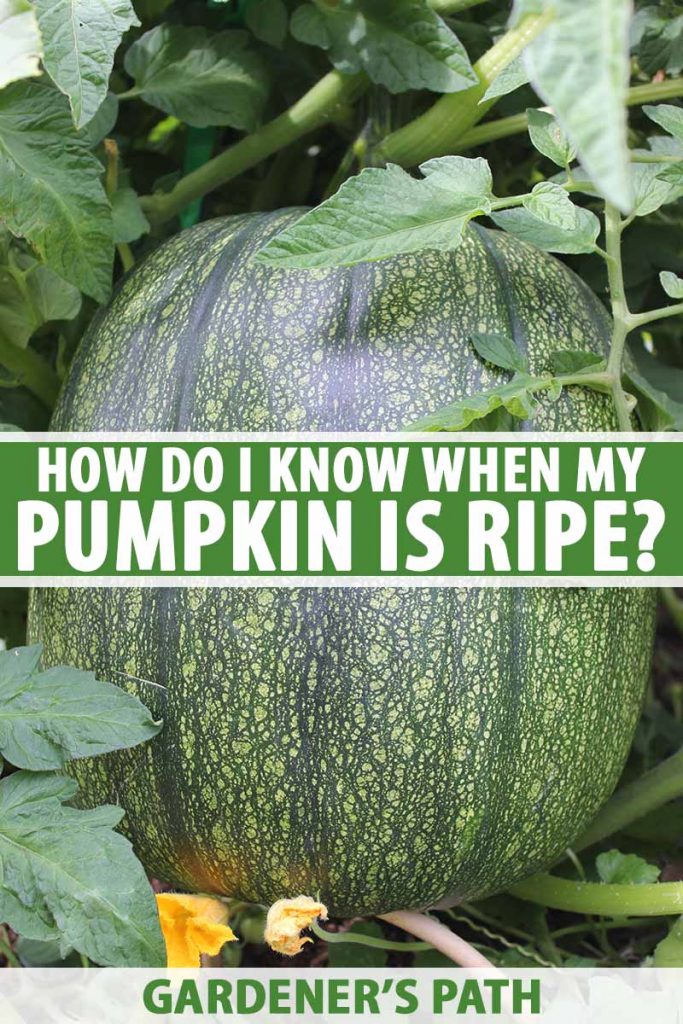
When a pumpkin is ready to be picked, several physical characteristics indicate its ripeness. The change in color, texture, and firmness are key signs to look for. Here are the primary features to consider:
1. Color: A ripe pumpkin usually exhibits a deep, vibrant orange color. Depending on the variety, it may also have shades of yellow or green, but it should not have patches of white or any signs of discoloration.
2. Texture: The skin of a ripe pumpkin should be hard and smooth. When you press your fingernail against the skin, it should not leave a mark. This hardness shows that the pumpkin has reached its mature stage.
3. Stem Condition: The stem of the pumpkin is another significant indicator. A mature pumpkin will have a brown, hard stem that is attached firmly to the fruit. If the stem is soft or green, the pumpkin may not be ready for harvest.
4. Size: Ripe pumpkins vary in size depending on their variety. However, they should be proportional to their expected size based on their type. If they have reached their standard size, they are likely ready for picking.
5. Vine Condition: Observing the vine attached to the pumpkin can also provide clues. A healthy vine will have begun to wilt and die back as the pumpkin matures. If the leaves are still lush and green, it might be too early to harvest.
See also:
Color Indicators of Ripe Pumpkins
The color of a pumpkin is one of the first things to notice when determining if it is ready for picking. Ripe pumpkins should display a deep and consistent color throughout.
- Vibrancy: A bright orange color indicates ripeness.
- Uniformity: Look for an even color without any green patches.
- Varietal Differences: Some pumpkins may be yellow or striped, but these should still appear saturated.
Texture and Skin Hardness
The texture of the pumpkin is vital in assessing its readiness. The outer skin's hardness protects the fruit inside and signifies maturity.
- Firmness: The skin should be difficult to puncture with your fingernail.
- Smoothness: A ripe pumpkin typically has a smooth texture, indicating it has grown properly.
- Surface Condition: Any soft spots can indicate decay or over-ripeness.
Stem Analysis for Harvesting
Examining the stem of the pumpkin can provide insights into whether it’s time to harvest. The stem's condition reveals a lot about the pumpkin's development.
- Color Change: A healthy stem will be brown or dry.
- Firm Attachment: The stem should be strongly attached, without signs of wilting.
- Response to Pressure: A mature stem does not easily break under pressure.
Size Parameters of Different Varieties
Each pumpkin variety has its expected size at harvest. Knowing the specific size for the type you are growing is crucial.
- Standard Sizes: Be aware of the average sizes for common types, like the Jack-o'-lantern.
- Variability: Some pumpkins might look smaller or larger than anticipated but can still be ripe.
- Growth Signals: If the pumpkin has reached its full size and color, it is likely ready.
Vine Health and Maturity
The condition of the vine connected to the pumpkin speaks volumes about whether the fruit is ready to be picked.
- Wilting Leaves: A healthy pumpkin will often have wilting, dying leaves, indicating maturity.
- Vine Color: A green vine generally suggests the fruit isn’t ready.
- Overall Plant Condition: Check for signs of disease or other issues affecting the plant’s health.
Is it okay to pick pumpkins early?

Picking pumpkins early can be a nuanced decision that depends on several factors, including the variety of pumpkin, your intended use, and the growing conditions. Generally, pumpkins are best harvested when they have fully matured on the vine. However, there are some scenarios in which picking pumpkins early might be acceptable or even preferable.
1. Visual Ripeness Indicators
To determine if a pumpkin is ready to be picked, look for certain visual indicators:
- Color: The pumpkin should have a uniform color, typically a deep orange for many varieties.
- Skin Hardness: When you press on the skin, it should be hard and difficult to puncture.
- Stem Condition: The stem should be brown and dried out, which indicates that it has stopped taking moisture from the vine.
2. Intended Use of the Pumpkins
Depending on how you plan to use the pumpkins, early harvesting could vary in appropriateness:
- Decoration: If you’re planning to use them for decorative purposes, you may pick them early to avoid being damaged.
- Cooking: For cooking, it’s best to wait until they are fully ripe to ensure the best flavor and texture.
- Storage: If you plan to store them for a while, mature pumpkins can last longer, but early pumpkins may rot faster.
3. Weather Conditions
Weather plays a significant role in the decision to harvest early:
- Frost Risk: If frost is expected, it might be wise to harvest early to avoid damage.
- Moisture Levels: Excessive rain or humidity can lead to rot, which may prompt early harvesting.
- Heat: In very hot conditions, pumpkins might ripen faster, leading some to pick early.
4. Growth of the Pumpkin
Observing the growth stage of the pumpkins is crucial for making the right decision:
- Size: Ensure that the pumpkins have reached a mature size for their specific variety.
- Vine Conditions: If the vines are dying back, it might signal that the pumpkins are nearing maturity.
- Number of Pumpkins: If there are many pumpkins, some growers might choose to pick early to allow other pumpkins to grow better.
5. Post-Harvest Care
If you decide to pick pumpkins early, proper care after harvesting is essential:
- Curing: Place the pumpkins in a warm, dry area for several days to harden their skin.
- Storage Conditions: Store them in a cool place to prevent premature spoilage.
- Monitoring: Regularly check for soft spots or rot, as early-harvested pumpkins may not last as long.
Questions from Our Readers
How can I tell if my pumpkins are ripe?
To determine if your pumpkins are ripe, look for a solid color depending on the variety, a hard skin that resists puncturing, and a dry stem that is brown and woody. Additionally, if you press your fingernail against the skin and it does not leave a mark, this is a good indicator of ripeness.
What color should pumpkins be when they are ready to harvest?
Most pumpkins should be a deep orange color when they are ripe; however, some varieties may be yellow or even green. Ensure that the color is uniform across the entire pumpkin for optimal maturity.
See also:
When is the best time to pick pumpkins?
The best time to pick pumpkins is usually in late September to October, when temperatures start to cool. It's essential to pick them before the first hard frost, as frost can damage the pumpkins and affect their flavor and texture.
Should I cut the pumpkin off the vine or twist it?
You should ideally cut the pumpkin off the vine using a sharp knife or garden shears, leaving a few inches of the stem attached. Twisting can damage the vine and increase the risk of rot, so cutting is the safer method for harvesting.

If you want to read more articles like How to Tell When Pumpkins Are Ready to Pick: A Complete Guide for Fall Harvesting, we recommend you check out our Gardeners category.
Leave a Reply
Related Articles