Effective Solutions on How to Stop Rain Coming in the Side of a Pergola?
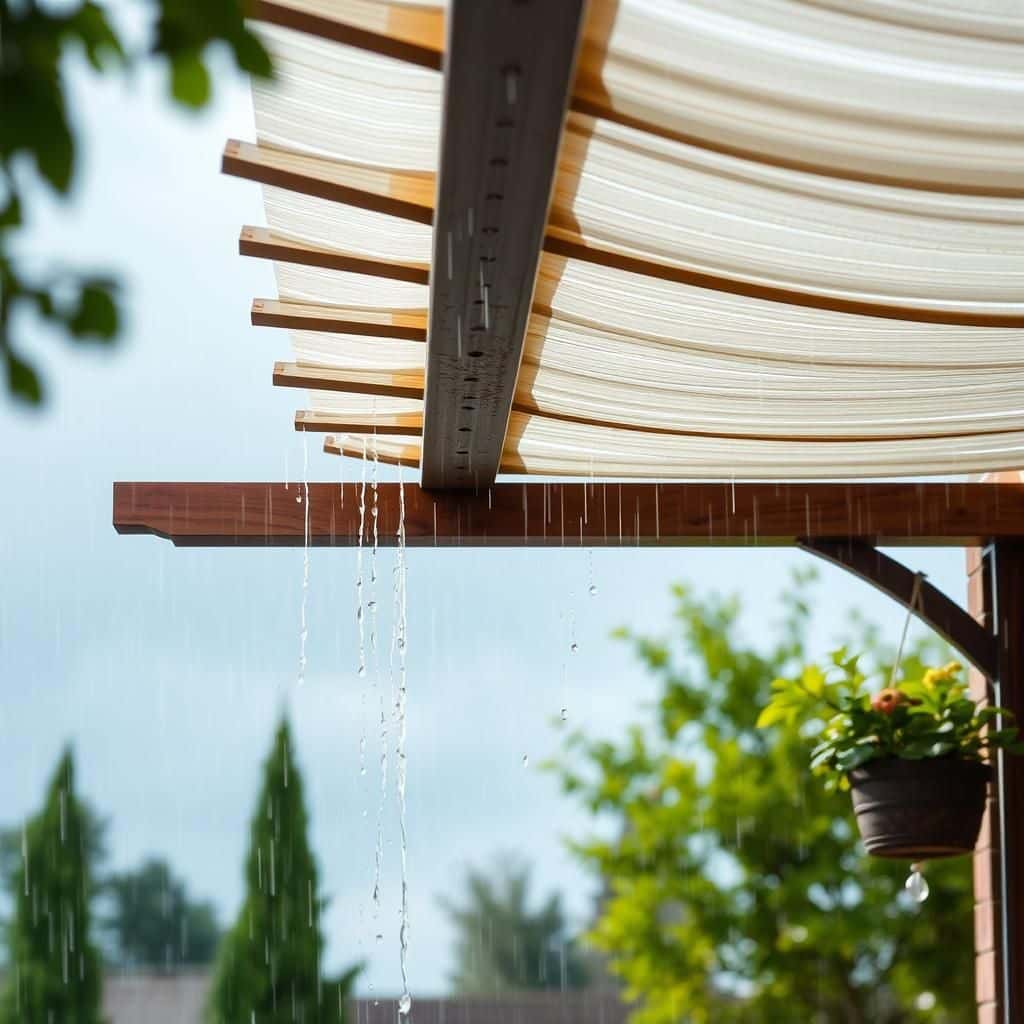
When it comes to enjoying outdoor spaces, pergolas offer a stylish solution to enhance your garden or patio. However, one common issue many pergola owners face is rainwater seeping in from the sides, potentially disrupting gatherings and damaging furniture. Understanding how to prevent this problem is crucial for maintaining the usability and aesthetics of your outdoor area. This article outlines effective strategies and creative solutions to keep your pergola dry during rainy days. Whether you're considering physical barriers or innovative design ideas, these tips will help you create a shelter that withstands the elements while allowing you to enjoy your outdoor sanctuary.
Effective Solutions to Prevent Rain from Entering Your Pergola
To stop rain from coming in the side of a pergola, consider installing wind panels or curtains made of weather-resistant materials that can be easily opened or closed based on the weather conditions. Additionally, the strategic placement of guttering systems can help redirect rainwater away from the sides of the structure. Sloping the roof slightly can also assist in directing rainwater towards the middle, keeping the sides drier. Utilizing plants like climbing vines can add a natural barrier, while also enhancing the aesthetic appeal of your outdoor space.
Install Weather-Resistant Curtains
Using weather-resistant curtains can serve as an effective barrier against rain. These curtains can be made from polyester or canvas, which are durable and water-repellent. By incorporating a track system, you can easily draw the curtains closed to create a barrier during rainy days and open them up when not needed, maximizing your pergola’s usability throughout the seasons.
Utilize Side Panels or Windows
Installing side panels or windows can provide additional protection from rain. Clear or frosted acrylic panels are popular choices that maintain visibility while blocking rain from entering. These panels can be installed on one or more sides of the pergola, allowing you to enjoy the view without getting wet, and they offer a minimalistic look that complements the overall design.
Incorporate Guttering Systems
Implementing a guttering system can effectively redirect rainwater away from the pergola’s sides. Properly designed gutters can capture rainfall from the roof and channel it to downspouts that lead away from the structure. This not only prevents rain from running down the sides but also protects the surrounding landscape by managing water flow and potential erosion.
Adjust the Roof Angle
By sloping the roof of your pergola slightly toward the center or a specific side, rainwater can be naturally directed away from the sides and down into gutters. This adjustment can significantly reduce the chance of water pooling, thus keeping the area around your pergola much drier. If possible, consult with a professional to achieve the correct angle that maximizes rain runoff.
Utilize Climbing Plants as Barriers
Incorporating climbing plants along the sides of your pergola can create a natural barrier against rain. Plants like wisteria or honeysuckle not only add beauty but also provide a lush cover that can help block wind-driven rain from entering. Ensure that the plants are compatible with your climate and are well-maintained to achieve the best protective effect.
| Solution | Description |
| Weather-Resistant Curtains | Durable and easily adjustable for rain protection. |
| Side Panels | Clear or frosted panels that block rain while allowing visibility. |
| Guttering Systems | Redirects rainwater away from the pergola structure. |
| Roof Angle | Natural direction of water away from the sides. |
| Climbing Plants | Natural foliage that acts as a rain barrier. |
How to make a pergola rainproof?
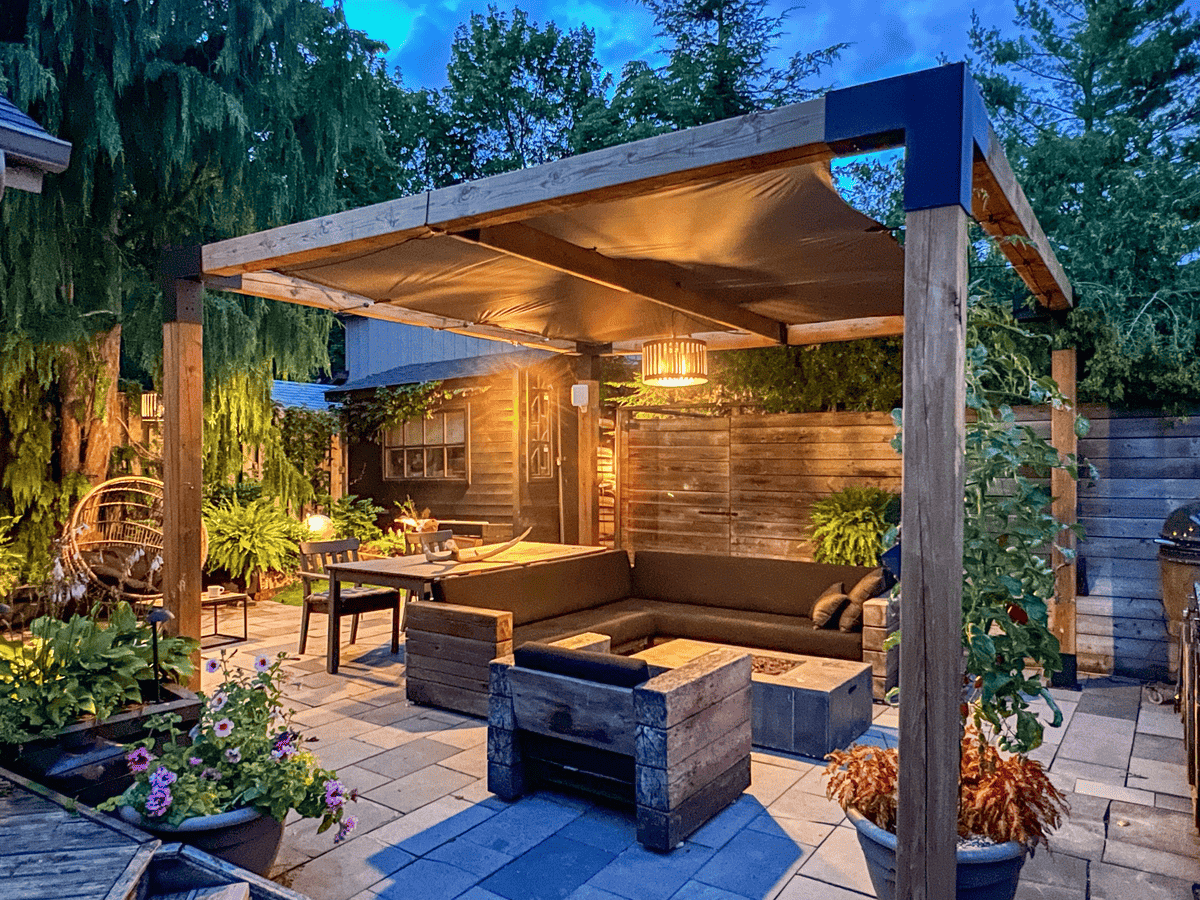
To make a pergola rainproof, several methods can be implemented that enhance its functionality while ensuring that the outdoor space remains dry during rainy weather. Below are several strategies you can consider:
1. Install a Waterproof Canopy
A waterproof canopy is an excellent way to provide a protective cover over your pergola. Canopies come in various materials that are specifically designed to resist water.
- Fabric Options: Use canvas or vinyl materials that are treated for waterproofing.
- Retractable Systems: Consider a retractable canopy that offers flexibility when you want protection from rain and sun.
- Installation: Ensure the canopy is securely attached and sloped to allow water drainage.
2. Add Transparent Roof Panels
Transparent roof panels made of materials such as polycarbonate can be a great solution for creating a rainproof pergola while still allowing light to filter through.
- Material Choice: Choose polycarbonate sheets or acrylic panels that are UV resistant and durable.
- Support Structure: Reinforce the pergola’s structure to support the additional weight of the panels.
- Sealing: Use appropriate seals around the edges to prevent water leakage.
3. Utilize Awnings or Roll-Up Side Walls
Awnings and roll-up side walls can significantly improve protection against rain and enhance comfort in the pergola space.
- Awnings: Install fabric awnings that can be extended or retracted as needed.
- Side Walls: Incorporate roll-up canvas or vinyl walls that can easily be pulled down during inclement weather.
- Wind Consideration: Ensure that side walls are designed to withstand wind, preventing them from being damaged in harsher weather.
4. Use Waterproofing Spray or Sealant
Applying a waterproof spray or sealant to wooden structures can enhance their resistance to rain and prolong their lifespan.
See also:
- Material Selection: Choose a waterproofing product appropriate for your pergola’s material (wood, metal, etc.).
- Application: Follow manufacturer instructions for the best application method and conditions.
- Maintenance: Regularly reapply the sealant to maintain effectiveness against the elements.
5. Design with Drainage Solutions
Incorporating proper drainage solutions into the design of your pergola can prevent water pooling, ensuring that your space remains functional even in bad weather.
- Gutter System: Install gutters along the edges to direct runoff away from the pergola.
- Sloped Roof: Design the pergola roof with a slope to facilitate water runoff.
- Drainage Grates: Consider adding drainage grates or channels beneath the pergola to collect excess rainwater.
How to cover the sides of a pergola?
To effectively cover the sides of a pergola, you can choose from various materials and methods depending on your desired level of privacy and protection from the elements. Here are several options to consider:
1. Fabric Shades
Using fabric is a popular option for covering the sides of a pergola as it offers flexibility and a wide range of styles.
- Weather-resistant fabrics: Choose outdoor fabrics that resist mold and UV rays to ensure durability.
- Easy installation: Most fabric panels can be hung using retractable systems, making them user-friendly.
- Variety of patterns: Fabrics come in many colors and patterns, allowing you to customize the appearance of your pergola.
2. Lattice Panels
Installing lattice panels can provide a more permanent solution while still allowing some airflow and light.
- Decorative touch: Lattice can act as both a privacy screen and a decorative element in your outdoor space.
- Plant support: They can also be used as structures to support climbing plants, enhancing privacy and shade.
- Simple assembly: Lattice panels can be purchased pre-made and can be easily attached to the sides of the pergola.
3. Wood or Composite Screens
For a more solid and long-lasting option, consider installing wood or composite screens.
- Increased privacy: Solid panels provide maximum privacy and protection from the wind.
- Customization: You can paint or stain these screens to match your pergola or your overall patio decor.
- Durability: High-quality wood or composite materials resist rot and pests, making them a long-term investment.
4. Glass Panels
Glass panels can offer a modern and elegant look while keeping a clear view of your surroundings.
- Weather protection: Glass effectively protects against wind and rain, allowing you to enjoy the space in various weather conditions.
- Natural light: They preserve the amount of natural light entering the area, preventing your space from feeling closed off.
- Low maintenance: Glass requires minimal upkeep—just the occasional cleaning to maintain clarity.
5. Bamboo or Reed Panels
Using natural materials like bamboo or reed can bring a tropical feel to your pergola.
- Eco-friendly: Bamboo is a sustainable resource and excellent for achieving a natural aesthetic.
- Lightweight: These panels are easy to install and remove, making them a versatile option.
- Affordable: Bamboo and reed panels are typically less expensive than timber or glass, making them budget-friendly options.
How to keep water from pooling on a pergola without?

To prevent water from pooling on a pergola, consider the following strategies and modifications that can help redirect rainwater efficiently. Implementing these solutions will ensure that your pergola remains functional and aesthetically pleasing while minimizing the risk of water accumulation.
Proper Slope Design
Creating a proper slope in the design of your pergola can significantly reduce water pooling issues. By ensuring the structure has an adequate angle, rainwater can flow off rather than collect on the surface.
- Calculate the slope: A minimum slope of 2% is recommended to facilitate drainage.
- Construct sloping rafters: Design the rafters to tilt toward one side to encourage water flow toward the gutters.
- Use adjustable brackets: Incorporate brackets that can adjust the angle of the rafters to maintain an effective slope over time.
Incorporating Gutters
Adding gutters to your pergola can make a significant difference in managing water drainage. Gutters will collect rainwater and direct it away from the structure.
- Select durable materials: Choose weather-resistant materials for gutters to ensure longevity.
- Position strategically: Install gutters at the ends of the pergola where they can capture the most water runoff.
- Regular maintenance: Clean the gutters periodically to prevent clogs that could lead to water pooling.
Use of Drainage Systems
Integrating a drainage system is another effective method to prevent water pooling. Systems like French drains can help divert water away from the pergola.
See also:
- Design the drainage: Plan the location for the drainage system, ensuring it directs water away from the pergola.
- Install gravel beds: Use gravel to facilitate water absorption and drainage around the posts of the pergola.
- Evaluate soil conditions: Check for any soil compaction or blockage that might impede drainage and address these issues.
Covering Alternatives
Choosing the right covering for your pergola can play a key role in preventing water accumulation. Certain materials can enhance water runoff.
- Select slatted covers: Use slatted roofing that allows rain to run off rather than pool.
- Consider retractable awnings: Awnings can be extended or retracted according to weather conditions, helping manage water exposure.
- Explore waterproof fabrics: Utilize waterproof canopies that shed water efficiently from the surface.
Regular Maintenance Practices
Regular maintenance is essential in ensuring that your pergola remains effective in water management. Neglect can lead to serious pooling issues.
- Inspect for damages: Regularly check for wear on the roofing and any damages that might affect water drainage.
- Trim back plants: Remove any overhanging branches that may obstruct water flow and create pooling.
- Clear debris: Keep the pergola area clean from leaves and debris that can block drainage pathways.
How does a pergola protect from rain?
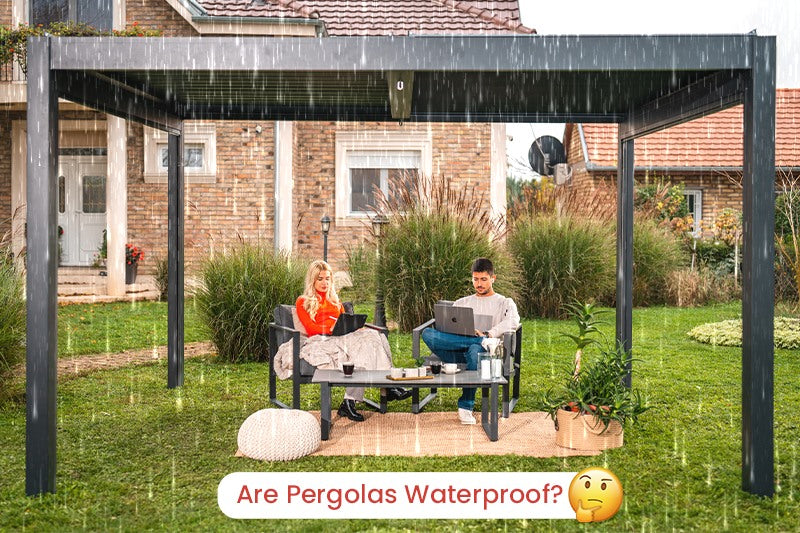
A pergola is primarily designed to provide a partially shaded and open area, usually consisting of vertical posts or pillars that support cross-beams and a durable fabric or lattice roof. While its main purpose is not full protection from rain, it can offer some degree of shelter depending on its design and materials used. Here’s how a pergola can help protect from rain:
Design Features of a Pergola
The basic design of a pergola inherently allows for some protection against light rain. Here are the key features that contribute to this functionality:
- Roof Structure: The slatted design of a pergola allows for rain to fall through the gaps, but can shield from light drizzle.
- Height: Typically tall, pergolas can create a space where rain might not directly reach individuals seated underneath.
- Material Choice: If constructed with waterproof materials or fitted with a rain cover, a pergola can significantly enhance protection.
Use of Additional Weatherproofing Options
To augment the rain protection provided by a pergola, homeowners can incorporate additional elements:
- Canopies: Installing a retractable or fixed canopy can create a waterproof barrier against rain.
- Fabric Covers: Weather-resistant fabrics can be draped over the slats during rain to keep the area dry.
- Polycarbonate Panels: Clear or tinted panels can be attached to make the pergola a fully functional rain shelter.
Types of Pergolas for Rain Protection
Different styles of pergolas cater to varying levels of rain protection:
- Traditional Wooden Pergolas: Typically have slatted roofs but may not provide significant rain cover unless modified.
- Vinyl Pergolas: More resistant to weather, they can be designed with covers for better utility against rain.
- Aluminum Pergolas: Often come with options for integrated roofing solutions that offer excellent rain protection.
Placement and Orientation Considerations
The positioning of a pergola in a yard can also affect its capacity to protect from rain:
- Orientation: Facing a pergola away from the prevailing wind direction can minimize rain exposure.
- Proximity to Structures: Placing it near walls or buildings can serve as a windbreak, reducing direct rain impact.
- Angle of Installation: A slight tilt in the roof can facilitate water runoff, minimizing pooling.
Combining a Pergola with Other Features
A pergola can serve as part of a larger outdoor living area that collectively enhances rain protection:
- Decks or Patios: Combining with solid surfaces can provide an additional layer of shielding from water.
- Outdoor Furniture Choices: Using waterproof furniture can ensure the usability of the space even when it rains.
- Heating Solutions: Adding outdoor heaters can make the area more comfortable when damp, extending its use in inclement weather.
Questions from Our Readers
How can I use a canopy to stop rain coming in the side of a pergola?
To effectively stop rain from coming in the sides of a pergola, you can install a canopy or fabric cover. This solution creates a barrier against the rainfall while still allowing for ventilation. Make sure to select a water-resistant material that is secure enough to withstand wind, ensuring it covers the sides adequately.
Are there particular materials I should use for a side screen on my pergola?
Yes, using waterproof and durable materials is essential for a side screen on your pergola. Consider options like outdoor curtains, polycarbonate panels, or vinyl shades. These materials not only block the rain but also protect against UV rays and provide some privacy.
How effective are sliding panels for preventing rain in a pergola?
Sliding panels can be highly effective in preventing rain from coming in the sides of a pergola. When closed, they create a solid barrier against rain, and they can be opened easily when not needed. Using weather-resistant materials enhances their durability and effectiveness in various weather conditions.
Can I install a rain gutter system to protect my pergola?
Yes, installing a rain gutter system can help divert water away from the pergola's sides. By directing rainwater away, you can significantly reduce the amount of rain that splashes onto the structure. Ensure that the gutters are properly sloped and well-maintained for optimal performance.
See also:

If you want to read more articles like Effective Solutions on How to Stop Rain Coming in the Side of a Pergola?, we recommend you check out our Pergola category.
Leave a Reply
Related Articles