Effective Tips on How to Stop Grasshoppers Eating Plants Australia

Grasshoppers can be a significant threat to gardens and crops in Australia, munching through plants and causing extensive damage. For gardeners and farmers, protecting their green spaces from these voracious pests is crucial. Fortunately, there are effective strategies that can help deter grasshoppers and minimize their impact. This article will explore practical tips and methods to keep grasshoppers at bay, ensuring your plants remain healthy and vibrant. From natural deterrents to environmentally friendly traps, these solutions will empower you to safeguard your gardens and enjoy the beauty of a pest-free environment.
- Effective Strategies to Prevent Grasshoppers from Eating Your Plants in Australia
- How can I get rid of grasshoppers eating my plants?
- Do coffee grounds keep grasshoppers away from plants?
- What scent keeps grasshoppers away?
- How to stop grasshoppers from eating plants naturally in Australia?
- Questions from Our Readers
Effective Strategies to Prevent Grasshoppers from Eating Your Plants in Australia
To effectively combat the issue of grasshoppers eating plants in Australia, it is vital to implement a combination of preventative and control measures. Start by maintaining a healthy garden environment; ensure your plants are strong and well-nourished, as healthy plants are less susceptible to pest damage. Utilize organic repellents, such as neem oil or garlic spray, to deter grasshoppers without harming beneficial insects. Additionally, consider introducing natural predators, like birds or specific types of wasps, which help keep grasshopper populations in check. Employing physical barriers, such as netting or row covers, can greatly reduce grasshopper access to vulnerable plants, while also managing garden weeds that attract these pests.
Understanding Grasshopper Behavior
Grasshoppers are primarily herbivores that feed on a variety of plants, favoring young and tender foliage. They are known for their rapid reproduction rates, especially in warm climates like Australia. Understanding their life cycle can aid in timing your control efforts effectively; during their nymph stage, grasshoppers are particularly destructive. They tend to thrive in areas with plenty of sunshine and sparse ground cover, making it essential to recognize these environments and act proactively to reduce their populations.
Natural Repellents for Grasshoppers
Employing natural repellents can be an eco-friendly way to deter grasshoppers. Sprays made from ingredients such as neem oil, garlic, or cayenne pepper can make plants less appealing to these pests. These substances disrupt their feeding habits and can be applied directly to the foliage. Regular application, especially after rainfall, is crucial for maintaining efficacy. Many gardeners have successfully used these methods, finding them safe for both plants and beneficial insect species.
Introducing Beneficial Predators
Introducing beneficial predators into your garden can be a powerful strategy for controlling grasshopper populations. Birds, for example, consume large quantities of grasshoppers and can be attracted through bird feeders or the planting of bird-friendly shrubs. Additionally, certain parasitic wasps specifically target grasshopper eggs, reducing future populations significantly. Establishing a diverse ecosystem in your garden enhances the chances of these natural enemies thriving and effectively managing grasshopper numbers.
Physical Barriers to Protect Plants
One of the most straightforward methods to protect your plants from grasshopper damage is the use of physical barriers. Row covers or insect netting can shield vulnerable plants from these pests while allowing sunlight and moisture to penetrate. Ensure these barriers are secure and extend to the ground to prevent grasshoppers from finding their way around them. Regularly check for any tears or openings, as these can compromise the effectiveness of the protection.
Effective Garden Maintenance Practices
Maintaining a well-cared-for garden is crucial in reducing grasshopper attraction. Regularly removing weeds and other debris can eliminate hiding spots and breeding grounds for grasshoppers. Additionally, keep your lawn and garden well-watered and fertilized, as healthy plants are less susceptible to pest invasions. Rotating crops seasonally can also disrupt the grasshopper life cycle, making your garden less inviting to these pests.
| Strategy | Description |
|---|---|
| Natural Repellents | Use organic solutions like neem oil and garlic spray. |
| Beneficial Predators | Attract birds and parasitic wasps that eat grasshoppers. |
| Physical Barriers | Implement row covers or insect netting to protect crops. |
| Garden Maintenance | Regularly clear weeds and debris from the garden. |
| Crop Rotation | Change plant locations seasonally to disrupt pest cycles. |
How can I get rid of grasshoppers eating my plants?
:max_bytes(150000):strip_icc()/Control-grasshopper-garden-damage-2656303-V1-297ba974d833428fb34f289d5f6895ed.png)
To get rid of grasshoppers eating your plants, you can implement several effective strategies. Grasshoppers can cause significant damage by feeding on foliage, stems, and flowers. Here's how to manage and control their population around your garden or plants.
Understanding Grasshopper Behavior
Grasshoppers are known for their voracious appetites, especially during warm months. To effectively manage them, it’s essential to understand their life cycle and habits.
- Egg Stage: Grasshoppers lay eggs in clusters in the soil, which can hatch into nymphs during warm weather.
- Nymph Stage: Young grasshoppers molt several times before becoming adults. They are most destructive during this phase.
- Adult Stage: Once mature, they can fly and spread to new plants quickly, increasing the potential for plant damage.
Natural Predators
Attracting natural predators to your garden can significantly reduce grasshopper populations. Birds, spiders, and other insects can help control their numbers.
- Birds: Planting diverse flora can attract insectivorous birds, which will feed on grasshoppers.
- Beneficial Insects: Ladybugs and parasitic wasps may also help in controlling the grasshopper numbers.
- Biodiversity: Encouraging a balanced ecosystem by planting various plants can deter grasshoppers.
Physical Barriers
Using physical barriers can effectively prevent grasshoppers from accessing your plants. These include row covers and nets.
- Row Covers: Lightweight fabric covers can protect young plants from being eaten.
- Netting: Use fine mesh nets around specific plants for added protection.
- Traps: Simple traps can be made with a container and bait to catch grasshoppers nearby.
Homemade Repellents
Creating and applying homemade repellents can deter grasshoppers from munching on your plants. Some common natural ingredients can be effective.
- Hot Pepper Spray: Blend hot peppers with water, strain, and spray on affected plants.
- Garlic Spray: Mix crushed garlic with water to create a potent repellant.
- Soap Spray: A mild soap solution can disrupt their feeding.
Chemical Methods
If natural methods don't sufficiently control the grasshopper population, you may consider chemical methods, but they should be used as a last resort.
See also:
- Insecticides: Use products specifically designed for grasshoppers, following label instructions carefully.
- Application Timing: Apply during the early stages of nymphs for maximum effectiveness.
- Targeted Spraying: Focus on areas with known grasshopper activity to minimize environmental impact.
Do coffee grounds keep grasshoppers away from plants?
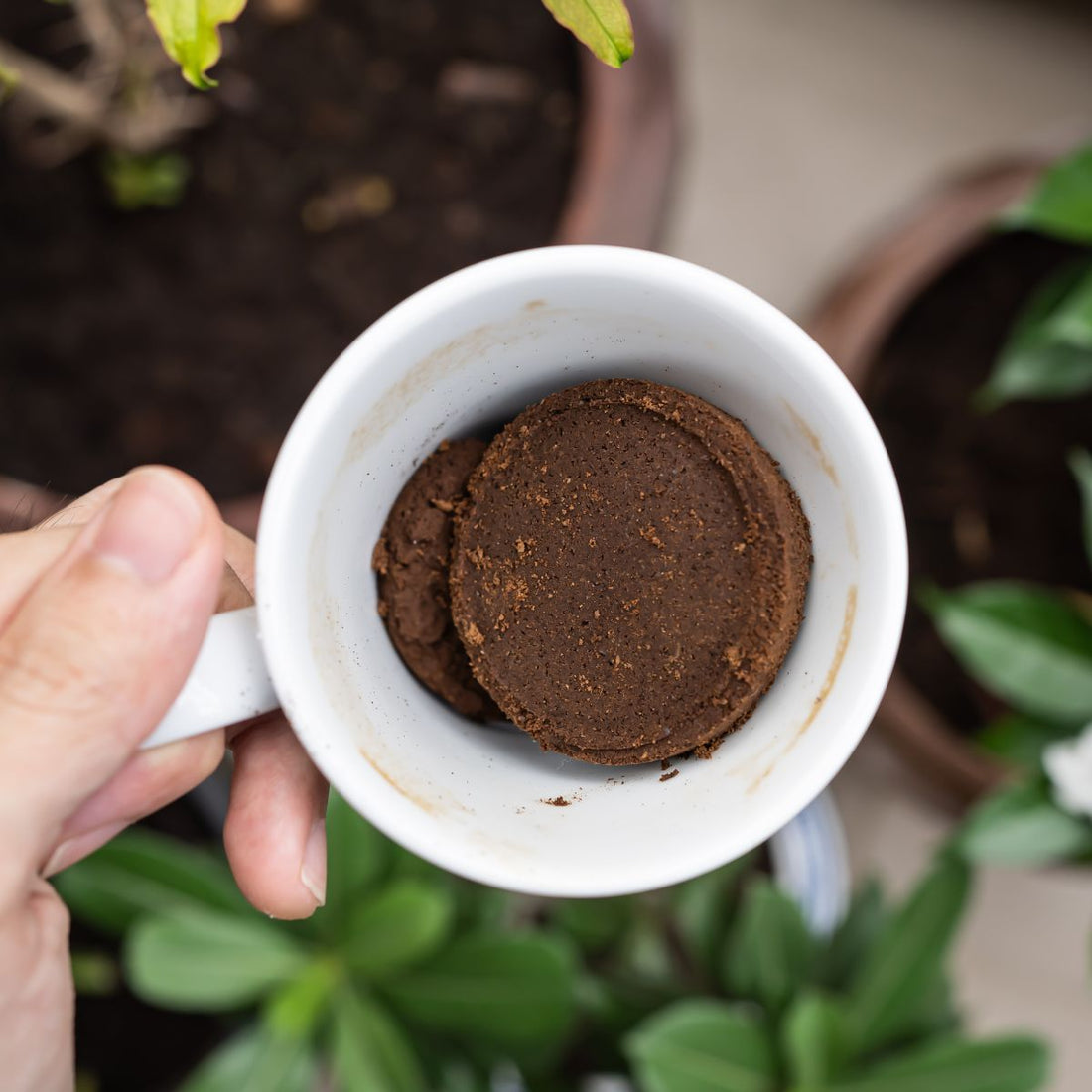
Coffee grounds have gained popularity as a potential natural remedy for garden pests, including grasshoppers. While they are not a guaranteed solution, they may help deter grasshoppers from plants in certain situations. The reasoning behind this is primarily based on the properties of coffee grounds that could be unappealing to these insects.
The strong scent of coffee can be off-putting to some pests. Grasshoppers, like many other insects, rely heavily on their sense of smell to find food and mates. When coffee grounds are sprinkled around the plants, they can create a barrier that inhibits grasshoppers from getting too close. However, it’s essential to note that the effectiveness can vary and is not universally applicable.
Additionally, coffee grounds can attract beneficial insects, which may help to create a more balanced ecosystem in your garden. These beneficial insects may prey on grasshoppers or other harmful pests, further reducing their presence around your plants. However, care should be taken to ensure that the use of coffee grounds does not inadvertently draw more pests.
Ultimately, while coffee grounds may have some repelling effects, relying solely on them for pest control, specifically against grasshoppers, may not be the best strategy. A combination of different pest management techniques could yield better results.
Benefits of Using Coffee Grounds in the Garden
Coffee grounds offer several benefits apart from their potential role in repelling grasshoppers. Some of these include:
- Improving Soil Structure: Coffee grounds can enhance the soil's texture, promoting better drainage and aeration.
- Providing Nutrients: They are rich in nitrogen, which is beneficial for plant growth.
- Attracting Earthworms: Earthworms are attracted to coffee grounds, helping to aerate and enrich the soil.
How to Apply Coffee Grounds in Your Garden
Applying coffee grounds effectively ensures that you maximize their benefits. Here’s how to do it:
- Even Distribution: Spread the coffee grounds evenly around the base of plants to form a barrier.
- Mixing with Soil: Incorporate coffee grounds into the soil to improve its structure and nutrient content.
- Combining with Other Organic Materials: Use coffee grounds alongside compost to enhance the nutrient profile.
Limitations of Coffee Grounds as Pest Control
While coffee grounds have some pest-repelling qualities, they also come with limitations:
- Variable Effectiveness: Their ability to deter grasshoppers may depend on environmental conditions.
- Attracting Other Pests: Coffee grounds can attract different pests, potentially creating additional problems.
- Not a Complete Solution: They should not replace other proven pest control methods.
Alternative Natural Remedies for Grasshopper Control
If coffee grounds do not prove effective, consider these alternatives:
- Plant Deterrents: Plants like basil, mint, and garlic can naturally repel grasshoppers.
- Neem Oil: This natural insecticide can be used to target grasshoppers directly.
- Companion Planting: Introducing plants that attract beneficial insects can help manage grasshopper populations.
Research and Studies on Coffee Grounds and Insect Deterrence
While anecdotal evidence exists, scientific research on the effectiveness of coffee grounds against grasshoppers is limited. Studies indicate:
- Mixed Results: Some experiments show a repelling effect, while others do not.
- Influence of Concentration: Higher concentrations of coffee grounds may have a stronger deterrent effect.
- Research on Other Pests: More extensive studies suggest coffee might be more effective against certain pests than grasshoppers.
What scent keeps grasshoppers away?
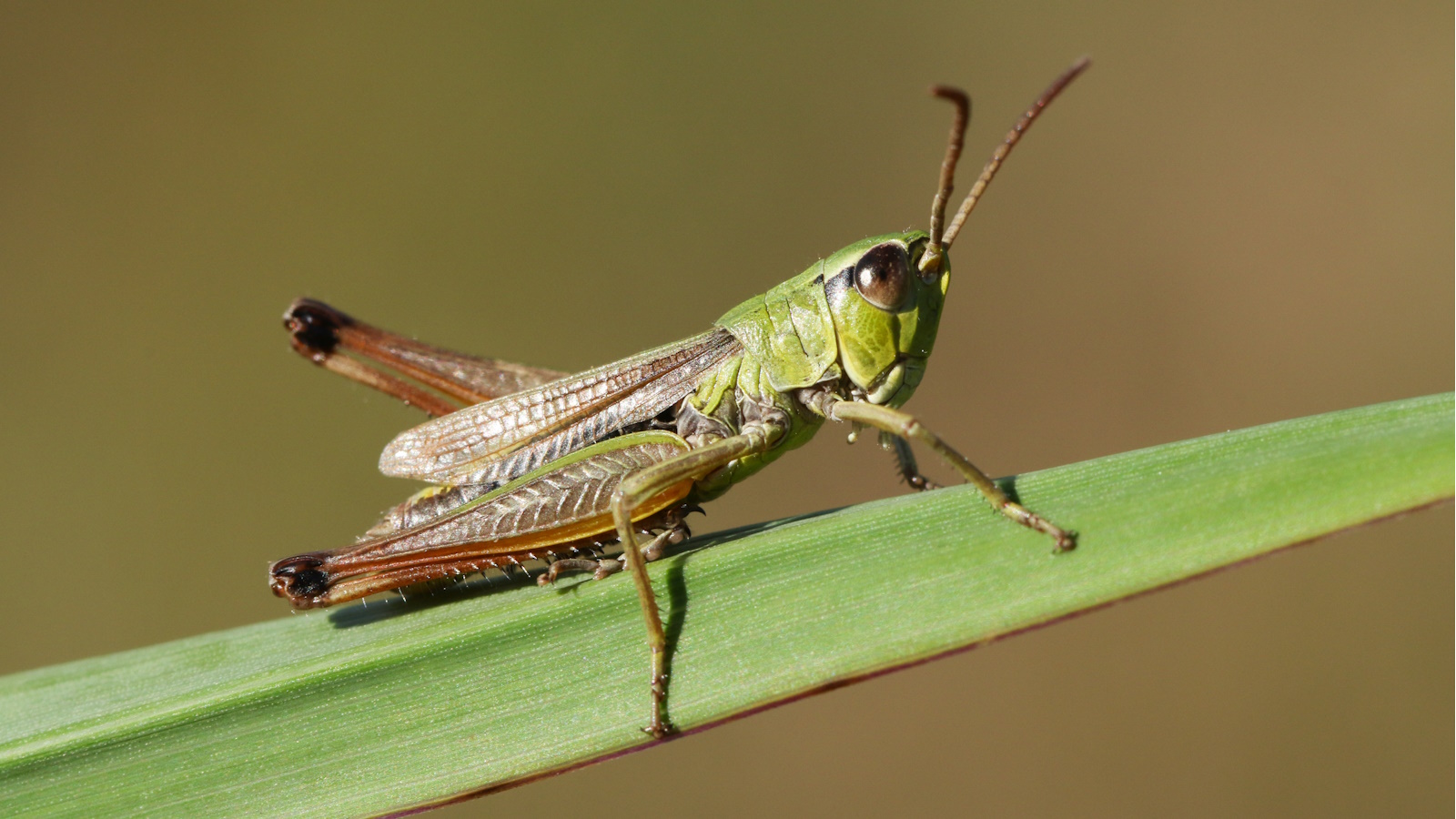
Certain scents can be effective in repelling grasshoppers, which can be problematic for gardens and crops. Grasshoppers are sensitive to certain aromas and volatile compounds, making it possible to use specific scents as a natural deterrent. Essential oils are among the most effective options, specifically those that are known for their pungency and strong odors.
Essential Oils as Repellents
Essential oils are concentrated plant extracts that carry intense scents. Some of the most effective essential oils for repelling grasshoppers include:
- Mint Oil: The strong minty scent can deter grasshoppers.
- Lavender Oil: Known for its pleasing aroma to humans, it is unappealing to grasshoppers.
- Citronella Oil: Commonly used as a mosquito repellent, it also keeps grasshoppers at bay.
Garlic's Natural Repellency
Garlic has long been used as a natural repellent for many pests, including grasshoppers. The strong, pungent odor of garlic is thought to mask the scents that attract these insects. Methods for utilizing garlic include:
See also:
- Garlic Spray: Mixing crushed garlic with water creates a potent spray.
- Planting Garlic: Growing garlic plants around the garden can act as a barrier.
- Garlic Powder: Sprinkling garlic powder in areas of infestation can deter grasshoppers.
Herbs with Strong Scents
Certain herbs possess strong aromas that can naturally repel grasshoppers. Incorporating these herbs into your garden can help maintain a pest-free environment. Notable herbs include:
- Rosemary: Its robust scent is unappealing to grasshoppers.
- Thyme: Another herb that emits a strong fragrance which deters pests.
- Basil: The aromatic qualities of basil can help keep grasshoppers away.
Homemade Repellents
Creating homemade repellents is an effective way to utilize scents to keep grasshoppers away. These mixtures can be easy to prepare and are often made from common household items. A few recipes include:
- Soap and Water Spray: Mixing liquid soap with water can create a repellent spray.
- Cayenne Pepper and Water: Blending cayenne with water can produce a potent homemade repellent.
- Vinegar Solution: A mixture of vinegar with water acts as a deterrent due to its strong smell.
Planting Companion Plants
Companion planting involves growing specific plants together for mutual benefits, including pest control. Certain plants can help repel grasshoppers effectively. Consider the following:
- Nasturtiums: These vibrant flowers are known to deter many pests.
- Marigolds: The scent of marigolds can help repel grasshoppers.
- Penstemon: This flowering plant emits scents that grasshoppers dislike.
How to stop grasshoppers from eating plants naturally in Australia?
:strip_icc()/large-grasshopper-on-leaf-with-damage-77aa75926f6c4f7c9febda0722444723.jpg)
To stop grasshoppers from eating plants naturally in Australia, several effective and environmentally friendly methods can be utilized. Here are some natural strategies that can help deter these pests without relying on harmful chemicals.
Understanding Grasshopper Behavior
Grasshoppers are known for their voracious appetite, particularly in the warmer months. By understanding their behavior, you can take preventive steps to protect your garden. They tend to flock to certain plants and are more active during sunny days.
- Know Your Enemies: Identify the specific types of grasshoppers in your area.
- Peak Activity Times: Monitor when they are most active to strategize your defense.
- Plant Preferences: Recognize which plants attract them the most.
Planting Diversely
Creating a diverse garden can help confuse and deter grasshoppers. By mixing plants up, you're less likely to have a single host that attracts them en masse.
- Companion Planting: Use plants like marigolds and fennel, which can repel grasshoppers.
- Variety in Species: Incorporate a range of vegetables and herbs to create an ecosystem.
- Spacing: Provide enough space between plants to reduce crowding, which attracts pests.
Natural Repellents
Using natural repellents can be a highly effective method for discouraging grasshoppers from feasting on your plants. Certain substances are known to repel them without harming your garden or the environment.
- Garlic Spray: Mix crushed garlic with water and spray on and around your plants.
- Hot Pepper Solution: Combine hot pepper flakes with water to create a spicy deterrent.
- Neem Oil: Use neem oil, a natural pesticide, to disrupt the grasshoppers' feeding behavior.
Encouraging Natural Predators
Promoting the presence of natural predators in your garden can assist in controlling grasshopper populations. Certain animals and insects thrive on grasshoppers.
- Birds: Attract birds by providing feeders and nesting sites; they are natural predatory creatures for grasshoppers.
- Beneficial Insects: Encourage ladybugs and spiders that may help in controlling grasshopper populations.
- Bats: Installing bat houses can attract these nocturnal creatures, which also feed on insects.
Crop Rotation and Timing
Implementing crop rotation and adjusting the planting schedule can significantly reduce grasshopper damage over time. Changing the location of your plants yearly helps disrupt the life cycle of these pests.
- Shift Planting Areas: Introduce different crops in new sections each year.
- Timing Adjustments: Consider planting your crops earlier or later in the season to interfere with grasshopper feeding.
- Seasonal Monitoring: Keep an eye on pest populations and adjust plans accordingly.
Questions from Our Readers
How can I deter grasshoppers from eating my plants in Australia?
To deter grasshoppers, consider using natural repellents such as garlic spray or hot pepper solutions, which can make your plants less appealing to these pests. Additionally, introduce beneficial insects like ladybugs and lacewings that prey on grasshoppers, or employ physical barriers like row covers to protect your plants.
Are there any chemical treatments available for grasshopper control?
Yes, there are chemical insecticides specifically designed for targeting grasshoppers. Products containing pyrethroids or neonicotinoids can be effective. However, it's important to follow the application instructions carefully to minimize risks to non-target species and ensure safe use for your garden.
What time of year are grasshoppers most active in Australia?
Grasshoppers are generally most active during the warm months, typically from spring to early autumn. This increased activity coincides with their breeding cycle, meaning that early intervention can be crucial for protecting your plants during these peak periods.
How do I monitor grasshopper populations in my garden?
To monitor grasshopper populations, regularly inspect your plants and surrounding areas for signs of feeding damage or the presence of adults and nymphs. Setting up traps or simply observing the plant foliage for their characteristic chew marks can also help track their numbers and determine when control measures are needed.
See also:

If you want to read more articles like Effective Tips on How to Stop Grasshoppers Eating Plants Australia, we recommend you check out our Weeds category.
Leave a Reply
Related Articles