How to Secure Trellis to Fence Without Posts? 5 Effective Methods Explained
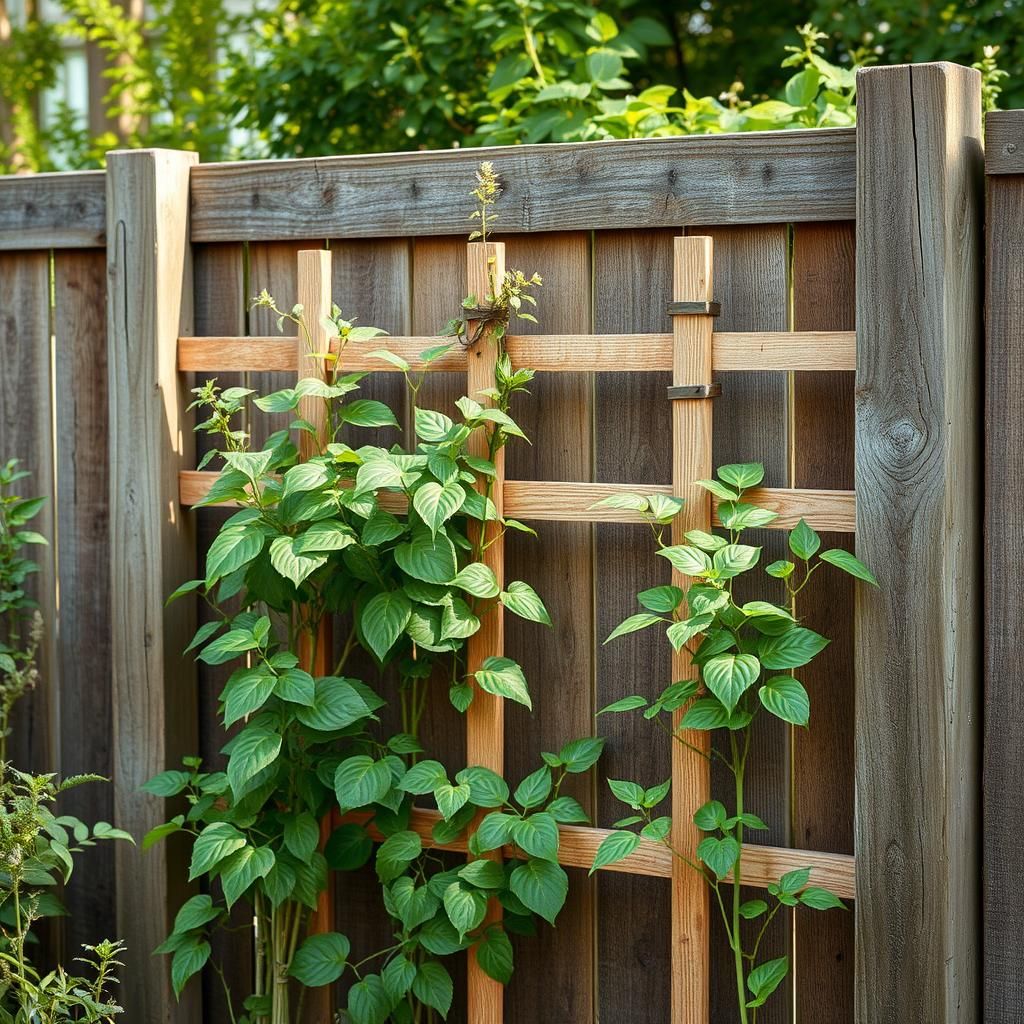
When it comes to enhancing your fence with a trellis, finding ways to secure it without additional posts can be a challenge. Trellises not only add aesthetic appeal but also serve functional purposes such as supporting climbing plants. In this article, we will explore five effective methods to secure a trellis to your existing fence without the need for extra posts. From using brackets and adhesive techniques to innovative mounting solutions, these strategies will help you achieve a stable and beautiful trellis installation. Read on to discover practical tips and tricks for maximizing your outdoor space effortlessly.
How to Secure Trellis to Fence Without Posts?
To securely attach a trellis to a fence without using additional posts, one effective method is by utilizing climbing plants, zip ties, or wire to anchor the trellis directly to the existing fence structure. This approach allows for a seamless connection by ensuring that the trellis is flush against the fence, thereby providing adequate support for any plants that may climb it. Begin by positioning the trellis where you desire it to be fixed against the fence and secure it at the top corners using heavy-duty zip ties or wire, looping them through the trellis and around the fence slats. For added stability, you can repeat this process at the bottom section and along the sides, ensuring the trellis remains firmly in place even under the weight of any flowering or climbing vines.
Using Zip Ties for Stability
Zip ties are an excellent choice for securing a trellis to a fence without the need for posts. Begin by selecting high-quality, weather-resistant zip ties that can withstand outdoor conditions. Place the trellis against the fence and use the zip ties to secure each corner, tightening them enough to hold the trellis firmly but not so tight that they bend or damage the trellis. This method is not only effective but also allows for easy removal or adjustment if needed. Ensure that you check the tension periodically, especially after heavy rains or storms.
Using Wire for a Secure Fit
Utilizing wire is another solid method for securely attaching a trellis to an existing fence. Opt for a sturdy, galvanized wire that has good tensile strength to ensure improved durability. Start by threading the wire through the trellis’s holes or along the edges, wrapping it around the fence slats at both the top and bottom, creating a taut connection that prevents any sway. This technique provides a strong anchoring point, while also allowing flexibility for movement as plants grow. Be sure to use wire cutters to trim any excess wire, keeping things tidy and safe.
Choosing the Right Trellis Material
The material of the trellis you choose can significantly impact how well it can be secured to a fence without posts. Consider lightweight yet durable materials such as vinyl, wood, or metal, which can withstand the rigors of outdoor use. For instance, wooden trellises may require additional treatments to resist rot and insects, while metal trellises should be rust-resistant. The choice of material will determine the ease of installation and the long-term viability of the trellis as a support structure for climbing plants.
Anchoring Techniques for Maximum Support
To ensure that your trellis remains stable, employing effective anchoring techniques is crucial. Utilize multiple fastening points by attaching your trellis at various heights, which can help distribute the weight of climbing plants more evenly. You might also want to incorporate the use of corner brackets or L-braces for enhanced support. This not only prevents the trellis from tilting but also allows for greater resistance against wind and other environmental factors, maintaining its functionality throughout the seasons.
Regular Maintenance and Adjustments
Regular maintenance of both the trellis and the fence is essential to ensure that the secured structure remains intact. Over time, the conditions around the trellis may change—plants grow, weather affects materials, and fasteners can loosen. Periodically inspect the connections to make sure the zip ties or wire are still taut and that the trellis is not loose. If you notice any issues, make the necessary adjustments by tightening or replacing fasteners. This proactive approach will extend the life of your trellis and ensure it continues to support your climbing plants effectively.
| Method | Benefits | Considerations |
|---|---|---|
| Zip Ties | Easy to install and adjust | May degrade over time |
| Wire | Strong support and durable | Requires careful handling |
| Trellis Material | Can be tailored to fit aesthetics | Material selection impacts longevity |
| Anchoring Techniques | Provides maximum stability | More installation time required |
| Regular Maintenance | Ensures long-term functionality | Requires ongoing commitment |
Alternative Techniques for Attaching Trellis to Fence Without Posts
To effectively secure a trellis to a fence without the use of posts, homeowners can consider several innovative methods. One option is to use zip ties, which can easily anchor the trellis to the fence structure, providing a strong yet adjustable connection. This method ensures that the trellis remains stable while offering some flexibility for plant growth. Additionally, using staples or nails can provide a more permanent fix, although care should be taken to avoid damage to the fence material. Another option involves using metal brackets for added support, which can be installed at various points along the fence and provide a more structured attachment. Lastly, utilizing string or wire techniques can help support climbing plants while securing the trellis in place without causing strain on the fence.
Using Zip Ties for Secure Attachment
Zip ties are an excellent solution for attaching a trellis to a fence due to their simplicity and strength. By threading the zip tie through the trellis and around the fence, you create a tight fit that minimizes movement. This method allows for easy adjustments and can also be removed without much trouble when necessary. For best results, select sturdy zip ties that can support not only the trellis but also the weight of any climbing plants.
Staples for a Permanent Fix
Using staples provides a more permanent method for securing a trellis to a fence. Heavy-duty staples can be hammered into the fence through the trellis slats, creating a solid bond that can withstand weather conditions. However, it is important to select suitable staples that are resistant to rust and corrosion to ensure longevity. This method is effective for those looking to create a long-lasting fixture without frequent adjustments.
Employing Metal Brackets for Extra Support
Metal brackets are another viable method to secure a trellis without posts. By attaching brackets to both the trellis and the fence, you can achieve a highly stable structure. This method not only provides support for the trellis but also allows for a clean and professional appearance. Choose brackets that are galvanized or coated to resist rust and blend well with aesthetic preferences.
Using String or Wire for Flexibility
Securing a trellis using string or wire offers a flexible method that can accommodate plant growth. By tying the trellis to the fence using durable string or wire, you create a supportive structure that allows for some movement. This technique is especially useful for delicate plants that may require more gentle support. Make sure to use materials that can withstand exposure to the elements for the best results.
Considering Adhesive Solutions
For a non-intrusive method, adhesive solutions can be employed to attach a trellis to a fence. Specially formulated outdoor adhesives can provide a good bond between the two surfaces, allowing for an easy application without the need for drilling or hammering. This method is particularly beneficial for fences made from vinyl or other materials that may be damaged by traditional fasteners. Be sure to choose an adhesive that is specifically designed for outdoor use to ensure durability.
Questions from Our Readers
What materials are needed to secure a trellis to a fence without posts?
To secure a trellis to a fence without using posts, you will need strong wire or fishing line, staples or screws, and possibly brackets to add extra support. It's essential to choose materials that can withstand outdoor conditions and provide a solid connection between the trellis and the fence.
Can I use adhesive to secure a trellis to my fence?
While adhesives can provide a temporary bond, they are generally not recommended for a trellis installation due to varying weather conditions. It’s better to use mechanical fasteners, such as screws or staples, to ensure a more durable and stable attachment.
How do I ensure the trellis is stable without posts?
To ensure the stability of the trellis without posts, make sure to tighten the wire or line firmly and use multiple attachment points along the fence. Additionally, positioning the trellis against a sturdy fence that can withstand wind and weight will help keep it upright and secure.
What plants are suitable for a trellis mounted on a fence?
When choosing plants for a trellis mounted on a fence, opt for climbing plants such as clematis, jasmine, or climbing roses, which are known for their vining abilities and ability to thrive against a vertical surface. Ensure the plants are compatible with the environmental conditions of your garden for optimal growth.

If you want to read more articles like How to Secure Trellis to Fence Without Posts? 5 Effective Methods Explained, we recommend you check out our Trellis category.
Leave a Reply
Related Articles