How to Remove the Water in the Sprinklers for Winter? - A Step-by-Step Guide

As winter approaches, it's crucial to prepare your sprinkler system to prevent damage from freezing temperatures. One essential task is removing the water from the sprinklers to avoid costly repairs and ensure a smooth operation when spring arrives. This step-by-step guide will walk you through the process of winterizing your sprinkler system, highlighting essential tools and techniques to effectively eliminate water from the pipes, valves, and sprinkler heads. By following these simple instructions, you can safeguard your irrigation system and maintain its longevity, allowing you to enjoy a vibrant lawn and garden once again when warmer weather returns.
How to Remove Water from Sprinklers for Winter
To prevent damage from freezing temperatures during the winter, it's essential to effectively remove water from your sprinkler system. Begin by shutting off the water supply to the irrigation system, which is usually done at the main valve. Once the water supply is off, open the manual drain valves to let gravity assist in draining any remaining water from the pipes. If your system allows, utilize an air compressor to blow out the remaining water, ensuring that all zones are cleared of liquid. It may be beneficial to apply anti-freeze specifically designed for irrigation systems after ensuring they are drained, as an extra precaution against freezing.
Step 1: Shut Off the Water Supply
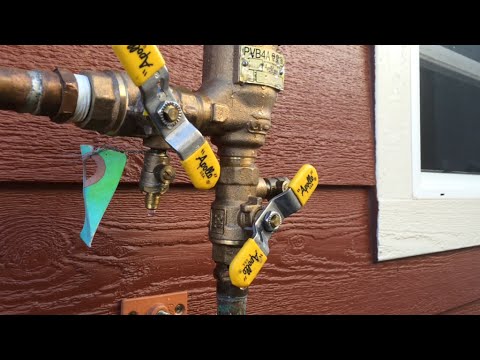
Before beginning the winterization process, it is crucial to shut off the water supply to your sprinkler system. Locate the main valve that controls the water flow to your irrigation setup, and turn it to the off position. This will prevent any new water from entering the system while you work on draining it. Remember to also check for any backflow preventers that need to be turned off to completely isolate the system.
Step 2: Manually Drain the System
After shutting off the water supply, the next step is to manually drain the system. Depending on the setup of your sprinkler system, there may be manual drain valves located at the lowest points in your irrigation layout. Open these valves to allow any remaining water to flow out. For systems without these valves, consider disconnecting the main line and tilting the pipes to facilitate drainage.
Step 3: Use an Air Compressor
For thorough winterization, using an air compressor is an effective method to blow out any residual water in the system. Connect the air compressor to the blow-out port of your sprinkler system, and set the compressor to a low PSI setting to avoid damaging any components. Activate each zone individually while monitoring for water expulsion, ensuring that all parts of the system are adequately cleared of water.
See also:
Step 4: Apply Anti-Freeze (Optional)
To further protect your system, you may consider applying a special irrigation anti-freeze after fully draining the pipes. This type of anti-freeze is non-toxic and designed for use in irrigation systems. After ensuring that all zones are drained, introduce the anti-freeze into the system through the blow-out port or as per the manufacturer's instructions. This can provide added protection against any sporadic moisture that might remain.
Step 5: Insulate Exposed Components
Finally, don’t forget to insulate any exposed components of your irrigation system, such as pipes and valves, that could be susceptible to freezing temperatures. Using foam insulation or heat tape can help protect these areas from the cold. Regularly inspecting these areas throughout the winter can prevent any unexpected damage when spring arrives.
| Step | Action |
|---|---|
| 1 | Shut off the water supply |
| 2 | Manually drain the system |
| 3 | Use an air compressor |
| 4 | Apply anti-freeze (optional) |
| 5 | Insulate exposed components |
Essential Tools Needed for Winterizing Your Sprinkler System
To effectively remove the water from your sprinklers for winter, it's crucial to gather the right tools before you start. The primary equipment you'll want to have includes an air compressor, which is essential for blowing out the water from the pipes, a set of wrenches for disconnecting any components if necessary, and a screwdriver for accessing various parts of the irrigation system. Additionally, a drainage hose can be beneficial if your system has manual drain valves, allowing for quick water removal. With the right tools in hand, you will ensure a smooth process to protect your sprinkler system during the harsh winter months.
Understanding Your Sprinkler System
Before you can properly winterize your sprinkler system, it's important to fully understand its configuration and components. Most systems consist of main lines, valves, and sprinkler heads. Identifying these parts will help you locate the areas where water may be trapped and ensure you're not missing any crucial steps during the winterization process.
Steps to Drain the System Manually
Manually draining your system involves several key steps. First, locate the manual drain valves to allow water to flow out of the system. Open these valves and let gravity do its work, ensuring that all stagnant water is successfully emptied from the pipes. Additionally, it’s essential to check each sprinkler head as well, since trapped water can lead to significant damage during freezing temperatures.
See also:
Using an Air Compressor for Blowout
One of the most effective methods to remove water from your sprinklers is by using an air compressor. Start by connecting the compressor to the blow-out port of your irrigation system. Slowly introduce air into the pipes, monitoring each zone as you go. This process effectively forces any remaining water out of the system, preventing potential freeze damage. Make sure to use a pressure regulator to avoid damaging your pipes with excessive air pressure.
Checking for Remaining Water in the System
After you believe you have removed all the water, it's critical to perform a final inspection to ensure no water remains in the system. This can involve checking valves, heads, and any low points in the piping where water could settle. By thoroughly checking each part of your system, you can prevent ice from forming and causing damage over the winter months.
Post-Winterization Care
Once your sprinkler system is winterized, consider a few post-care tips to ensure longevity. It’s wise to cover exposed pipes and sprinkler heads with insulation to protect them from extreme cold. Additionally, if your system has any above-ground components, make sure they are stored indoors or covered adequately so that they stay protected until spring's arrival. Regularly checking on your system during winter can also help identify any potential issues early on.
Questions from Our Readers
What is the best method to remove water from sprinklers for winter?
To effectively remove water from your sprinkler system for winter, the most recommended method is to blow out the lines using an air compressor. This process involves connecting the compressor to the appropriate valve and releasing air to push any remaining water out of the pipes, preventing freeze damage.
How do I know if my sprinklers are properly drained?
You can determine if your sprinklers are properly drained by checking for stagnant water in the system after you have blown out the lines. Additionally, you can observe the water flow; if there’s no water coming out when you run the system briefly, it is likely drained correctly.
See also:
Can I remove water from sprinklers without a professional?
Yes, you can remove water from your sprinklers without professional help, as long as you have access to the necessary tools such as an air compressor and follow proper instructions. It’s important to be cautious and ensure that all components are correctly handled to avoid any damage.
When is the best time to winterize my sprinkler system?
The best time to winterize your sprinkler system is typically in late fall, before temperatures consistently drop below freezing. This lessens the risk of frozen pipes and ensures your system is protected during the cold months.
If you want to read more articles like How to Remove the Water in the Sprinklers for Winter? - A Step-by-Step Guide, we recommend you check out our Irrigation category.
Leave a Reply
Related Articles