The Ultimate Guide on How to Prepare Soil for a Raised Garden Bed
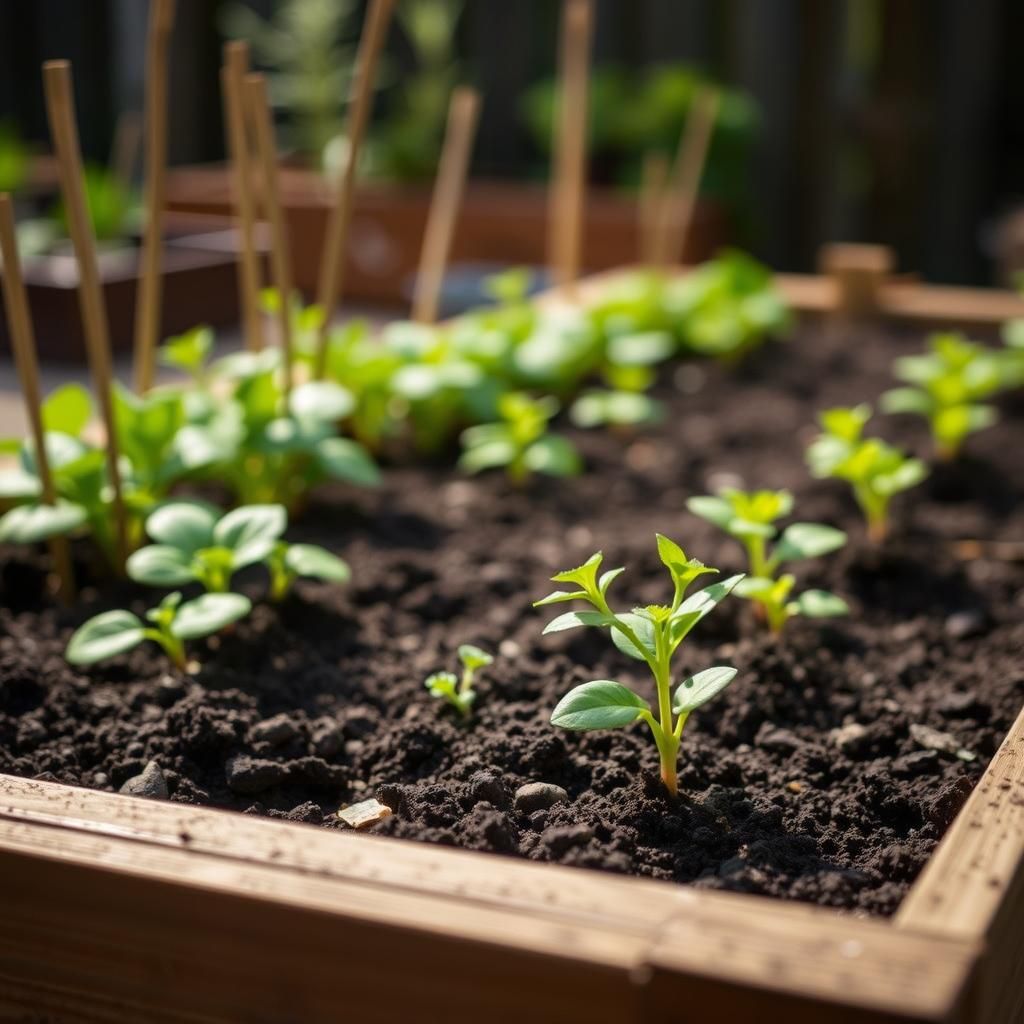
Preparing the right soil for a raised garden bed is crucial for the success of your plants. Healthy, nutrient-rich soil not only supports plant growth but also ensures optimal drainage and aeration. This ultimate guide will walk you through the essential steps to prepare your soil, from selecting the best materials to understanding soil composition. Whether you're a seasoned gardener or just starting out, creating the perfect soil mix will set the foundation for a thriving garden. Join us as we explore techniques, tips, and tricks to cultivate a flourishing raised garden bed, helping you grow healthy plants year-round.
How to Prepare Soil for a Raised Garden Bed
Preparing soil for a raised garden bed is crucial for ensuring healthy plant growth and maximizing crop yield. Start by selecting a suitable location that receives ample sunlight and has good drainage. Once you have designated the area, remove any existing grass, weeds, or debris, and ensure the bed is structurally sound. It is advisable to mix a balance of nutrients into the soil by incorporating a combination of topsoil, compost, and other organic matter such as well-rotted manure or worm castings. Aim for a soil mix that is rich in organic matter, well-draining, and retains moisture. Conducting a soil test can also provide valuable information on pH and nutrient levels, allowing you to make necessary amendments for optimal plant health.
Select the Right Location
Choosing the right location for your raised garden bed is vital for plant success. Ideally, it should be placed in an area that receives at least 6 hours of direct sunlight daily. Consider accessibility for watering and harvesting, and ensure the site has good drainage to prevent waterlogging. Take note of trees or structures that may cast shade or disturb plant growth throughout the day, and try to position your bed away from such obstacles to optimize sunlight exposure.
Remove Existing Vegetation
Before installing your raised garden bed, it's essential to clear the area of any existing vegetation, including grass, weeds, and debris. This step helps to prevent unwanted plants from competing for nutrients and resources. You can effectively remove vegetation by manually pulling it out, using a garden hoe, or layering cardboard and mulch if you prefer a more eco-friendly approach. Be thorough in this task to minimize the chances of regrowth.
Choose Your Soil Mix
The quality of the soil mix you choose for your raised bed can significantly impact plant growth. A recommended mix includes 40% topsoil, 40% compost, and 20% other organic matter, such as peat moss or coconut coir. This combination not only provides a balanced nutrient profile but also ensures good drainage and moisture retention. Customizing the soil mix according to the specific needs of your plants can lead to more fruitful and robust crops in your raised garden bed.
Enhance Soil Fertility
Enhancing soil fertility is crucial for a productive raised garden bed. This can be achieved by adding organic fertilizers or treatments such as bone meal, blood meal, or fish emulsion, which supply essential nutrients like nitrogen, phosphorus, and potassium. Additionally, incorporating microbial inoculants can improve soil health by promoting beneficial microorganisms that enhance nutrient uptake. Regularly adding compost throughout the growing season will also help maintain fertility levels.
Conduct a Soil Test
Conducting a soil test prior to planting is an excellent way to understand the existing nutrient levels and pH of your soil. This test can identify any nutrient deficiencies or imbalances that you may need to rectify before planting. Most local extension services offer affordable soil testing services, and once you receive the results, you can amend your soil accordingly—adding lime to raise pH or sulfur to lower it, for instance—to create the best conditions for your plants to thrive.
| Soil Component | Percentage | Benefits |
|---|---|---|
| Topsoil | 40% | Base for nutrients and minerals |
| Compost | 40% | Improves soil structure and fertility |
| Organic Matter | 20% | Enhances moisture retention and aeration |
How do you prepare soil for raised garden beds?
To effectively prepare soil for raised garden beds, follow these essential steps to ensure a healthy growing environment for your plants.
Understanding Soil Types
Soil composition plays a crucial role in plant health. Different soil types have various properties affecting drainage, nutrient retention, and overall fertility. Here are some common types of soil to consider:
See also:
- Sandy soil: Drains quickly but may lack nutrients.
- Clay soil: Rich in nutrients but can hold too much water, leading to root rot.
- Silty soil: Retains moisture well and is nutrient-rich, ideal for most plants.
Selecting the Right Ingredients
Choosing the right ingredients for your raised bed soil mix is vital for a successful garden. A balanced mixture promotes healthy plant growth. Consider these components:
- Topsoil: Forms the base and provides essential nutrients.
- Compost: Enhances soil fertility and structure, improving drainage and aeration.
- Pearlite or Vermiculite: Add to improve aeration and drainage, preventing soil compaction.
Mixing Your Soil
Once you have selected the ingredients, it’s time to create a balanced soil mixture. Proper mixing ensures that nutrients are evenly distributed throughout the soil. Here’s how to mix:
- Ratio: A common mix is 1/3 topsoil, 1/3 compost, and 1/3 aerating material like perlite.
- Tools: Use a shovel or a garden fork to combine the ingredients thoroughly in a large container or directly in the bed.
- Testing: Check the moisture level and adjust by adding more compost or aerating materials as needed.
Checking pH Levels
The pH level of your soil can significantly impact nutrient availability. Testing the pH helps you understand if adjustments are necessary. Follow these steps for pH testing:
- Testing kits: Use soil pH test kits available at garden centers or online.
- Adjustments: If pH is too low, add lime; if too high, sulfur may be needed to lower it.
- Ideal range: Most garden plants thrive in soil with a pH between 6.0 and 7.0.
Filling the Raised Bed
After preparing your soil mixture, fill your raised garden bed efficiently. Proper filling methods help maintain soil structure and fertility. Here’s how to fill:
- Layering: Fill the bed with your mixed soil, leaving a few inches at the top for settling.
- Compact gently: Lightly tamp down the soil without over-compressing it to maintain aeration.
- Watering: Water the filled bed to help the soil settle and identify areas that may need more soil.
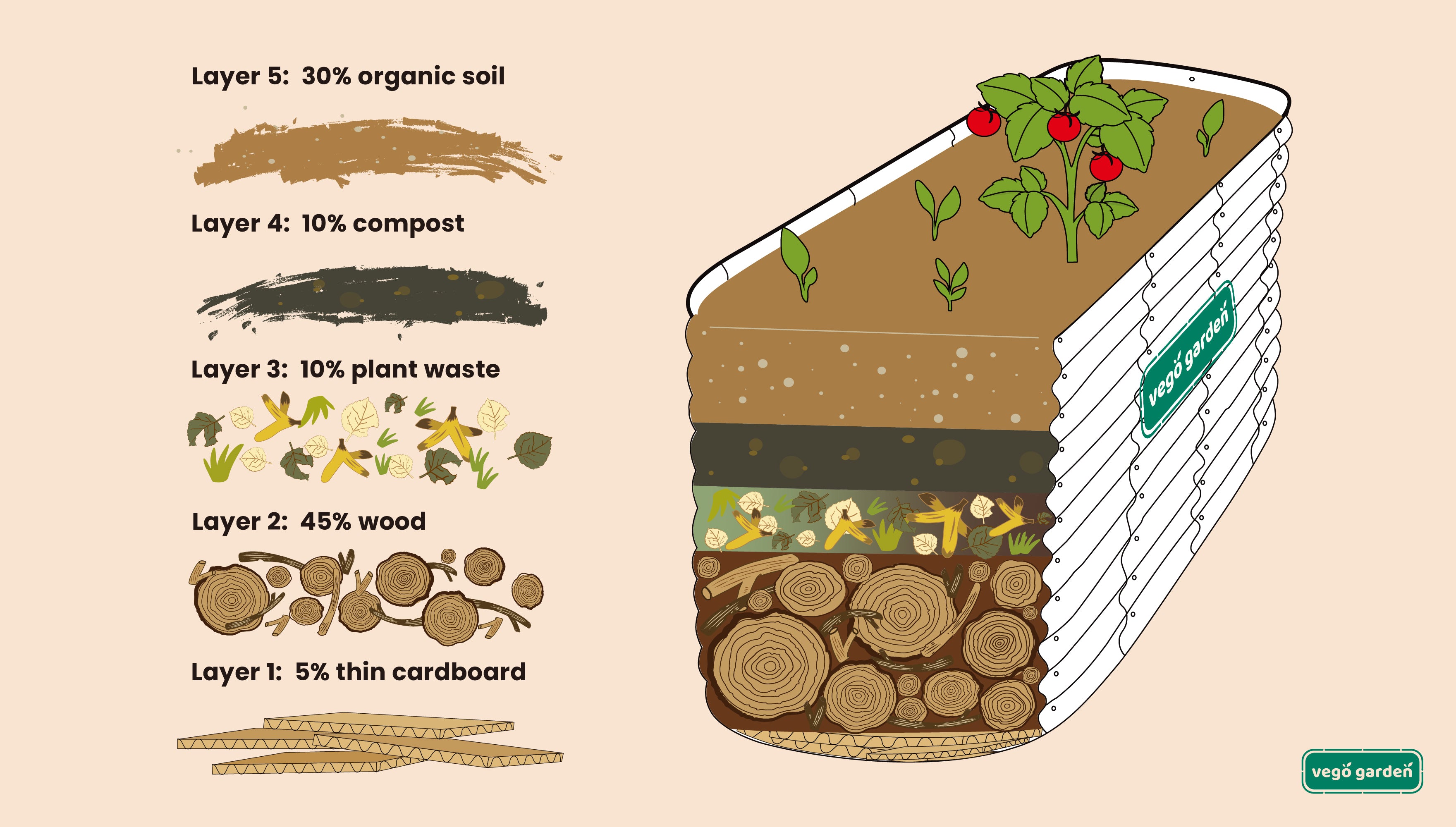
What do you put in the bottom of a raised garden bed?
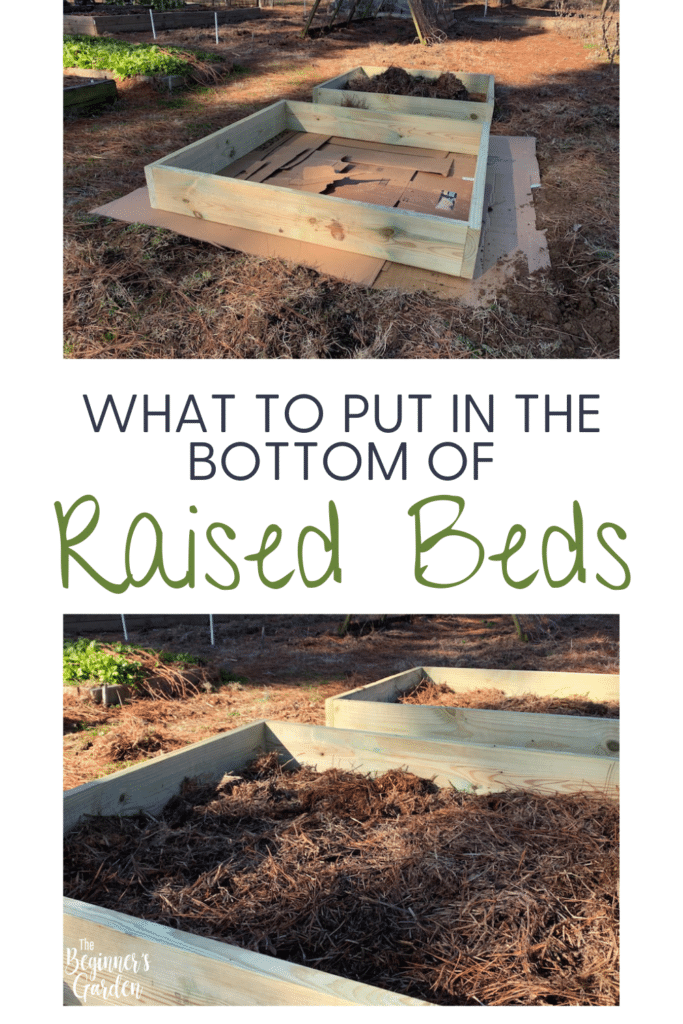
The bottom of a raised garden bed can significantly impact the health and vitality of the plants you intend to grow. What you choose to put in the bottom depends on various factors, including the type of plants, soil drainage, and the existing ground conditions. Here are several materials and techniques you might consider.
Organic Matter
Adding organic matter at the base of your raised garden bed can improve soil structure and fertility. This can include plant debris, grass clippings, or shredded leaves.
- Compost: Decomposed organic waste that provides essential nutrients.
- Mulch: Helps retain moisture and suppress weeds while adding nutrients as it breaks down.
- Straw or Hay: These materials decompose over time, enriching the soil with organic matter.
Drainage Materials
Proper drainage is crucial to prevent waterlogging, which can harm root systems. Adding drainage materials can enhance the longevity of your plants.
- Gravel: Allows excess water to flow away from the bed efficiently.
- Rock Chips: Similar to gravel, providing effective drainage while keeping the soil aerated.
- Sand: A mixture of sand can improve drainage, especially in heavy clay soils.
Weed Barrier
Using a weed barrier at the bottom of your raised garden bed can reduce the competition from unwanted plants. This can be essential for maintaining a healthy garden.
- Landscape Fabric: This permeable fabric allows water and nutrients to pass through while blocking weeds.
- Cardboard: A biodegradable option that smothers existing weeds while adding organic matter as it decomposes.
- Newspapers: Similar to cardboard, this option is effective for weed control and decomposes over time.
Soil Layers
Creating layers of different soil types within your raised bed can optimize soil health and plant growth. Different layers provide various nutrients and improve water retention.
See also:
- Topsoil: The uppermost layer, rich in nutrients, should comprise the majority of your raised bed.
- Subsoil: This denser layer can be placed beneath the topsoil to help with drainage and support.
- Soil Amendments: Mixing in materials like vermiculite or perlite can help aerate and retain moisture in the soil.
Natural Materials for Habitat
Incorporating natural materials can promote biodiversity and create a healthier environment for your garden. These additions can also support beneficial organisms.
- Sawdust: Provides carbon source for soil microbes but should be used sparingly to avoid nitrogen depletion.
- Wood Chips: Enhances soil structure as they break down and provide habitat for beneficial insects.
- Branches and Twigs: Create air pockets and improve drainage, while decomposing over time to enrich the soil.
How do you prepare ground under raised garden beds?

To prepare the ground under raised garden beds, a series of steps should be followed to ensure a healthy environment for your plants. Proper preparation of the ground can prevent weed growth, improve soil drainage, and promote root health. Here’s a detailed guide to help you through the process.
Assessing the Ground Quality
Before you start preparing the ground, it’s essential to evaluate the quality of the soil you’re working with. If you’re unsure about the soil conditions, consider the following steps:
- Soil Testing: Conduct a soil test to determine pH levels and nutrient content.
- Texture Analysis: Check if the soil is sandy, loamy, or clay-heavy, which impacts drainage and nutrient retention.
- Contamination Check: Inspect for any signs of contamination, especially in urban areas (e.g., heavy metals or pollutants).
Weed Control
Before placing your raised garden bed, it is crucial to eliminate any existing weeds that may interfere with your plants. Effective weed control can be achieved through:
- Manual Removal: Pull out any visible weeds by hand, ensuring you remove the roots.
- Mulching: Apply a layer of mulch or cardboard to smother remaining weeds.
- Herbicide Application: If necessary, consider using an organic herbicide, following the manufacturer’s instructions for optimal safety and effectiveness.
Ground Leveling
Leveling the ground is an important step in preparing for raised garden beds, as it ensures proper drainage and stability. Here are ways to achieve level ground:
- Clearing Debris: Remove grass, stones, and any vegetation in the designated area.
- Using a Rake: Use a rake to smooth out the soil and ensure an even surface.
- Checking Levels: Use a level or string line to confirm that the ground is even across the entire area.
Soil Enrichment
Improving the soil quality beneath your raised garden beds is essential for plant health. Here’s how to enrich the soil:
- Add Organic Matter: Incorporate compost or well-rotted manure to enhance nutrient availability.
- Mineral Amendments: Depending on soil tests, consider adding minerals like lime or gypsum to improve pH and soil structure.
- Soil Aeration: Turn over the soil with a shovel or garden fork to promote air circulation and root growth.
Installing a Barrier
To prevent pests and weeds from infiltrating your raised garden beds, consider installing a physical barrier. The following methods are effective:
- Landscaping Fabric: Lay down landscaping fabric to reduce weed growth while allowing water to penetrate.
- Wire Mesh: Use wire mesh or hardware cloth at the bottom of the beds to deter burrowing pests.
- Wooden or Stone Borders: Construct a border around the bed to keep soil in place and define the gardening area.
Questions from Our Readers
What type of soil is best for a raised garden bed?
To ensure optimal growth for your plants, it's recommended to use a mixture of high-quality soil, such as garden soil, compost, and potting mix. This blend improves drainage and provides essential nutrients for your plants.
How deep should the soil be in a raised garden bed?
A raised garden bed should ideally have a soil depth of at least 12 inches, but 18 inches is preferable for root development. This depth allows for better water retention and gives roots ample space to grow.
See also:
Should I amend my existing soil before filling the raised bed?
Yes, amending your existing soil is beneficial. You can enhance its quality by mixing in organic matter, such as compost or well-rotted manure, which will improve texture and nutrient content for your plants.
How do I prepare the soil for planting in my raised garden bed?
To prepare soil for planting, you'll want to loosen the soil by mixing it thoroughly, ensuring a balanced ratio of components like compost and garden soil. Additionally, test the pH level and incorporate any necessary fertilizers to create an optimal environment for plant growth.

If you want to read more articles like The Ultimate Guide on How to Prepare Soil for a Raised Garden Bed, we recommend you check out our Soil category.
Leave a Reply
Related Articles