Ultimate Guide: How to Grow a Blueberry Bush from a Blueberry at Home

Growing a blueberry bush from a berry at home is a rewarding and delightful gardening project. Not only do blueberries offer delicious and nutritious fruit, but cultivating them from seed presents a unique challenge for gardeners of all skill levels. In this ultimate guide, we will walk you through the step-by-step process of planting a blueberry bush using a simple blueberry. You’ll learn about the necessary materials, optimal growing conditions, and essential care tips to help your plant thrive. Get ready to enjoy the satisfaction of growing your own blueberries right in your backyard!
How to Grow a Blueberry Bush from a Blueberry
To successfully grow a blueberry bush from a single blueberry, start by selecting a ripe and healthy berry, as this will ensure better germination rates. Remove the seeds from the blueberry by rinsing them in water and letting the pulp break down, which can take a few days. Once clean, dry the seeds gently and plant them in a seed-starting mix in shallow trays or pots, ensuring they are placed about half an inch deep. Maintain consistent moisture and provide warmth for germination, which typically takes several weeks. Once seedlings reach a few inches tall and develop several leaves, transplant them into a larger pot or directly into the garden, ideally in acidic soil rich in organic matter, and ensure they receive plenty of sunlight and regular care.
Choosing the Right Blueberry
When selecting a blueberry to grow, it is crucial to choose a healthy and fully ripe blueberry, preferably from a variety known for robust growth and good fruit production. The ripeness ensures that the seeds are fully developed and viable for germination. Additionally, opting for organic blueberries can reduce the risk of introducing pesticides or herbicides into your garden, promoting healthier plants.
Preparing the Seeds
To prepare the seeds, start by thoroughly washing the blueberries to separate the seeds from the pulp. Place the berries in a bowl of water and let them soak, which helps break down the fruit's material. Once this is done, meticulously strain the seeds and let them dry on a paper towel. Drying is essential as it prevents mold growth and prepares the seeds for planting. Ideally, let the seeds sit in a cool, dry place for a few days before planting them in soil.
Planting Process
For the planting process, use a seed-starting mix that is light and well-draining, as blueberries prefer acidic soil. Fill your trays or pots with the mix and plant the seeds at a depth of about half an inch. Water the soil gently to ensure it is moist but not waterlogged, and cover the trays with a clear plastic lid or plastic wrap to create a greenhouse effect, which retains moisture and warmth. Position the trays in a warm location with indirect sunlight to encourage germination.
Transplanting the Seedlings
Once your seedlings appear and grow several inches high, it’s time to transplant them into larger pots or directly into the garden. If planting outdoors, choose a location with plenty of sunlight and well-drained, acidic soil. Before transplanting, harden off your seedlings by gradually exposing them to outdoor conditions over a week. When transplanting, ensure to space them at least 3 to 4 feet apart to allow for their future growth and fruiting.
Care and Maintenance
Caring for your blueberry bush is vital for its growth and productivity. Ensure the plants receive adequate water, especially during dry spells, but avoiding waterlogging is essential. Regularly check the soil's pH and aim for an acidic range, typically between 4.5 and 5.5, and consider applying an acidic fertilizer during the growing season. Pruning will also help maintain plant shape and productivity, especially when the bushes mature.
| Task | Details | Frequency |
|---|---|---|
| Watering | Keep soil moist but not soggy. | Weekly, or as needed |
| Fertilization | Use acidic fertilizers. | Every 6-8 weeks during growing season |
| Pruning | Remove dead or weak branches. | Annually, in late winter |
| Checking pH | Test soil acidity levels. | Every few months |
| Harvesting | Pick ripe blueberries. | Once fruit appears, as needed |
Can you grow a blueberry bush from blueberries?
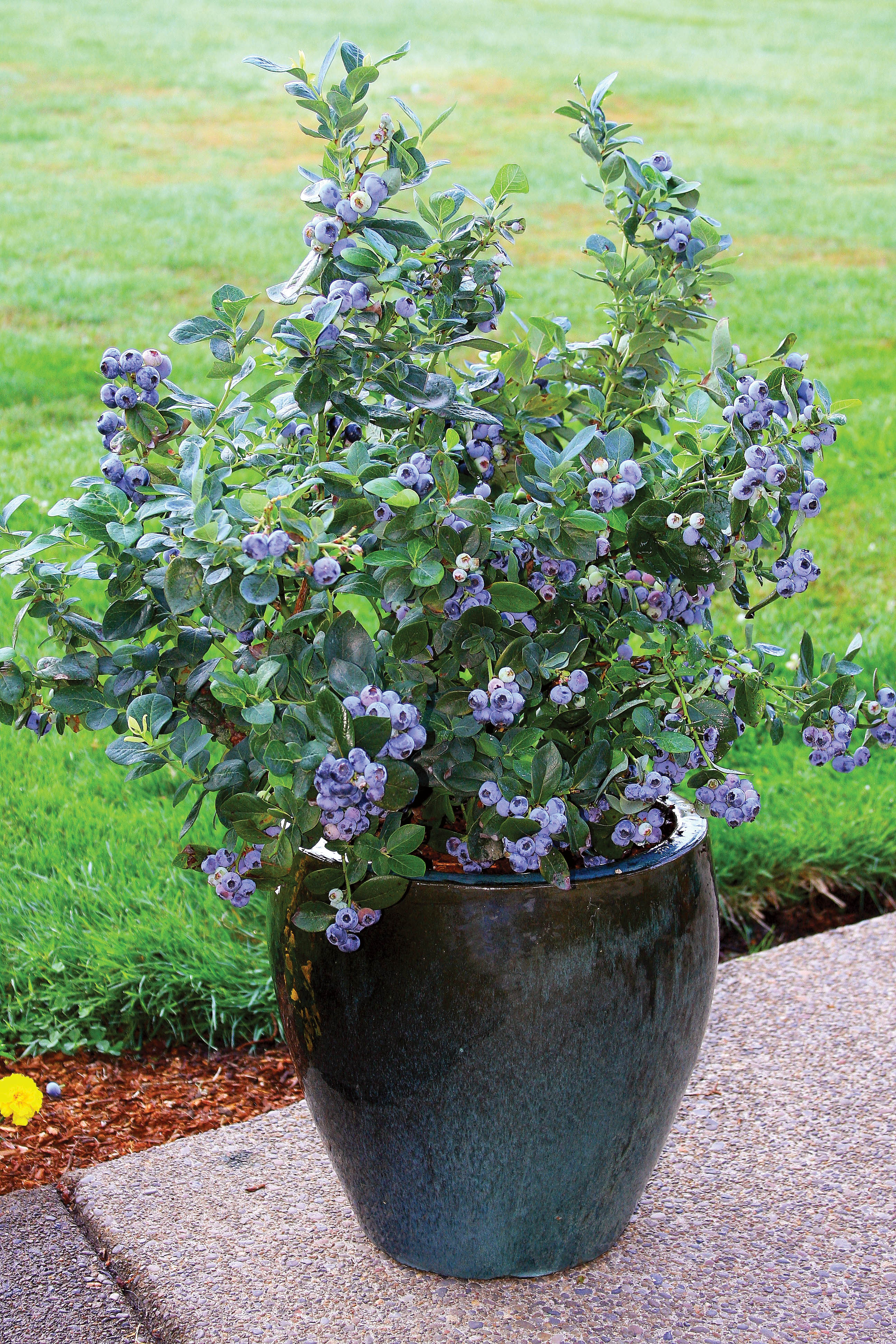
You cannot grow a blueberry bush directly from blueberries because the seeds inside the fruit are unlikely to germinate under typical conditions. When you consume a blueberry, the seeds are often not mature enough to sprout, and the process of digestion may further inhibit their ability to grow. However, it is possible to propagate blueberry bushes through different methods such as seeds, cuttings, or purchasing young plants from a nursery.
Understanding Blueberry Seeds
The first step to growing a blueberry bush from seeds is to understand the nature of blueberry seeds. Blueberries contain small seeds within their pulp, but these seeds often require specific conditions for successful germination.
See also:
- The seeds need to be properly extracted and cleaned from the fruit.
- They require a period of cold stratification, mimicking winter conditions to prepare them for germination.
- Seeds need to be sown in well-draining soil to prevent rot.
Alternative Propagation Methods
While growing directly from seeds can be challenging, alternative methods are often more successful. Propagating blueberry bushes can simplify the process significantly.
- Cuttings: Taking a healthy cutting from an existing bush can yield new plants.
- Layering: Bending a low branch to the ground can help it root while still attached to the parent plant.
- Purchasing young plants: This is the most straightforward option for beginners who want a guarantee of success.
Optimal Growing Conditions
To successfully grow blueberry bushes, it is essential to provide the right growing conditions. Blueberries thrive in specific environments that support their growth and fruit production.
- They prefer acidic soils with a pH between 4.5 and 5.5.
- Blueberries require full sun for at least six hours a day for optimal fruit yield.
- They need consistent moisture but well-drained soil to avoid waterlogging.
Caring for Blueberry Bushes
Once established, providing proper care for blueberry bushes is essential for their development. Regular attention will help ensure a fruitful harvest.
- Watering: Deep watering is critical, especially during dry spells.
- Fertilization: Using an appropriate fertilizer for acidic plants will support healthy growth.
- Pruning: Regular pruning helps promote fruit production and maintains bush health.
Pest and Disease Management
Preventing pests and diseases is crucial for maintaining healthy blueberry plants. Understanding common issues can help you keep your bushes thriving.
- Birds: They love blueberries; using netting can protect your fruit from their appetite.
- Fungal diseases: Good air circulation and proper watering habits can mitigate these risks.
- Pests: Regular inspection for pests like aphids or spider mites allows for early treatment.
Do you need to dry blueberry seeds before planting?

When it comes to planting blueberry seeds, the question of whether or not to dry them before planting is significant. In general, it is not necessary to dry blueberry seeds before planting them. Blueberry seeds can be planted directly after extraction from the fruit, but proper preparation is crucial for successful germination.
Understanding Blueberry Seed Germination
The germination process for blueberry seeds is quite specific and involves several factors:
- The seeds require a moist environment to sprout effectively.
- They benefit from cold stratification, simulating winter conditions that trigger germination.
- Directly planting fresh seeds can improve the chances of successful growth compared to dried seeds.
Benefits of Fresh Blueberry Seeds
Using fresh seeds directly from the blueberry fruit has several benefits:
- Fresh seeds retain viability, which can decline if dried unnecessarily.
- They come with natural nourishment from the fruit, providing initial support for young plants.
- There is less risk of disease that may occur with improperly dried seeds.
The Importance of Stratification
Cold stratification is essential for blueberry seeds. Here’s why:
- Stratification mimics natural seasonal changes, allowing seeds to understand when it is time to grow.
- It helps break the dormancy period, facilitating faster and more uniform germination.
- Seeds that undergo stratification have a higher chance of producing healthy seedlings.
Techniques to Prepare Blueberry Seeds
If you choose to extract seeds, employing the right preparation techniques can enhance success:
See also:
- Extract seeds from ripe fruit and rinse them thoroughly to remove any pulp.
- Consider a short period of drying if seeds appear moist, but don’t completely dry them out.
- Place seeds in a moist medium and refrigerate for a period of 4-8 weeks for effective stratification.
Best Practices for Planting Blueberry Seeds
To ensure the best results when planting blueberry seeds, adhere to the following practices:
- Use a well-drained potting mix suitable for acid-loving plants.
- Plant seeds at a shallow depth, ensuring they receive enough light while germinating.
- Maintain consistent moisture but avoid overwatering to prevent rot.
Can blueberry bushes be grown from cuttings?
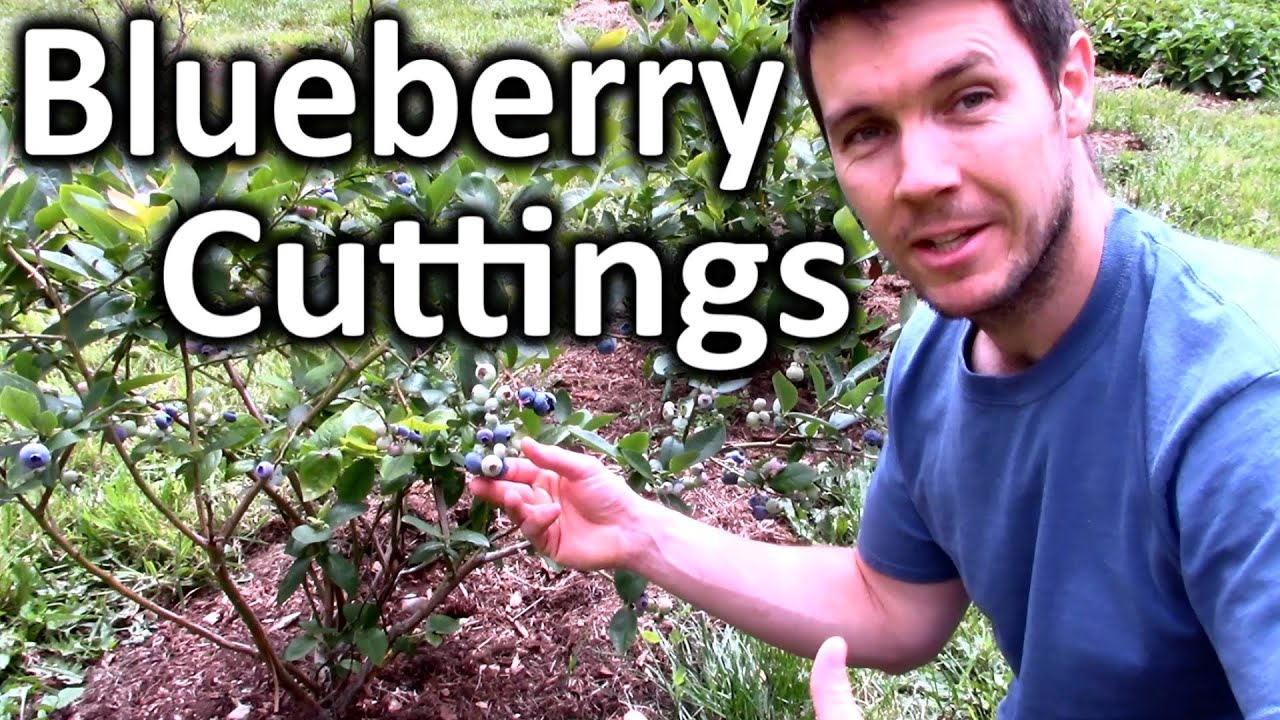
Yes, blueberry bushes can be grown from cuttings. This method of propagation is quite popular among gardeners looking to expand their blueberry cultivation without purchasing new plants. The process involves taking a healthy cutting from an existing blueberry bush and placing it in suitable conditions to encourage root development.
Understanding Blueberry Cuttings
Blueberry cuttings can be categorized into two types: semi-hardwood and softwood cuttings. Both types can be successful, but semi-hardwood cuttings taken in late summer to early fall tend to root better than softwood cuttings taken in spring.
- Semi-Hardwood Cuttings: These should be taken from the current year's growth and should be slightly woody.
- Softwood Cuttings: These are taken during the spring from new, green growth, but they are less reliable for rooting.
- Timing: The best time for taking cuttings is during the late summer and early fall, ensuring that the plant is healthy and vigorous.
Preparation of Cuttings
Preparing the cuttings properly is crucial for successful propagation. This includes selecting healthy shoots and making appropriate cuts to maximize rooting potential.
- Choosing the Right Stem: Select a stem that is healthy, disease-free, and around 6 inches long.
- Cutting Technique: Use sterilized pruning shears to make a clean cut just below a leaf node at a 45-degree angle.
- Removing Leaves: Trim the leaves on the lower half of the cutting to reduce moisture loss and focus energy on rooting.
Rooting Environment
Creating an ideal environment for rooting is essential for blueberry cuttings, as it significantly impacts their success rate.
- Soil Type: Use a well-draining potting mix that is acidic, such as peat moss mixed with perlite.
- Humidity: Maintain high humidity levels by covering the cuttings with a plastic bag or a humidity dome.
- Light Conditions: Place the cuttings in a location with bright, indirect light to prevent them from getting too hot or too stressed.
Care and Maintenance of Cuttings
Once the cuttings are placed in the rooting environment, they require specific care to ensure successful root growth.
- Watering: Keep the soil consistently moist but not waterlogged, checking the moisture level regularly.
- Temperature: Maintain a steady temperature of around 70-75°F (21-24°C) to encourage growth.
- Patience: Rooting can take several weeks, so it's important to be patient and monitor the cuttings for signs of growth.
Transplanting Rooted Cuttings
After the cuttings have developed sufficient roots, it's time to transplant them into larger pots or the garden.
- Timing for Transplanting: Ensure that the cuttings are well-rooted before transplanting, which usually takes 6-8 weeks.
- Hardening Off: Gradually acclimate the cuttings to outdoor conditions to prevent transplant shock.
- Transplanting Technique: Carefully remove the rooted cuttings from their containers and transplant them into the desired location, ensuring they are planted at the same depth as they were in the pots.
Questions from Our Readers
What is the best way to start growing a blueberry bush from a blueberry?
To start growing a blueberry bush from a blueberry, you should remove the seeds from the berry and wash them to get rid of any sugar. Once clean, dry the seeds and then plant them in a pot filled with acidic soil, keeping them in a warm location for germination.
How long does it take for blueberry seeds to germinate?
Blueberry seeds can take several weeks to months to germinate, as they often require a period of cold stratification to encourage sprouting. It is essential to keep the soil moist but not soggy to improve the chances of successful germination.
See also:
What type of soil is best for growing blueberry bushes?
The best soil for growing blueberry bushes is well-draining, acidic soil with a pH between 4.5 and 5.5. Adding organic matter such as pine bark or peat moss can help maintain the appropriate pH and provide the necessary nutrients for healthy growth.
When is the best time to plant blueberry bushes?
The best time to plant blueberry bushes is in early spring or late fall when the weather is cooler and there is less chance of frost. This timing allows the bushes to establish their roots before the heat of summer arrives.

If you want to read more articles like Ultimate Guide: How to Grow a Blueberry Bush from a Blueberry at Home, we recommend you check out our Seeds category.
Leave a Reply
Related Articles