How to Get Rid of Weeds Between Pavers Permanently: The Ultimate Guide
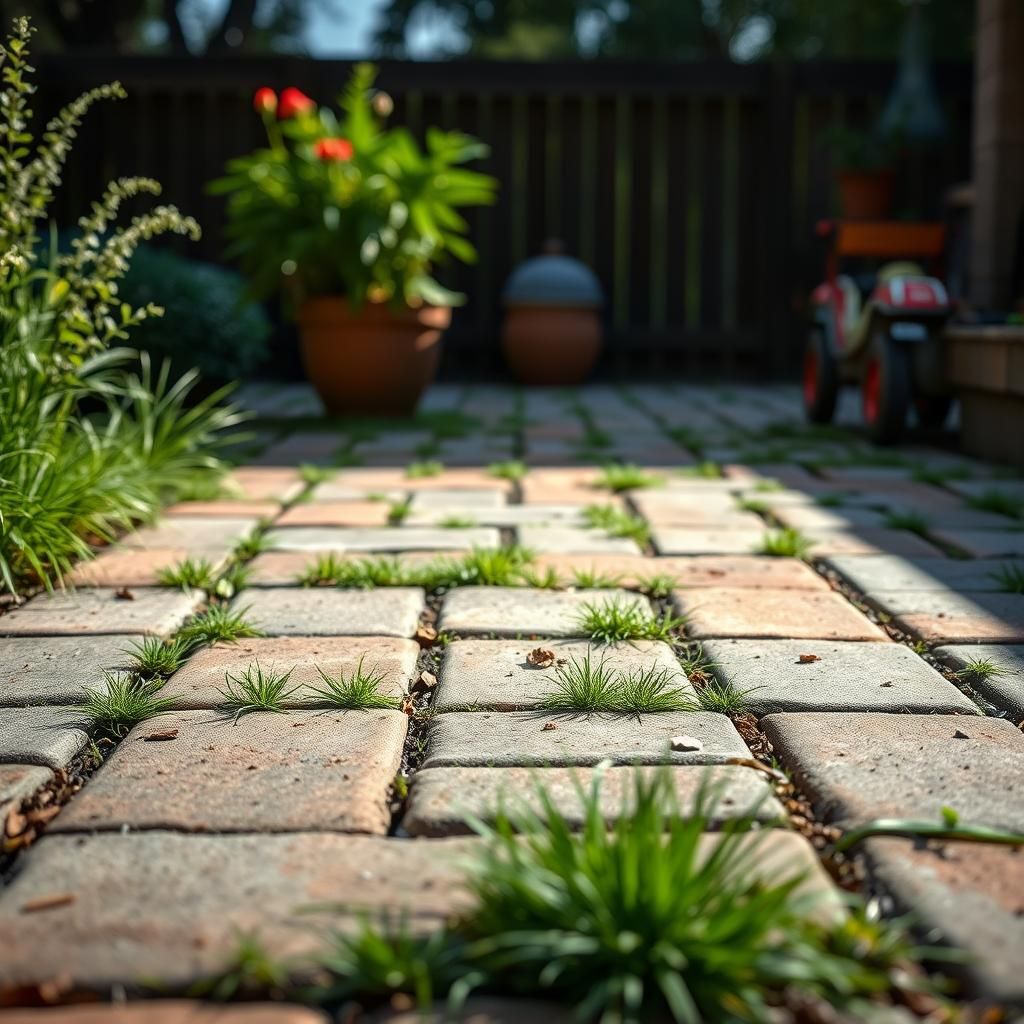
Weeds growing between pavers can be a persistent nuisance, detracting from the beauty of your outdoor spaces. Left unchecked, these unwanted plants not only disrupt the aesthetic but can also weaken the structural integrity of your paving. In this ultimate guide, we'll explore various effective methods for permanently eliminating weeds from between your pavers. From natural DIY solutions to more advanced techniques, you'll learn how to reclaim your patio, walkway, or driveway. Say goodbye to unsightly weeds and enhance the longevity of your hardscapes with our comprehensive tips and tricks for a weed-free environment.
Effective Methods to Permanently Eliminate Weeds Between Pavers
To achieve a permanent solution for getting rid of weeds between pavers, it is essential to combine mechanical, chemical, and preventive measures. Begin by manually removing the weeds, ensuring you extract the entire root system to prevent regrowth. After that, applying a herbicide specifically designed for this purpose will help kill any remaining seeds. Consider using a woven landscape fabric under the pavers to inhibit the development of future weeds. Additionally, sealing the joints with polymeric sand creates a hard barrier that further prevents the intrusion of weeds. Regular maintenance and monitoring will also significantly reduce the chances of their return.
Manual Removal of Weeds
Manual removal of weeds is the most straightforward and eco-friendly approach. Using tools like a weeding fork or hand trowel, you can carefully dig out the weeds from between the pavers. Ensure that you pull from the root to prevent them from growing back. This method is particularly effective for small infestations but can be labor-intensive for larger areas.
Application of Herbicides
Applying herbicides is a viable option for those who face persistent weed issues. Choose a non-selective herbicide that targets broadleaf weeds and grass species but be cautious, as it can also harm desirable plants. Follow the instructions on the label to ensure safe application, and consider using it during dry weather for better effectiveness. Always wear protective gear to safeguard yourself while applying these chemicals.
Using Landscape Fabric
Incorporating woven landscape fabric under your pavers can greatly reduce weed growth. This fabric acts as a barrier that allows water and nutrients to pass through while blocking sunlight, which is essential for weed germination. When laid properly during installation, it will help to keep your pavers clear of weeds for a longer time, minimizing maintenance needs.
See also:
Polymeric Sand for Joint Stabilization
Utilizing polymeric sand to fill the joints between pavers offers a robust solution against weeds. This specially formulated sand contains additives that, when moistened, harden and bind the sand particles together. As a result, this creates a durable joint that resists water erosion and hinders weed growth effectively. It is crucial to follow proper application guidelines to ensure optimal results.
Regular Maintenance Strategies
Implementing regular maintenance is key to ensuring that weeds do not reclaim the area between your pavers. This includes periodic inspections to catch and remove any new weed sprouts early. Additionally, regularly topping off the polymeric sand and ensuring adequate drainage will help maintain the integrity of the paver joints and discourage weeds from taking root.
| Method | Description | Effectiveness |
|---|---|---|
| Manual Removal | Physically pulling out weeds by hand or with tools. | High for small areas. |
| Herbicides | Chemicals used to kill weeds. | Effective but requires caution. |
| Landscape Fabric | Barrier that blocks weeds. | Long-term prevention. |
| Polymeric Sand | Fills joints and hardens to prevent weeds. | Very effective when applied correctly. |
| Regular Maintenance | Routine checks and upkeep. | Essential for long-lasting results. |
Effective Techniques for Weed Prevention
Weeds growing between pavers can be a persistent nuisance, but employing effective prevention techniques can significantly reduce their chances of returning. Start by ensuring proper drainage and spacing between pavers to create an environment less conducive to weed growth. Utilizing a landscape fabric beneath the pavers can also block sunlight and limit weed development. Regular maintenance, including clearing debris and resealing joints, will help maintain your outdoor space while keeping unsightly weeds at bay.
Using Boiling Water for Quick Results
One of the most effective and immediate techniques for killing weeds is pouring boiling water directly on them. This method works because the extreme heat causes plant cells to burst, ultimately killing the weed. It's essential to be cautious and pour the hot water only on the weeds to avoid damaging surrounding plants or landscaping. Repeat this process regularly for prolonged effectiveness, especially during the growing season.
Implementing Vinegar as an Organic Herbicide
Vinegar, particularly when it has a high acetic acid concentration, can serve as an effective organic herbicide against weeds between pavers. By spraying it directly onto the weeds, you can effectively dry them out and destroy their leaves. While vinegar may not reach the roots of the more established weeds, it's an excellent option for young weeds and can be used in conjunction with other techniques for maximum effectiveness. Regular applications may be necessary to keep weed growth under control.
See also:
Applying Mulch to Deter Growth
Using mulch is another great method to prevent weeds between pavers. By spreading a layer of organic or inorganic mulch over the soil, you not only enhance the aesthetic of your landscape but also block sunlight, which is vital for weed growth. A thick layer of mulch can keep weeds at bay while also helping to retain moisture in the soil around your pavers, thus promoting a healthier environment for your desired plants.
Utilizing a Pressure Washer for Deep Cleaning
Regularly using a pressure washer can help eliminate weeds that are deeply rooted between pavers. The high-pressure water stream can dislodge and remove weeds along with their roots, making it more challenging for them to regrow. This cleaning technique also helps in removing debris and dirt that can harbor weed seeds, hence reducing future growth opportunities. Make sure to follow up with a preventive measure after the cleaning process to avoid regrowth.
Choosing the Right Paver Joint Filler
Selecting the appropriate joint filler for your pavers plays a key role in weed prevention. Some joint fillers are specifically designed to resist weed growth by hardening and creating a solid barrier against weed penetration. Polymeric sand is a popular choice, as it binds pavers tightly and helps to keep out moisture—essential for preventing weed seeds from germinating. Regularly checking and replacing the joint filler as needed will contribute to long-term weed management and a cleaner appearance for your patio or walkway.
Questions from Our Readers
How can I prevent weeds from growing between my pavers?
To prevent weeds from growing between pavers, you can use landscape fabric underneath and apply a polymeric sand on top. This combination not only blocks sunlight but also keeps the gaps filled, making it more difficult for weeds to establish roots.
What chemicals can I use to eliminate weeds between pavers?
You can use natural herbicides or a mixture of vinegar and salt to eliminate weeds between pavers. These solutions work by drying out the weeds, but be cautious since they can also harm surrounding plants if applied carelessly.
See also:
Is it effective to pull weeds by hand between pavers?
Yes, hand-pulling can be effective for removing weeds, especially if you ensure to remove the entire root. This method is best for small areas and provides a quick solution, but it requires consistent effort to keep the weeds from returning.
How often should I maintain my pavers to keep them weed-free?
Regular maintenance is essential; ideally, you should inspect and clear weeds between your pavers every few weeks during the growing season. Keeping the area clean and applying a pre-emergent herbicide can significantly reduce weed growth and save you time in the long run.

If you want to read more articles like How to Get Rid of Weeds Between Pavers Permanently: The Ultimate Guide, we recommend you check out our Weeds category.
Leave a Reply
Related Articles