Ultimate Guide: How to Get Rid of Stink Bugs on Citrus Trees Effectively
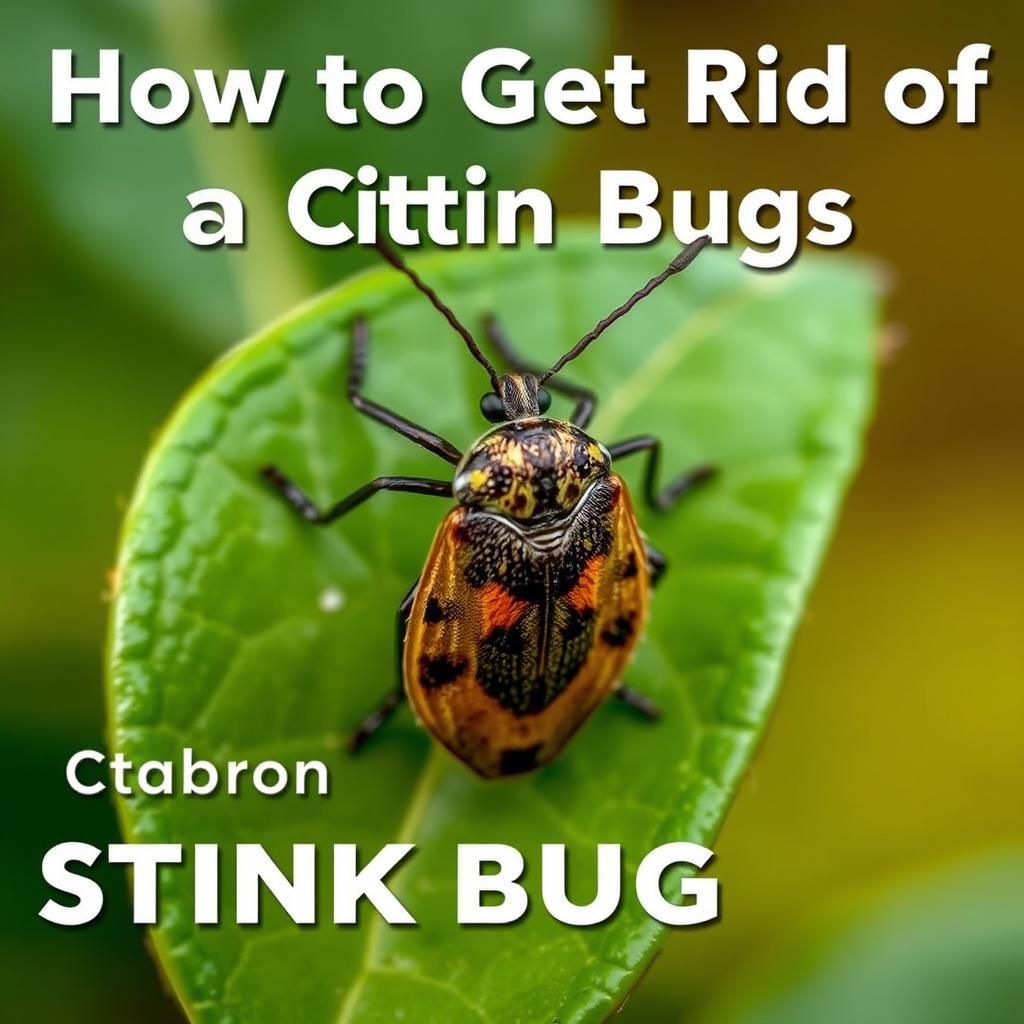
Stink bugs can be a major nuisance for citrus tree growers, as they feed on the sap and leaves, potentially harming the health and yield of the trees. Effective management of these pests is crucial for maintaining a vibrant and productive citrus grove. This ultimate guide will explore various methods and strategies to eliminate stink bugs from your citrus trees. From natural remedies to professional treatments, we’ll provide you with the knowledge and tools necessary to protect your citrus crops. With the right approach, you can safeguard your trees and enjoy a bountiful harvest free from the threat of these unwanted pests.
Effective Strategies to Eliminate Stink Bugs on Citrus Trees
To effectively get rid of stink bugs on your citrus trees, it is crucial to adopt a multi-faceted approach that includes preventative measures and targeted interventions. Start by regularly monitoring your trees for signs of stink bug activity, such as small puncture wounds or yellowing leaves. Introduce natural predators, such as birds or beneficial insects, to the area, as they can help naturally control stink bug populations. Additionally, consider using insecticidal soaps or horticultural oils as organic treatments that can mitigate infestations while being less harsh on your plants. Ensure that your trees are well-fed and maintained, increasing their overall health which can help them withstand pest pressures more effectively.
Understanding Stink Bug Behavior
Stink bugs are notorious for their unpleasant odor and can become significant pests for citrus trees. They feed on the sap by piercing the plant tissue, resulting in damage that can affect the tree's overall health. Understanding their behavior, such as their tendency to gather in groups and their seasonal life cycle, can aid in effective management. By knowing when they are most active, typically during the warmer months, gardeners can be proactive in implementing control techniques before populations grow too large.
Preventative Measures for Stink Bugs
Preventative measures play a vital role in managing stink bug populations on citrus trees. Keep the garden clean and free of debris where stink bugs can hide and breed. Regularly inspect your citrus trees for early signs of infestation, and consider planting companion plants that repel stink bugs, such as marigolds. Ensuring that your trees are healthy through proper watering, fertilization, and pruning reduces the likelihood of a stink bug invasion, as stressed plants are more attractive to pests.
Utilizing Natural Predators
Introducing or encouraging natural predators can be an effective method to reduce stink bug populations on your citrus trees. Predators such as ladybugs, spiders, and certain parasitic wasps feast on stink bugs, helping to keep their numbers in check. To attract these beneficial insects, plant diverse flora around your citrus trees and avoid using broad-spectrum insecticides that can harm non-target species. This biological control method promotes a balanced ecosystem in your garden.
Organic Treatments and Solutions
When dealing with stink bugs on citrus trees, organic treatments are a viable option for gardeners seeking to minimize chemical use. Products such as insecticidal soap and neem oil are especially effective in controlling stink bug populations, as they disrupt the insects’ ability to feed and reproduce. These treatments should be applied during early morning or late evening when the bugs are less active, ensuring maximum efficacy while protecting beneficial insects that may be present during the day.
Monitoring and Assessment Techniques
Regular monitoring and assessment are essential in managing stink bug populations effectively. Use yellow sticky traps placed near your citrus trees to capture adult stink bugs and gain insight into their population levels. Conduct periodic inspections for eggs on leaves and signs of feeding damage. Keeping a log of your findings can help you determine the best times to act against infestations and evaluate the effectiveness of your management strategies over time.
| Strategy | Description |
|---|---|
| Regular Monitoring | Consistently check trees for signs of activity. |
| Natural Predators | Encourage beneficial insects like ladybugs. |
| Organic Treatments | Use insecticidal soaps and neem oil for control. |
| Preventative Measures | Maintain tree health and remove debris. |
| Assessment Techniques | Employ traps and track population levels. |
What kills stink bugs immediately?

To eliminate stink bugs immediately, several methods can be employed that focus on direct contact solutions and natural deterrents. Below are some effective strategies:
1. Alcohol Spray
One of the most effective methods to kill stink bugs immediately is by using a spray made from rubbing alcohol. Alcohol disrupts the bug's respiratory system and subsequently leads to their death. To prepare this solution:
- Combine equal parts of rubbing alcohol and water in a spray bottle.
- Spray directly on the stink bugs you encounter.
- Ensure that the alcohol mixture saturates the bug for optimal results.
2. Soapy Water
Another quick method involves using a solution of soapy water. This method is safe for the environment and effective against stink bugs as the soap clogs their breathing pores.
- Mix a few drops of dish soap with water in a spray bottle.
- Spray directly onto the stink bugs or areas where you've noticed a concentration of them.
- Follow up by cleaning the area to prevent any residue from attracting other pests.
3. Essential Oils
Some essential oils are known to repel and kill stink bugs upon contact. Oils such as peppermint, clove, and cedarwood can be particularly effective.
- Mix water with several drops of your chosen essential oil in a spray bottle.
- Spray the mixture directly onto the stink bugs or infested areas.
- The powerful scent of essential oils not only kills but also repels other insects.
4. Chemical Insecticides
For a more aggressive approach, chemical insecticides designed for quick action can effectively kill stink bugs. It's crucial to select products specifically labeled for this pest to ensure efficacy.
- Choose an insecticide that lists stink bugs among the targeted pests on its label.
- Follow the manufacturer's instructions carefully for application.
- Apply directly to the bugs or areas where they congregate for instant results.
5. Vacuuming
Vacuuming can also serve as an immediate action against stink bugs. While this does not kill them outright, it effectively removes them from your home.
- Use a vacuum cleaner with a nozzle attachment to capture the bugs.
- Seal the vacuum bag tightly after emptying to prevent them from escaping.
- Consider using a filter that traps insects if your vacuum is equipped for that purpose.
How do I get rid of bugs on my citrus tree?
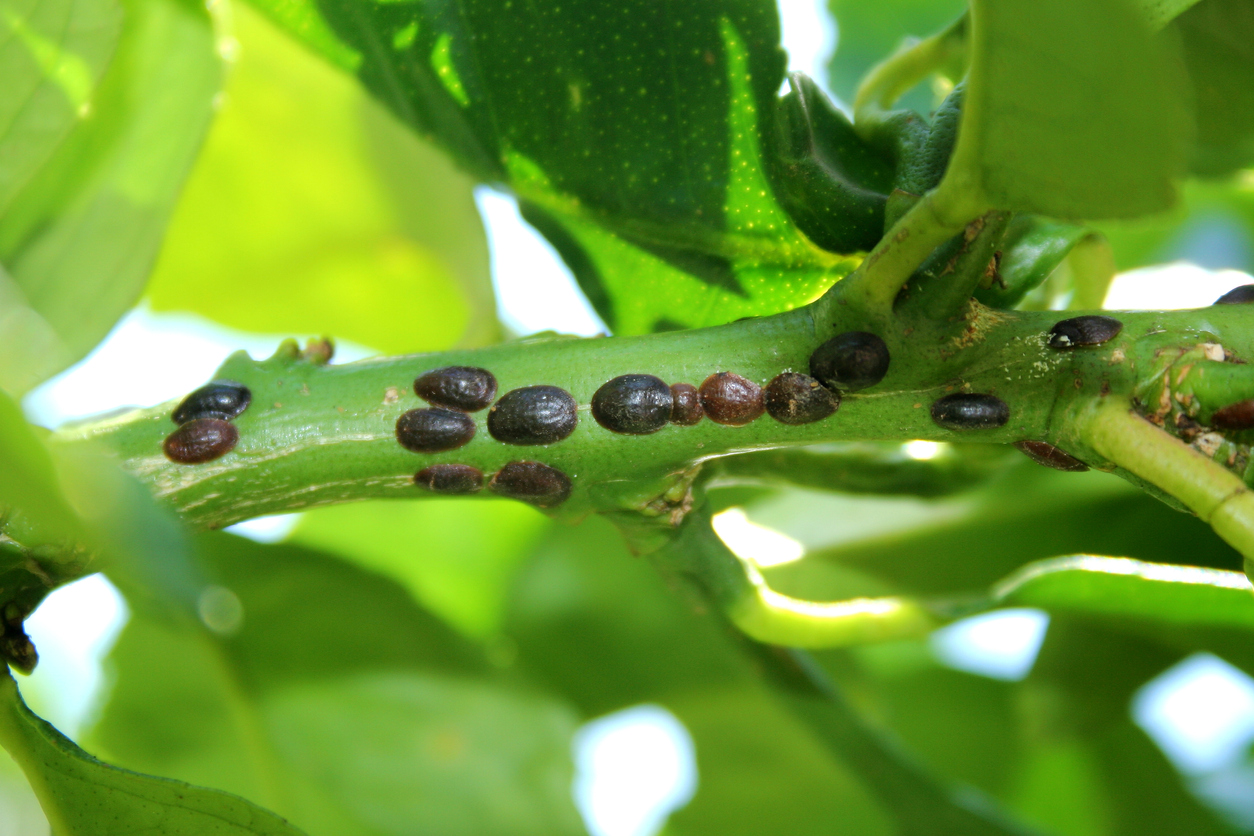

To get rid of bugs on your citrus tree, you need to adopt a comprehensive approach that includes identifying the type of pests, using appropriate treatments, and maintaining tree health. Here is how you can effectively manage insect infestations:
Identify Common Pests
It's crucial to recognize which pests are affecting your citrus tree. Common pests include:
- aphids - Small insects that suck sap from the leaves.
- scale insects - They appear as small bumps on the bark and leaves.
- spider mites - Tiny pests that create fine webs on plants.
Identifying these pests early can help in selecting the most effective treatment.
Natural Remedies
Consider using natural remedies before turning to chemical pesticides. Effective options include:
- Insecticidal soap - This can suffocate soft-bodied insects like aphids.
- Neem oil - A natural pesticide that disrupts the life cycle of many pests.
- Diatomaceous earth - A powder that can be sprinkled around the base to deter crawling insects.
These options are usually safer for the environment and beneficial insects.
Chemical Treatments
If natural remedies do not yield results, you may need to apply chemical treatments. Consider these:
- Systemic insecticides - These are absorbed by the plant, targeting insects that feed on it.
- Contact insecticides - These kill pests upon contact but may require direct application.
- Spinosad - An organic insecticide that is very effective against many pests.
Always follow the manufacturer’s instructions and safety precautions when using chemicals.
Maintain Tree Health
A healthy citrus tree is less susceptible to pest infestations. Here are some maintenance tips:
- Regular watering - Ensure your tree receives adequate moisture, especially in dry conditions.
- Fertilization - Provide balanced nutrients to enhance vigor and resistance.
- Pruning - Remove dead or infested branches to improve air circulation and overall health.
Maintaining good health increases the tree's resilience against pests.
Encourage Beneficial Insects
Attracting beneficial insects can help control pest populations naturally. To do this:
- Plant diverse flora - A variety of plants can attract predators like ladybugs.
- Create habitats - Provide shelter for beneficial insects by leaving some areas of your garden wild.
- Avoid broad-spectrum pesticides - These can kill beneficial insects along with pests.
Promoting a balanced ecosystem can lead to long-term pest control success on your citrus tree.
How to control stink bugs on fruit trees?

To control stink bugs on fruit trees, it is essential to implement an integrated pest management approach. This involves a combination of cultural, mechanical, biological, and chemical methods that can effectively reduce the stink bug population while minimizing harm to beneficial insects.
Understanding Stink Bugs
Stink bugs, particularly the brown marmorated stink bug, are notorious for damaging fruit trees by feeding on the sap, which can lead to deformities and decreased fruit quality. Understanding their life cycle and behavior is crucial in controlling their population. Key information includes:
- Stink bugs typically appear in spring and persist until fall.
- Their egg masses can be found on the underside of leaves, often in clusters.
- They are attracted to ripe and overripe fruits, making timing critical in control efforts.
Cultural Control Methods
Implementing cultural practices can significantly reduce the presence of stink bugs. These methods focus on the management of the environment and farming practices. Consider these strategies:
See also:
- Regularly inspect trees for signs of stink bugs and their eggs.
- Remove debris and fallen fruit around trees to eliminate hiding spots.
- Rotate crops and diversify planting to disrupt the stink bugs' life cycle.
Mechanical Control Strategies
Mechanical control involves physical barriers and traps that can help manage stink bug populations. Here are some effective techniques:
- Use row covers to prevent stink bugs from reaching the trees.
- Set up sticky traps around the perimeter of the orchard to capture adult bugs.
- Hand-pick bugs and egg masses if the population is manageable.
Biological Control Options
Utilizing natural predators can provide a sustainable approach to managing stink bugs. Some options include:
- Introduce beneficial insects, such as trichogramma wasps, which can parasitize stink bug eggs.
- Encourage birds in the area as they naturally feed on various pest insects.
- Utilize nematodes to target stink bug larvae in the soil.
Chemical Control Measures
When other control methods are insufficient, chemical pesticides may be necessary. It is essential to choose products carefully to protect beneficial insects. Consider the following:
- Select pesticides that are specifically labeled for stink bugs and apply them according to the guidelines.
- Avoid broad-spectrum insecticides that can harm pollinators and other beneficial species.
- Apply chemical treatments during early morning or late evening when beneficial insects are less active.
Does vinegar kill stink bugs?
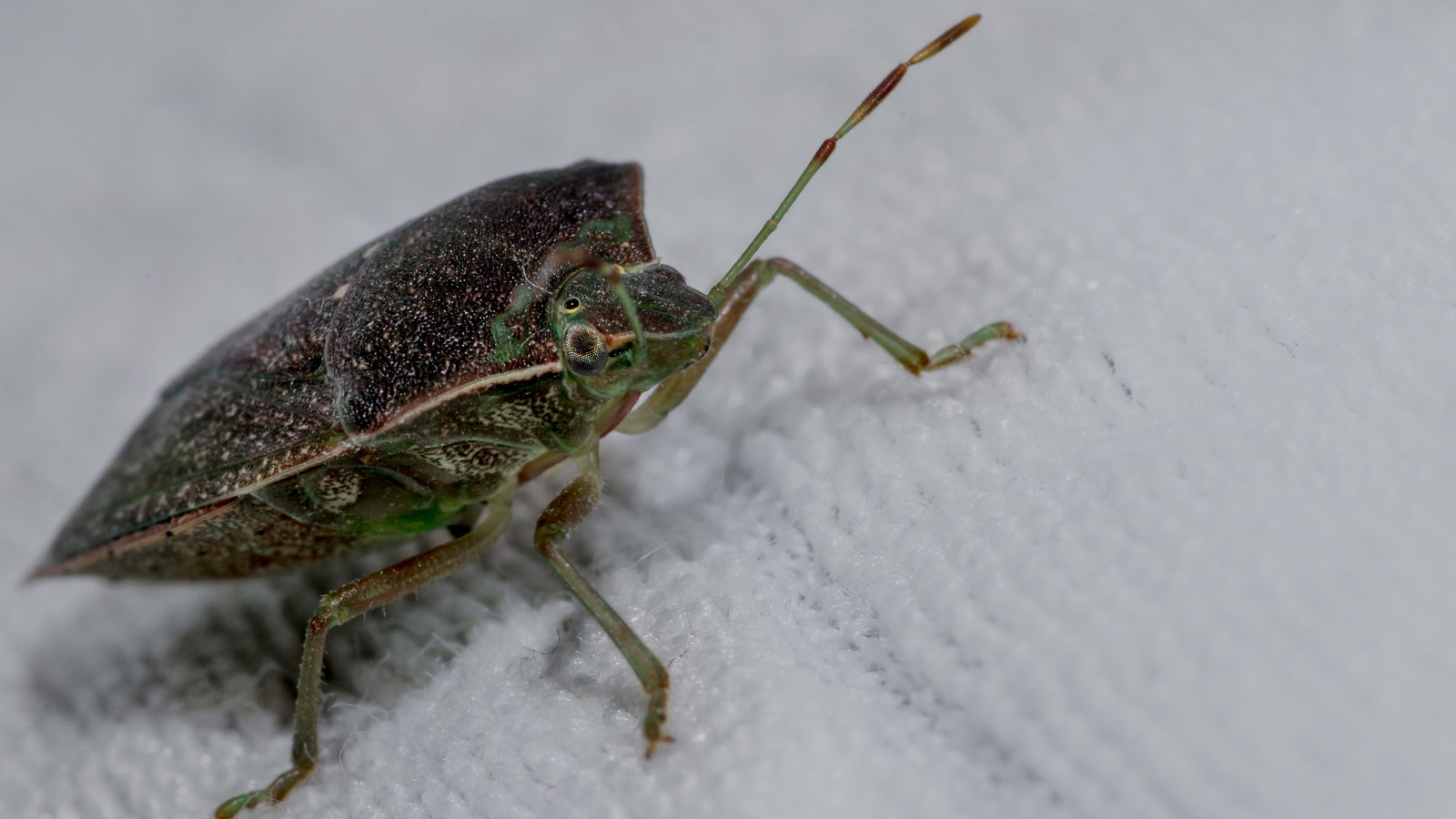
Vinegar, particularly white vinegar, is often suggested as a natural remedy for repelling various pests, including stink bugs. The effectiveness of vinegar in killing stink bugs is contested and can depend on how it is applied and the concentration used. Vinegar is acetic acid, which can be harmful to insects; however, using it in practical applications may not always yield immediate or complete results.
When applied directly, vinegar can kill stink bugs on contact by suffocating them, but it is not a guaranteed method for complete eradication or control, particularly in larger infestations.
The Mechanism of Vinegar Against Stink Bugs
Vinegar works primarily by disrupting the cell membranes of insects when they come into contact with it. The acetic acid in the vinegar starts to break down their protective outer coating, which leads to suffocation or dehydration.
- Celular Disruption: The acetic acid interferes with their cellular functions.
- Suffocation: Vinegar can fill the spiracles of stink bugs, which are their breathing holes.
- Dehydration: The loss of protective moisture can lead to desiccation of the bugs.
Effectiveness of Vinegar as a Stink Bug Repellent
While vinegar can repel stink bugs due to its strong odor, it doesn't work effectively as a long-term solution. Many bugs may avoid areas treated with vinegar initially, but over time, they may acclimatize to the scent.
- Temporary Solution: The strong smell may repel stink bugs, but it usually doesn't last long.
- Behavioral Acclimatization: Insects can adjust to odors over time.
- Alternative Repellents: Other natural solutions may perform better in the long term.
Usage and Application Tips
If you choose to use vinegar against stink bugs, proper application is essential. This includes using the right concentration and applying it directly onto the bugs or their suspected entry points.
- Concentration Matters: A higher concentration may yield better results.
- Direct Application: Spraying directly onto stink bugs increases chances of killing them.
- Frequent Application: Regular reapplication may be necessary due to odor fading.
Safety Considerations
Using vinegar is generally regarded as safe for household use, but caution is advised around pets and children. High concentrations of vinegar can cause irritation to skin and eyes, so protective measures are advisable.
- Protective Gear: Wearing gloves and goggles can protect against splashes.
- Pet Safety: Ensure pets do not have access to treated areas.
- Ventilation: Use vinegar in well-ventilated areas to avoid overpowering fumes.
Alternatives to Vinegar for Stink Bug Control
If vinegar falls short as a method for stink bug control, several alternatives are available. These can range from natural remedies to chemical solutions specifically designed for pest control.
- Natural Predators: Introducing or encouraging natural predators of stink bugs can help.
- Insecticidal Soap: Formulations designed for soft-bodied insects may be more effective.
- Physical Barriers: Sealing entry points and windows prevents their access to the home.
Questions from Our Readers
How can I prevent stink bugs from infesting my citrus trees?
To prevent stink bugs from infesting your citrus trees, it is crucial to maintain a healthy garden environment. This includes regularly checking for debris or weeds that may harbor these pests, as well as ensuring proper watering and fertilization of your trees to keep them healthy and less attractive to bugs. Additionally, using row covers or planting trap crops can help deter stink bugs.
What organic methods can I use to eliminate stink bugs on citrus trees?
You can use a variety of organic methods to eliminate stink bugs on your citrus trees, such as introducing beneficial insects like ladybugs or lacewings that prey on these pests. Additionally, a homemade soap solution made from diluted dish soap or using Neem oil can be sprayed directly on affected areas to help control the population without harming the tree.
Are chemical insecticides effective against stink bugs on citrus trees?
Yes, chemical insecticides can be effective against stink bugs on citrus trees; however, they should be used cautiously. It's important to select products specifically labeled for stink bug control and to follow all application guidelines to minimize any potential harm to the trees and the surrounding environment. Always consider using them as a last resort after exploring natural alternatives.
When is the best time to treat stink bugs on citrus trees?
The best time to treat stink bugs on citrus trees is during their early stages of development, typically in spring and early summer when they are most active. Regular monitoring of your trees during these months allows for timely intervention, ensuring that you can effectively reduce their population before they cause significant damage to your crops.
See also:

If you want to read more articles like Ultimate Guide: How to Get Rid of Stink Bugs on Citrus Trees Effectively, we recommend you check out our Landscaping category.
Leave a Reply
Related Articles