Ultimate Guide: How to Bleed Air Out of a Sprinkler System?
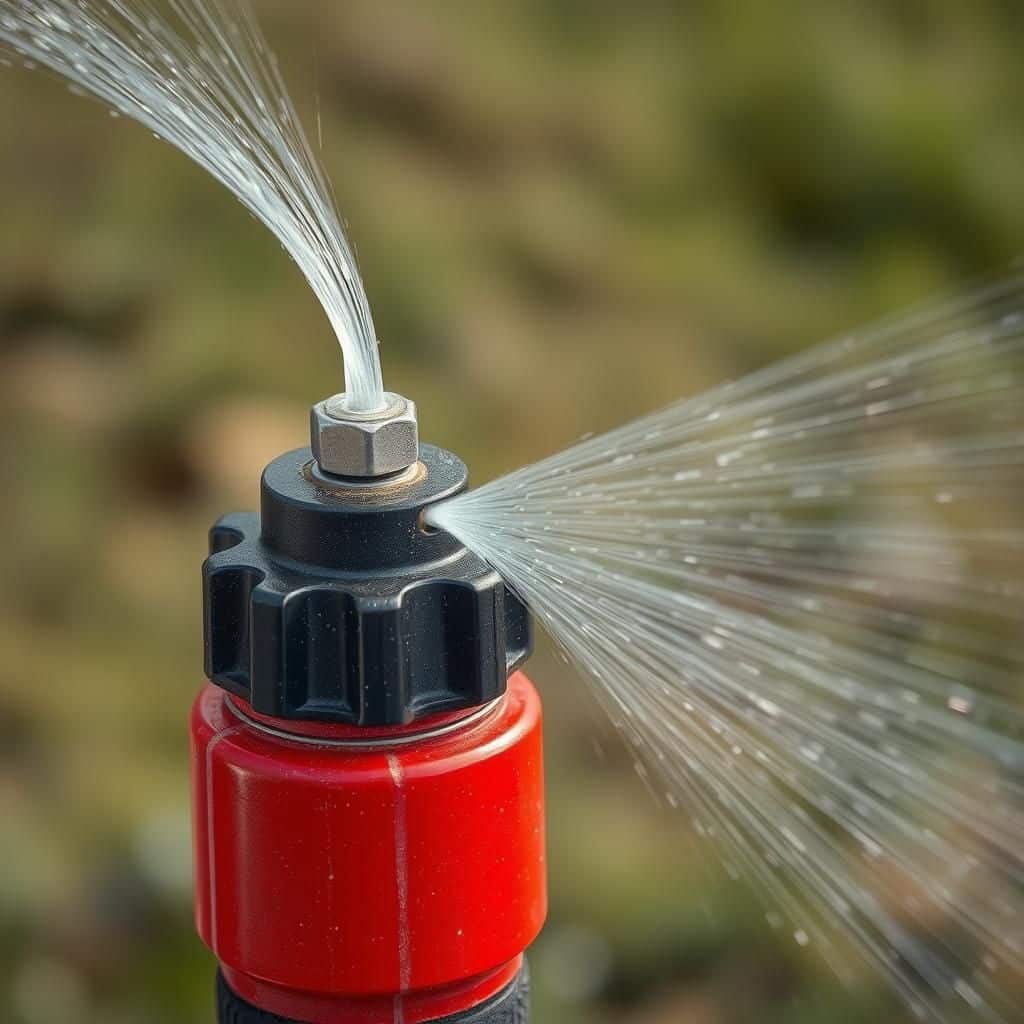
When it comes to maintaining an efficient sprinkler system, one crucial task often overlooked is bleeding air out of the system. Air trapped in sprinkler lines can create pressure imbalances, leading to uneven water distribution and reduced efficiency. In this ultimate guide, we will walk you through the steps required to effectively remove air from your sprinkler system, ensuring optimal performance and longevity. Whether you are a seasoned homeowner or a first-time gardener, understanding this essential maintenance procedure will help you keep your garden flourishing while avoiding potential damage to your sprinkler system. Let's dive into the process and ensure your system runs smoothly.
How to Effectively Bleed Air Out of a Sprinkler System
Bleeding air out of a sprinkler system is a crucial maintenance task that ensures optimal water flow and pressure, preventing potential damage and inefficiency. To begin the process, first, turn off the water supply to the system. Next, locate the bleed valves situated at the highest points in the irrigation network. Using a wrench, slowly open these valves to allow entrapped air to escape. Be prepared for water to spurt out as the air is released; once the flow stabilizes, close the valves tightly. Finally, turn the water supply back on and check the sprinkler system for proper operation. This procedure helps to maintain a healthy irrigation system while enhancing its performance.
Understanding Air in Sprinkler Systems
Air trapped in a sprinkler system can lead to a variety of issues, including reduced pressure and uneven water distribution. This phenomenon often occurs during the initial installation or after repairs, when air gets introduced into the pipes. When air pockets accumulate, they can disrupt the normal flow, causing some zones to receive insufficient water while others may flood. Therefore, it's essential to understand how air enters the system and to ensure its removal to maintain an efficient irrigation setup.
Tools Needed for Bleeding Air
To efficiently bleed air from your sprinkler system, certain tools are necessary. Commonly required tools include an adjustable wrench for opening the bleed valves, a bucket to catch any excess water during the process, and in some cases, a screwdriver for securing valve covers. Having these items on hand makes the procedure smoother and more effective, ensuring that no air pockets are left behind.
Steps to Bleed Air from the System
Bleeding air from a sprinkler system involves a series of straightforward steps. First, ensure that the water supply is turned off. Locate the bleed valves on the sprinkler heads or along the mainline. Using the adjustable wrench, gently turn the valve counterclockwise to open it. Watch for water to flow out; this indicates that the air is being released. Once the flow appears steady, close the valve securely. Repeat this process for all relevant valves until air has been fully evacuated from the system.
Common Mistakes to Avoid
When bleeding air from a sprinkler system, there are a few common mistakes to avoid to ensure maximum efficiency. One major error is neglecting to turn off the water supply, which can lead to water spraying uncontrollably. Another mistake is not allowing a sufficient amount of time for the air to escape; rushing the process may leave trapped air, leading to continued problems. Additionally, failing to check all bleed valves can result in incomplete air removal, affecting overall system performance.
When to Seek Professional Help
While bleeding air can often be performed as a DIY task, there are situations where professional assistance may be warranted. If the sprinkler system continues to show signs of low pressure or uneven coverage after attempts to bleed it, this could indicate underlying issues such as leaks or blockages in the pipes. In such cases, enlisting the expertise of an irrigation professional can help diagnose and rectify complex problems before they lead to more extensive damage.
| Issue | Symptoms | Solution |
|---|---|---|
| Low Pressure | Inconsistent water flow | Bleed air from valves |
| Water Logging | Puddles around sprinkler heads | Check for air pockets |
| Dry Spots | Dry areas in the lawn | Ensure all valves are bled |
| Sprinkler Noise | Whistling or gurgling sounds | Regular bleeding maintenance |
| System Damage | Visible cracks or leaks | Consult a professional |
How to get rid of air in a sprinkler system?

To effectively get rid of air in a sprinkler system, it is essential to follow a systematic approach to ensure proper functioning and prevent damage. Air trapped in the system can hinder performance and lead to uneven water distribution. Here are the steps to remove air from your sprinkler system:
1. Turn Off the System: Before starting, make sure to turn off the main water supply to the sprinkler system to prevent accidental spray and to allow safe work conditions.
See also:
2. Open the Manual Drain Valves: Most sprinkler systems are equipped with manual drain valves. Open these valves to allow air to escape. This step is crucial for letting the air out of the system.
3. Bleed the System: If your system has automatic sprinkler heads, you can bleed the air out by manually turning on the sprinkler zones. This process allows water to flow through the lines, forcing the trapped air out of the heads.
4. Check for Leaks: While air is being expelled, inspect the system for any leaks. Air can enter through fissures, and addressing these can help maintain a pressurized system.
5. Close Valves: Once all air is expelled and water flows freely, close the drain valves and ensure all valves are securely shut.
Understanding the Causes of Air in Sprinkler Systems
The presence of air in your sprinkler system can lead to a variety of problems. Understanding where air enters the system can help prevent future issues. Common causes include:
- Improperly installed systems: Air can enter through poorly fitted connections.
- Leaks in the lines: Any break in the line invites air, creating inefficiencies.
- Operating the system without proper pressure: Low water pressure can lead to air pockets.
Tools Required for Removing Air
To effectively eliminate air from your sprinkler system, certain tools will be necessary:
- Wrench or Pliers: Useful for opening manual drain valves.
- Pressure Gauge: Helps monitor system pressure while bleeding air.
- Hose or Bucket: To collect drained water from the valves and prevent mess.
Step-by-Step Process for Bleeding Air from Sprinkler Heads
Bleeding air from the sprinkler heads ensures that each zone functions optimally. The process includes:
- Activate Each Zone Separately: Turn on each sprinkler zone one at a time.
- Observe Water Flow: Watch for sputtering or irregular water flow, which indicates remaining air.
- Turn Off Sprinkler Zone: After confirming air is evacuated, switch off that zone and repeat for remaining zones.
Maintaining Your Sprinkler System to Prevent Air Entrapment
Regular maintenance is crucial for preventing air build-up in the system:
- Conduct Regular Inspections: Check for leaks and proper valve function.
- Adjust Pressure Settings: Ensure pressure remains at optimal levels to avoid air pockets.
- Flush System Annually: Remove debris and accumulated air by flushing the entire system once a year.
Signs that Air is Affecting Your Sprinkler System Performance
Detecting air issues early can save time and prevent larger problems:
- Uneven Water Distribution: Areas receiving too much or too little water.
- Sputtering Sprinkler Heads: Heads that struggle to shoot out water correctly.
- Decreased Pressure: A noticeable drop in water pressure when the system is activated.
How to bleed air out of a water system?


To effectively bleed air out of a water system, follow the steps outlined below. Air can accumulate in pipes and radiators, leading to poor system performance and reduced efficiency. Bleeding the system is essential to ensure proper water flow and heating.
Understanding Air in Water Systems
Air trapped in a water system can lead to various issues, including inefficient heating and noise within the pipes. Here’s why it is crucial to address this problem:
- Increased energy costs: Systems with trapped air require more energy to heat the same amount of water.
- Noise: Air pockets can cause gurgling or banging sounds in pipes.
- Distribution problems: Radiators or heat exchangers may not function effectively due to inadequate water flow.
Tools Needed for Bleeding
Before starting the bleeding process, it's essential to gather the appropriate tools. These tools will help streamline the process:
- Radiator key: A specialized tool for adjusting radiator valves.
- Container: To catch any water that may escape during bleeding.
- Towel: Useful for cleaning up spills and maintaining a tidy work area.
- Gloves: Protects hands from debris and hot water.
- Pressure gauge: To check the system pressure after bleeding.
Step-by-Step Bleeding Process
To bleed air from a water system, follow these key steps carefully:
- Turn off the heating: Ensure that the heating system is off before starting to bleed.
- Locate bleed valves: Identify the bleed valves on the radiators; they are usually at the top.
- Insert radiator key: Fit the radiator key into the valve and turn it counterclockwise slowly.
- Listen for hissing: You should hear air escaping; be careful when water begins to flow.
- Close the valve: Once water exits without air, turn the valve clockwise to close it tightly.
Checking System Pressure After Bleeding
After completing the bleeding process, verify the system pressure to ensure everything is functioning correctly:
- Locate the pressure gauge: Typically found near the boiler or on the filling loop.
- Check the reading: The pressure should be between 1 to 1.5 bar when the system is cold.
- Adjust pressure if needed: If the pressure is low, add water to the system via the filling loop.
When to Schedule Professional Assistance
While bleeding the system can be done as a DIY task, there are instances when professional help is recommended. Consider these factors:
- Frequent air buildup: If air seems to accumulate regularly, there may be a larger issue.
- Complex systems: Large or complicated plumbing systems might require expert knowledge.
- If unsure: When in doubt, hiring a professional can prevent potential damage.
Questions from Our Readers
How do I know if my sprinkler system needs to be bled?
Signs that your sprinkler system may need to be bled include inconsistent water pressure, irregular water distribution, or the presence of air bubbles in the water. If you notice that some zones are not watering effectively or if there are dry spots in your lawn, it may indicate trapped air in the system.
What tools do I need to bleed air out of a sprinkler system?
To bleed air out of a sprinkler system, you typically need a flathead screwdriver or a similar tool to adjust the bleed screws. Additionally, having a hose and a bucket for catching any excess water can help manage the process more effectively.
Can I bleed my sprinkler system during winterization?
Yes, bleeding your sprinkler system is an important part of winterization. When preparing your system for winter, bleeding out any trapped air helps prevent freeze damage to the pipes and components, ensuring that your system is protected during cold months.
Is it necessary to bleed air from all zones of my sprinkler system?
It is recommended to bleed air from all zones, especially if you've experienced issues with water pressure or coverage. Air pockets can form in any part of the system, so bleeding each zone ensures that water flows smoothly and efficiently throughout the entire system.
See also:

If you want to read more articles like Ultimate Guide: How to Bleed Air Out of a Sprinkler System?, we recommend you check out our Irrigation category.
Leave a Reply
Related Articles