How Tall Do Goodbye Neighbours Lilly Pilly Get? A Complete Guide to Growth and Care

Goodbye Neighbours Lilly Pilly, scientifically known as Syzygium paniculatum, is a popular choice for gardens and landscapes due to its attractive foliage and versatility. Understanding how tall these plants can grow is crucial for anyone considering them for hedges, screens, or ornamental purposes. This complete guide will delve into the growth potential of Goodbye Neighbours Lilly Pilly, providing insights into their care requirements, optimal growing conditions, and maintenance tips. Whether you’re a seasoned gardener or a beginner, this article will equip you with the knowledge needed to cultivate these beautiful plants effectively.
How Tall Do Goodbye Neighbours Lilly Pilly Get?
The Goodbye Neighbours Lilly Pilly (Syzygium) is known for its remarkable growth potential, typically reaching heights between 3 to 5 meters (approximately 10 to 16 feet) when fully matured. This makes it an ideal choice for hedges, screening, or as feature plants in gardens. However, their ultimate height can be influenced by various factors such as soil quality, climate, and care practices. Regular pruning can help maintain a desired height while encouraging a denser growth habit, which is often preferred for privacy and aesthetic appeal.
Growth Rate of Goodbye Neighbours Lilly Pilly
The growth rate of the Goodbye Neighbours Lilly Pilly can be classified as moderate to fast, depending on the conditions in which it is planted. In ideal environments with ample sunlight and well-drained soil, these plants can grow between 30 to 60 centimeters (about 1 to 2 feet) per year, quickly achieving their maximum height. This rapid growth makes them particularly appealing for those seeking a swift transformation in their landscaping.
Factors Affecting Height
Several factors can influence the ultimate height of Goodbye Neighbours Lilly Pilly. Key elements include the availability of sunlight, water, soil fertility, and temperature. Plants that receive sufficient sunlight tend to grow taller and healthier. High-quality, nutrient-rich soil encourages vigorous growth, while consistent watering helps prevent stress that could hinder development. Additionally, extreme temperatures can restrict growth, showcasing the importance of choosing the right environment for these plants.
Pruning Techniques
To control the height of Goodbye Neighbours Lilly Pilly, effective pruning techniques are essential. Regular trimming helps to maintain a bushier appearance while also encouraging new growth. It is advisable to prune during the growing season, typically in spring or early summer, to promote a healthy structure. Removing any dead or diseased branches not only improves aesthetics but also enhances the overall health of the plant, allowing it to focus its energy on healthy growth.
Uses in Landscaping
Goodbye Neighbours Lilly Pilly is versatile in its landscaping uses. Due to their height and dense foliage, they are frequently used for creating privacy screens, boundaries, or hedging. Additionally, their attractive foliage and flowers make them suitable for ornamental displays. They can be utilized in more diverse garden designs, including tropical and native gardens, due to their adaptability to different conditions.
Soil and Water Requirements
For optimal growth, Goodbye Neighbours Lilly Pilly thrive in well-drained, fertile soil. They prefer slightly acidic to neutral pH levels, and ensuring an appropriate drainage system is crucial to avoid root rot. As for water requirements, regular watering is needed, especially during dry spells, but they should not be overwatered. Establishing a balanced watering schedule is vital for the plants to reach their full height potential.
| Aspect | Details |
|---|---|
| Height Range | 3 to 5 meters (10 to 16 feet) |
| Growth Rate | 30 to 60 cm (1 to 2 feet) per year |
| Pruning Frequency | Spring or early summer |
| Soil Preference | Well-drained, slightly acidic to neutral |
| Water Needs | Regular watering, avoid overwatering |
Which lilly pilly grows tallest?
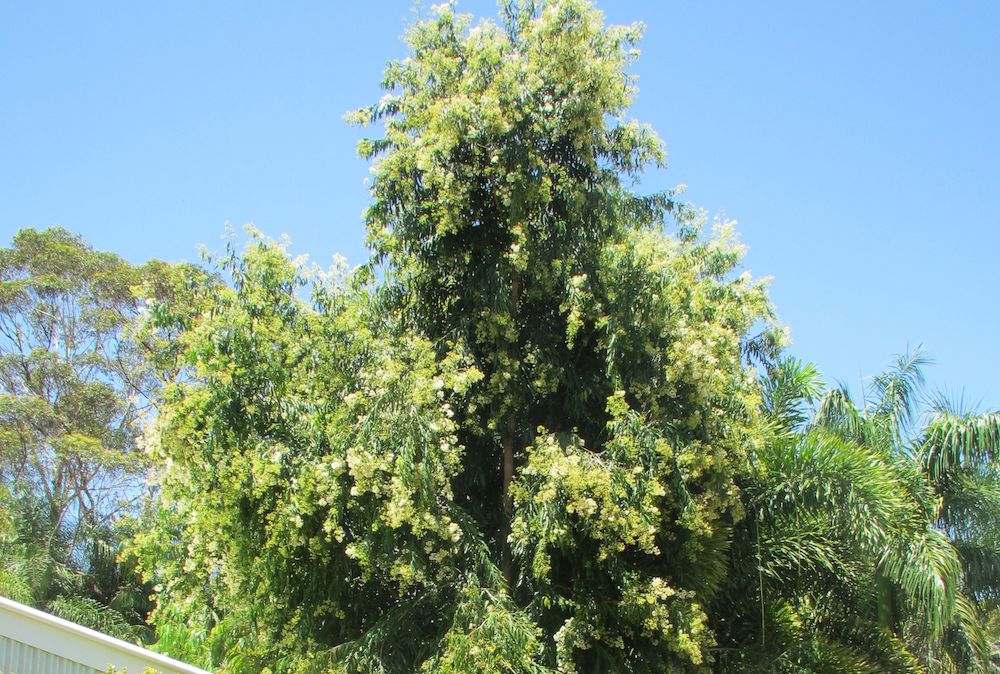
The tallest lilly pilly is the Syzygium oliveri, commonly known as the Brush Cherry or Australian Rainforest Cherry. This species can grow up to 15 meters (approximately 49 feet) tall under ideal conditions, making it one of the tallest in the lilly pilly family. It is native to the rainforest regions of eastern Australia, where it thrives in wet, well-drained soils and subtropical climates.
Characteristics of Syzygium Oliveri
The Syzygium oliveri boasts several characteristics that not only contribute to its height but also make it an appealing choice for landscaping and ornamental purposes.
- Foliage: The leaves are glossy and dark green, providing an attractive appearance year-round.
- Flowers: This species produces clusters of small, white flowers that can attract pollinators, adding aesthetic value to any garden.
- Fruit: The fruit is a berry-like cherry that is edible and provides food for birds.
Growing Conditions for Maximum Height
To achieve the maximum height, the Syzygium oliveri requires specific growing conditions that promote robust growth.
- Soil: Prefers rich, well-drained soils with high organic content.
- Sunlight: Thrives in full sun to partial shade, with full sunlight encouraging greater height.
- Watering: Requires consistent moisture, especially during dry spells, without becoming waterlogged.
Maintenance and Care
Proper maintenance is crucial for maximizing the growth potential of the Syzygium oliveri.
- Pruning: Regular pruning helps maintain shape and encourages bushier growth.
- Fertilizing: Application of balanced fertilizers enhances growth, particularly during the growing season.
- Pest control: Monitoring for common pests and diseases ensures healthy growth and longevity.
Landscape Uses
The Syzygium oliveri is versatile in landscape design, enhancing beauty and providing ecological benefits.
See also:
- Screening: Can be employed as a tall privacy screen or hedge due to its dense foliage.
- Shade: Offers substantial shade when fully grown, making it suitable for larger gardens.
- Wildlife Habitat: Serves as a habitat for birds and beneficial insects, fostering biodiversity.
Propagation Methods
If you want to cultivate this species, there are several propagation methods to consider.
- Seed propagation: Seeds can be collected from ripe fruit and sown in a suitable medium.
- Cuttings: Semi-hardwood cuttings taken during the growing season can root well if given the proper conditions.
- Grafting: Grafting onto compatible rootstocks can expedite growth and improve resilience.
How quickly does a lilly pilly grow?
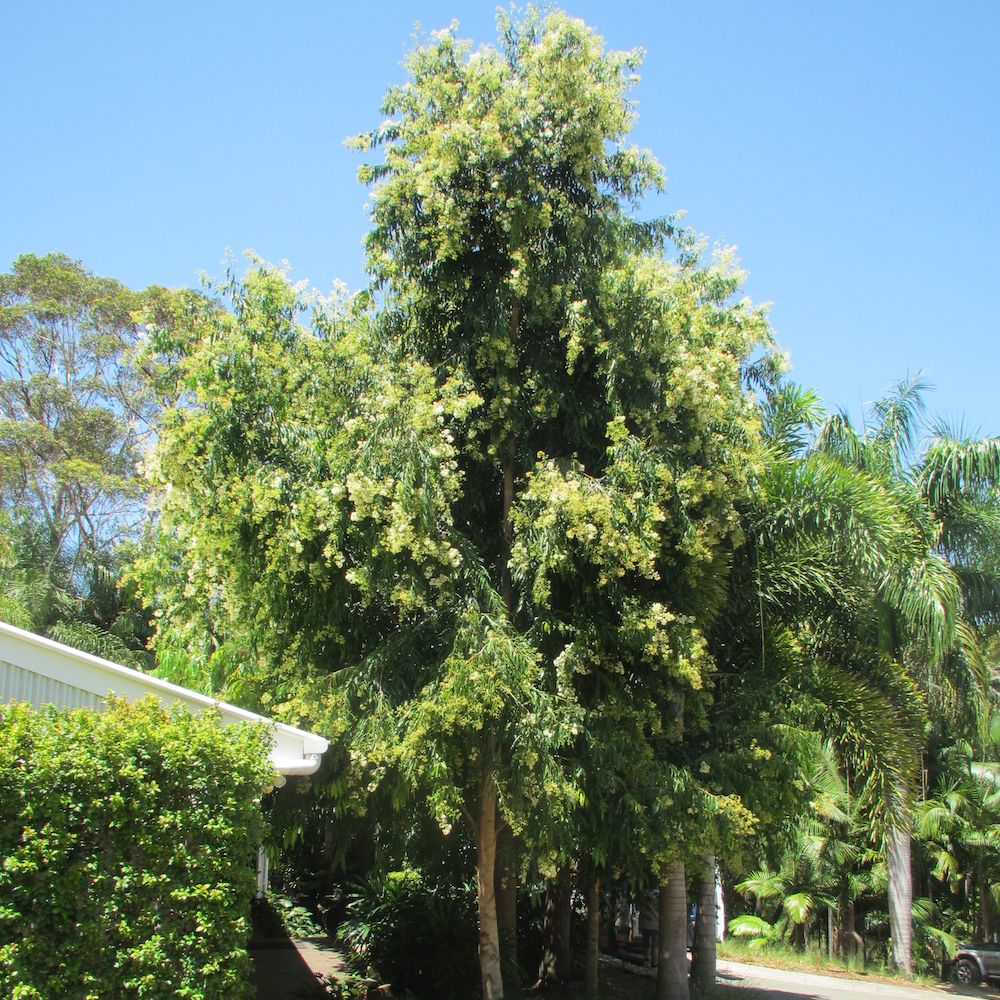
Lilly Pilly trees are known for their fast growth and adaptability, making them a popular choice for landscaping. Generally, a lilly pilly can grow at a rate of 1 to 2 feet per year, depending on the species, environmental conditions, and care provided. In ideal conditions, they can reach maturity in approximately 3 to 5 years, which means they can grow from a small plant to a significant height relatively quickly. The growth can be enhanced with proper watering, fertilization, and pruning practices.
Growth Rate Factors
The growth rate of a lilly pilly is influenced by several factors, including:
- Soil Quality: Nutrient-rich, well-draining soil promotes faster growth.
- Watering: Regular watering, especially during dry spells, can enhance growth.
- Sunlight: Full sun conditions often lead to quicker growth compared to shaded areas.
- Climate: Warm, humid climates are ideal for optimal growth rates.
- Pest Management: Keeping pests at bay helps ensure healthy growth.
Optimal Growing Conditions
To achieve the best growth rates, a lilly pilly should be planted in the right conditions, which include:
- Location: Choose a spot that receives at least 6 hours of sunlight daily.
- Soil Preparation: Amend the soil with compost to improve fertility and drainage.
- Mulching: Apply a layer of mulch to retain moisture and regulate soil temperature.
- Fertilization: Use a slow-release fertilizer to provide necessary nutrients during the growing season.
- Watering Schedule: Establish a regular watering routine to keep the soil consistently moist.
Pruning for Growth
Pruning can significantly affect the growth rate and overall health of lilly pilly trees. Consider the following:
- Timing: Prune during late winter or early spring before new growth begins.
- Technique: Remove dead or damaged branches to encourage new growth.
- Shaping: Regularly shape the tree to promote a more bushy and robust structure.
- Height Control: Selective pruning can help maintain a desirable height and prevent overcrowding.
- Disease Management: Pruning can also prevent the potential spread of diseases.
Pest and Disease Management
Pests and diseases can hinder the growth of lilly pilly trees. It’s important to manage these effectively:
- Monitoring: Regularly check for signs of pests such as leaf spots or discolored leaves.
- Use of Insecticides: Employ organic insecticides if infestations occur.
- Fungal Issues: Treat any fungal diseases promptly with appropriate fungicides.
- Healthier Plants: Ensure your plants are healthy to withstand pests and diseases better.
- Environmental Control: Maintain optimal watering and sunlight conditions to keep these issues at bay.
Common Species and Growth Variability
Different species of lilly pilly exhibit varying growth rates. Here are a few examples:
- Syzygium Smithii: Known as the Australian Brush Cherry, this species grows rapidly and is also prized for its decorative fruit.
- Syzygium Paniculatum: Also known as the Magenta Lilly Pilly, has a moderate growth rate and is often used for hedging.
- Syzygium Luehmannii: The Brush Cherry, features a fast growth rate and tolerance for various soil types.
- Syzygium Acanthopodium: Known for its robust growth in a variety of environments, making it a favorite among gardeners.
- Syzygium Cordatum: This species grows slightly slower, typically requiring more care to reach optimal heights.
Can you plant lilly pilly close to a house?

Yes, you can plant lilly pilly (Syzygium spp.) close to a house, but there are several factors to consider before doing so. Lilly pilly is a popular native Australian plant known for its attractive foliage and rapid growth. While they can provide privacy, shade, and aesthetic appeal, improper placement can lead to potential issues.
Considerations for Planting Near a House
When deciding to plant lilly pilly near your home, consider the following points:
- Distance from the foundation: It's essential to plant them at least a few feet away from your home's foundation to avoid potential root damage and moisture issues.
- Sunlight and shade: Evaluate the sunlight conditions near your home. Lilly pillies thrive in full sun to partial shade, but ensure they are not competing with your house for light.
- Potential overgrowth: Lilly pilly can grow quite tall and wide if not properly maintained, so consider their mature size when planting.
Benefits of Planting Lilly Pilly
Planting lilly pilly close to a house can offer various benefits:
- Privacy screening: Their dense foliage makes them an excellent choice for creating a privacy screen between your home and neighbors.
- Aesthetic appeal: With attractive leaves and possible colorful flowers, they enhance the visual interest of your garden.
- Wildlife attraction: Lilly pilly trees attract birds and beneficial insects, contributing to a healthier garden ecosystem.
Maintenance Considerations
Maintaining lilly pilly trees requires some attention to ensure they thrive:
See also:
- Regular pruning: To prevent overgrowth and maintain shape, regular pruning is necessary, ideally twice a year.
- Watering needs: During establishment, ensure they receive adequate water, particularly in hot months, but avoid waterlogging.
- Pest management: Watch for common pests such as psyllids and fungal diseases, and take action as needed to protect the plants.
Soil Requirements
The type of soil in which you plant lilly pilly can greatly influence their growth:
- Well-draining soil: They prefer well-draining soil, so ensure any soil amendments improve drainage if your soil is heavy.
- pH levels: Aim for slightly acidic to neutral pH levels (6.0 to 7.0) for optimal growth.
- Organic matter: Adding organic matter such as compost can improve soil fertility and structure for better growth.
Potential Risks of Planting Too Close
Planting lilly pilly too close to your home carries certain risks:
- Root damage: Roots may penetrate into the foundation, causing potential structural damage over time.
- Moisture issues: Their lush foliage can create humid conditions that may encourage mold and mildew on house exteriors.
- Maintenance difficulties: Close proximity to a house can make it harder to maintain the plants, affecting overall health and appearance.
What is the lifespan of a lilly pilly tree?

The lifespan of a lilly pilly tree (Syzygium spp.) can vary significantly depending on factors such as the species, growing conditions, and care practices. On average, these trees can live between 20 to 50 years, but some can live longer under optimal conditions. Environmental factors such as soil quality, moisture levels, sunlight exposure, and pest presence can all substantially influence their longevity.
Optimal Growing Conditions
To achieve a long lifespan for lilly pilly trees, it’s crucial to provide them with optimal growing conditions. This includes:
- Soil Quality: Well-drained, nutrient-rich soil promotes healthy root development.
- Sunlight: Full sun exposure encourages growth and enhances resilience against diseases.
- Watering: Regular watering, especially during dry periods, keeps the tree hydrated.
Pest and Disease Management
Preventing pest infestations and diseases is integral to prolonging the lifespan of a lilly pilly tree. Key aspects include:
- Regular Inspections: Frequent checks for pests such as psyllids and scale insects can help catch problems early.
- Proper Pruning: Removing damaged or infested branches improves air circulation and reduces disease risk.
- Chemical Treatments: Using environmentally friendly pesticides can help manage severe infestations.
Impact of Pruning on Longevity
Pruning plays a significant role in maintaining a lilly pilly tree's health and longevity. Consider the following benefits:
- Improved Airflow: Regularly removing dense foliage enhances light penetration and air circulation.
- Shape Maintenance: Pruning helps maintain a desirable shape, which can reduce stress on the tree.
- Encourages Growth: Strategic cuts can stimulate new growth, contributing to the tree's overall vigor.
Nutrient Requirements
Providing the correct nutrients is essential for the optimal growth and longevity of lilly pilly trees. Important considerations include:
- Fertilization: Balancing nutrients in the soil can prevent deficiencies that adversely affect the tree's health.
- Organic Matter: Incorporating compost or mulch enhances soil fertility and moisture retention.
- Micronutrients: Ensuring adequate trace elements like magnesium and iron can boost growth and resistance.
Climate Adaptability
The climate in which a lilly pilly tree is planted greatly impacts its lifespan. Different species have varying levels of adaptability. Key considerations include:
- Temperature Tolerance: Some lilly pilly varieties are better suited for cooler climates, while others thrive in warmer conditions.
- Humidity Levels: These trees often prefer humid environments, affecting their growth patterns.
- Resilience to Weather: Trees in sheltered areas may experience fewer stresses from wind or heavy rain.
Questions from Our Readers
How tall do Goodbye Neighbours Lilly Pilly get?
Goodbye Neighbours Lilly Pilly can grow to heights of approximately 3 to 5 meters (10 to 16 feet) when fully mature. This growth can vary depending on the conditions and care they receive.
What factors influence the height of Goodbye Neighbours Lilly Pilly?
Several factors influence the height of Goodbye Neighbours Lilly Pilly, including soil quality, water availability, and light exposure. Proper care and optimal environmental conditions can help them reach their maximum potential height.
Can Goodbye Neighbours Lilly Pilly be pruned to control their height?
Yes, Goodbye Neighbours Lilly Pilly can be pruned to maintain a desired height. Regular trimming will encourage bushier growth and prevent them from becoming too tall for their planting space.
Is Goodbye Neighbours Lilly Pilly suitable for small gardens?
Goodbye Neighbours Lilly Pilly can be suitable for small gardens if they are properly maintained through pruning and are planted in a way that allows for adequate airflow and sunlight. Their moderate size makes them a good option for smaller spaces when managed correctly.
See also:

If you want to read more articles like How Tall Do Goodbye Neighbours Lilly Pilly Get? A Complete Guide to Growth and Care, we recommend you check out our Landscaping category.
Leave a Reply
Related Articles