How Soon After Laying Turf Can I Walk on It? Expert Tips for Lawn Care Success
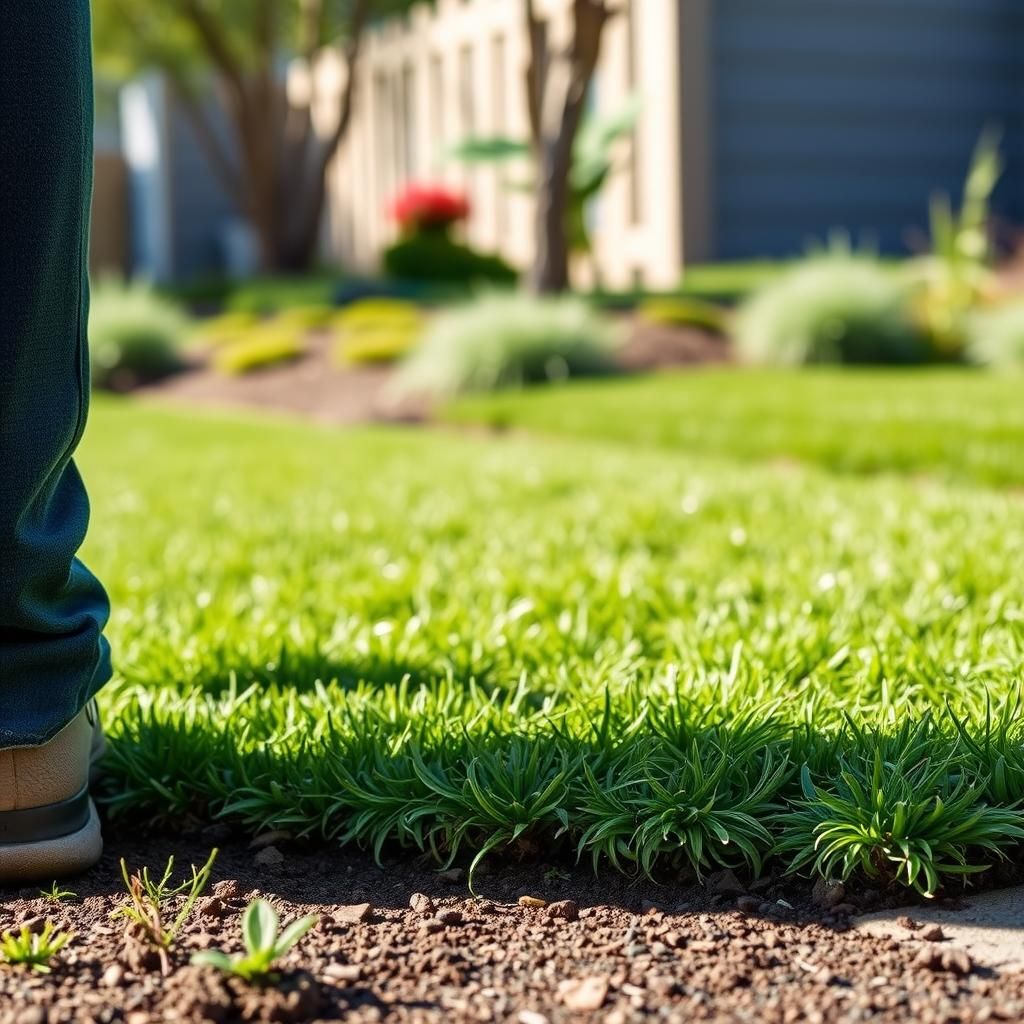
Laying turf can transform your outdoor space into a green oasis, but knowing when to walk on it is crucial for its success. After investing time and effort into establishing your new lawn, it’s important to follow the right steps to ensure healthy growth. In this article, we’ll explore the optimal timeframe for walking on freshly laid turf, along with expert tips on caring for your new lawn. Understanding the establishment process and adhering to best practices will help you enjoy a lush, vibrant lawn while avoiding potential damage that could hinder its development.
How Soon After Laying Turf Can I Walk On It?
After laying turf, it is generally recommended to avoid walking on your new lawn for at least two to three weeks. This allows the roots to establish themselves in the soil, ensuring the grass can properly absorb nutrients and water. Walking on the turf too soon can cause it to become dislodged, preventing it from rooting properly and leading to uneven growth. If you must access the area, try to limit foot traffic to a few designated paths and consider using boards or other materials to distribute your weight more evenly.
Factors Influencing Walking Time
Several factors can influence how soon you can walk on newly laid turf. The type of grass you have installed, the weather conditions, and the soil preparation before laying the turf can all play significant roles. For instance, warm and humid conditions can facilitate quicker rooting than cooler or dry conditions. Additionally, specific types of grass may establish more rapidly than others, affecting how soon the lawn can withstand foot traffic.
Signs Your Turf is Ready
To determine if your turf is ready for walking, look for certain signs that indicate healthy root establishment. For example, gently tugging on the grass blades should result in some resistance. If they pull up easily, it may not be ready yet. Additionally, if the soil feels relatively firm and the grass appears green and vibrant, it can indicate that rooting has progressed sufficiently for light foot traffic.
Impact of Foot Traffic on Turf
Walking on new turf too soon can have detrimental effects. It can cause compaction of the soil, leading to reduced air circulation and moisture retention, which are crucial for grass health. Furthermore, displacing the sod can inhibit root growth, resulting in patches of dead grass or uneven surfaces. Taking the necessary time to allow the turf to settle will pay off with a more robust and lush lawn.
Maintaining Newly Laid Turf
During the establishment period, maintaining your new turf is essential. This includes watering it regularly, but not over-saturating, as well as keeping an eye out for pests or diseases. To help with this, ensure you have a consistent watering schedule, avoiding heavy foot traffic, and if possible, limit other disturbances, allowing the grass to focus on establishing.
When to Introduce Pets and Children
Similar to adults, pets and children should also be kept off newly laid turf for about the same duration of two to three weeks. Their weight and energetic movements can cause more damage than a single adult walking across the lawn. If you need to allow them access sooner, consider designating specific areas using barriers to protect the newly laid sections, ensuring they can enjoy the outdoors without hindering the grass establishment.
| Aspect | Description |
|---|---|
| Waiting Period | Avoid walking for at least 2-3 weeks. |
| Signs of Readiness | Resistance when tugging, firm soil, vibrant color. |
| Impact of Foot Traffic | Can cause soil compaction and inhibit root growth. |
| Maintenance | Regular watering and monitoring for pests. |
| Animals and Kids | Similar waiting period, use barriers if needed. |
How long should turf be left before walking on?

When it comes to newly laid turf, the recommended time to leave it before walking on it can vary depending on several factors, including the type of grass, soil conditions, and weather. Generally, it is advisable to avoid walking on the turf for at least two to three weeks after installation. During this period, the turf requires time to establish healthy roots and bond with the soil underneath. Walking on it too soon can disrupt this process, leading to uneven growth or even damaging the turf.
Importance of Root Establishment
Proper root establishment is crucial for the health of your new turf. The roots need to grow deep into the soil to access nutrients and water efficiently.
- Roots require time to spread out and anchor themselves.
- Healthy roots help the turf survive heat and drought conditions.
- Walking on new turf can compact the soil, hindering root growth.
Environmental Conditions
The amount of time to wait before walking on turf can also depend on environmental conditions. Warm weather can speed up root establishment.
- Dry, warm weather can encourage quicker root growth.
- Cool or rainy weather may necessitate a longer waiting period.
- Soil type can also affect how quickly roots establish (sandy vs. clay soils).
Type of Grass Used
Different types of grass have different growth rates and tolerances. Cool-season grasses might require more time compared to warm-season varieties.
- Warm-season grasses typically grow faster and establish quicker in summer.
- Cool-season grasses may need prolonged periods for establishment, especially in spring or fall.
- Consulting with a local garden center can provide insights on the best grass type for your region.
Signs Your Turf is Ready
Before walking on your new turf, there are several signs that indicate it is ready:
See also:
- Pulling gently on the grass should reveal a strong bond with the soil.
- The turf feels firm underfoot, indicating deep root establishment.
- Grass blades that stand upright and are green and healthy show vitality.
Best Practices for Walking on New Turf
Once the waiting period is over, proper practices should still be followed to avoid damaging the turf.
- Walk on the turf in a zigzag pattern to distribute weight evenly.
- Avoid wearing high-heeled shoes or heavy boots that can compact the soil.
- Limit foot traffic during the first few weeks even after initial establishment.
How soon can I cut newly laid turf?
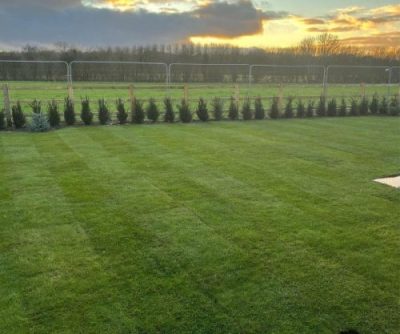
When it comes to cutting newly laid turf, it is essential to wait for the right timing to ensure the grass establishes itself properly. Generally, you should wait at least two to three weeks after installation before you consider mowing. This period allows the turf to develop roots and secure itself into the soil. Factors such as the type of grass, weather conditions, and soil quality can also influence this timeframe.
Understanding Turf Establishment
Newly laid turf must establish strong root systems to thrive. Understanding this process is crucial for determining when to cut your grass.
- The turf needs time to grow roots into the soil.
- Watering and maintenance are essential during this establishment period.
- Improper timing of cutting can hinder the growth cycle.
Signs That Your Turf Is Ready for Cutting
Identifying the right signs that your turf is ready for the first cut is important for the health of your lawn.
- The grass should grow to a minimum height of 3-4 inches.
- The turf should feel firmly anchored to the ground.
- If you can gently tug at the grass and it holds without lifting, it’s ready.
Best Practices for Mowing New Turf
When you mow your newly laid turf for the first time, following best practices will help maintain its health.
- Use a sharp blade to ensure a clean cut.
- Avoid cutting more than one-third of the grass height.
- Keep the mower settings high to prevent stress on the seedlings.
Effects of Early Cutting on Newly Laid Turf
Cutting your new turf too early can lead to various negative effects. Understanding these can help you avoid potential problems.
- Weakens the grass by preventing root establishment.
- Can lead to uneven growth and bald spots.
- Increases the risk of lawn diseases and pests due to stress.
Maintaining Your Lawn After First Cut
After the initial mowing, it is vital to continue caring for your lawn properly to promote further growth.
- Continue regular watering, especially in dry conditions.
- Apply fertilizers after the first cut to support growth.
- Monitor for pests and diseases to take early action if necessary.
How soon after laying turf can you roll it?

Laying turf is a crucial step in establishing a healthy lawn, and understanding when it can be rolled is essential for optimal results. After laying turf, it is recommended to wait approximately two weeks before rolling it. This waiting period allows the turf to begin rooting into the soil beneath. Rolling too soon can hinder the establishment of roots and disrupt the delicate process of settling.
Why Wait Before Rolling Turf?
Waiting before rolling turf is important for several reasons:
- Root Establishment: The primary reason for waiting is to allow the grass roots to start establishing in the soil. Rolling too soon can disturb this process.
- Soil Compaction: Rolling can compact the soil under the turf, which is counterproductive as it makes it harder for roots to penetrate.
- Minimize Damage: New turf is still fragile, and rolling can cause damage that may become apparent as brown patches or dead spots.
Signs Your Turf is Ready to be Rolled
Before rolling your turf, look for these signs to ensure it is ready:
- Firmness: When you step on the turf, it should feel firm and should not bounce back immediately.
- Root Growth: Tug gently on the grass; if it feels anchored and resists pulling, it has started to root.
- Color and Health: Healthy, vibrant green color indicates that the turf is settling in well.
How to Roll Turf Properly
Rolling turf, if done correctly, can help in the lawn establishment process:
See also:
- Use the Right Roller: Opt for a lightweight roller to avoid excessive compaction.
- Moist Soil Conditions: Roll the turf when the soil is moist but not soggy to achieve the best results.
- Even Coverage: Roll in multiple directions, ensuring even coverage without crushing the grass blades.
Potential Risks of Rolling Turf Too Soon
Rolling turf prematurely can lead to several issues:
- Root Disruption: Rolling can disturb the fragile new roots, impeding their growth and establishment.
- Increased Disease Risk: Compacted soil can become a breeding ground for diseases due to reduced air flow to roots.
- Surface Drainage Issues: Rolling can cause water to pool, creating drainage problems that could lead to turf stress.
Post-Rolling Care for Turf
Once you have successfully rolled your turf, follow these care tips:
- Watering: Ensure the turf gets sufficient water after rolling to promote further root establishment.
- Avoid Traffic: Limit foot traffic on the lawn for a few weeks to allow the turf to adapt to its new environment.
- Monitoring: Keep an eye on the turf for any signs of stress or disease, and address them promptly.
How long until you can walk on a lawn?

When it comes to determining how long until you can walk on a lawn, it largely depends on factors such as the type of grass, the method of installation, and the weather conditions. Generally, newly sown grass seeds take about 2 to 3 weeks to germinate and establish a root system that can handle light foot traffic. However, if you are laying sod, you may only need to wait around 2 weeks after installation. Below are some factors that can influence this timeline.
Factors Affecting the Timeline
The time it takes before you can walk on a lawn varies according to several key factors:
- Seed Type: Different grass seeds have varying germination periods.
- Weather Conditions: Warm and moist conditions can expedite growth.
- Soil Quality: Healthy, nutrient-rich soil fosters quicker establishment.
Importance of Grass Establishment
Allowing the grass to properly establish itself is crucial for a healthy lawn. Walking on a lawn that hasn't fully rooted can lead to:
- Soil Compaction: Foot traffic can compact the soil, hindering root growth.
- Patchy Areas: Areas trampled too soon may not grow as robustly.
- Stress on Grass: Early foot traffic can stress the young grass, leading to potential die-off.
Signs Your Lawn is Ready
Before walking on your lawn, look for specific signs indicating that it is ready for foot traffic:
- Firm Ground: If the soil feels firm underfoot, it is likely ready.
- Visible Grass Growth: Taller grass blades signify healthy establishment.
- Resilience: The grass should spring back after you step on it lightly.
Best Practices After Installation
After seeding or laying sod, follow these best practices to ensure your lawn grows healthy before walking on it:
- Watering Schedule: Maintain consistent moisture but avoid overwatering.
- Avoid Heavy Foot Traffic: Restrict access to the area until fully established.
- Mowing Height: Set your mower to a higher cutting height for young grass.
Long-Term Maintenance for Your Lawn
Once your lawn is ready for walking, consider the following long-term maintenance tips:
- Regular Watering: Ensure the lawn receives adequate water, especially during dry spells.
- Fertilization Schedule: Fertilize regularly to promote healthy growth.
- Weed Management: Keep weeds at bay to prevent them from choking your grass.
Questions from Our Readers
How soon after laying turf can I walk on it?
Generally, you should wait at least two to three weeks after laying turf before walking on it, allowing the roots to establish properly. This will help ensure that the grass adheres to the soil and begins to grow healthy.
What factors can affect how soon I can walk on newly laid turf?
Several factors can affect how soon you can walk on your new turf, including weather conditions, soil type, and turf variety. Warmer temperatures and adequate water will promote faster rooting and establishment.
Is it okay to walk on turf if it's wet?
It is best to avoid walking on turf when it is wet as this can disturb the soil and prevent the roots from establishing properly. Walking on wet turf can also lead to compaction and potential damage.
What should I do if I need to walk on the turf sooner?
If you absolutely need to walk on your newly laid turf sooner, consider using boards or similar items to distribute your weight and minimize soil disturbance. This can help reduce damage to the grass while still allowing you access.
See also:

If you want to read more articles like How Soon After Laying Turf Can I Walk on It? Expert Tips for Lawn Care Success, we recommend you check out our Lawn category.
Leave a Reply
Related Articles