Ultimate Guide: How Often to Water Lawn in Summer Australia for a Lush Green Lawn
Summer in Australia can be both a blessing and a challenge for maintaining a lush green lawn. With scorching temperatures and varying rainfall, understanding how often to water your lawn during these months is crucial for its health and vibrancy. This ultimate guide will provide you with essential tips and best practices to ensure your lawn thrives in the hot Australian summer. From determining the right frequency of watering to recognizing the signs of dehydration, we’ll cover all you need to know to achieve a stunning, verdant outdoor space that enhances your home and garden.
How Often to Water Your Lawn in Summer in Australia
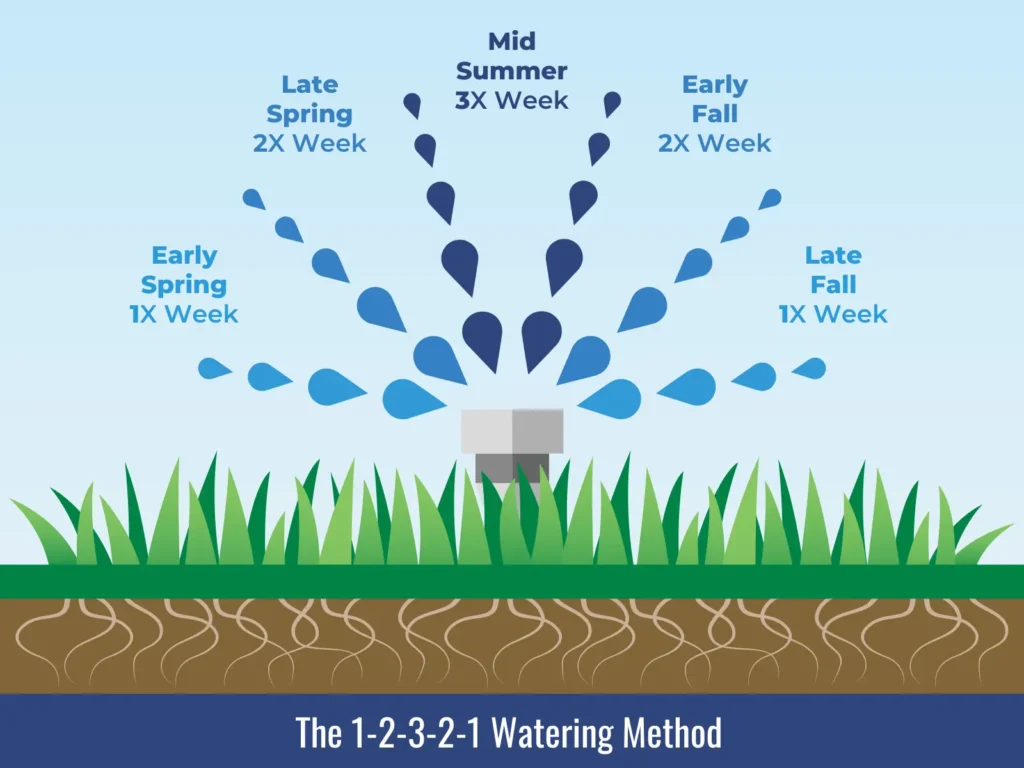
During the summer months in Australia, it is crucial to maintain the health of your lawn by ensuring it receives adequate watering. Generally, it is recommended to water your lawn two to three times a week, depending on the grass type and the specific climate conditions of your region. Early morning is the ideal time to water, as it allows for optimal absorption and minimizes evaporation. On particularly hot days, additional watering may be necessary, especially for newly established lawns or drought-prone areas. Monitoring the soil moisture and adjusting your watering schedule accordingly can help promote a lush, healthy lawn throughout the summer.
Understanding Watering Needs for Different Grass Types
Different types of grass have varying water requirements, which greatly influences how often you should water your lawn. For instance, warm-season grasses like Bermudagrass prefer deep watering every few days to establish robust root systems, while cool-season grasses such as Fescue might need more frequent irrigation during the heat of summer. By knowing your grass type, you can tailor your watering practices to maintain its health optimally.
Signs Your Lawn Needs Watering
Identifying signs of dehydration in your lawn can help you determine when to water. Common indicators include a dull, grayish color, footprints that remain visible after walking, and grass blades that fold or curl. Additionally, if the soil is dry several inches down, it is a sign that your lawn is in need of water. Regularly checking for these signs will aid in preventing over or under-watering.
Impact of Climate on Watering Frequency
The climate in Australia can vary significantly from region to region, affecting how often you should water your lawn. Areas with high humidity might require less frequent watering compared to regions with arid or semi-arid conditions. Understanding your local weather patterns can help you determine the best watering schedule, ensuring your lawn receives enough moisture without unnecessary water waste.
Effective Watering Techniques
Using effective watering techniques can maximize water efficiency and promote a healthy lawn. A soaker hose or drip irrigation system can help deliver water directly to the root zone, reducing evaporation. It is also essential to water for longer durations but less frequently, encouraging the grass roots to grow deeper into the soil, which promotes drought resistance.
Water Restrictions and Best Practices
In many parts of Australia, water restrictions are implemented during summer months due to drought conditions. It is important to stay informed about local regulations regarding lawn watering. During these periods, employing best practices such as using a rain gauge to understand how much water your lawn is receiving, and focusing on watering during cooler parts of the day can help conserve water while keeping your lawn healthy.
| Grass Type | Watering Frequency | Best Time to Water |
|---|---|---|
| Bermudagrass | 2-3 times per week | Early morning |
| Fescue | 1-2 times per week | Early morning or late afternoon |
| Kikuyu | 3 times per week | Early morning |
| Buffalograss | Once a week | Early morning |
| Coastal grasses | 2-3 times per week | Early morning or late afternoon |
How many minutes should I water grass in summer?
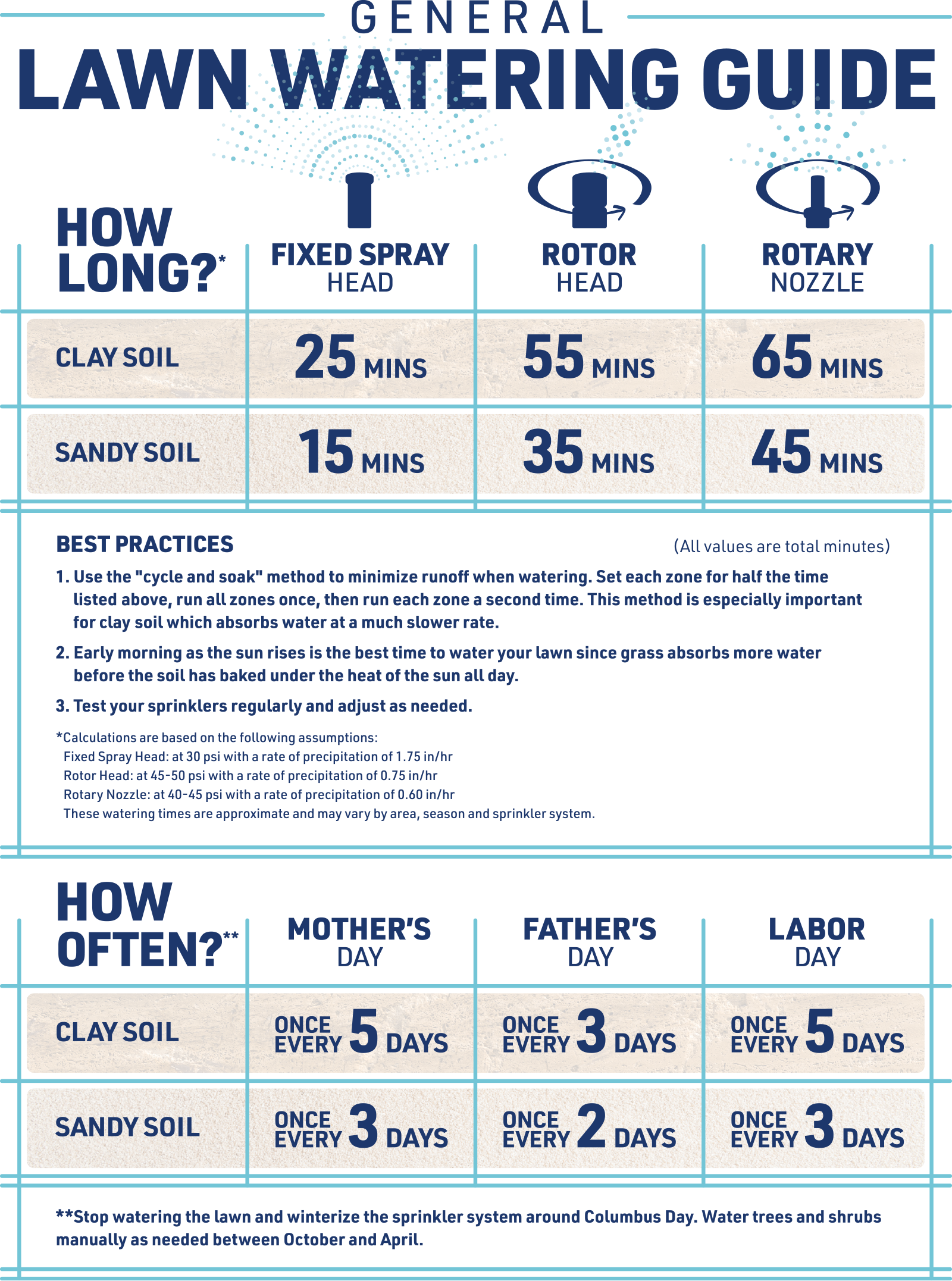
To determine how many minutes you should water grass in summer, the most common recommendation is to provide about 1 to 1.5 inches of water per week. This often breaks down to around 20 to 30 minutes of watering two to three times per week, depending on your irrigation system and the specific conditions of your lawn.
Understanding Your Grass Type
Different types of grass have varying water requirements. For instance, warm-season grasses such as Bermuda or Zoysia thrive in hot weather and may require slightly less water, while cool-season grasses like Kentucky bluegrass may need more frequent watering.
See also:
- Warm-Season Grasses: More drought-resistant, can tolerate less water.
- Cool-Season Grasses: Require more regular watering during peak summer heat.
- Hybrid Varieties: May have unique needs based on their parent grasses.
Factors Affecting Watering Duration
Several factors will influence how long you should water your lawn. Soil type, grass density, and local climate can all impact water absorption and evaporation rates.
- Soil Type: Sandy soils drain quickly, requiring longer watering sessions.
- Grass Density: Thicker grass may need more water to sustain healthy growth.
- Local Climate: Hotter areas may necessitate additional watering frequency.
Best Time for Watering
Timing plays a crucial role when watering your lawn. The optimal time to water is typically early in the morning, as cooler temperatures reduce evaporation and allow for better absorption.
- Morning Watering: Ideal to minimize evaporation.
- Avoid Afternoon: Higher temperatures mean more water loss.
- Evening Watering: Can promote disease if grass stays wet overnight.
Signs Your Grass Needs Water
Knowing when to water is equally important as how long. Look for certain signs that indicate your grass is thirsty.
- Color Change: Grass turns a dull or bluish hue.
- Lawn Footprint: Marks remain after walking on grass.
- Soil Check: Soil feels dry several inches down.
Irrigation Systems and Techniques
The method you use for irrigation can significantly affect the duration and frequency needed for effective watering.
- Sprinkler Systems: Often require longer periods for complete coverage.
- Drip Irrigation: Efficient for watering without waste, but may require adjustment.
- Manual Watering: Allows for more precise control but can be labor-intensive.
How long should I leave sprinklers on?
The duration for which you should leave sprinklers on largely depends on several factors, including the type of plants or grass you are watering, the weather conditions, and the soil type. Generally, a good rule of thumb is to water for about 30 minutes to 1 hour per session. This duration allows water to penetrate the soil deeply, promoting root growth and ensuring that the plants receive adequate moisture. However, it’s essential to monitor your specific garden’s needs and adjust accordingly.
Factors Influencing Watering Duration
Different environmental and contextual factors can affect how long you should run your sprinklers. Consider the following aspects:
- Soil Type: Sandy soils drain faster and may require more frequent watering, while clay soils hold moisture longer.
- Weather Conditions: Hot and windy weather increases evaporation, so you may need longer watering times compared to cooler or overcast days.
- Type of Vegetation: Different plants have varying water needs; for instance, newly planted areas generally require more frequent watering.
Watering Schedule
Creating a watering schedule can help ensure that you’re not over or under-watering your plants. Here are some tips:
- Frequency: Watering once or twice a week is generally sufficient for established gardens, while newly planted areas might need more frequent watering.
- Timing: Early morning is the best time to water, as evaporation rates are lower, allowing more water to penetrate the soil.
- Duration: Stick to the 30 minutes to 1 hour guideline but adjust based on rain and seasonal changes.
Signs of Overwatering
Recognizing signs of overwatering can help avoid damage to your plants and soil. Look for these symptoms:
- Soggy Soil: If the soil feels consistently wet and mushy, it's a sign you're overwatering.
- Yellowing Leaves: Leaves that are turning yellow may be a sign of root rot from excess moisture.
- Mold Growth: Fungal growth on the soil surface indicates an overly moist environment.
Signs of Underwatering
Understanding the symptoms of underwatering is equally important for plant health:
See also:
- Wilting Leaves: If the leaves are droopy, your plants may not be getting enough moisture.
- Brown Edges: Brown leaf edges can indicate stress from lack of water.
- Crispy Texture: If leaves feel dry and crispy, it’s a strong indication that watering is needed.
Using Sprinkler Timers
Installing a sprinkler timer can enhance your watering efficiency and ease your gardening chores. Here’s how:
- Consistency: Timers allow for consistent and scheduled watering, reducing the risk of forgetting to turn on or off your sprinklers.
- Water Conservation: Set timers to avoid overwatering, thereby conserving water and maintaining a healthy ecosystem.
- Adaptability: Many modern timers can be adjusted for different seasons, helping you adapt your watering duration as needed.
Is 20 minutes too long to water grass?
Watering grass for 20 minutes can be considered appropriate or excessive depending on several factors including the type of grass, the soil type, the time of year, and the watering method used. Here’s a detailed look into various aspects that can help to understand whether 20 minutes is too long to water grass.
Understanding Grass Types
Different types of grass have varying moisture requirements.
- Cool-season grasses, such as Bluegrass or Fescue, thrive in cooler temperatures and may require less water.
- Warm-season grasses, like Bermuda or Zoysia, flourish in warmer climates and might need more frequent watering but can be more drought-resistant.
- Knowing the specific needs of your grass type can aid in determining if 20 minutes is appropriate for watering.
Soil Type Considerations
The soil's ability to retain moisture plays a crucial role in how long you should water.
- Clay soils retain water well but can become compacted, meaning less water penetrates deeply.
- Sandy soils drain quickly and may require longer watering times to effectively saturate the grass roots.
- Loamy soils are generally ideal for grass and may require a moderate duration of watering.
Time of Year and Weather Conditions
The season and current weather can significantly affect the amount of water grass needs.
- During the summer, higher temperatures can lead to quicker evaporation, sometimes necessitating longer watering sessions.
- In winter, grass is often dormant and requires much less water, suggesting that 20 minutes might be excessive.
- Rainfall in recent days should also be factored in; if the ground is already wet, 20 minutes may be unnecessary.
Watering Methods
The method of watering can impact how effectively you hydrate your grass.
- Sprinklers may distribute water unevenly, meaning a 20-minute session might not soak the grass uniformly.
- Soaker hoses provide a slow, steady stream of water, which could mean shorter watering times are effective.
- Using a drip irrigation system can also lead to reduced overall watering times while still supplying sufficient moisture.
Indicators of Proper Watering
Understanding how to assess if your grass is receiving the right amount of water is critical.
- Soil moisture can be tested by inserting a finger or a soil probe to see how far down water has penetrated.
- Grass color can indicate water levels; healthy grass is typically a vibrant green, while dry grass may appear dull or blueish.
- Depending on the response of your grass post-watering, you can gauge if the 20-minute duration is appropriate or requires adjustment.
Questions from Our Readers
How often should I water my lawn in summer in Australia?
It is generally recommended to water your lawn deeply but infrequently. Aim for about 1 inch (25 mm) of water per week, which can often be achieved by watering two to three times per week, depending on your grass type and weather conditions.
Is it better to water my lawn in the morning or afternoon during summer?
Watering your lawn in the morning is ideal, as it allows the grass to absorb moisture before the heat of the day. This timing helps reduce evaporation and the risk of disease, ensuring healthier lawn growth.
See also:
What signs indicate that my lawn needs more water in summer?
Signs that your lawn may need more water include wilting or brown patches, a dry appearance, and footprints that remain visible after walking on the grass. If your grass doesn't spring back up when stepped on, it's likely a sign of dehydration.
Can I overwater my lawn in summer, and what are the consequences?
Yes, overwatering your lawn can lead to several issues, including root rot and the growth of fungus and weeds. It's important to monitor moisture levels and adjust your watering schedule to prevent these problems while ensuring your lawn stays healthy.

If you want to read more articles like Ultimate Guide: How Often to Water Lawn in Summer Australia for a Lush Green Lawn, we recommend you check out our Lawn category.
Leave a Reply
Related Articles