How Often Should You Have Landscaping Done? Expert Tips for Optimal Maintenance
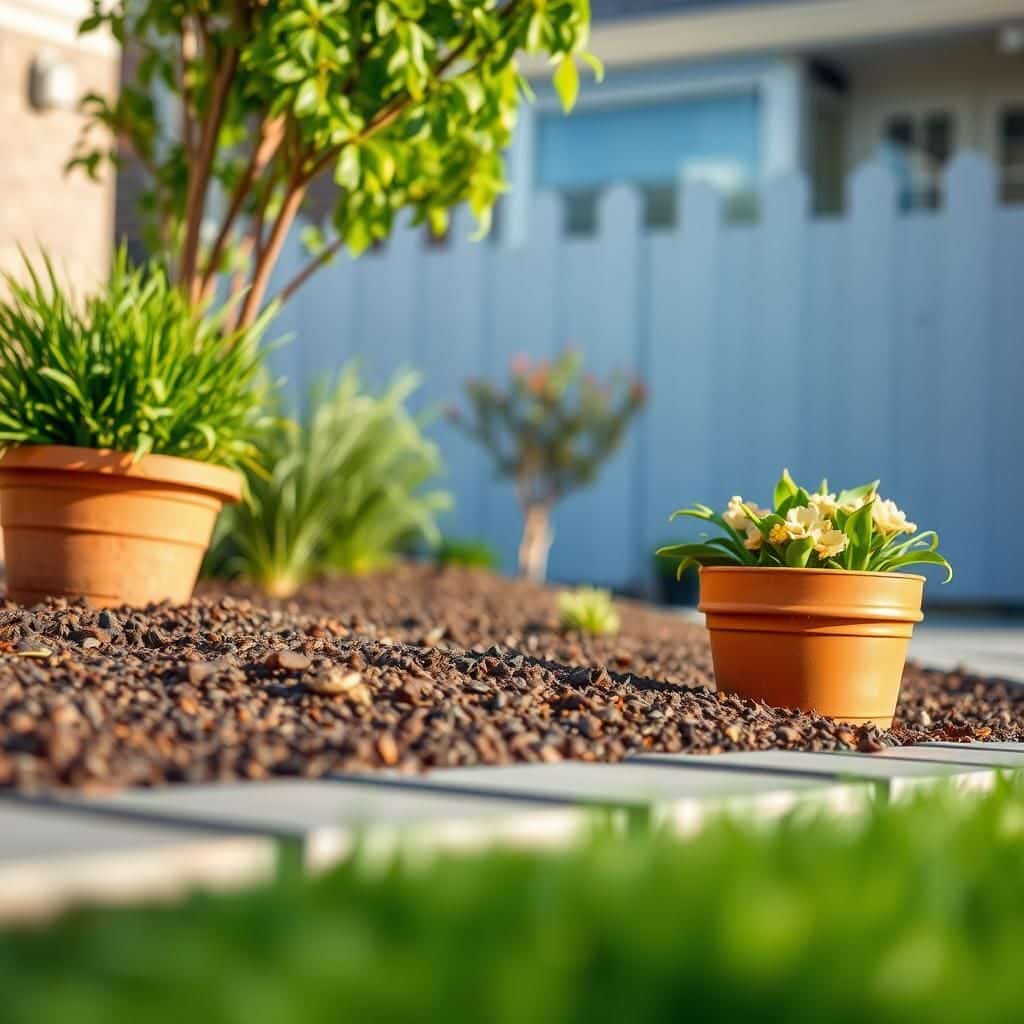
Maintaining a beautiful landscape requires careful planning and regular upkeep. But how often should you schedule landscaping services to ensure your outdoor space remains healthy and appealing? This article explores expert recommendations on the ideal frequency for various maintenance tasks, from mowing and pruning to mulching and seasonal clean-ups. Whether you’re a homeowner looking to enhance your property’s curb appeal or a gardener aiming for a flourishing green space, understanding these guidelines can help you achieve optimal results. Dive into our tips and discover the best practices for maintaining a vibrant landscape throughout the year.
How Often Should You Have Landscaping Done?
Maintaining a beautiful landscape is essential for both aesthetic appeal and property value, but the frequency of landscaping activities depends on several factors, including climate, plant types, and personal preference. Generally, seasonal maintenance should occur four times a year to ensure your garden thrives—spring for planting and mulching, summer for mowing and watering, fall for pruning and preparing for winter, and winter for clean-up and preparation for the upcoming season. Furthermore, routine tasks like lawn care and fertilization should ideally be conducted monthly to keep your greenery in top-notch condition, while larger projects like redesigns or installations may happen less frequently.
Seasonal Considerations
The timing of landscaping activities is heavily influenced by the season. In spring, prepare for growth by planting new flowers and adding fresh mulch. Summer focuses on maintenance tasks such as mowing, watering, and pest control. Fall is crucial for prepping plants for winter, and winter is ideal for planning out changes and repairs without the constraint of growing seasons.
Type of Plants
Different plants have varying needs based on their species. Annuals might require more frequent attention, as they bloom and die within a year, demanding seasonal replanting. In contrast, perennials can thrive with less frequent care, though they still need seasonal maintenance. Therefore, understanding your specific plants will dictate how often you should engage in landscaping efforts.
Climate Impact
Climate plays a significant role in determining the frequency of your landscaping efforts. In warmer regions, more frequent watering and pest control are necessary due to quicker plant growth and potential pests. Conversely, cooler climates may allow for less frequent interventions, concentrating efforts on spring planting and fall preparations.
Personal Preferences
Individual preferences can influence how often a person opts for landscaping services. Some homeowners may prioritize a well-manicured lawn and seek professional help monthly for upkeep, while others may adopt a more relaxed approach, opting for bi-annual check-ins or seasonal DIY projects. Ultimately, your level of involvement will shape the frequency of landscaping tasks.
Budgetary Constraints
Budget considerations heavily influence how often you can afford landscaping services. Regular upkeep can be costly, so some homeowners might opt for less frequent professional services and focus on DIY efforts for routine tasks. Crafting a landscaping budget that allows for seasonal maintenance can help manage costs while still enjoying a beautiful outdoor space.
| Frequency | Task | Season |
|---|---|---|
| Monthly | Lawn Care | All Year |
| Quarterly | Seasonal Maintenance | Spring, Summer, Fall, Winter |
| Annually | Major Redesign | Varies |
How often should you get landscaping done?

Landscaping maintenance is crucial for maintaining the aesthetic and functional quality of your outdoor space. The frequency of landscaping work varies based on several factors, including the type of landscaping features you have, your local climate, the health of your plants, and your personal preferences. Generally, a routine landscaping schedule can be categorized as follows:
1. Weekly Maintenance:
Regular tasks such as mowing, trimming, and edging should be done weekly, especially during the growing season. This keeps your lawn looking manicured and encourages the healthy growth of plants.
- Ensure grass is kept at an optimal height for health.
- Prune shrubs and flowers to promote growth.
- Weed areas to prevent competition for nutrients.
2. Monthly Checks:
Monthly inspections of your landscaping help identify any emerging problems. Tasks may include fertilization, pest control, and checking the health of your plants. Regular assessment can prevent larger issues.
- Apply fertilizer to promote healthy growth.
- Inspect for insect infestations or diseases.
- Check irrigation systems for efficacy.
3. Seasonal Landscaping:
Seasonal changes require specific landscaping actions, such as mulching in spring or leaf removal in fall. Different seasons present unique challenges and opportunities for enhancing your landscape.
- In spring, focus on planting and establishing new trees and plants.
- In summer, protect plants from drought and heat stress.
- In fall, prepare your garden for winter with cover crops or mulch.
4. Annual Services:
Certain landscaping tasks should be scheduled annually, such as aeration, sod installation, and landscape redesign. These larger projects can significantly enhance the overall look and health of your outdoor space.

- Aerate your lawn to improve soil health and root growth.
- Consider installing sod for a new lawn appearance.
- Redesign landscaping features to adapt to change or personal preference.
5. Specific Plant Needs:
Some plants require special attention at different times of the year, and schedules may vary based on the species you have in your landscape. Understanding these needs can help inform your landscaping frequency.
- Research plant-specific requirements for pruning and watering.
- Monitor for seasonal blooming and dormancy patterns.
- Adjust care routines based on the plant's growth stage.
What is the rule of 3 in landscaping?

The Rule of 3 in landscaping is a widely adopted guideline that suggests arranging plants, flowers, or other elements in odd groups, particularly in sets of three. This principle is grounded in the idea that odd numbers create a more natural and visually appealing arrangement than even numbers. When elements are grouped in threes, they tend to lead the eye through the landscape, creating balance and providing visual interest.
Why Use the Rule of 3?
Enhancing Visual Interest
Utilizing the Rule of 3 can significantly enhance the visual interest of a landscape. Odd-numbered groupings often lead to more dynamic layouts, as the variance in plant heights, colors, and textures can create focal points that draw the eye.
- Groups of three look more natural and organic.
- They can easily form a triangular composition, which is visually pleasing.
- This arrangement can help to establish rhythm and flow in the garden.
Achieving Balance and Harmony
The Rule of 3 plays a crucial role in achieving balance and harmony in landscaping. By using three plants of varying heights and shapes, one can create an aesthetically pleasing composition.
- The tallest plant can serve as a backdrop.
- Medium-sized plants can frame the taller element.
- Smaller plants or ground cover can fill in the foreground.
Creating Focal Points
Incorporating the Rule of 3 allows gardeners to create effective focal points within their landscapes. By clustering three elements together, you naturally emphasize these areas within the space.
- Brightly colored flowers can be used to capture attention.
- Interesting textures create variety and intrigue.
- Varying heights direct the viewer's gaze and highlight particular areas.
Improving Plant Health and Growth
Strategically using the Rule of 3 can also improve the health and growth of plants. Grouping plants with similar needs in threes enables better air circulation and promotes a microclimate conducive to growth.
- Similar watering needs can be managed more effectively.
- Plants can create shade and shelter for one another.
- Root systems can help promote soil health through natural interactions.
Guidelines for Using the Rule of 3
When applying the Rule of 3 in landscaping, there are some effective guidelines to follow. Keeping these tips in mind can elevate the landscape design.
- Choose plants that complement each other in color and texture.
- Vary the heights for a more dynamic composition.
- Consider seasonal changes for a year-round display.
How much does a landscaper cost per month?

The cost of hiring a landscaper can vary widely depending on several factors. On average, homeowners can expect to pay between $100 to $300 per month for basic landscaping services. However, more extensive services or larger properties can lead to monthly expenses ranging from $500 to $1,500. Here are some key factors that influence the overall cost.
Factors That Affect Landscaping Costs
The cost of landscaping can fluctuate based on various elements, including:
- Size of the Property: Larger areas require more materials and labor, thus increasing costs.
- Type of Services: Basic lawn care is less expensive than comprehensive landscaping design or installation.
- Geographic Location: Prices vary depending on the regional cost of living and local demand for landscaping services.
Types of Landscaping Services
Different landscaping services come with different price tags. Common services include:
See also:
- Lawn Maintenance: Basic mowing and trimming typically costs less than more specialized services.
- Landscape Design: Professional design consultation can substantially increase overall monthly costs.
- Installation Services: Planting new trees, shrubs, or hardscaping elements like patios adds to the monthly expense.
Cost of Seasonal Services
Landscapers often offer seasonal services that can affect monthly billing:
- Spring Cleanup: Preparing your garden for spring can incur extra charges.
- Winter Services: Snow removal or winterization of plants may be included in a monthly fee during colder months.
- Fertilization and Pest Control: Additional treatments throughout the growing season can raise costs significantly.
Payment Structures for Landscaping
Understanding payment structures can help manage costs effectively:
- Monthly Retainer: Many landscapers offer services for a fixed monthly fee.
- Per-Project Pricing: For more complex projects, landscapers may charge by the job rather than a monthly fee.
- Hourly Rates: Some landscapers charge hourly, which can add up depending on the scope of work.
Comparing Landscaping Quotes
When considering a landscaper, comparing quotes can help find the best value:
- Obtain Multiple Estimates: Request quotes from several landscapers to gauge an average cost.
- Check References: Evaluating customer feedback can provide insights into the reliability of the service provider.
- Review Services Offered: Ensure the quotes include similar services to make an appropriate comparison.
What is the first rule of landscaping?

The first rule of landscaping is to understand the site. This involves analyzing and assessing various factors that influence the design and maintenance of any outdoor space. By obtaining a thorough comprehension of these elements, landscapers can make informed decisions that ensure both aesthetic appeal and functional performance.
Site Analysis
To effectively understand the site, one must conduct a comprehensive site analysis that includes the following elements:
- Topography: Analyze the slopes, elevation changes, and overall surface characteristics of the property.
- Soil Quality: Evaluate the soil type, pH level, and drainage capabilities, as these factors greatly affect plant selection.
- Microclimates: Identify areas within the landscape that may have different sunlight, wind, or moisture conditions.
Plant Selection
Choosing the right plants is a crucial aspect of successful landscaping. It is essential to select plants that are appropriate for the specific conditions of the site.
- Climate Compatibility: Choose plants that are well-suited to the local climate, including temperature and precipitation patterns.
- Soil Preferences: Consider the specific soil requirements for different plant species.
- Maintenance Needs: Opt for plants that match the desired level of maintenance, whether low-maintenance or high-maintenance options.
Space Planning
Planning the layout of the landscape is vital for creating a functional and aesthetically pleasing environment. Consider the following factors:
- Purpose of Space: Determine how the space will be used, including areas for recreation, gardens, or relaxation.
- Flow and Accessibility: Design pathways and access points that ensure easy movement throughout the landscape.
- Visual Balance: Strive for visual harmony by balancing different elements such as plants, hardscapes, and structures.
Water Management
Effective water management can greatly influence the sustainability and health of your landscape. Key considerations include:
- Irrigation Systems: Design an efficient irrigation system that meets the needs of the plants while conserving water.
- Drainage Solutions: Implement effective drainage systems to prevent waterlogging and erosion.
- Rainwater Harvesting: Consider systems to capture and utilize rainwater for irrigation purposes.
Long-Term Maintenance
Plan for the future by establishing a long-term maintenance strategy that supports the health and appearance of your landscape.
- Regular Inspections: Schedule periodic checks to assess plant health and landscape condition.
- Seasonal Care: Develop a seasonal care routine that includes pruning, fertilizing, and pest control.
- Adaptation Strategies: Be prepared to adapt the landscape design based on changing conditions and plant performance.
Questions from Our Readers
How often should I have my landscaping done?
The frequency of landscaping depends on various factors such as the climate, type of plants, and overall vision for your garden. Generally, it's advisable to seek a professional landscaping service at least twice a year—once in the spring for planting and once in the fall for cleanup and preparation for winter.
What factors influence the frequency of landscaping services?
Key factors that influence how often you should have landscaping done include the local climate, the type of vegetation you have, and the specific needs of your outdoor space. For instance, regions with extreme weather may require more frequent maintenance to ensure that plants remain healthy and well-groomed.
Are there specific times of the year that are better for landscaping?
Yes, the best times for landscaping services are typically during the spring and fall. Spring is ideal for planting new flowers and shrubs, while fall is the perfect time for cleanup and preparing gardens for winter. Both seasons allow you to enhance your landscape effectively.
See also:
Can I do my own landscaping maintenance, or should I hire a professional?
While some landscaping maintenance tasks can be performed DIY, such as mowing and weeding, hiring a professional is recommended for complex projects. Professionals have the skills and tools to ensure that your landscape is not only beautiful but also healthy and sustainable.

If you want to read more articles like How Often Should You Have Landscaping Done? Expert Tips for Optimal Maintenance, we recommend you check out our Landscaping category.
Leave a Reply
Related Articles