Ultimate Guide: How Often Should You Fertilize Your Lawn in Australia?

Maintaining a lush, green lawn in Australia requires more than just regular mowing and watering; proper fertilization plays a crucial role in achieving that perfect yard. However, understanding how often to fertilize can be confusing for many homeowners. With varying climate conditions, soil types, and grass species across the country, it's essential to tailor your fertilization schedule to meet the specific needs of your lawn. This ultimate guide will explore the best practices for fertilizing your lawn in Australia, helping you determine the optimal frequency and techniques to ensure your outdoor space is healthy, vibrant, and thriving year-round.
How Often Should You Fertilize Your Lawn in Australia?
In Australia, the frequency of fertilizing your lawn depends on various factors, including the type of grass you have, the climate in your region, and the time of year. Generally, it is recommended to fertilize your lawn around two to four times per year. In warmer regions, such as Queensland, you may opt for more frequent applications during the growing season, typically from spring to early autumn. Conversely, in cooler areas, like Tasmania, fewer applications may be necessary. It's essential to choose a fertilization schedule that aligns with your specific grass type, local weather conditions, and overall lawn care practices to ensure optimal growth and health.
Types of Grass in Australia
Different types of grass thrive in Australia's diverse climates, influencing fertilization needs. For instance, warm-season grasses like Buffalo and Kikuyu flourish in northern regions and need more frequent fertilization during their active growth period. In contrast, cool-season grasses such as Fescue and Rye prefer the southern parts and benefit from periodic fertilization during their peak growth times in spring and autumn. Understanding the specific needs of your grass type will help determine an appropriate fertilization schedule.
Impact of Climate on Fertilization
Australia's varying climates play a significant role in lawn care practices, including fertilization. In warmer areas, higher temperatures result in quicker nutrient uptake, necessitating more frequent fertilization. Conversely, in cooler regions, prolonged winter dormancy means that grass growth slows down, thus reducing the need for fertilizers during this period. Adjusting your fertilization techniques according to your local climate conditions can enhance lawn health and aesthetics.
Best Time to Fertilize
The optimal times to fertilize your lawn in Australia largely coincide with the growing seasons of your specific grass type. For warm-season grasses, the main fertilization periods are late spring and summer, while cool-season grasses are best fertilized in early spring and autumn. By timing your fertilization efforts correctly, your lawn can maximize nutrient absorption, leading to thicker, healthier turf.
Organic vs. Synthetic Fertilizers
When deciding on fertilizer options, you can choose between organic and synthetic fertilizers. Organic options, made from natural materials, release nutrients more slowly and improve soil health over time, making them a favorable choice for sustainable lawn care. Synthetic fertilizers, on the other hand, provide immediate nutrient boosts but may lead to runoff and pollution if not applied correctly. Evaluating the advantages and disadvantages of each type before application can be crucial for your lawn's long-term vitality.
Common Mistakes in Lawn Fertilization
Many homeowners make common mistakes when it comes to lawn fertilization, such as over-fertilizing, which can lead to nutrient burn and environmental harm. Not following the recommended application rates or applying fertilizers at the wrong time can severely affect lawn health. Additionally, neglecting to water appropriately after fertilization can prevent nutrients from penetrating the soil. Understanding these pitfalls can help you develop a more effective lawn care routine.
| Grass Type | Ideal Fertilization Frequency | Best Fertilization Months |
|---|---|---|
| Warm-Season Grass (e.g., Kikuyu) | 3-4 times a year | Spring to Early Autumn |
| Cool-Season Grass (e.g., Fescue) | 2-3 times a year | Spring and Autumn |
| Bermudagrass | 3-4 times a year | Late Spring to Mid-Summer |
| Buffalo Grass | 2-3 times a year | Spring and Early Summer |
How long should you wait in between fertilizing grass?

To determine how long you should wait in between fertilizing grass, various factors come into play, including the type of fertilizer used, the specific grass type, and the overall condition of the lawn. Generally, it is recommended to wait between 4 to 6 weeks between applications of fertilizer during the growing season. This period allows the grass to absorb nutrients effectively and minimizes the risk of over-fertilization, which can harm the lawn.
Understanding Grass Growth Cycles
Grass grows in cycles, and understanding these cycles is crucial for effective fertilization. The growing season typically varies depending on the climate and grass type.
See also:
- Warm-season grasses thrive in temperatures between 80°F and 95°F, often requiring fertilization from late spring to early summer.
- Cool-season grasses prefer temperatures between 60°F and 75°F, generally needing fertilization in early spring and fall.
- Tailoring your fertilization schedule to align with these growth cycles helps optimize nutrient uptake.
The Role of Fertilizer Types
Different types of fertilizers can impact how frequently you should apply them. Understanding the characteristics of each type can guide your timing.
- Slow-release fertilizers provide nutrients gradually, allowing longer intervals, typically 6 to 8 weeks between applications.
- Quick-release fertilizers deliver nutrients rapidly and may require a waiting period of 4 weeks to prevent nutrient burn.
- Organic fertilizers can enhance soil health but may necessitate more frequent applications, about every 4 to 6 weeks during the growing season.
Soil Health Considerations
The condition of the soil significantly influences grass growth and nutrient absorption. Assessing soil health is essential before determining fertilization frequency.
- Conduct a soil test to evaluate nutrient levels, pH balance, and organic matter content, which helps tailor fertilization needs.
- Healthy soil can hold nutrients better and may require less frequent fertilization, allowing for longer intervals.
- Regular aeration supports root growth and enhances nutrient absorption, potentially reducing the need for frequent applications.
Climate and Weather Factors
Local weather conditions greatly affect grass growth rates and, subsequently, fertilization timing. Being aware of these elements is beneficial.
- Hot, dry conditions may stress grass, increasing the need for nutrients, thus possibly shortening the wait time to 3 to 4 weeks.
- Cool, wet conditions can slow growth, allowing for longer wait times of 6 to 8 weeks if the grass is not growing vigorously.
- Monitor seasonal changes to adjust your fertilization schedule accordingly, ensuring optimal growth.
Signs of Nutrient Deficiency
Keeping an eye out for signs of nutrient deficiency can help determine if it's time to fertilize again.
- Discoloration of the grass, such as yellowing blades, might indicate a nitrogen deficiency, suggesting it may be time to fertilize.
- Poor growth or thin patches can signal inadequate nutrient levels, calling for a fertilization check.
- Look for weeds, which can indicate competition for nutrients; applying fertilizer might be necessary to promote healthy grass regrowth.
How do you know when your lawn needs to be fertilized?
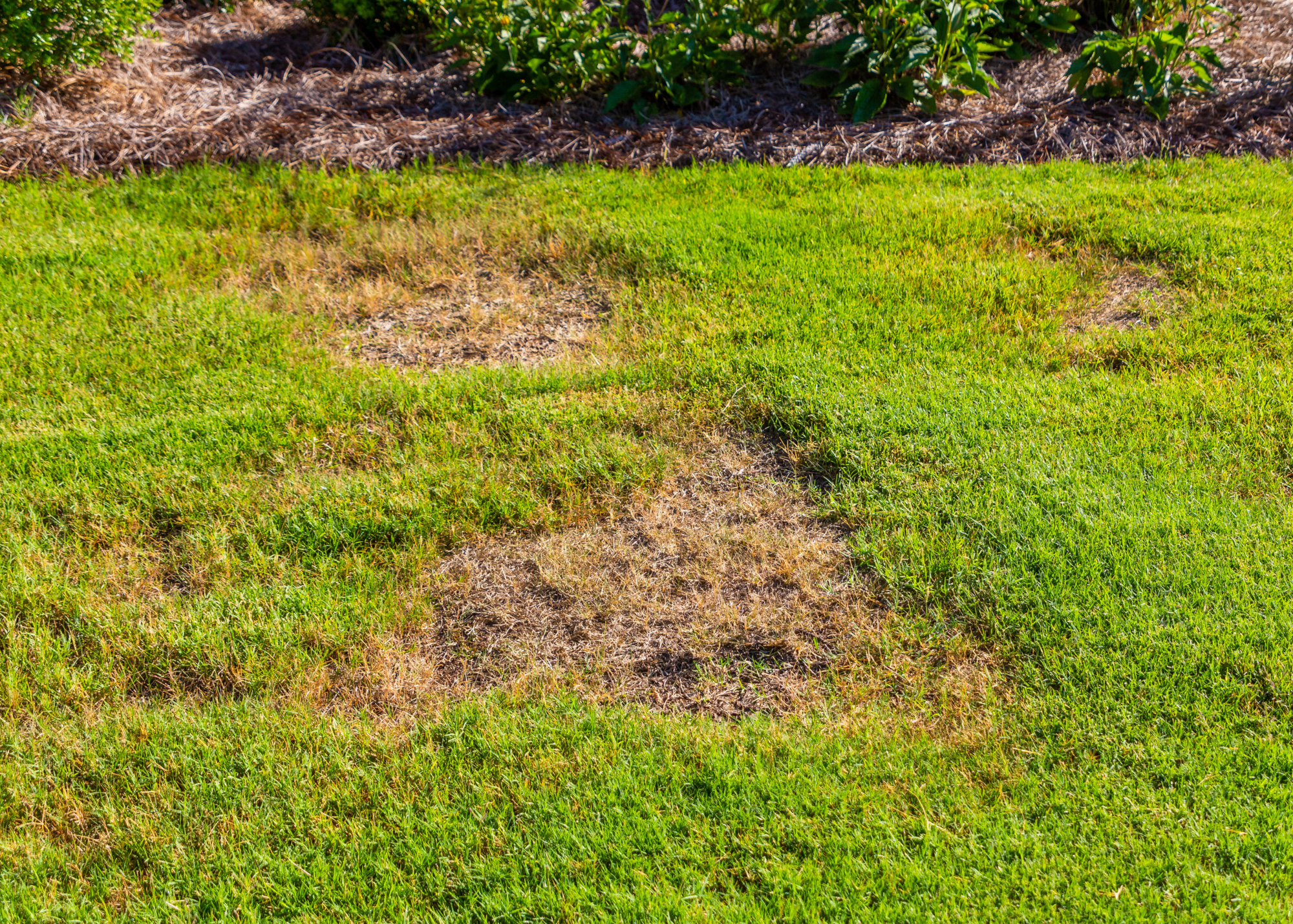
To determine when your lawn needs to be fertilized, several signs can indicate nutrient deficiencies or the appropriate time for application. Proper lawn care requires careful observation of grass growth, color, and overall health. Here are key indicators that suggest it’s time for fertilization:
Signs of Nutrient Deficiency
If your grass is showing signs of nutrient deficiency, it’s a clear indicator that fertilization is necessary. Common deficiencies include nitrogen, phosphorus, and potassium, which are crucial for healthy grass growth. Look for the following symptoms:
- Yellowing leaves - This indicates a lack of nitrogen.
- Stunted growth - Grass may not grow as tall or thick as usual.
- Poor root development - Weak roots lead to a less resilient lawn.
Seasonal Changes
Understanding the seasons can help you determine when to fertilize. Different grasses have varying nutrient needs depending on the time of year. Typically, cool-season grasses thrive in spring and fall, while warm-season grasses prefer the summer months. Pay attention to:
- Spring growth - If you notice vigorous growth in early spring, it may indicate the need for fertilization.
- Fall preparations - Fertilizer application in the fall can help grass store nutrients for the winter.
- Summer dormancy - If your lawn goes dormant in the heat, avoid fertilizing during this period.
Grass Color and Density
The color and thickness of your lawn's grass are vital signs of its health. A lush, green lawn usually signifies adequate nutrients, while discoloration can indicate the need for fertilization. Assess your lawn by observing:
- Color saturation - A dull or pale green color suggests a nutrient deficiency.
- Patchiness - Sparse or bare patches may indicate an uneven distribution of nutrients.
- Clumping or thinning - Uneven growth patterns may require targeted fertilization.
Soil Testing
Conducting a soil test is one of the most accurate ways to determine your lawn's nutritional needs. This test will inform you about the nutrient levels in your soil and any amendments needed for optimal grass growth. Consider:
See also:
- pH levels - Ensure the soil pH is appropriate for your grass type, as it affects nutrient availability.
- Nutrient levels - A soil test will identify deficiencies in nitrogen, phosphorus, or potassium.
- Organic matter content - Higher levels improve soil structure and nutrient retention, influencing fertilization needs.
Local Climate and Weather Patterns
Understanding your area's climate can help you time your fertilization properly. Different climates may necessitate different approaches to lawn care. For optimal results, consider:
- Rainfall patterns - Frequent rains can wash away fertilizers, while dry spells may require more frequent applications.
- Temperature fluctuations - Extreme temperatures can stress your lawn and affect nutrient uptake.
- Humidity levels - High humidity can foster faster growth, necessitating a more regular fertilization schedule.
Is it best to fertilize a lawn before or after rain?

Fertilizing a lawn involves careful timing to optimize nutrient uptake and effectiveness. While both pre-rain and post-rain applications have their advantages, the preferred practice often depends on specific circumstances. Generally, it is best to fertilize before rain for several reasons, but there are considerations for fertilizing after rain as well.
Benefits of Fertilizing Before Rain
Fertilizing a lawn before rain can take advantage of natural watering, which helps in the quick absorption of nutrients.
- Enhanced Nutrient Absorption: Rain can help dissolve and carry the fertilizer into the soil more effectively, ensuring that the roots receive essential nutrients.
- Reduced Watering Needs: Applying fertilizer before rain minimizes the need for additional watering, saving you time and resources.
- Increased Activation: Many fertilizers need moisture to become active; rain ensures that the nutrients are readily available to the grass.
Drawbacks of Fertilizing Before Heavy Rain
Although there are benefits, caution is needed when expecting heavy rain shortly after fertilization.
- Leaching: Excessive rainfall can wash away the fertilizer, preventing it from reaching the roots and possibly causing environmental runoff.
- Uneven Distribution: Heavy rains can redistribute the fertilizer unevenly across your lawn, leading to patchy growth.
- Temporary Damage: If too much fertilizer is washed away, the grass can suffer from nutrient deficiency until it can be reapplied.
Advantages of Fertilizing After Rain
Fertilizing after it rains may also be beneficial in certain scenarios.
- Moist Soil Benefits: Fertilizer applied on moist soil may have an increased chance of uptake, as the soil is already saturated and more receptive.
- Reduced Risk of Burn: Fertilizing when the soil is moist lowers the risk of fertilizer burn, which can happen when nutrients are concentrated on dry grass.
- Optimal Timing: If nutrient levels are critically low, fertilizing immediately after rain can quickly revive a lawn’s health.
Considerations for Different Types of Fertilizer
Different fertilizers have unique properties that can affect the timing of application.
- Granular Fertilizers: These often benefit from moisture to activate, so applying before rain is usually ideal.
- Liquid Fertilizers: These tend to be more effective when applied directly to moist grass, facilitating quick absorption.
- Slow-Release Fertilizers: Timing may be less crucial, but applying them before rain can help with activation and distribution.
Optimal Conditions for Fertilizing
Understanding the specific conditions of your lawn is crucial for effective fertilization.
- Soil Type: Sandy soils drain quickly and may require different timing compared to clay soils, which retain water better.
- Current Weather Patterns: Consider the forecast to determine if rain is light and beneficial or heavy enough to cause nutrient loss.
- Lawn Condition: If your grass is under stress or yellowing, it may need fertilization regardless of the weather.
Questions from Our Readers
How often should you fertilize your lawn in Australia?
It is recommended to fertilize your lawn in Australia about 4 to 6 times a year. The frequency can vary depending on the type of grass and the specific region, so it's essential to consider the growth season and environmental factors.
What type of fertilizer is best for Australian lawns?
For Australian lawns, a slow-release fertilizer is often the best choice, as it provides a steady supply of nutrients over time. Look for fertilizers specifically formulated for your grass type to ensure optimal growth and health.
See also:
Is it necessary to fertilize during the winter months?
In most regions of Australia, it's not necessary to fertilize during winter when grass is dormant. However, pre-winter fertilization can help promote stronger growth in the spring, especially for cool-season grasses.
Can over-fertilizing harm my lawn?
Yes, over-fertilizing can harm your lawn by causing nutrient burn, which leads to brown patches and weakened grass. It's important to follow the recommended application rates and timing for the specific fertilizer used.

If you want to read more articles like Ultimate Guide: How Often Should You Fertilize Your Lawn in Australia?, we recommend you check out our Fertilised category.
Leave a Reply
Related Articles