How Often Do Sprinklers Need to Be Serviced? Essential Maintenance Tips for Your Irrigation System
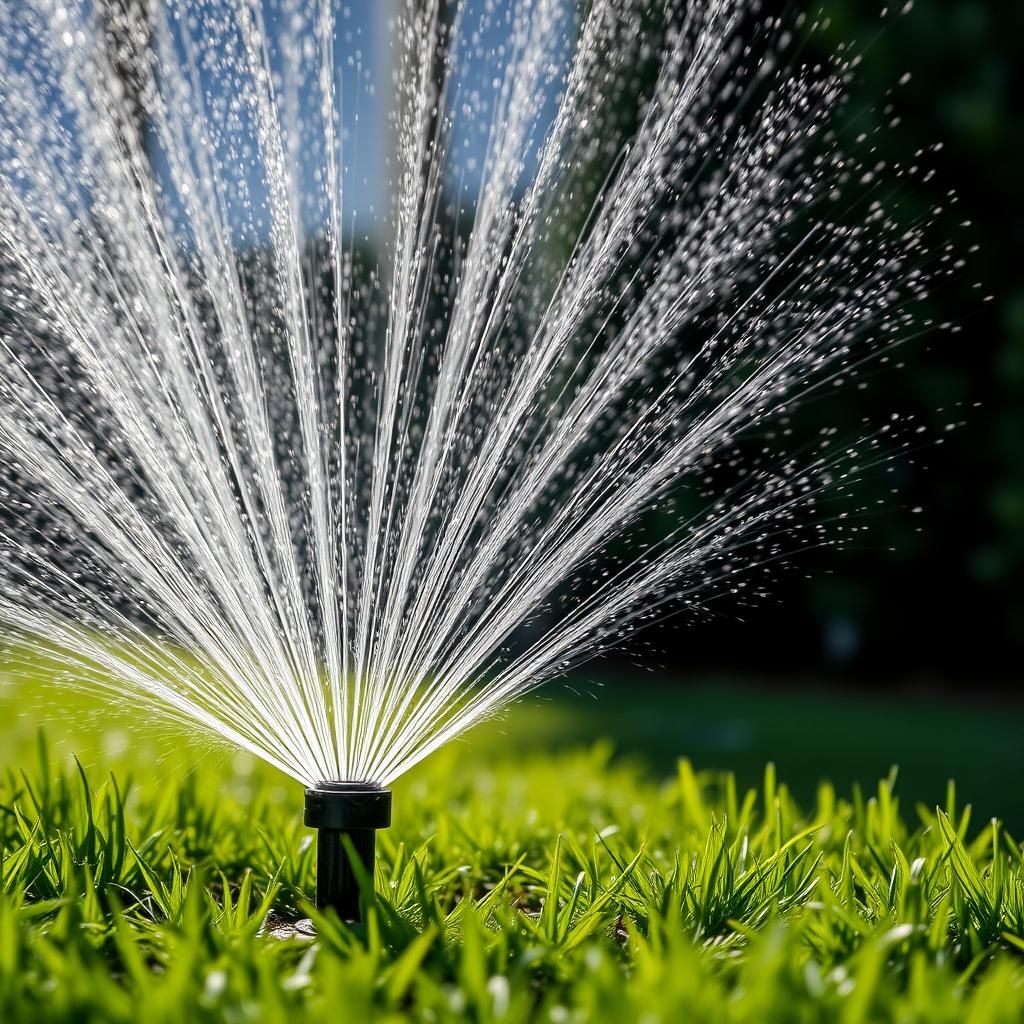
Maintaining an efficient irrigation system is crucial for the health of your landscape. Sprinklers, as integral components of this system, require regular servicing to ensure optimal performance and water conservation. Knowing how often to schedule maintenance can make a significant difference in the longevity of your system and the vitality of your plants. In this article, we will explore essential maintenance tips for your sprinkler system, including signs that indicate when servicing is needed and best practices to keep your irrigation working effectively throughout the seasons. Whether you're a seasoned gardener or a beginner, these insights will help you protect your investment.
How Often Do Sprinklers Need to Be Serviced?
The frequency with which sprinklers need to be serviced can vary depending on several factors, including the type of sprinkler system, the climate, and the usage pattern of the irrigation system. Generally, it is recommended to have a thorough inspection and maintenance of your sprinkler system at least once a year, preferably before the start of the watering season. This annual service typically includes checking for leaks, adjusting the spray patterns, and ensuring that all components are functioning correctly. Additionally, during the growing season, one should conduct regular checks every few months to ensure there are no clogs or obstructions that might hinder optimal performance.
Importance of Regular Maintenance
Regular maintenance of sprinkler systems is crucial for ensuring their efficiency and longevity. A well-maintained system helps prevent issues such as water waste, which can lead to higher water bills and ineffective landscaping. Seasonal maintenance involves cleaning the sprinkler heads, examining the valves, and ensuring timers are set correctly, which collectively enhances the overall performance of the system.
Signs That Your Sprinklers Need Service
There are several warning signs that indicate your sprinkler system may require servicing. If you notice uneven watering, with some areas receiving too much water while others remain dry, it may be time for a thorough check-up. Additionally, visible leaks, low water pressure, or unusually high water bills can also signal that the system needs attention. Observing any puddling or water pooling in your yard is another clear indicator of malfunction.
Seasonal Considerations
Seasonal factors play a significant role in how often sprinklers should be serviced. In areas experiencing harsh winters, it is crucial to prepare your system for the cold months by winterizing it, which can involve draining pipes and shutting off the water supply. Conversely, during the growing season, a careful assessment and potential servicing may be required much more frequently to ensure that the system is adequately irrigating plants which are actively growing.
DIY Checks vs. Professional Service
While some checks and maintenance tasks can be performed by homeowners as part of regular upkeep, there are cases where professional servicing is advisable. For instance, if you suspect major issues such as pipe breaks or complex electrical malfunctioning within your timer, it may be more efficient and safer to hire a professional. They possess the necessary tools and expertise to conduct a comprehensive evaluation and can provide solutions that may not be apparent to the average homeowner.
Cost of Sprinkler System Service
The cost associated with servicing a sprinkler system can vary widely based on several factors including the size of the system and the extent of the required maintenance. On average, an annual service may range from $75 to $150 for a basic inspection and maintenance session. However, if repairs or replacements of components are needed, costs can increase substantially. Creating a budget for annual checks can be an essential aspect of maintaining your sprinkler system efficiently.
| Service Task | Frequency | Estimated Cost |
|---|---|---|
| Annual Maintenance Inspection | Once a year | $75 - $150 |
| Seasonal Check-ups | Every few months | Varies |
| Major Repairs | Varies widely |
How often should you service a sprinkler system?
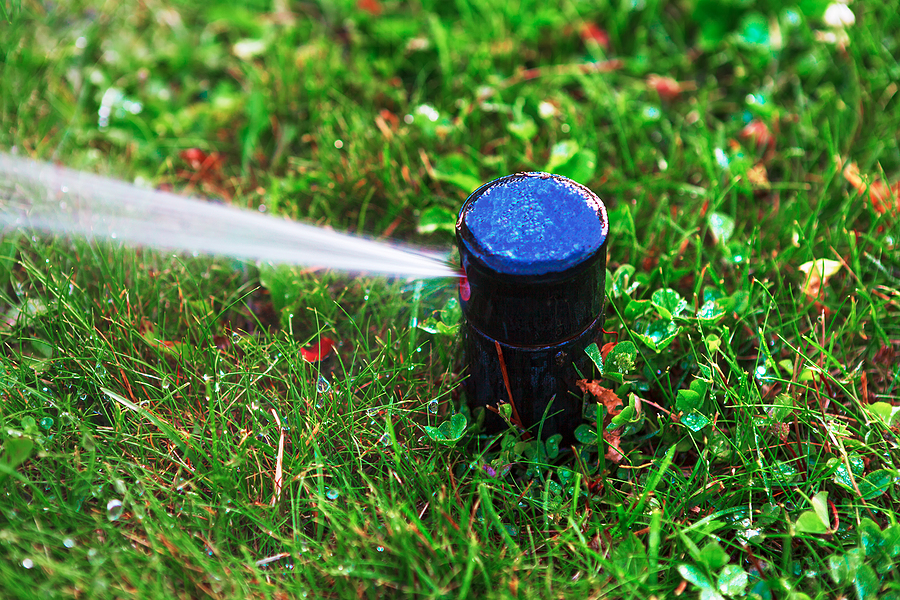
To maintain an effective and efficient sprinkler system, regular servicing is essential. Typically, it’s recommended to service a sprinkler system at least once a year, usually at the beginning of the growing season, to ensure it operates optimally. However, specific factors may necessitate more frequent servicing, especially in regions with high usage or specific weather patterns.
Factors Influencing Service Frequency
Yearly servicing can often be sufficient, but several factors may require more frequent attention:
- Climate: Areas with extreme weather conditions may need more regular checks.
- Frequency of Use: Systems used frequently in larger landscapes might require biannual servicing.
- Type of Plants: Systems catering to sensitive or diverse plant species may require closer monitoring.
Signs Your Sprinkler System Needs Servicing
Recognizing warning signs that indicate your sprinkler system may require servicing can save time and water:
- Inefficient Distribution: If water is pooling or missing sections of the lawn.
- Increased Water Bill: A sudden spike in water usage can indicate a problem.
- Visible Damage: Broken heads or leaks should prompt immediate attention.
Servicing Checklist for Sprinkler Systems
Having a detailed servicing checklist can streamline the maintenance process:
- Inspect Heads: Check for clogs or damage to sprinkler heads.
- Test Valves: Ensure all valves operate correctly and replace any faulty components.
- Check Pressure: Evaluate water pressure to ensure it is within the optimal range.
Benefits of Regular Servicing
Maintaining a routine service schedule can offer a variety of benefits:
See also:
- Efficiency: Well-maintained systems deliver water where and when needed.
- Cost Savings: Reduces the risk of expensive repairs and lowers water bills.
- Healthy Plants: Promotes better growth and health for your landscape.
DIY vs. Professional Servicing
Deciding between DIY servicing and hiring a professional can depend on several factors:
- Complexity: Systems with advanced technology may require professional knowledge.
- Time: Consider whether you have the time and skills to handle the tasks.
- Long-term Care: Regular professional audits can catch problems before they escalate.
What is the maintenance schedule for sprinkler systems?
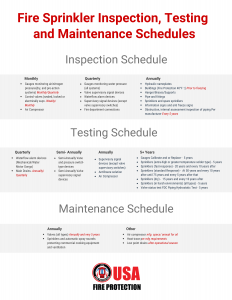
The maintenance schedule for sprinkler systems is crucial to ensure their efficiency and longevity. Regular maintenance can prevent costly repairs and ensure that the system operates effectively throughout the watering season. Below is a detailed overview of the recommended maintenance schedule for sprinkler systems.
Seasonal Inspection
During the start of each new season, a thorough inspection of the entire sprinkler system must take place. This process helps identify any issues that may have arisen during the off-season.
- Check for any visible damage to the sprinkler heads and pipes.
- Inspect for leaks or signs of wear in the valves and connections.
- Ensure that the sprinkler zones are even and not obstructed by debris, plants, or soil.
Adjustments and Calibration
Once the inspection is complete, it is important to adjust and calibrate the system as necessary. Proper alignment and scheduling ensure optimal coverage.
- Adjust the sprinkler spray patterns to eliminate overspray.
- Change the watering schedule based on seasonal changes and rainfall.
- Test and adjust the pressure for consistent water distribution across all zones.
Cleaning and Maintenance of Components
Regular cleaning of the components of a sprinkler system is vital for optimal performance. Dirt and debris can obstruct functionality, leading to inefficient watering.
- Clean or replace filters to prevent clogging.
- Flush the system to eliminate any impurities that may have accumulated.
- Inspect and clean nozzles and heads to ensure they are delivering water properly.
Winterizing the System
In regions where temperatures drop below freezing, winterizing the sprinkler system is essential to prevent damage from frozen water.
- Drain all water from the pipes and sprinkler heads.
- Use an air compressor to blow out remaining water from the system.
- Insulate any above-ground components to protect them from freezing temperatures.
Annual Professional Check-Up
Scheduling an annual professional check-up is advisable to ensure all aspects of the sprinkler system are in top condition. This can help identify issues that may not be visible during routine maintenance.
- Hire a qualified technician to conduct a thorough assessment of the system.
- Review any recommendations for repairs or upgrades to improve efficiency.
- Document all findings and maintenance performed for future reference.
How often do sprinkler heads need to be inspected?
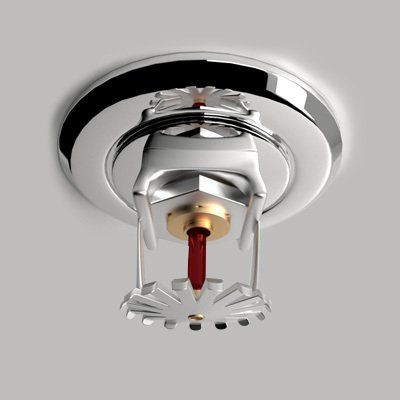
Sprinkler heads are a crucial component of fire protection systems, and regular inspections are vital to ensure their functionality. The frequency of these inspections generally depends on several factors, including local regulations, the environment where the sprinkler system is installed, and the type of sprinkler head being used. In general, sprinkler heads should be inspected at least once a year. However, specific guidelines suggest that organizations maintain a more rigorous inspection schedule depending on the circumstances.
1. Importance of Regular Inspections
Regular inspections of sprinkler heads are essential for maintaining fire safety and compliance with building regulations. These inspections help identify any operational issues or physical damage that could hinder the effectiveness of the sprinkler system in an emergency. The key reasons for regular inspections include:
- Ensuring the reliability of the sprinkler system.
- Identifying corrosion or blockages that could impair functionality.
- Meeting regulatory requirements to prevent liabilities.
2. Local Codes and Regulations
The inspection frequency may vary due to local fire codes and regulations, which dictate the maintenance of fire safety systems. These rules are often influenced by factors such as:
- The type of building (commercial, residential, etc.).
- The environment, such as exposure to weather or chemicals.
- The age and history of the sprinkler system.
3. Environmental Considerations
The environment plays a significant role in determining how often sprinkler heads need to be inspected. Certain factors can accelerate wear and tear, including:
See also:
- Corrosive atmospheres (e.g., areas with high humidity or salt exposure).
- Presence of obstacles that may block water flow.
- Temperature extremes that may affect the mechanical components of the sprinkler heads.
4. Types of Sprinkler Heads
Different types of sprinkler heads may require varying inspection routines due to their unique characteristics and operational functions. Consider the following:
- Standard spray heads may need less frequent checks than specialized systems.
- Control mode sprinklers should be inspected more often for any mechanical faults.
- Wet vs. dry systems have different inspection demands based on their design.
5. Signs of Potential Problems
Identifying signs of potential problems is crucial for maintaining sprinkler head functionality. When conducting inspections, keep an eye out for:
- Visible damage such as dents or cracks on the sprinkler heads.
- Signs of leaks or water stains around the heads.
- Discoloration or buildup indicating corrosion or blockage.
What is the 3x rule for sprinklers?
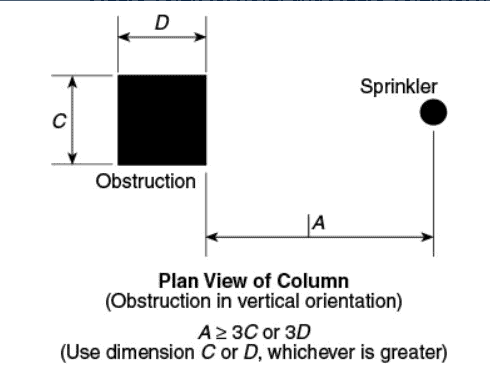
The 3x rule for sprinklers is a guideline used primarily in fire protection engineering to determine the spacing and coverage of sprinkler systems. This rule states that the maximum distance between sprinklers should be three times the vertical height of the sprinkler from the highest point that it will spray water. The main objective of this rule is to ensure adequate coverage and distribution of water, which is critical for effective fire suppression.
Understanding the 3x Rule
The 3x rule simplifies the design and installation of sprinkler systems. It helps engineers estimate how far apart they can place sprinklers while still ensuring each unit will adequately cover the intended area.
- The vertical height is measured from the sprinkler head to the furthest point it is supposed to cover.
- Sprinklers must be installed considering the 3 times the height rule to avoid dry spots.
- This rule ensures that in case of fire, water will reach the most remote sections of the protected space effectively.
Application of the 3x Rule
The application of the 3x rule can vary depending on the layout of the building and the type of sprinkler head used. It's crucial for engineers to consider these factors when applying this rule during the installation phase.
- Standard sprinkler spacing usually considers a maximum distance to maintain efficiency.
- The type of occupancy and the fire hazard level also influence the application of this rule.
- Engineers should consult local codes and standards to ensure compliance with the 3x rule.
Benefits of the 3x Rule
The benefits of following the 3x rule in sprinkler system design include improved safety and enhanced fire suppression capabilities. By adhering to this guideline, building designers can achieve efficient fire protection.
- Reduces the risk of fire spread due to inadequate coverage.
- Ensures even distribution of water over the entire area needing protection.
- Helps in optimizing the use of water and resources during a fire event.
Common Misconceptions About the 3x Rule
There are several misconceptions regarding the 3x rule that can lead to improper sprinkler installation. It's essential to clear these up to ensure effective fire safety measures are in place.
- Some believe that the 3x rule applies universally to all types of sprinklers, which is not always true.
- Another misconception is that increasing distance between sprinklers will save costs, but it can lead to inefficiency.
- Many also think that as long as the height is accounted for, coverage is guaranteed, which may not be accurate.
Regulatory Framework Influencing the 3x Rule
The regulatory framework surrounding fire safety and sprinkler systems significantly influences how the 3x rule is applied. Local building codes and fire safety standards must be adhered to during the design process.
- Different countries and regions may have varying codes that affect sprinkler installation.
- Compliance with standards such as NFPA (National Fire Protection Association) guidelines is crucial.
- Regular updates and revisions to fire codes necessitate staying informed on the regulations affecting the 3x rule.
Questions from Our Readers
How often should I service my sprinklers?
It is generally recommended to service your sprinklers at least once a year. This annual maintenance helps to identify any issues, clean the system, and ensure that everything is functioning efficiently.
What are the signs that my sprinklers need servicing?
Common signs that your sprinklers need servicing include uneven watering, clogs, or leaking. If you notice dry patches in your lawn or water pooling in certain areas, it is likely time for a maintenance check.
Can I service my sprinklers myself?
Yes, many homeowners can perform basic sprinkler maintenance themselves, such as cleaning heads and checking for visible leaks. However, for more complex issues or repairs, it's best to hire a professional to ensure proper servicing.
What does sprinkler servicing typically include?
Sprinkler servicing typically includes checking and adjusting sprinkler heads, inspecting the entire system for leaks, cleaning filters, and verifying that the controller settings are optimized for your landscape needs. Regular servicing ensures your system remains in top condition.
See also:

If you want to read more articles like How Often Do Sprinklers Need to Be Serviced? Essential Maintenance Tips for Your Irrigation System, we recommend you check out our Irrigation category.
Leave a Reply
Related Articles