How Often Do Sprinkler Systems Need to Be Replaced? A Complete Guide for Homeowners

Sprinkler systems play a crucial role in maintaining a lush, healthy landscape, but like all home systems, they have a lifespan and require regular maintenance. Homeowners often wonder how frequently these systems should be replaced to ensure optimal performance. In this comprehensive guide, we will explore the factors that influence the longevity of sprinkler systems, such as the type of system, quality of installation, and environmental conditions. Additionally, we will provide tips on identifying signs of wear and tear, as well as recommendations for homeowners to make informed decisions about replacing their sprinkler systems when necessary.
How Often Should Sprinkler Systems Be Replaced?
Typically, sprinkler systems need to be replaced every 10 to 15 years, although this can vary based on a number of factors, including water quality, climate, and the amount of use. Over time, components can become corroded or damaged, leading to inefficiencies in watering and potentially causing water wastage. Regular maintenance can extend the life of a sprinkler system, but eventually, the cumulative wear and tear will necessitate a full replacement to ensure optimal performance and coverage.
Factors Influencing Sprinkler System Lifespan
Several factors can influence how long a sprinkler system lasts. Environmental conditions such as extreme heat, cold, or excessive moisture can cause components to degrade more quickly. Additionally, the quality of water used in the system can lead to mineral buildup, affecting flow and pressure. Maintenance practices also play a crucial role; systems that receive regular checks and repairs tend to outlast those that are neglected.
Signs Your Sprinkler System Needs Replacement
It’s important to recognize the signs that your sprinkler system may need replacement. Look for frequent leaks, inconsistent watering patterns, or a significant increase in water bills. If you notice poor plant health or dry spots in your yard, it may indicate that the system is no longer functioning effectively. Moreover, if you find that many valves or heads are broken or corroded, it may be more cost-effective to replace the entire system rather than attempting piecemeal repairs.
Maintenance Tips to Extend System Life
Proper maintenance can significantly extend the life of a sprinkler system. Regularly check for leaks, clean filters, and replace any damaged heads or lines. Ensuring that the system is winterized and kept free from debris will help prevent damage during extreme weather conditions. Scheduling annual inspections or servicing with a professional can also identify potential issues before they lead to more significant problems.
Cost Considerations for Replacement
The cost to replace a sprinkler system depends on various factors such as the size of the area being irrigated, the type of system chosen, and the complexity of installation. On average, homeowners can expect to spend anywhere from $1,500 to $3,500 for a complete replacement. It is advisable to get multiple quotes from professionals to ensure competitive pricing and to consider long-term benefits such as water efficiency and reduced maintenance costs.
Benefits of Upgrading Your Sprinkler System
Upgrading your sprinkler system can lead to increased efficiency and water conservation. Newer models often come equipped with advanced technology like smart controllers and drip irrigation options, which can help you tailor watering schedules to the specific needs of your plants. This not only promotes healthier growth but can also lead to significant savings on water bills over time. Furthermore, an upgraded system can enhance the overall appearance of your landscape, boosting property value.
| Age of System | Recommended Action |
|---|---|
| Less than 10 years | Regular maintenance and check-ups |
| 10-15 years | Consider full system inspection |
| More than 15 years | Prepare for possible replacement |
What is the life expectancy of a sprinkler system?

The life expectancy of a sprinkler system typically ranges between 20 to 30 years. However, several factors can influence this duration, including the quality of materials used, maintenance practices, environmental conditions, and the frequency of use. Proper installation and regular inspections can help extend the system's functionality and lifespan.
Factors Influencing Life Expectancy
The life expectancy of a sprinkler system can be greatly affected by various elements, including:
- Material Quality: Systems made from high-quality materials tend to last longer.
- Environmental Conditions: Harsh weather, such as extreme heat or cold, can impact the components.
- System Usage: Frequent use may lead to quicker wear and tear, shortening the system’s lifespan.
Importance of Regular Maintenance
Regular maintenance is vital for maximizing the lifespan of a sprinkler system. Neglecting maintenance can lead to leaks, clogs, and other issues that could reduce its efficiency and longevity. Key maintenance practices include:
- Annual Inspections: Professional check-ups are essential for identifying potential problems early.
- Cleaning Components: Regularly cleaning the nozzles and filters prevents clogs.
- Replacing Damaged Parts: Timely replacements can prevent system failures and extend overall life.
Signs of Aging in Sprinkler Systems
As a sprinkler system ages, specific signs may indicate that it needs attention or replacement. These include:
- Frequent Repairs: If repairs become more common, it may be time to consider a new system.
- Inconsistent Water Pressure: Fluctuations in pressure can signal issues within the system.
- Visible Damage: Cracks, leaks, or rust can indicate deterioration.
Cost Considerations for Replacement
The cost of replacing an aging sprinkler system can vary widely based on several factors, including:
See also:
- System Type: Different systems, such as drip, spray, or subsurface, have varying costs.
- Size of the Area: Larger areas may require more extensive systems and higher installation costs.
- Labor Costs: Installation costs can differ based on geographic location and contractor fees.
Upgrading to New Technology
Upgrading an old sprinkler system to incorporate new technology can offer significant advantages, such as:
- Smart Irrigation Technology: These systems optimize water usage based on weather conditions.
- Improved Efficiency: New systems often provide better coverage and less waste.
- Enhanced Control Options: Advanced systems can be controlled remotely, allowing for easy adjustments.
How much does it cost to replace an entire sprinkler system?

Replacing an entire sprinkler system can vary significantly in cost based on several factors. On average, homeowners can expect to pay between $2,000 and $5,000 for a complete replacement. The exact price will depend on factors such as the size of the area to be irrigated, the complexity of the system, and local labor costs. Here is a breakdown of the major factors affecting the cost:
Factors Affecting the Cost
The overall cost of replacing a sprinkler system can be influenced by multiple factors:
- Size of the Property: Larger properties generally require more sprinkler heads and longer piping, increasing installation costs.
- Type of Sprinkler System: More advanced systems, such as drip irrigation or smart systems, come with higher costs due to the technology involved.
- Labor Costs: Hiring a professional will incur labor costs, which can vary by region and the complexity of the installation.
Type of Sprinkler System
The type of sprinkler system you choose can greatly impact the total cost of replacement:
- Conventional Sprinklers: These are often the least expensive option, suitable for standard lawns.
- Drip Irrigation: While this system can save money on water bills, it typically has a higher upfront cost.
- Smart Sprinkler Systems: Equipped with sensors and automated controls, these systems are the priciest but can lead to long-term savings.
Installation Considerations
Installation can vary greatly based on several considerations that influence the total investment:
- Soil Type: Rocky or poor soil conditions may require additional labor and materials.
- Existing Infrastructure: If old systems need to be removed or if there are obstacles like trees or buildings, costs may increase.
- Permits and Regulations: Some areas may require permits for installation, adding to costs.
Maintenance and Upkeep Costs
When budgeting for a replacement, consider the ongoing maintenance expenses:
- Seasonal Maintenance: Regular checks and repairs can add approximately $100 to $200 per season.
- Repairs: Unexpected repairs may arise, leading to additional costs over time.
- System Upgrades: Upgrading existing components can also incur further expenses.
Return on Investment
Investing in a new sprinkler system can provide savings and advantages:
- Water Savings: More efficient systems can reduce overall water usage, leading to lower bills.
- Property Value: A well-maintained landscape can increase the overall value of your property.
- Time Savings: Automated systems save time compared to manual watering methods.
How often should you replace your sprinkler system?
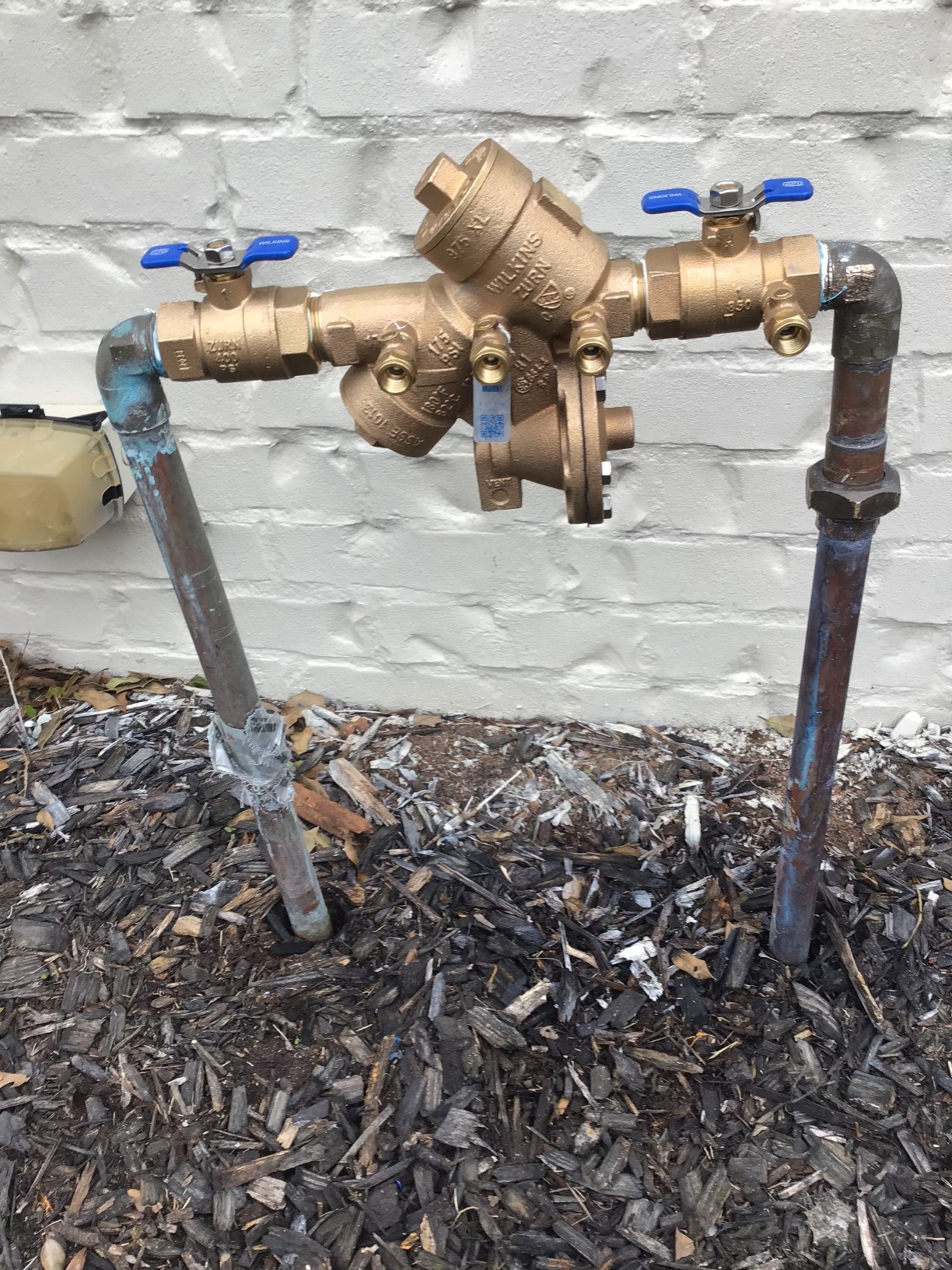
To determine how often you should replace your sprinkler system, several factors come into play, including the type, age, current condition, and frequency of use of the system. On average, sprinkler systems tend to last between 10 to 20 years. However, if you notice significant issues or decreased efficiency, it may be time for a replacement sooner rather than later.
Signs That Indicate Replacement
If your sprinkler system is experiencing problems, it’s essential to look for certain indicators that may suggest it’s time for an upgrade. These signs include:
- Frequent Repairs: If you find yourself frequently repairing the system, it may be less costly in the long run to replace it.
- Inconsistent Watering: If some areas of your garden are over-watered while others remain dry, your system may need replacement.
- Old Components: Check if major components are older than 10 years; they may not function efficiently anymore.
Evaluating System Efficiency
Assessing the efficiency of your current sprinkler system is crucial. An efficient system should provide uniform watering without excessive runoff. Consider the following:
- Water Usage: If your water bills are unusually high, your system may be leaking or not distributing water effectively.
- Coverage Area: Make sure the spraying pattern is adequate; poor coverage may result in replacing parts or the whole system.
- Technology Updates: Newer systems may offer more efficient technology that can save water and reduce costs.
Environmental Factors
Your region’s climate and soil conditions significantly affect the lifespan of your sprinkler system. Understanding these can help you decide when replacement is necessary:
See also:
- Temperature Extremes: Areas with extreme temperatures can wear down systems faster due to freeze-thaw cycles.
- Soil Type: Sandy soils may require different systems; if soils in your area have changed, your system might need to adapt.
- Local Regulations: New regulations on water use may prompt the need for an updated, more efficient system.
Maintenance Practices
Proper maintenance can extend the life of your sprinkler system, but neglect can lead to a quicker need for replacement. Consider these practices:
- Regular Inspections: Schedule annual inspections to catch problems early and determine if replacements are needed.
- System Flushing: Flushing your system regularly helps prevent clogs that can damage components.
- Timely Repairs: Addressing minor issues promptly can help maintain system integrity and delay replacement.
Cost Considerations
Understanding the costs associated with replacing your sprinkler system can help you make an informed decision. Key aspects to consider include:
- Initial Investment: The upfront cost of a new system may seem high but consider long-term savings in efficiency.
- Repair Costs: Compare ongoing repair costs with the potential savings and efficiency of a new system.
- Increased Property Value: A modern sprinkler system can enhance your property’s appeal, potentially increasing its value.
What is the 3x rule for sprinklers?
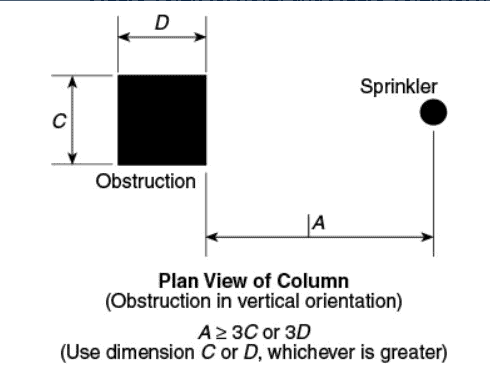
The 3x rule for sprinklers refers to a guideline used in irrigation design that helps ensure the effective coverage of water over a given area. This rule suggests that the spacing between sprinkler heads should be no greater than three times the radius of the sprinkler’s throw. Adhering to this rule maximizes water distribution efficiency, minimizes dry spots, and helps maintain healthy plant growth.
Understanding the 3x Rule
The 3x rule is a principle aimed at optimal water coverage. Each sprinkler is designed to cover a specific radius, which is essentially how far the water travels from the sprinkler head. To implement the rule, you calculate the maximum distance between the heads by multiplying the radius of the sprinkle throw by three. This ensures that there is sufficient overlap in water distribution.
- The radius of the sprinkler’s throw is determined by manufacturer specifications.
- The maximum spacing should not exceed three times that radius.
- This method helps ensure uniform watering across the entire area.
Importance of Overlap
One of the critical components of the 3x rule is the concept of overlap. Overlapping sprinkler patterns allow for consistent water coverage and reduce the risk of dry patches in the landscape. By ensuring that every area receives water from at least two sprinklers, the overall efficiency of the irrigation system is significantly enhanced.
- Overlapping coverage prevents water wastage and runoff.
- It encourages deeper root growth among plants.
- This uniformity supports healthier turf and foliage.
Factors Influencing Sprinkler Placement
Several factors affect how sprinklers should be placed according to the 3x rule, including terrain, plant types, and environmental conditions. Understanding these elements ensures that the design is tailored to the specific needs of the landscape.
- Terrain variations may require more or fewer sprinkler heads.
- Diverse plant types may have different water needs, affecting placement.
- Environmental factors like wind direction can alter water distribution patterns.
Common Mistakes to Avoid
When implementing the 3x rule, there are common errors that can lead to inefficient watering. Recognizing and avoiding these mistakes is essential for the proper functioning of an irrigation system.
- Ignoring the manufacturer's throw radius can lead to improper spacing.
- Inadequate overlap can create dry areas in the landscape.
- Overcomplicating the layout can lead to excess watering in some areas.
Benefits of the 3x Rule
The adoption of the 3x rule in lawn and garden irrigation systems offers several benefits, contributing to the overall effectiveness and sustainability of landscaping efforts.
- Enhances water efficiency by ensuring consistent coverage.
- Supports healthier plant growth through adequate moisture levels.
- Reduces maintenance costs by preventing overwatering and related issues.
Questions from Our Readers
How often do sprinkler systems need to be replaced?
Sprinkler systems generally last about 10 to 20 years, depending on their quality and how well they are maintained. Regular inspections and prompt repairs can extend their lifespan, but eventually, they will need to be replaced to ensure optimal performance.
What factors affect the lifespan of a sprinkler system?
The lifespan of a sprinkler system can be affected by several factors including climate, the quality of installation, and the materials used. Exposure to extreme weather conditions or poor maintenance can significantly shorten the system's operational life.
How can I tell if my sprinkler system needs to be replaced?
Signs that your sprinkler system may need to be replaced include inconsistent water distribution, frequent leaks, and constant repairs that do not resolve the issue. If these problems persist, it might be more cost-effective to replace the entire system.
Can I repair my sprinkler system instead of replacing it?
In many cases, you can repair specific issues within the system which may extend its life, such as fixing leaks or replacing broken heads. However, if repairs become too frequent or extensive, replacement may ultimately be a more viable option.
See also:

If you want to read more articles like How Often Do Sprinkler Systems Need to Be Replaced? A Complete Guide for Homeowners, we recommend you check out our Irrigation category.
Leave a Reply
Related Articles