How Much Topsoil Can You Put on Top of Grass? Essential Tips for Your Lawn Care
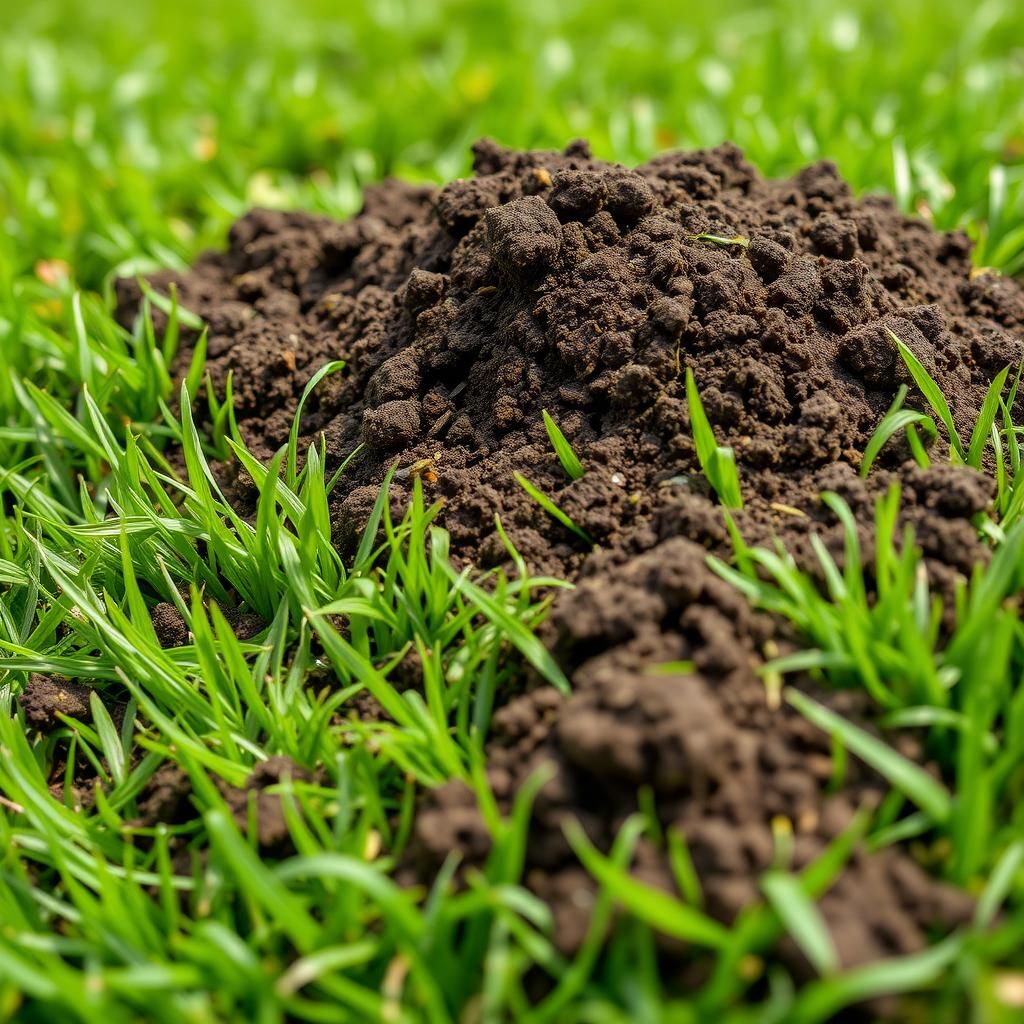
When it comes to maintaining a healthy lawn, understanding the role of topsoil is crucial. Topsoil not only supports grass growth but also improves soil structure and nutrient availability. However, applying the right amount of topsoil over your existing grass can be a bit challenging. Too much can suffocate the grass, while too little may not provide the desired benefits. In this article, we will explore how much topsoil you can safely apply, along with essential tips to ensure your lawn thrives while avoiding common pitfalls. Get ready to elevate your lawn care game with expert advice!
How Much Topsoil Can You Put on Top of Grass?
Applying topsoil to an existing lawn can be beneficial, but it is essential to understand how much can safely be added without harming the grass underneath. Typically, a layer of topsoil between 1/4 inch to 1/2 inch is recommended to avoid suffocating the grass, which requires light, air, and nutrients. Adding too much topsoil can lead to problems such as poor drainage and inadequate oxygen levels, hindering grass growth. Therefore, it is crucial to ensure that the topsoil is evenly distributed and to periodically check the health of the turf to make adjustments as necessary.
Benefits of Adding Topsoil
Adding topsoil to a lawn offers numerous advantages, including improved nutrient content, enhanced drainage, and better moisture retention. A thin layer of topsoil can provide a fresh start for grass, allowing roots to establish in a nutrient-rich environment. This can lead to a healthier and more vibrant lawn, as the additional topsoil can help in repairing compacted soil, supporting microbial life, and creating a barrier against weeds.
Potential Risks of Excess Topsoil
While topsoil can enhance grass growth, applying too much can have adverse effects. Over-layering may suffocate the grass, preventing it from accessing necessary oxygen and light. Additionally, excess topsoil can lead to poor drainage, resulting in water pooling and increasing the risk of fungal diseases. It's vital to stick to recommended depths and address any drainage issues beforehand to ensure lawn health.
How to Properly Apply Topsoil
To properly apply topsoil, first, the lawn should be mowed and debris cleared. Then, the layer of topsoil should be evenly spread, focusing on low spots and areas requiring repair. It's important to avoid creating hills or piles, which can obstruct the grass's growth. After application, lightly raking the soil can help the topsoil settle and promote contact with the existing grass, followed by light watering to assist with settling.
Testing Soil Conditions Before Application
Before applying topsoil, testing the existing soil condition is crucial. A soil test can reveal the pH, nutrient levels, and organic matter content, helping determine if topsoil addition is necessary. If the soil has high clay content or compacted areas, it might require a different approach than simply adding topsoil. Soil tests can guide amendments to optimize conditions for grass growth and inform you of the right amount of topsoil to use.
Best Types of Topsoil for Lawns
When selecting topsoil for lawn applications, it is key to choose high-quality options that are free of contaminants like weeds and pests. Look for screened topsoil that has a balanced mix of sand, silt, and clay, as this helps create the ideal growing conditions for grass. Organic matter, such as compost, can also be mixed with topsoil to improve nutrient availability and support soil aeration. Always check for compatibility with the existing lawn type before purchasing.
| Recommended Topsoil Depth | Effects | Ideal Application Conditions |
|---|---|---|
| 1/4 inch to 1/2 inch | Enhances nutrient levels | After mowing and cleaning debris |
| More than 1/2 inch | Risk of suffocation and poor drainage | When the lawn is already healthy |
Can you put topsoil on top of an existing lawn?
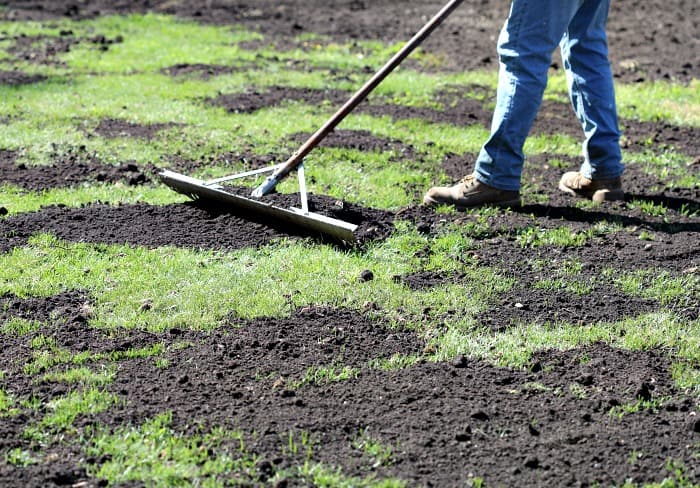
Yes, you can put topsoil on top of an existing lawn, but there are several factors to consider to ensure this process is beneficial for your grass. Topsoil can help improve the soil quality, provide new nutrients, and assist in level uneven areas. However, it is essential to do it correctly to avoid smothering or harming the existing grass and to ensure that the topsoil does not create drainage issues.
Reasons to Add Topsoil
Adding topsoil to your existing lawn can have multiple advantages. Here are a few reasons why homeowners might choose to do so:
- Improves soil quality: Topsoil contains organic matter and nutrients that enhance the overall health of the soil.
- Levels uneven surfaces: Adding topsoil can help even out areas of your lawn that may have settled or have been damaged.
- Encourages healthy growth: Fresh topsoil can assist in promoting more vigorous grass growth by providing new nutrients.
Timing for Adding Topsoil
The timing of when you apply topsoil over your existing lawn is crucial. It is recommended to do so during the growing season when the grass is actively growing to reduce stress on the lawn.
- Cool-season grasses: Best applied in early spring or early fall.
- Warm-season grasses: Ideal to apply in late spring or early summer when temperatures are warmer.
- Avoid extreme weather: Do not apply during droughts or extreme heat, as this can stress the grass.
How to Apply Topsoil
Applying topsoil correctly can make a significant difference in the health of your lawn after the process. Here are steps to properly apply topsoil on an existing lawn:
- Prepare the lawn: Mow the grass short (but not scalped) to help integrate the topsoil.
- Spread evenly: Use a shovel or a topsoil spreader to apply a thin layer of topsoil (1/4 to 1/2 inch) to ensure the grass can receive light.
- Water the topsoil: Water lightly after application to help settle the topsoil and promote healthy integration with the existing lawn.
Considerations Before Application
Before proceeding, it's essential to consider a few factors to avoid harming your lawn. Here are some important considerations:
- Check for pests or diseases: Ensure your lawn is healthy and free from pest infestations or diseases.
- Soil testing: Conduct a soil test to understand the nutrient composition and pH level of your existing soil.
- Choose quality topsoil: Make sure to select high-quality topsoil free of debris, weed seeds, or harmful pathogens.
Post-Application Care
After applying topsoil, it is crucial to care for your lawn to ensure recovery and promote growth. Here are some post-application tips:
- Watering: Keep the soil consistently moist but not waterlogged for optimal growth.
- Aeration: Consider aerating your lawn if you have added a thicker layer of topsoil to improve drainage.
- Monitor growth: Watch for any signs of stress in your existing grass and adjust care practices accordingly.
How much topsoil can I put on top of grass?
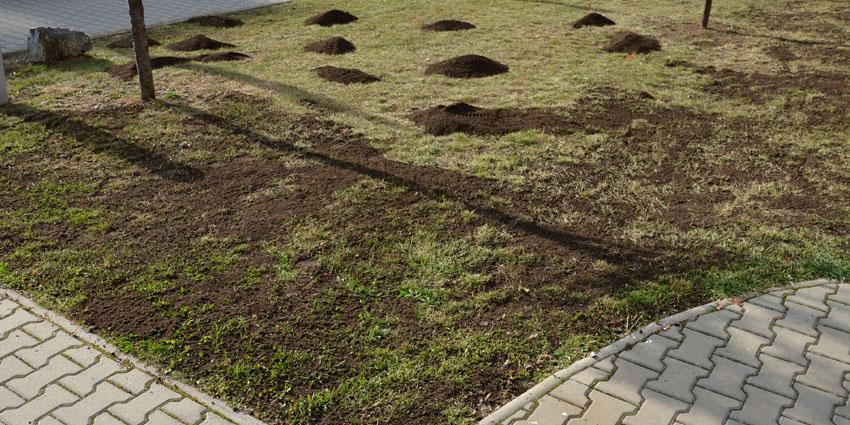

How much topsoil can I put on top of grass? This question often arises when homeowners seek to improve their lawns or gardens. The amount of topsoil that can be applied is influenced by several factors, including the health of the existing grass, the intended use of the area, and the quality of the topsoil itself. Generally, a layer of topsoil ranging from 1 to 4 inches is acceptable, but there are several considerations to keep in mind.
Understanding Topsoil Layers
Applying topsoil is usually part of a broader landscaping project aimed at improving soil quality and turf health. When applying topsoil to an existing lawn, it’s important to understand the following:
- Depth of Application: A thin layer (1 inch) can help improve drainage and nutrient retention, while thicker layers (up to 4 inches) may smother and damage existing grass.
- Existing Grass Condition: If the grass is healthy, a thin overlay might benefit it. However, if the grass is patchy or dying, reconsidering the approach is vital.
- Soil Quality: The nutritional content and texture of the topsoil will affect how well it integrates with the existing lawn.
The Risks of Excessive Topsoil Application
Adding too much topsoil over grass can lead to problems such as suffocation or poor drainage. Here are some risks associated with excessive layering:
- Grass Suffocation: A layer thicker than 2 inches may deprive the grass of sunlight and air, leading to deterioration.
- Uneven Growth: Different thicknesses can create uneven areas on the lawn, causing difficulty in maintenance.
- Pest and Disease Risks: Too much topsoil can create environments conducive to pests or diseases, harming your grass.
Best Practices for Topsoil Application
To optimize the application of topsoil while ensuring the health of your grass, certain best practices should be followed:
- Test Your Soil: Before applying topsoil, conduct a soil test to understand existing nutrient levels and deficiencies.
- Prepare the Grass: Mow the existing grass short and remove thatch to promote better integration of the new topsoil.
- Watering: Water the lawn both before and after applying topsoil to help with moisture retention and support existing grass health.
Ideal Conditions for Topsoil Application
Determining the right conditions for adding topsoil can make a significant difference in outcomes. The ideal conditions include:
- Season: Apply topsoil during the growing season (spring or early fall) for optimal results.
- Weather: Choose a day when the ground is moist but not soggy; avoid applying after heavy rains.
- Growth Period: Plan the application when the grass is actively growing to ensure recovery and reinvigoration.
Working with Professional Landscapers
For those unfamiliar with landscaping practices, consulting with a professional can be beneficial. Here’s how working with experts can aid in the process:
- Assessment: A professional can evaluate the existing condition of the lawn and recommend appropriate topsoil thickness.
- Soil Selection: Experts can help you select high-quality topsoil that meets your grass’s specific needs.
- Implementation: Hiring specialists can ensure proper application techniques are followed, minimizing risks.
How much dirt can you put on grass without killing it?

The amount of dirt you can apply to your lawn depends on several factors, including the type of grass, soil type, and environmental conditions. Generally, you can add between 1 to 2 inches of topsoil or compost safely without harming your existing grass. However, applying more than this can suffocate the grass, obstruct photosynthesis, and disrupt soil aeration.
Understanding Grass Types
Different grass types have unique tolerances to soil cover. For example:
- Bermudagrass can typically handle more topsoil.
- Fescue varieties are more sensitive to soil depth.
- Bluegrass generally falls somewhere in between.
Understanding which type of grass you are cultivating will help determine the safe amount of soil application.
Soil Quality and Composition
The quality of the soil you are adding plays a crucial role. Consider these aspects:
- Organic Matter: Using compost can enrich the soil while minimizing harm.
- Drainage: Sandy soils can tolerate more soil without suffocation than clay soils.
- Nutrient Content: Ensure the new soil complements the existing soil for balanced growth.
Choosing the right soil can mitigate potential damage to your grass.
Environmental Conditions
Environmental factors can also influence how much dirt can be applied:
- Climate: Hot, dry climates may stress grass more with soil cover.
- Moisture Levels: Well-watered grass may tolerate a little more dirt.
- Sunlight Exposure: Areas with less sunlight may struggle if too much dirt is applied.
Considering these conditions can help make informed decisions regarding soil application.
Application Techniques
The method of soil application affects grass survival:
See also:
- Topdressing: This involves spreading a thin layer evenly over the grass.
- Layering: Gradual accumulation (half an inch at a time) allows grass time to adjust.
- Stirring: Aerating the soil before adding dirt can help prevent suffocation.
Utilizing proper application techniques can significantly reduce the risk of killing the grass.
Maintenance After Application
Post-application care is essential:
- Watering: Keep the grass well-hydrated to promote recovery.
- Fertilization: Appropriate fertilization can aid in grass revitalization.
- Mowing: Avoid mowing too soon to give grass time to stabilize.
Taking steps to nurture your grass after applying dirt is vital for its survival and health.
How much topsoil to cover grass?

To determine how much topsoil is needed to cover grass, several factors come into play. Generally, when adding topsoil, it's recommended to apply a thickness of about 2 to 3 inches (5 to 7.5 cm) to ensure that the grass can properly grow and healthily adapt. However, the specific requirements can vary depending on the existing conditions of the soil, the type of grass, and the intended outcome.
Factors Affecting Topsoil Amount
When calculating the amount of topsoil needed, consider the following factors:
- Current Soil Quality: Poor soil may require more topsoil to improve drainage and nutrients.
- Type of Grass: Different grass types have varying root depths and nutrient needs, impacting how much topsoil is required.
- Desired Thickness: The thickness of the topsoil layer will affect the overall volume needed.
Volume Calculation
To determine the volume of topsoil needed, use the following formula:
Volume (cubic feet) = Area (square feet) x Thickness (feet)
For example, if you have a 100 square feet area and want to add 2 inches (0.17 feet) of topsoil:
- Convert inches to feet: 2 inches = 0.17 feet
- Calculate volume: 100 sq ft x 0.17 ft = 17 cubic feet of topsoil needed.
- For larger areas, repeat this formula adjusting for the area and desired thickness.
Types of Topsoil
There are several types of topsoil available for covering grass, each with unique properties:
- Sandy Topsoil: drains well, ideal for areas with heavy rainfall.
- Clay Topsoil: retains moisture, suitable for drier climates but may compact.
- Silt Loam Topsoil: balances moisture retention and drainage, suitable for most grasses.
Application Techniques
When you apply topsoil, consider the following techniques for optimal results:
- Layering: Apply in layers to ensure even coverage and ease of settling.
- Raking: Use a rake to spread the topsoil evenly across the area.
- Watering: After application, lightly water the area to help settle the soil and promote grass growth.
Post-Application Care
After applying topsoil, proper care is essential for successful grass growth:
- Fertilization: Consider fertilizing to provide essential nutrients for the grass.
- Regular Watering: Maintain consistent moisture, especially during the establishment phase.
- Aeration: Aerate the soil periodically to improve air flow and root development.
Questions from Our Readers
How much topsoil can I apply without harming my grass?
Applying topsoil up to 1 inch is generally safe for grass, as this amount allows for improved drainage and nutrient addition without suffocating the existing grass. Going beyond this can cause issues as the grass may be smothered and unable to get sufficient light and air.
Is it advisable to put topsoil on established grass?
Yes, adding topsoil to established grass can be beneficial, provided it is done in moderation. A light layer, typically around ¼ to ½ inch, can help with aeration and soil health without disrupting the existing grass.
What happens if I put too much topsoil on grass?
Excessive topsoil can lead to root suffocation, where the grass roots cannot access sufficient air and nutrients, potentially resulting in grass death or poor health. Ensuring only a thin layer is added is crucial for the grass's continuing vitality.
See also:
When is the best time to add topsoil to my lawn?
The optimal time to add topsoil is during the growing season, particularly in the spring or early fall. This timing allows the grass to recover quickly and take full advantage of the additional nutrients and aeration provided by the topsoil.

If you want to read more articles like How Much Topsoil Can You Put on Top of Grass? Essential Tips for Your Lawn Care, we recommend you check out our Lawn category.
Leave a Reply
Related Articles