How Much Does It Cost to Get Turf Laid Per m2? Your Complete Guide to Pricing and Installation

When considering the installation of artificial turf, one of the most crucial factors to evaluate is the cost per square meter. This guide aims to provide a comprehensive overview of the various factors that influence pricing, including the quality of turf, installation methods, and any additional materials needed. Understanding these elements will help homeowners and businesses make informed decisions, ensuring they achieve the desired aesthetics and functionality while staying within budget. Whether you're looking to enhance your backyard, sports field, or commercial space, this complete guide will equip you with the knowledge necessary for a successful turf installation.
What Is the Cost of Laying Turf Per Square Meter?
The cost of getting turf laid per square meter can vary significantly based on several factors including the type of grass, the preparation required, and the labor rates in your area. On average, you can expect to pay between £10 to £20 per m2 for the turf itself, with installation costs adding an additional £5 to £15 per m2. Thus, the total cost could range from £15 to £35 per m2. Additional expenses might include soil preparation, leveling, and any necessary fertilizers or treatments to ensure the turf establishes well. Geographical location and seasonal demand can also impact these prices.
Factors That Affect Turf Cost
The cost of installing turf is influenced by several key factors, including the type of grass chosen, the preparation of the ground, and local labor rates. Premium types of turf such as Kentucky Bluegrass or Zoysia may cost more than standard varieties like perennial ryegrass. The preparation involved—from soil testing to leveling the ground—can also increase the overall cost. Additionally, labor rates differ based on where you live; urban areas tend to have higher labor costs compared to rural regions.
Types of Turf Available
There are various types of turf available for installation, each with its own cost implications. For instance, natural grass tends to be cheaper initially, but synthetic turf can be a more expensive solution upfront due to its long lifespan and reduced maintenance costs. Additionally, considerations such as the local climate, usage (e.g., residential lawn versus sports field), and maintenance preferences can influence which type of turf is the best fit.
Additional Expenses Beyond Turf Costs
When calculating the total expense to lay turf, it is crucial to consider additional costs that may arise. Beyond the price of the turf and installation, homeowners often face charges for soil preparation, which might include removing old grass, adding topsoil, and ensuring proper drainage. Additionally, purchasing necessary fertilizers and other products for establishment can add to the overall expenses. Depending on your location and situation, these factors can significantly affect the final investment.
DIY vs Professional Installation
Choosing between a DIY approach and hiring a professional for turf installation can greatly impact overall costs. While DIY installation can save on labor fees, it requires time, effort, and a certain level of expertise to ensure proper installation, which may not yield the desired results if done incorrectly. On the other hand, hiring a professional typically brings a higher initial cost but can lead to better quality results and potentially reduce long-term maintenance issues.
Seasonal Price Variations
Turf costs can also fluctuate based on seasonal variations. Typically, demand for turf is higher in the spring and early summer, leading to increased prices due to higher customer demand. Conversely, late fall and winter months may see lower prices as contractors look to clear inventory. Understanding these seasonal trends can help homeowners decide the best time to purchase and install their turf to minimize costs.
| Cost Factor | Price Range (£) |
|---|---|
| Turf (per m2) | £10 - £20 |
| Installation (per m2) | £5 - £15 |
| Total Estimated Cost (per m2) | £15 - £35 |
| Soil Preparation | Variable |
| Fertilizers | Variable |
How much does it cost to install artificial turf per square foot?
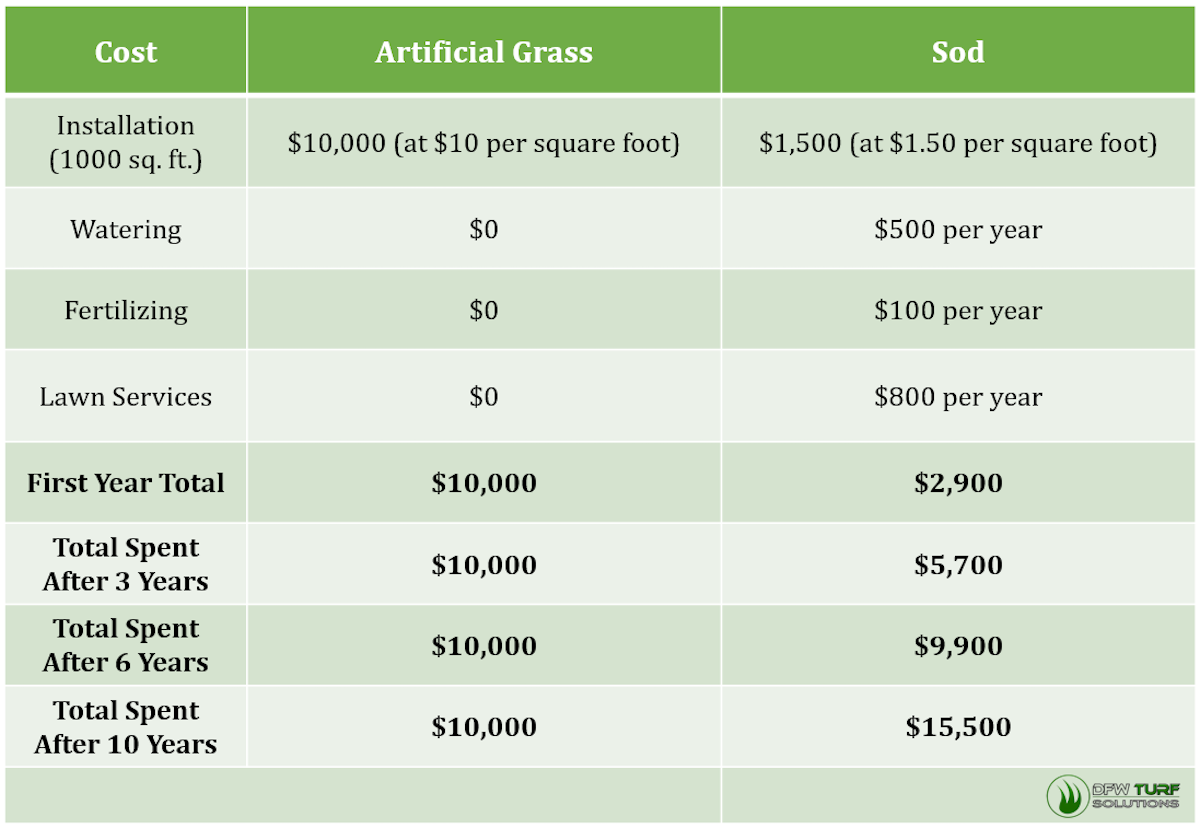
The cost to install artificial turf per square foot typically ranges from $5 to $20, depending on various factors such as material quality, installation complexity, and geographical location. On average, homeowners can expect to pay around $10 to $15 per square foot for a standard installation. The total cost will also include additional expenses related to preparation, drainage, and infill materials.
Factors Affecting Artificial Turf Installation Costs
The costs associated with installing artificial turf can vary significantly based on several key factors. Understanding these factors can help homeowners make informed decisions.
- Material Quality: Higher quality turf tends to be more expensive but offers better durability and aesthetic appeal.
- Installation Complexity: More complex installations require additional labor and preparation, which can increase costs.
- Geographical Location: Prices vary depending on local market conditions and availability of materials.
Preparation Costs for Artificial Turf
Before laying down artificial turf, proper surface preparation is essential, which adds to the overall cost. This may include:
- Ground Clearing: Removing existing grass, weeds, and debris to create a clean surface.
- Grading and Leveling: Ensuring the surface is flat and properly sloped for drainage.
- Installing a Base Layer: Adding a base of crushed rock or gravel to provide stability and drainage.
Infill Materials and Their Impact on Cost
Infill materials play a crucial role in the performance and longevity of artificial turf. The choice of infill can influence the overall cost significantly:
- Types of Infill: Options include sand, rubber granules, or organic materials, each with different price points.
- Layer Thickness: The depth of the infill layer can affect performance and comfort, influencing cost.
- Maintenance Needs: Some infills require more maintenance or replacement over time, impacting long-term costs.
Long-Term Savings with Artificial Turf
While the initial installation cost can be high, artificial turf offers several long-term savings:
- Water Conservation: Artificial turf eliminates the need for watering, which can significantly reduce water bills.
- Reduced Maintenance: Lower maintenance costs compared to natural grass, which requires mowing, fertilizing, and pest control.
- Durability: A well-installed turf can last over 15 years, providing long-term value.
Comparing Artificial Turf Costs to Natural Grass
When evaluating the cost of artificial turf, comparing it to the cost of maintaining natural grass can provide valuable insights:
See also:
- Installation Costs: Natural grass may be cheaper to install but requires ongoing investment.
- Maintenance Costs: Natural grass has higher recurring costs due to mowing, fertilization, and watering.
- Longevity: Artificial turf lasts much longer than natural grass, which may require re-sodding every few years.
How much does 800 square feet of turf cost?
To determine the cost of 800 square feet of turf, several factors must be considered, including the type of turf, quality, installation fees, and additional materials. Generally, the price for turf ranges from $2 to $10 per square foot, depending on these factors.
Calculating it simply:
- At a low end of $2 per square foot, 800 square feet would cost approximately $1,600.
- At a high end of $10 per square foot, 800 square feet would cost around $8,000.
Thus, the range for the total cost of 800 square feet of turf can typically be between $1,600 and $8,000.
Types of Turf and Their Costs
The type of turf chosen significantly influences the overall price. Various options include:
- Natural Grass: Prices vary based on the species; typically ranges from $0.50 to $3 per square foot.
- Artificial Turf: Generally ranges from $5 to $10 per square foot, offering durability and low maintenance.
- Hybrid Turf: Costs can vary widely, usually between $3 and $6 per square foot, combining both natural and synthetic components.
Installation Costs Associated with Turf
Installation costs can also affect the overall expenditure significantly. You might consider:
- Professional Installation: Typically charged at $1 to $5 per square foot in addition to the cost of the turf.
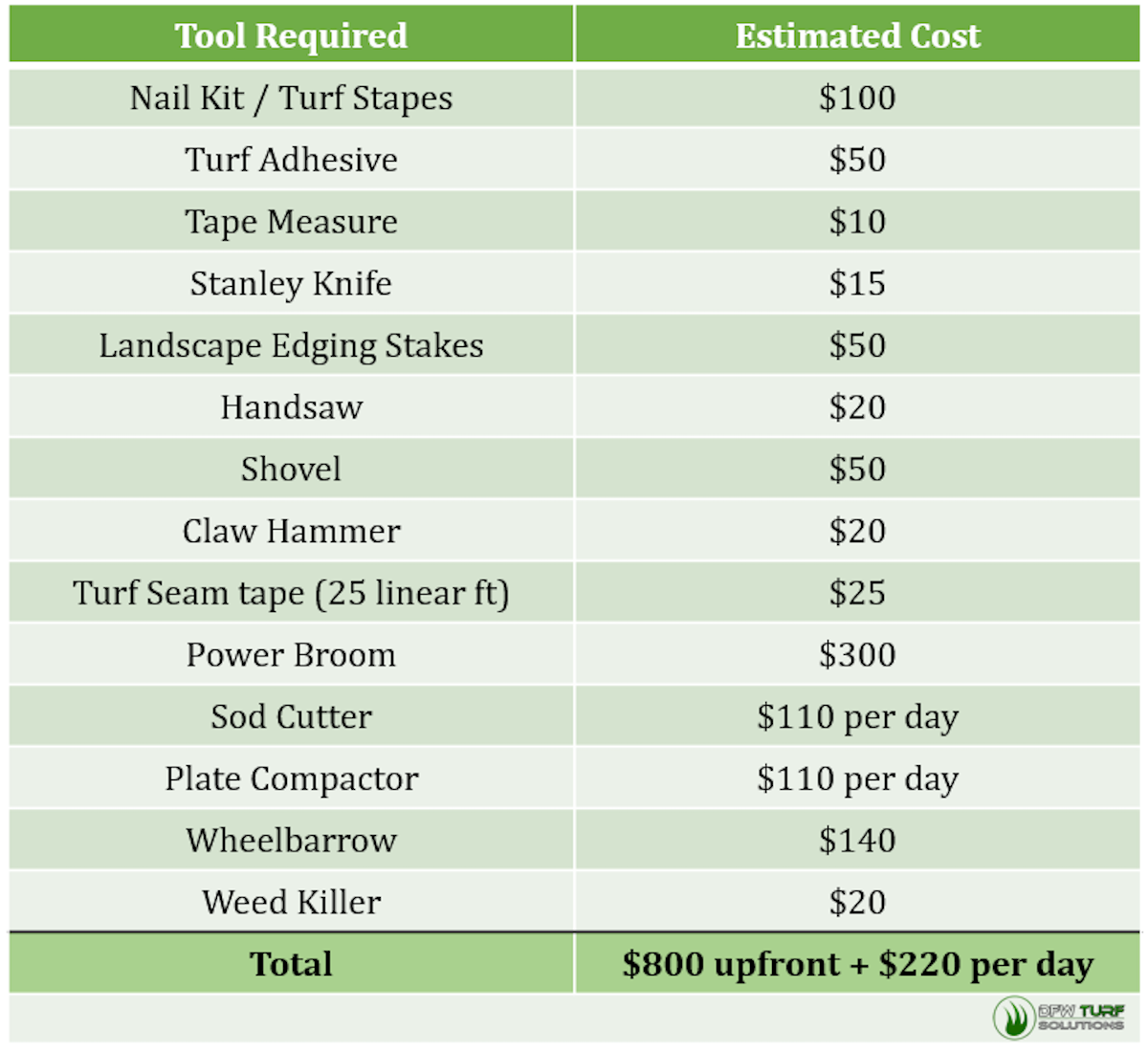
- DIY Installation: While saving on labor costs, you may need to invest in tools and materials, which could total $300 to $800.
- Site Preparation: Ensuring the area is ready for turf can add to costs, ranging from $200 to $1,000.
Additional Materials and Costs
Besides the turf itself, there are other materials that may be necessary:
- Underlayment: This layer helps with drainage and can cost between $0.50 and $2 per square foot.
- Fertilizers and Soil Amendments: If using natural grass, you may need to invest in these, costing around $50 to $150.
- Edging and Borders: To maintain a clean look, borders are essential, usually costing $1 to $3 per foot.
Long-Term Maintenance Costs
Thinking about the upkeep is crucial; costs can include:
- Watering: Synthetic turf needs less water, but natural grass could require significant irrigation, estimated at $500 to $1,000 per year.
- Mowing and Care: For natural grass, professional mowing and care can cost $50 to $150 per month.
- Minor Repairs: Both types of turf can require occasional maintenance, typically costing $200 to $500 annually.
Location and Seasonal Variations
The cost may vary depending on your geographical location. Consider the following:
- Regional Price Differences: Turf prices can be higher in urban and affluent areas, while rural areas may offer lower rates.
- Seasonal Demand: Prices may inflate during peak seasons for landscaping, typically in spring and summer.
- Local Regulations: Some regions have specific regulations regarding turf types, impacting availability and cost.
How to estimate turf installation?
Estimating turf installation involves several steps to ensure an accurate valuation of the project cost. Here’s a breakdown of how to effectively estimate the expenses associated with turf installation:
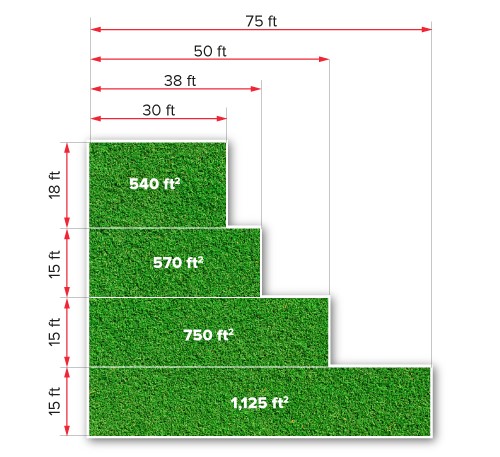
1. Measure the Area: First, you need to determine the total area where the turf will be installed. This is done by measuring the length and width of the space (in feet or meters), then calculating the area.
- Measure the length and width of the lawn.
- Multiply these two measurements to find the total square footage.
- Consider irregularly shaped areas separately to get precise measurements.
2. Choose the Type of Turf: The cost of turf varies significantly based on the type chosen. Synthetic turf can range from budget options to premium varieties.
See also:
- Research different types of turf: synthetic, natural, and hybrid.
- Compare the features, durability, and aesthetics of each type.
- Request samples or visit showrooms for visual assessment.
3. Calculate Material Costs: Once you’ve determined the area and selected the type of turf, the next step involves calculating the total amount of turf needed and its associated costs.
- Obtain pricing quotes from suppliers based on your square footage.
- Account for possible overage (usually an additional 10% for waste).
- Include costs for underlay or any additional materials needed for installation.
4. Estimate Labor Costs: Labor is a significant portion of the installation expenses. Knowing the labor rates in your area can help you estimate total installation costs accurately.
- Research average labor rates for turf installation in your locality.
- Calculate the estimated hours required for the installation based on the area size.
- Factor in additional costs for preparation work, like soil amendment or leveling.
5. Account for Additional Expenses: Beyond materials and labor, there might be additional costs such as site preparation, installation tools, and maintenance.
- Consider preparation work such as removal of existing sod or grading, which may add to costs.
- Include expenses for installation equipment if not provided by the laborers.
- Don’t forget about potential future maintenance requirements or warranties on turf.
Measuring the Area
Measuring the area accurately is the foundation of estimating turf installation costs. This involves calculating the total square footage that the turf will cover to determine how much product is needed.
- Use a measuring tape to measure the length and width of the installation area.
- Utilize simple geometric formulas to calculate areas of common shapes (rectangles, circles, etc.).
- For complex shapes, consider dividing the area into smaller sections and calculating each separately.
Choosing the Right Type of Turf
Selecting the appropriate type of turf is crucial as it significantly influences both the aesthetics and the overall cost. Different types of turf cater to varying preferences and budgets.
- Investigate the differences between various types of turf materials and their longevity.
- Consider environmental factors such as climate and maintenance demands.
- Explore turf options that align with your intended use (e.g., recreational, ornamental).
Calculating Material Costs
Material costs can encompass the turf itself, any underlay, and additional components necessary for successful installation. This step ensures you have a clear understanding of what your budget needs to accommodate.
- Gather cost information from several suppliers to compare prices.
- Calculate the total required square footage plus an extra allowance for waste.
- Remember to include potential costs for any accessories needed for installation.
Estimating Labor Costs
Labour costs can vary widely based on location and the complexity of the installation. Understanding pricing in your area can help create a more accurate estimate.
- Research local labor rates to gauge what contractors approximately charge per hour or per project.
- Assess the time required by estimating installation hours based on the size and type of turf.
- Be transparent about whether you will hire professionals or consider a DIY approach, which can impact costs heavily.
Accounting for Additional Expenses
It is essential to consider any additional expenses that might affect the total cost of the project.
- Include site preparation expenses such as the removal of existing grass or landscaping.
- Factor in equipment costs if you plan on renting any tools or machinery for installation.
- Consider potential future expenses related to maintenance or turf replacement warranties.
Questions from Our Readers
What is the average cost of turf installation per square meter?
The average cost of turf installation can range from $20 to $50 per m², depending on factors such as the type of turf, location, and labor costs. High-quality turf or additional services like site preparation can increase the price.
Are there any additional costs associated with laying turf?
Yes, aside from the base cost of turf per m², there may be additional costs for preparation, such as removing old grass, leveling the surface, or adding soil and fertilizers, which can contribute to the overall expense.
See also:
Can I save money by laying turf myself?
While you can potentially save money by laying turf yourself, it requires careful planning and effort. Be aware that improper installation can lead to future issues with drainage or turf health, ultimately costing more in the long run.
How long does it take for installed turf to establish?
Typically, it takes about 2 to 3 weeks for newly installed turf to establish and root properly. During this time, it is crucial to keep the turf well-watered and avoid heavy foot traffic to ensure successful growth.

If you want to read more articles like How Much Does It Cost to Get Turf Laid Per m2? Your Complete Guide to Pricing and Installation, we recommend you check out our Turf category.
Leave a Reply
Related Articles